(7% discount is applied at checkout)
Cart is empty
Your go-to destination for cutting-edge server products
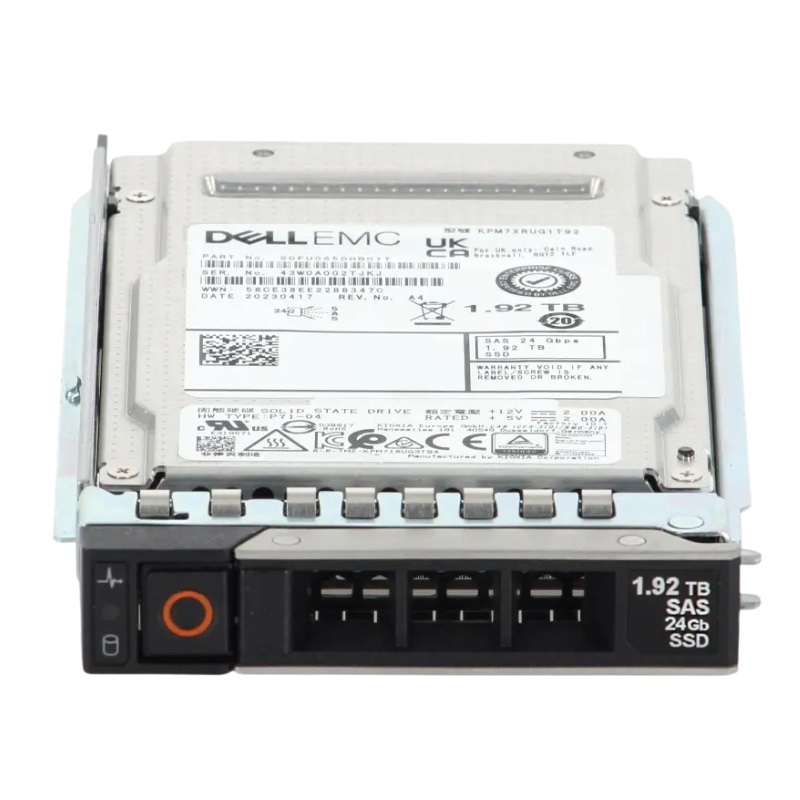


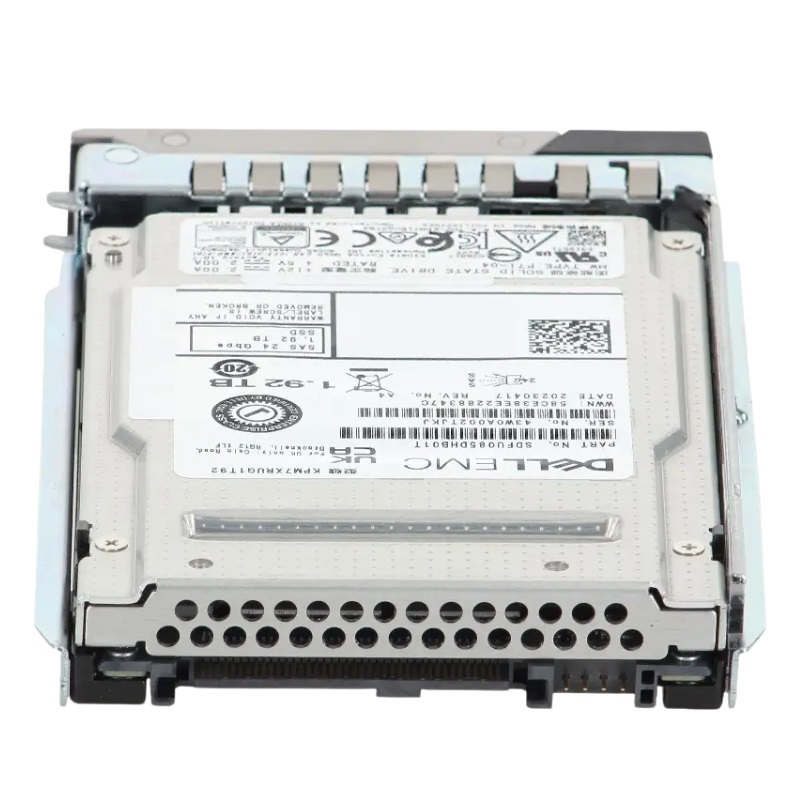
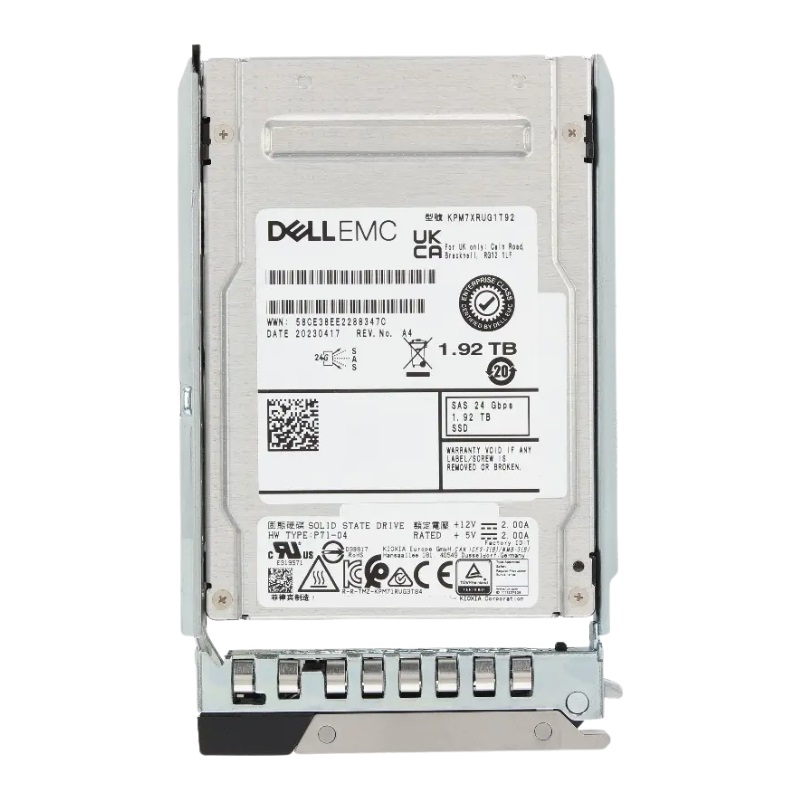
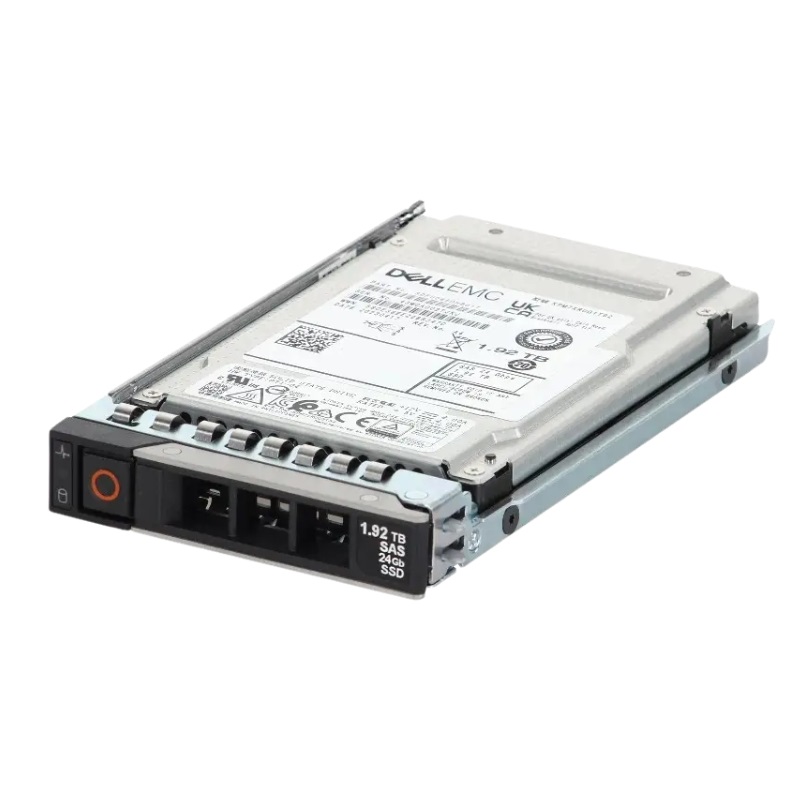
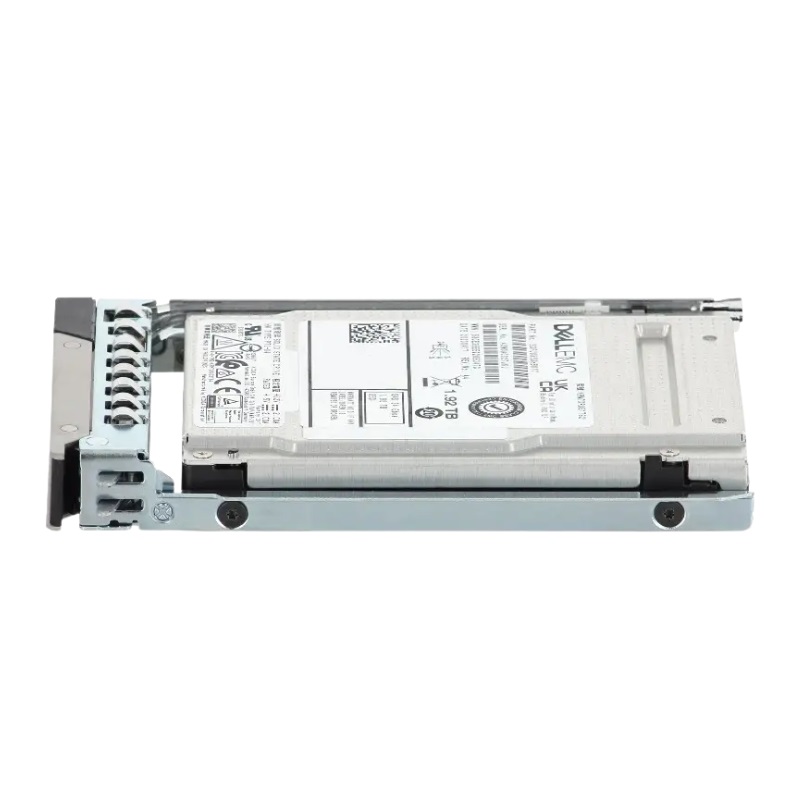
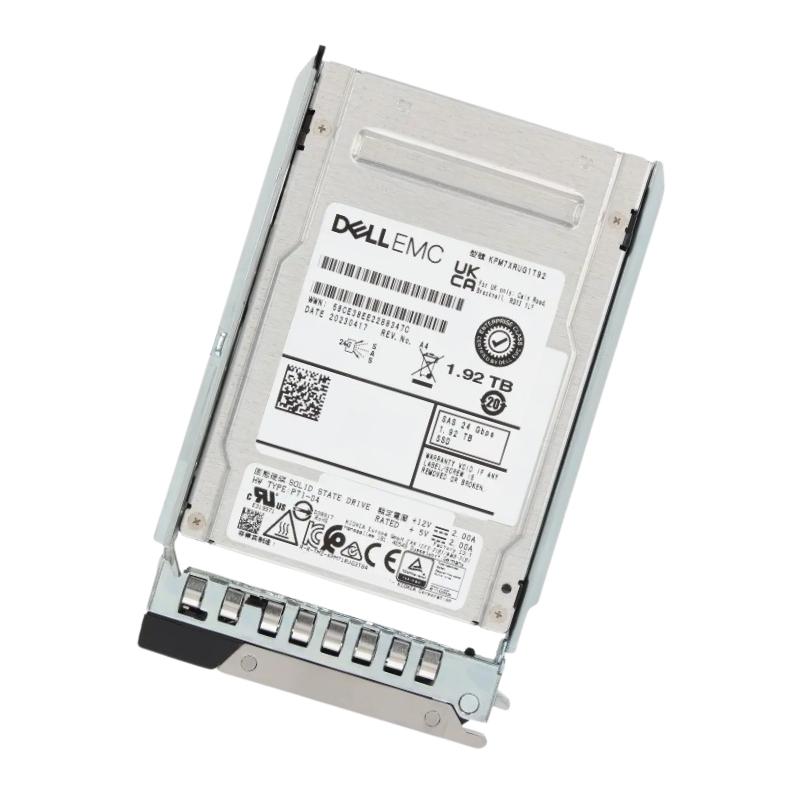
Dell 345-BKJB 1.92TB SAS 24GBPS SFF Read Intensive TLC 1 DWPD Enterprise Solid State Drive For Server. New Sealed in Box (NIB) with 1 year Replacement Warranty
The Dell 345-BKJB 1.92TB SAS 24Gbps SFF Read Intensive TLC solid state drive is designed for enterprise-grade servers, offering exceptional speed, endurance, and reliability for demanding workloads.
The Dell 345-BKJB 1.92TB SAS 24GBPS SFF Read Intensive TLC 1 DWPD Enterprise Solid State Drive for server environments is engineered to support modern enterprise workloads that demand consistent storage performance, advanced reliability, and high-speed data transfer capabilities. Designed specifically for data center deployment, virtualization infrastructure, enterprise applications, cloud environments, and mission-critical server operations, this enterprise SSD combines cutting-edge SAS technology with durable TLC NAND architecture to deliver a balanced solution for organizations seeking scalable and dependable storage infrastructure.
As enterprise workloads continue to evolve, businesses require server storage solutions capable of handling massive transactional operations, analytics processing, virtual machine management, database acceleration, and high-frequency read operations without sacrificing reliability. The Dell 345-BKJB SSD addresses these requirements through a combination of 24Gbps SAS interface technology, read-intensive optimization, compact small form factor architecture, and enterprise-grade endurance specifications that support long-term deployment in demanding IT ecosystems.
Enterprise SAS SSDs are designed differently from standard consumer-grade solid state drives. The Dell 345-BKJB 1.92TB SAS 24Gbps SSD is purpose-built for enterprise server environments where uptime, consistent performance, redundancy, and data integrity are essential. SAS technology continues to remain one of the most trusted storage interfaces for enterprise deployments due to its superior reliability, dual-port architecture, scalability, and advanced command queuing capabilities.
The 24Gbps SAS interface significantly improves data transfer throughput compared to earlier generations of SAS drives. This increased bandwidth enables servers to process larger workloads more efficiently while minimizing latency bottlenecks in transactional systems and virtualization clusters. Organizations running enterprise applications, ERP platforms, CRM databases, cloud infrastructure, and software-defined storage environments benefit from the predictable performance characteristics associated with high-speed SAS SSD technology.
Unlike SATA-based enterprise drives, SAS SSDs offer enhanced communication protocols optimized for enterprise-level data handling. These drives support sophisticated error correction mechanisms, better queue depth management, and improved fault tolerance capabilities that are critical for maintaining operational continuity in enterprise environments.
The transition from previous SAS generations to 24Gbps SAS technology provides substantial improvements in throughput and operational efficiency. The Dell 345-BKJB enterprise SSD leverages this advanced interface to deliver superior responsiveness for storage-intensive applications. In enterprise infrastructures where multiple users and applications access storage resources simultaneously, the increased bandwidth of 24Gbps SAS minimizes contention and ensures stable performance.
High-bandwidth SAS connectivity is particularly beneficial for environments utilizing virtualization hypervisors, distributed databases, AI data processing pipelines, and real-time analytics systems. Faster communication between the server controller and storage subsystem translates into lower application latency and improved workload consolidation capabilities.
Organizations implementing high-performance computing infrastructure also benefit from the enhanced parallel processing capabilities of 24Gbps SAS SSDs. The interface architecture supports advanced scalability while maintaining compatibility with enterprise RAID controllers and storage backplanes commonly deployed in rack servers and blade server environments.
The Dell 345-BKJB SSD is categorized as a read-intensive enterprise drive, making it highly suitable for workloads dominated by read operations. Read-intensive SSDs are optimized for applications where data retrieval occurs more frequently than data writing. This specialization helps improve cost efficiency while delivering exceptional performance for specific enterprise use cases.
Read-intensive enterprise SSDs are commonly deployed in content delivery systems, web hosting environments, streaming platforms, virtual desktop infrastructure, search indexing systems, data warehousing platforms, and analytics databases. These workloads require rapid access to stored data while generating comparatively fewer write cycles.
By optimizing the NAND management architecture for read-heavy operations, Dell ensures that the 345-BKJB SSD provides low latency and fast response times under sustained enterprise workloads. This design approach allows organizations to maximize infrastructure efficiency without investing in higher-endurance write-intensive drives that may not align with actual operational requirements.
The 1.92TB storage capacity offered by the Dell 345-BKJB SSD strikes an effective balance between performance, storage density, and infrastructure scalability. In enterprise environments, storage planning requires careful consideration of workload characteristics, application growth, virtualization density, and long-term capacity forecasting. A 1.92TB enterprise SSD provides sufficient capacity to support demanding applications while maintaining manageable storage footprints in dense server configurations.
Many organizations deploy 1.92TB SSDs within clustered server environments, hybrid storage arrays, software-defined infrastructure, and hyperconverged platforms. The capacity supports multiple virtual machines, large database indexes, operating system images, analytics datasets, and transactional records without introducing excessive hardware overhead.
The drive capacity also contributes to improved rack-level storage density. Data centers seeking to optimize floor space, power efficiency, and thermal management can benefit from high-capacity small form factor SSDs that reduce the number of drives required for a given deployment.
Storage density remains a critical factor in modern enterprise infrastructure design. The Dell 345-BKJB 1.92TB SSD enables organizations to increase usable storage capacity while maintaining compact server footprints. This capability is especially valuable in hyperscale data centers, cloud hosting facilities, and edge computing deployments where physical space optimization directly impacts operational efficiency.
Higher-density SSD deployments reduce cable complexity, simplify storage management, and lower overall infrastructure costs. Consolidating workloads onto fewer drives can also improve power consumption efficiency and reduce cooling requirements within densely populated server racks.
Data center architects often prioritize enterprise SSDs with balanced capacity and performance characteristics because these drives support scalable growth strategies while preserving predictable operational behavior under sustained enterprise workloads.
Virtualized environments generate highly dynamic storage demands. The Dell 345-BKJB SSD is well suited for hypervisor deployments supporting VMware, Microsoft Hyper-V, Citrix, and other enterprise virtualization platforms. Its combination of 1.92TB capacity and read-intensive optimization enables efficient handling of virtual machine boot storms, template deployments, and application hosting environments.
Cloud service providers and enterprise private cloud operators benefit from the drive’s ability to support high-density virtual machine environments while maintaining stable performance under fluctuating workload conditions. Enterprise SSDs optimized for read-intensive applications are frequently used in cloud storage tiers dedicated to frequently accessed datasets and virtual desktop images.
Dell enterprise SSDs are engineered to integrate seamlessly with compatible PowerEdge servers and enterprise storage platforms. The 345-BKJB SSD supports enterprise-grade interoperability standards that simplify deployment within existing Dell server ecosystems.
Integration compatibility is essential for enterprise IT teams responsible for maintaining operational continuity and minimizing deployment complexity. Certified enterprise SSDs reduce firmware compatibility issues, improve management visibility, and streamline hardware lifecycle maintenance processes.
The drive’s design supports deployment within RAID arrays, clustered storage configurations, and mission-critical server environments where interoperability with enterprise controllers and management software is required.
Small form factor enterprise SSDs are commonly deployed in hot-swappable drive bays that support maintenance operations without requiring server downtime. The Dell 345-BKJB SSD contributes to operational efficiency by enabling rapid drive replacement and simplified serviceability in enterprise environments.
Hot-swappable storage solutions are essential for businesses operating 24/7 applications, cloud services, financial systems, healthcare platforms, and e-commerce infrastructure. The ability to replace drives without interrupting production workloads helps minimize downtime risks and supports business continuity objectives.
The Dell 345-BKJB SSD utilizes Triple-Level Cell NAND technology optimized for enterprise environments. TLC NAND architecture provides an effective balance between storage density, performance, and endurance, making it suitable for modern enterprise storage deployments where cost efficiency and scalability are important considerations.
Enterprise TLC SSDs differ significantly from consumer-grade implementations because they incorporate advanced firmware algorithms, wear-leveling technologies, power-loss protection mechanisms, and enterprise-class endurance management systems. These enhancements ensure that the SSD maintains stable operational characteristics even under continuous enterprise workloads.
Modern enterprise TLC SSDs are capable of delivering excellent reliability while supporting demanding application requirements. The integration of advanced NAND management technologies helps improve lifespan predictability and data retention capabilities within enterprise storage infrastructure.
The Dell 345-BKJB SSD features a 1 DWPD endurance rating, which stands for one drive write per day. This endurance specification indicates that the drive can sustain writing its entire capacity once per day throughout the warranty period while maintaining reliable operation.
DWPD ratings are essential metrics for enterprise storage planning because they help organizations match SSD endurance characteristics with workload requirements. A 1 DWPD SSD is well suited for read-intensive applications with moderate write activity patterns. This endurance level provides an excellent balance between affordability and enterprise reliability.
Understanding endurance ratings helps IT administrators optimize storage deployment strategies. Deploying the appropriate endurance tier for specific workloads improves infrastructure efficiency while preventing unnecessary overspending on higher-endurance drives that may not be required.
Enterprise workloads suitable for 1 DWPD SSDs include web serving environments, virtualization boot storage, content repositories, business analytics platforms, reporting systems, search indexing infrastructure, media streaming applications, and archival access layers.
These workloads generally involve large volumes of read operations with moderate write intensity. The Dell 345-BKJB SSD is optimized to maintain stable read performance while accommodating routine enterprise write activity within its endurance profile.
Organizations implementing tiered storage architectures often deploy 1 DWPD SSDs as high-performance read layers supporting frequently accessed datasets. This strategy allows businesses to maximize storage efficiency while maintaining responsive application performance.
The Dell 345-BKJB enterprise SSD enhances application responsiveness by delivering low-latency data access and high-throughput performance. Enterprise applications often involve complex storage interactions requiring consistent input/output performance under heavy concurrent access conditions.
Database servers, virtualization clusters, ERP systems, CRM platforms, business intelligence applications, and cloud orchestration frameworks all benefit from the reduced latency characteristics associated with enterprise SSD technology. Faster storage response times improve overall application efficiency and user experience.
By leveraging 24Gbps SAS connectivity and enterprise-optimized firmware, the SSD supports predictable performance levels that are critical for transactional consistency and infrastructure scalability.
Modern enterprise databases process large volumes of structured and unstructured data. The Dell 345-BKJB SSD accelerates query execution, indexing operations, and data retrieval processes by minimizing storage bottlenecks.
Analytics platforms handling real-time reporting and business intelligence tasks require rapid access to frequently queried datasets. Enterprise SSDs optimized for read-intensive workloads provide the low-latency characteristics necessary to support responsive analytics environments.
Organizations implementing SQL databases, NoSQL platforms, and distributed analytics systems can benefit from the SSD’s ability to sustain high read throughput under concurrent user activity.
Enterprise data centers require storage solutions that balance performance, scalability, reliability, and operational efficiency. The Dell 345-BKJB SSD contributes to these objectives by delivering enterprise-grade capabilities within a compact and power-efficient design.
Scalable storage infrastructure enables organizations to adapt to evolving business requirements without extensive hardware redesigns. Enterprise SSDs supporting high-density deployments allow data centers to expand storage capacity while preserving rack efficiency and minimizing operational complexity.
Power efficiency is another important consideration in large-scale deployments. SSDs consume less power and generate less heat than traditional spinning hard drives, contributing to reduced energy costs and simplified thermal management.
Distributed computing systems rely heavily on low-latency storage infrastructure to maintain synchronization and application responsiveness. The Dell 345-BKJB SSD helps minimize latency across clustered environments, improving workload coordination and data accessibility.
Cloud-native applications, microservices architectures, and containerized workloads frequently require rapid access to distributed datasets. Enterprise SSDs provide the consistent response times necessary to support these modern computing paradigms.
Reduced latency contributes to improved operational efficiency in high-performance environments where milliseconds can significantly impact application throughput and user satisfaction.
Enterprise SSDs are frequently deployed within RAID configurations that enhance data redundancy and performance scalability. The Dell 345-BKJB SSD supports integration with enterprise RAID controllers commonly used in mission-critical server deployments.
RAID environments improve fault tolerance by distributing data across multiple drives while enabling rapid recovery from hardware failures. Enterprise SAS SSDs provide the reliability and performance consistency necessary for stable RAID operation.
Organizations implementing high-availability infrastructure depend on enterprise storage solutions capable of supporting continuous data access and resilient redundancy architectures.
Cloud hosting providers require storage solutions capable of supporting diverse customer workloads with consistent performance characteristics. The Dell 345-BKJB SSD enables scalable cloud deployments by providing reliable high-speed storage for virtual machines, application containers, and shared hosting environments.
Enterprise SSDs improve infrastructure responsiveness while reducing latency for cloud-hosted applications and services. Faster storage access contributes to improved tenant experiences and higher resource utilization efficiency.
Hosting environments often experience fluctuating workload patterns, making enterprise SSD reliability and predictable performance essential for maintaining service quality.


 Contact Us
 Information
 Catalog
 Solid State Drives (SSD)
 Network Switches
 Hard Disk Drives
 HBA & Controllers
 PC & Servers
 PC & Server Memory
 CPU & Processors
 Network Routers
 Power Supplies
 Tape Drives & Libraries
 Network Devices
 Computer & Network Cables