(7% discount is applied at checkout)
Cart is empty
Your go-to destination for cutting-edge server products
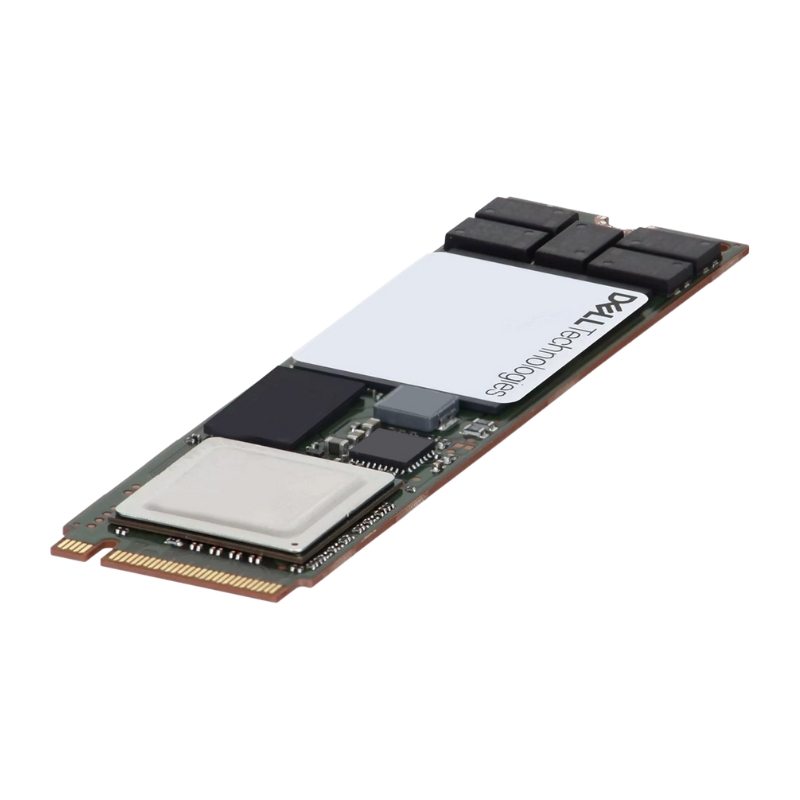


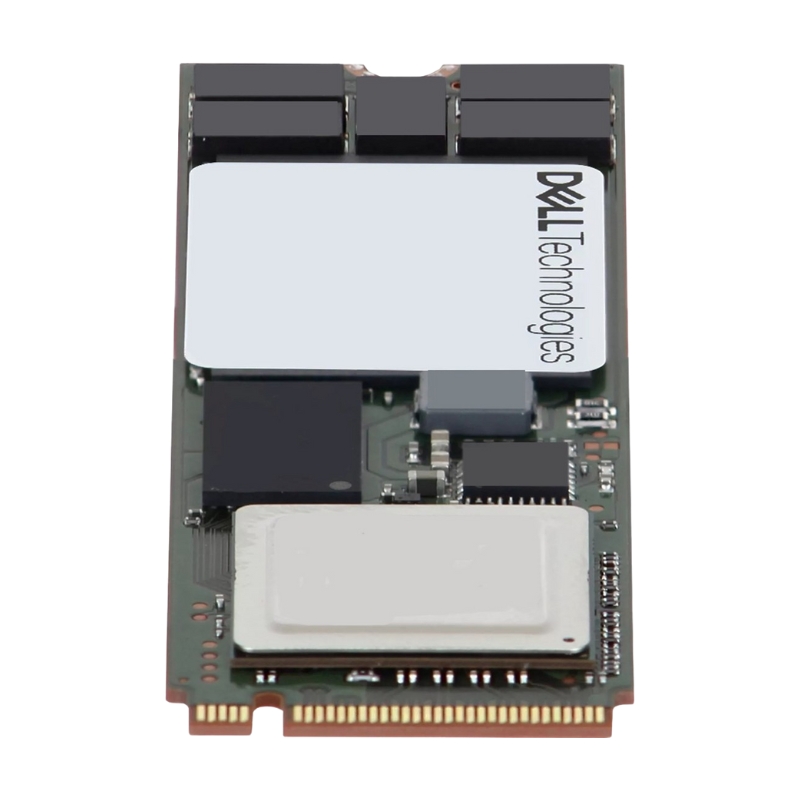
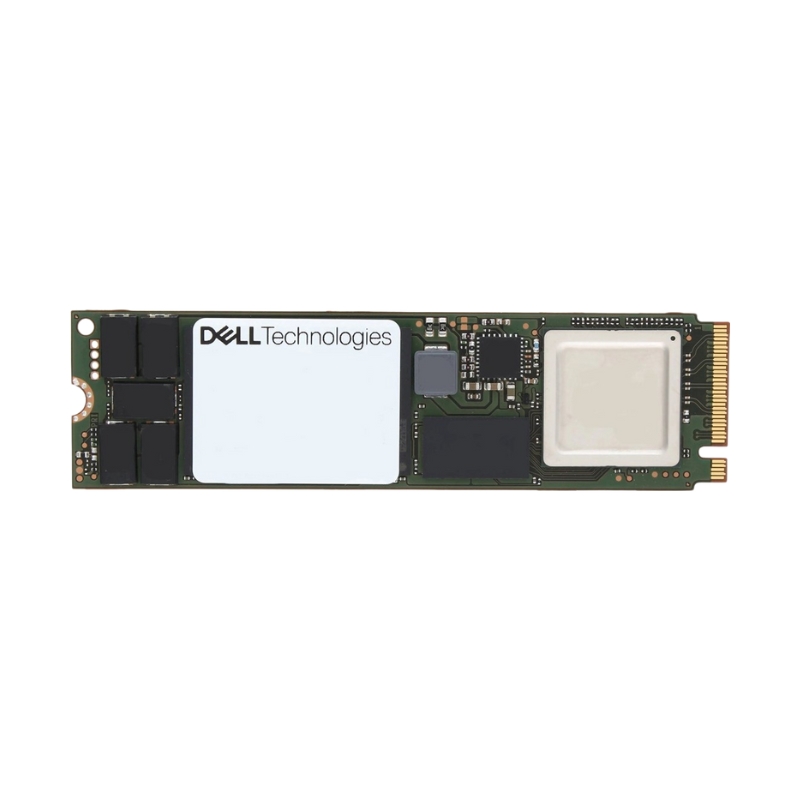
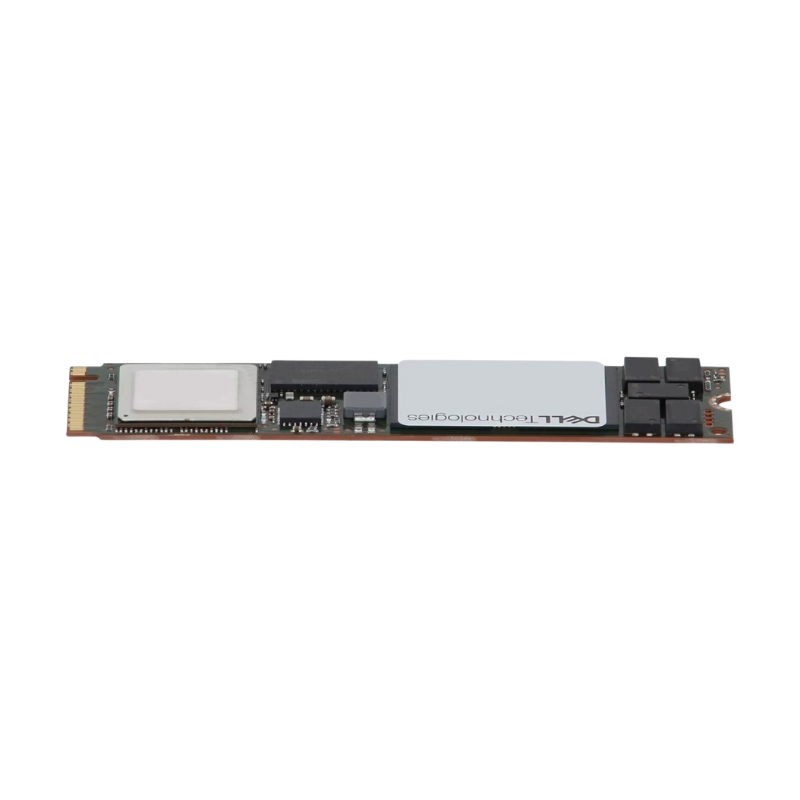
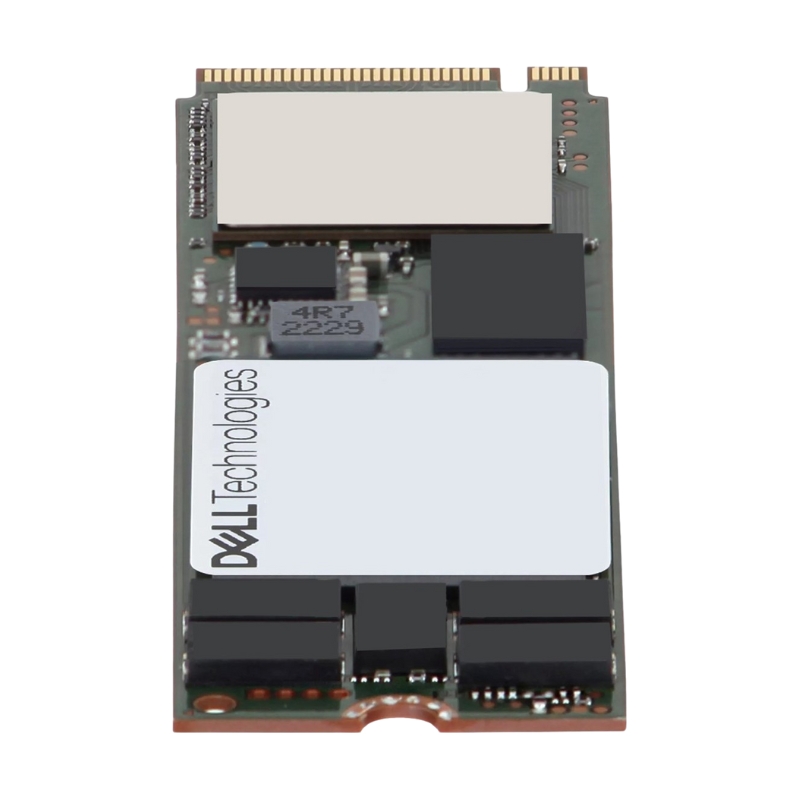
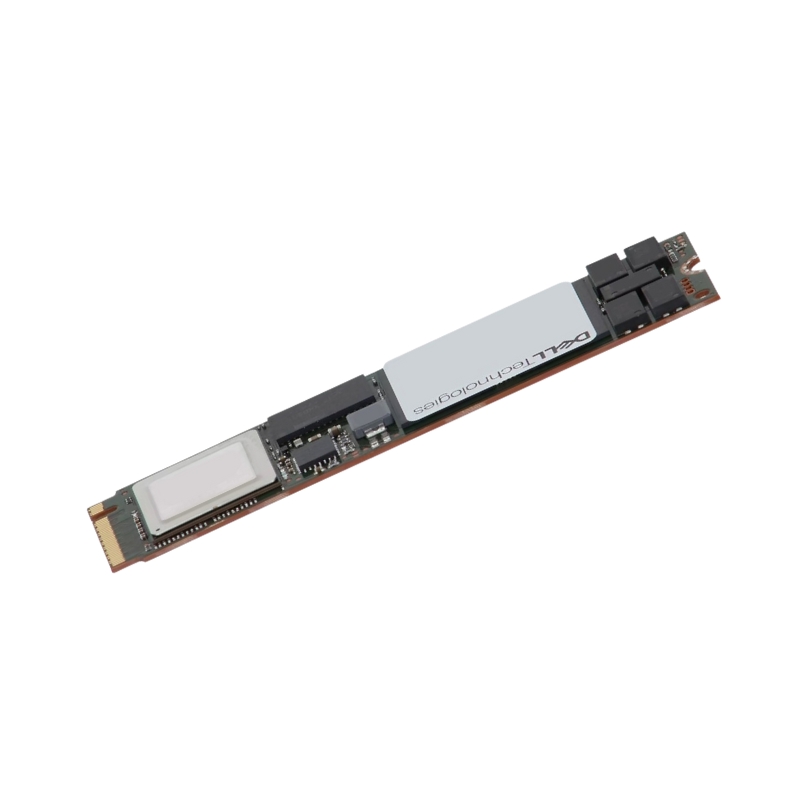
Dell 345-BKSR 960GB NVMe M.2 2280 PCIe TLC Gen4 X4 SED Read Intensive Enterprise Solid State Drive. Excellent Refurbished with 1 year Replacement Warranty
Dell 960GB NVMe M.2 2280 PCIe TLC Solid State Drive
The Dell 345-BKSR M.2 2280 NVMe SSD is optimized for enterprise applications requiring fast data access, low latency, and dependable endurance. Featuring Self-Encrypting Drive (SED) technology, this enterprise-grade SSD helps protect sensitive business data while maintaining high operational efficiency.
The Dell 345-BKSR 960GB NVMe M.2 2280 PCIe TLC Gen4 X4 SED Read Intensive Enterprise Solid State Drive is engineered to meet the growing demands of enterprise-grade storage environments that require exceptional speed, reliability, security, and long-term operational consistency. Built around PCIe Gen4 x4 architecture and NVMe technology, this enterprise SSD is designed to optimize data access, reduce latency, and improve overall server responsiveness in modern IT infrastructures. Organizations deploying virtualization platforms, cloud computing systems, database environments, analytics frameworks, and high-performance applications benefit significantly from the advanced architecture and dependable performance characteristics of this Dell enterprise storage solution.
As enterprise workloads continue to evolve, storage hardware must support increasingly data-intensive operations while maintaining low power consumption and strong endurance ratings. The Dell 345-BKSR SSD addresses these requirements with enterprise-focused firmware, self-encrypting drive functionality, read-intensive optimization, and M.2 2280 form factor compatibility. Its compact footprint enables efficient deployment in dense server configurations while delivering impressive throughput and operational efficiency.
Modern enterprise infrastructure relies heavily on fast and stable storage subsystems. The Dell 345-BKSR 960GB NVMe SSD is specifically optimized for enterprise environments where continuous data availability and rapid access times are essential. Traditional SATA-based SSDs and mechanical hard drives often become bottlenecks in environments involving virtualization, real-time analytics, transactional databases, and software-defined storage platforms. By leveraging NVMe technology over PCIe Gen4 x4 lanes, this Dell SSD dramatically improves data transfer rates and IOPS performance.
PCIe Gen4 technology enables higher bandwidth than previous generations, allowing the SSD to process larger workloads simultaneously while maintaining reduced latency. This improved bandwidth contributes to faster application loading times, accelerated system responsiveness, and more efficient handling of concurrent operations. Enterprises utilizing multi-tenant cloud environments or heavily virtualized workloads benefit from reduced storage contention and improved scalability.
The PCIe Gen4 x4 interface represents a major advancement in enterprise storage technology. Compared to PCIe Gen3 solutions, Gen4 doubles the available bandwidth, significantly improving sequential read speeds and random access performance. This increased throughput is especially beneficial in high-demand enterprise workloads where data movement efficiency directly affects operational productivity.
Organizations running enterprise applications such as virtualization clusters, ERP systems, AI-driven analytics, and content delivery infrastructures require consistent storage responsiveness. The Dell 345-BKSR SSD minimizes latency and accelerates data transactions, allowing systems to maintain stable performance even under demanding workloads. Faster access to critical datasets also improves user experiences for both administrators and end users.
Unlike older AHCI-based storage interfaces, NVMe is specifically designed for NAND flash storage. The NVMe protocol reduces command overhead and allows massive parallelism, enabling the SSD to process multiple queues and commands simultaneously. This architecture improves efficiency in enterprise environments where thousands of input and output operations occur every second.
The Dell 345-BKSR utilizes NVMe optimization to reduce bottlenecks commonly associated with legacy storage technologies. Lower latency translates into faster application response times, improved database query performance, and smoother operation of virtualized infrastructure. Businesses deploying modern software-defined environments benefit greatly from NVMe-enabled storage acceleration.
The 960GB storage capacity of the Dell 345-BKSR SSD provides an ideal balance between storage density, performance, and operational efficiency. Many enterprise workloads require high-speed storage with sufficient capacity to manage operating systems, application data, virtual machines, transactional databases, and frequently accessed datasets. The 960GB configuration supports these requirements without compromising reliability or speed.
For organizations deploying hyperconverged infrastructure, edge computing environments, or compact server systems, the 960GB capacity offers flexibility in workload distribution. Administrators can allocate storage resources efficiently while maintaining rapid access to business-critical information. This balance is particularly valuable in enterprise systems where maximizing rack density and storage efficiency is a priority.
The Dell 345-BKSR SSD is classified as a read-intensive enterprise SSD, meaning it is optimized for environments where read operations significantly outnumber write operations. Examples include web hosting environments, content delivery networks, virtual desktop infrastructure deployments, media streaming systems, analytics platforms, and enterprise application servers.
Read-intensive SSDs are engineered with firmware and endurance profiles that prioritize rapid data retrieval while maintaining long operational lifespan under expected workload patterns. Organizations deploying large-scale read-centric applications benefit from improved cost efficiency and stable performance. The Dell 345-BKSR ensures dependable access to frequently requested datasets while minimizing operational delays.
Latency reduction is critical in enterprise environments where application responsiveness affects operational productivity. The Dell 345-BKSR SSD significantly lowers data access times compared to mechanical storage systems. Faster read operations improve user experiences in enterprise software platforms, accelerate boot times for servers, and reduce wait times in high-volume transactional environments.
Reduced latency also enhances virtualization efficiency. Hypervisors hosting multiple virtual machines require storage systems capable of servicing simultaneous requests without introducing delays. The Dell 345-BKSR provides the responsiveness necessary to support multi-VM environments while maintaining consistent application performance.
The M.2 2280 form factor offers substantial advantages for enterprise server deployments and modern computing systems. Its compact physical dimensions enable efficient integration into space-constrained hardware platforms while maintaining powerful performance capabilities. The Dell 345-BKSR SSD is designed to fit enterprise systems that support M.2 NVMe storage, allowing organizations to maximize internal hardware efficiency.
Compact storage solutions are increasingly important in modern data centers where density, airflow optimization, and energy efficiency are major operational considerations. The M.2 2280 design reduces cabling complexity and contributes to streamlined system architecture. This simplified integration improves maintenance accessibility and helps optimize cooling performance within server chassis.
Enterprise data centers often prioritize hardware density to maximize available rack space. The M.2 form factor allows organizations to deploy high-speed storage without occupying larger drive bays required by traditional SSDs or hard drives. This efficiency enables more flexible hardware configurations and supports advanced server designs focused on compact scalability.
By minimizing physical storage footprint, organizations can allocate additional space for processing resources, networking hardware, or supplementary storage components. This adaptability supports evolving infrastructure requirements and contributes to improved operational flexibility.
Thermal efficiency plays a vital role in enterprise hardware reliability. Compact M.2 SSDs help improve airflow dynamics inside server systems by reducing cable clutter and minimizing physical obstructions. Better airflow contributes to lower operating temperatures, improved hardware stability, and reduced cooling demands.
The Dell 345-BKSR SSD is engineered to maintain consistent thermal performance in enterprise environments. Efficient thermal management helps preserve long-term reliability and prevents performance degradation associated with overheating conditions.
Data security remains one of the most important considerations in modern enterprise infrastructure. The Dell 345-BKSR includes self-encrypting drive technology, commonly referred to as SED functionality, which enhances data protection by encrypting stored information directly at the hardware level. This integrated security capability helps organizations safeguard sensitive information against unauthorized access.
Hardware-based encryption provides stronger protection than many software-based alternatives while minimizing system overhead. Because encryption processes occur within the SSD controller itself, system resources remain available for critical applications and workloads. This approach enhances security without negatively affecting operational performance.
Many organizations operate within industries that require strict compliance with regulatory standards related to data security and privacy. Healthcare providers, financial institutions, government agencies, and large enterprises must implement secure storage solutions capable of protecting confidential information. The Dell 345-BKSR SSD supports these objectives by incorporating advanced encryption functionality.
Self-encrypting drives assist organizations in maintaining compliance with industry security frameworks while reducing administrative complexity. Hardware-level encryption ensures that stored data remains inaccessible if the drive is removed from an authorized environment. This added layer of protection contributes to comprehensive enterprise cybersecurity strategies.
Data breaches and unauthorized access incidents can lead to severe operational, financial, and reputational consequences. The Dell 345-BKSR helps mitigate these risks through integrated encryption technologies that secure stored information throughout the drive lifecycle. Secure data handling is especially important in enterprise environments involving customer records, financial transactions, intellectual property, and confidential operational information.
SED functionality also simplifies secure drive retirement and repurposing procedures. Encryption keys can be managed efficiently to ensure previously stored information cannot be recovered after decommissioning, helping organizations maintain secure disposal practices.
The Dell 345-BKSR SSD utilizes TLC NAND flash memory technology optimized for enterprise environments. Triple-Level Cell NAND offers a strong balance between storage density, affordability, and operational efficiency. When combined with enterprise-grade firmware and advanced wear management algorithms, TLC NAND delivers dependable long-term performance suitable for read-intensive workloads.
Enterprise SSDs require more than raw speed. They must also maintain predictable performance over extended operational periods while supporting continuous workload demands. Dell engineers enterprise SSD solutions with firmware enhancements that improve data integrity, endurance, and stability under sustained usage conditions.
NAND flash memory experiences wear over time as data is written and erased repeatedly. Enterprise SSDs address this challenge through advanced wear leveling technologies that distribute write operations evenly across memory cells. The Dell 345-BKSR incorporates sophisticated endurance management features that extend operational lifespan and maintain performance consistency.
Wear management algorithms help prevent premature degradation while ensuring balanced resource utilization across the drive. This contributes to reliable long-term deployment in enterprise systems requiring continuous availability and predictable operational behavior.
Enterprise environments must maintain data integrity during unexpected interruptions such as sudden power failures or system crashes. Enterprise SSDs often include mechanisms that protect in-flight data and preserve metadata consistency during abnormal shutdown conditions. The Dell 345-BKSR is engineered with enterprise reliability principles that support dependable storage operations in mission-critical infrastructure.
Reliable storage hardware is essential for maintaining business continuity. By reducing the likelihood of corruption or unexpected failures, enterprise SSDs help organizations maintain operational resilience and minimize downtime risks.
The Dell 345-BKSR SSD is designed for compatibility with enterprise server environments and Dell infrastructure platforms that support NVMe M.2 storage solutions. Organizations deploying modern server architectures require components that integrate seamlessly with existing hardware ecosystems while delivering scalable performance improvements.
Enterprise-grade compatibility ensures simplified deployment procedures, stable firmware interactions, and optimized operational performance. IT administrators benefit from streamlined installation processes and predictable hardware interoperability within managed infrastructure environments.
Virtualized infrastructure environments place significant demands on storage subsystems. Multiple virtual machines may simultaneously access storage resources, generating extensive read operations and random access workloads. The Dell 345-BKSR SSD is optimized to support these scenarios with low latency and high throughput capabilities.
Cloud computing environments also benefit from enterprise NVMe storage acceleration. Faster storage access improves responsiveness for hosted applications, reduces delays in multi-user environments, and supports dynamic workload scaling. Enterprise SSDs contribute directly to more efficient resource allocation and better user experiences within cloud platforms.
Enterprise infrastructure requirements evolve continuously as organizations expand operations, process larger datasets, and deploy increasingly sophisticated applications. Storage hardware must support scalable growth while maintaining stable performance and compatibility. The Dell 345-BKSR SSD provides the flexibility needed for modern enterprise expansion strategies.
Its NVMe Gen4 architecture ensures compatibility with current and future enterprise hardware ecosystems that prioritize high-bandwidth storage performance. Organizations can deploy these SSDs as part of broader infrastructure modernization initiatives focused on improving operational agility and long-term scalability.
Data generation continues to accelerate across industries, increasing demand for efficient storage infrastructure. Enterprise SSDs enable organizations to manage larger volumes of data while maintaining rapid access and processing capabilities. The Dell 345-BKSR SSD supports high-density environments where reliable storage performance is essential for maintaining operational continuity.
Whether deployed in edge computing systems, enterprise servers, or cloud infrastructure, this SSD contributes to scalable storage architectures capable of adapting to changing business requirements.
Modern enterprise environments rely on centralized management platforms for monitoring hardware health, optimizing performance, and managing infrastructure resources. Dell enterprise SSDs integrate effectively within managed IT environments, allowing administrators to monitor storage behavior and maintain operational visibility.
Effective infrastructure monitoring improves predictive maintenance capabilities and helps organizations identify potential issues before they affect operations. This proactive approach contributes to improved system reliability and operational efficiency.
Business intelligence systems depend on rapid access to large datasets for reporting, forecasting, and operational analysis. NVMe SSD performance enhances analytics processing by accelerating query execution and reducing storage bottlenecks. Organizations utilizing data-driven decision-making benefit from improved storage responsiveness and faster information retrieval.


 Contact Us
 Information
 Catalog
 Solid State Drives (SSD)
 Network Switches
 Hard Disk Drives
 HBA & Controllers
 PC & Servers
 PC & Server Memory
 CPU & Processors
 Network Routers
 Power Supplies
 Tape Drives & Libraries
 Network Devices
 Computer & Network Cables