(7% discount is applied at checkout)
Cart is empty
Your go-to destination for cutting-edge server products
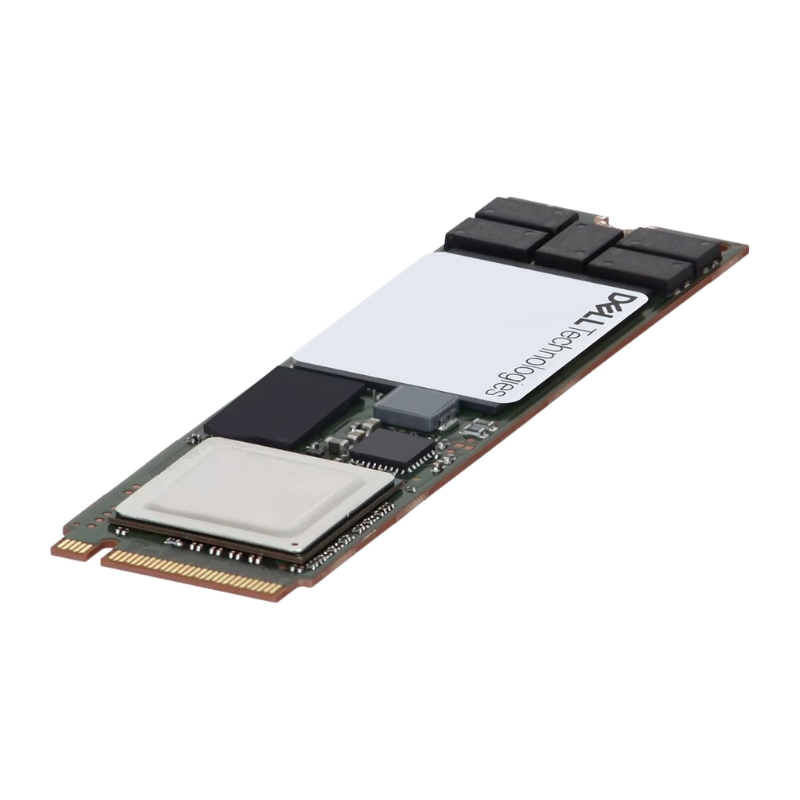


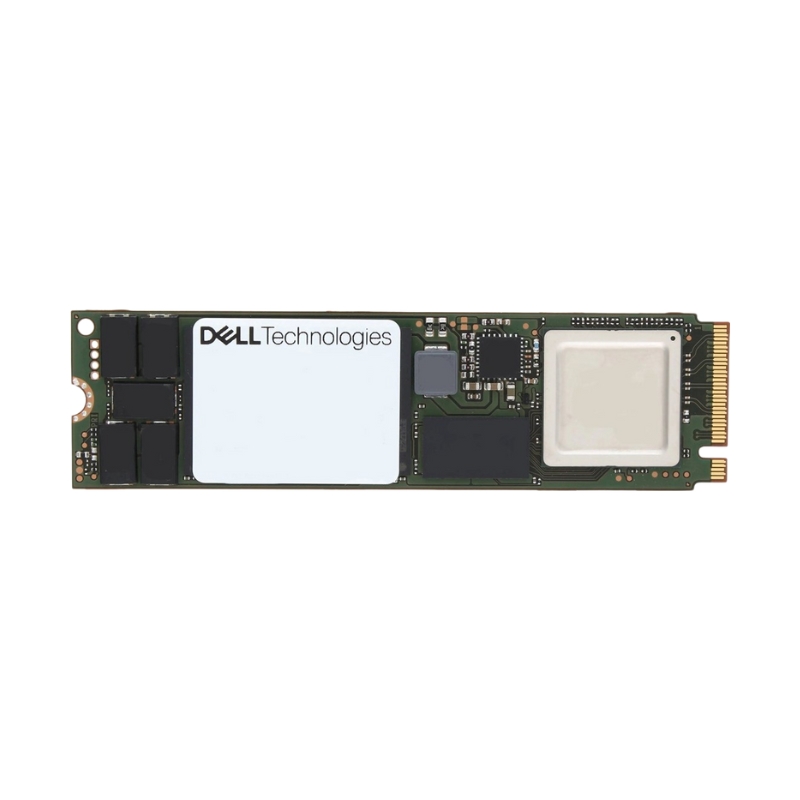
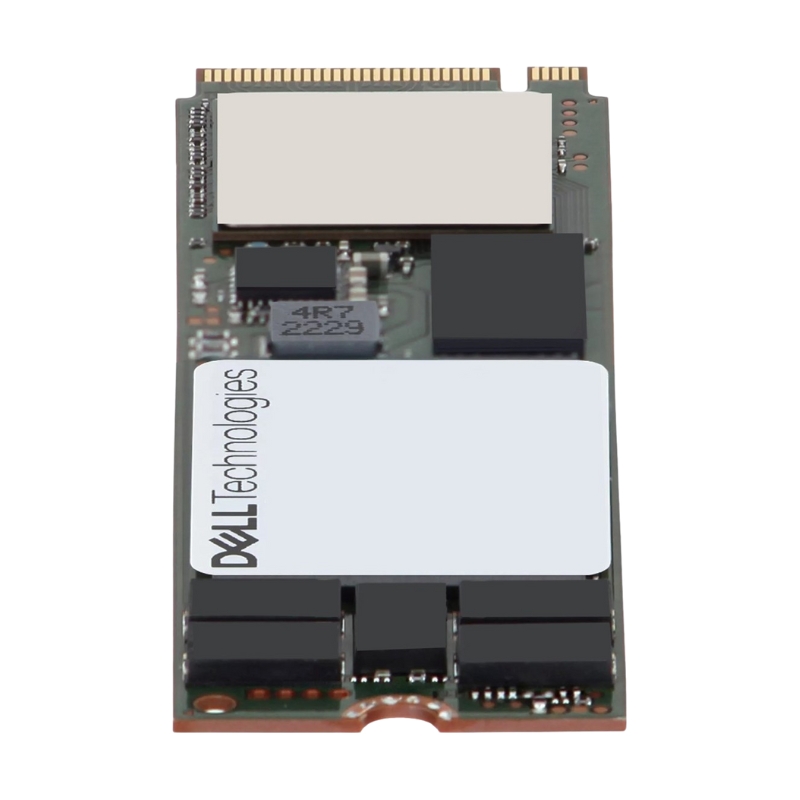
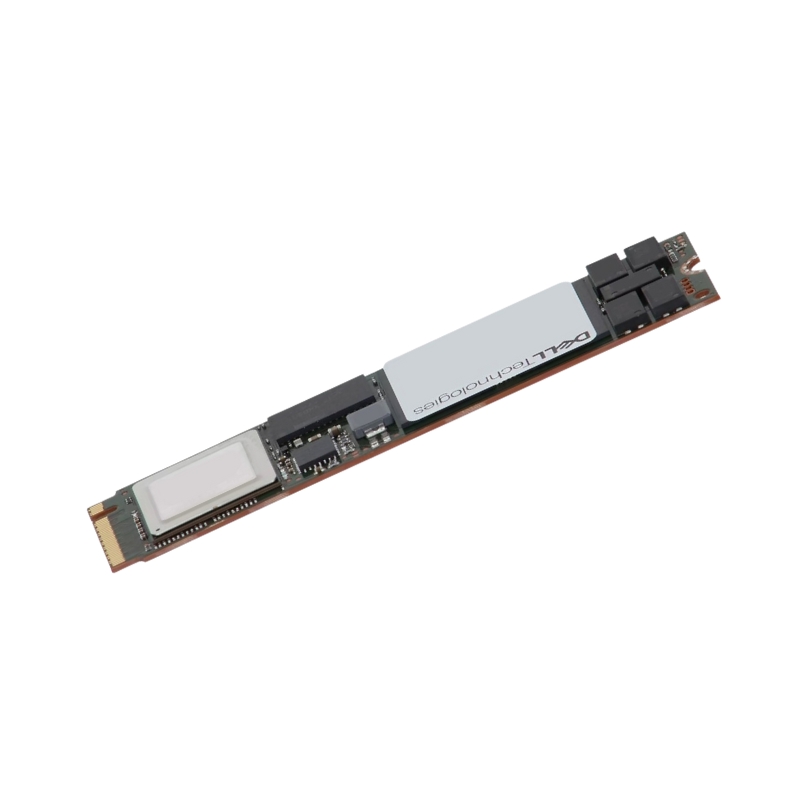
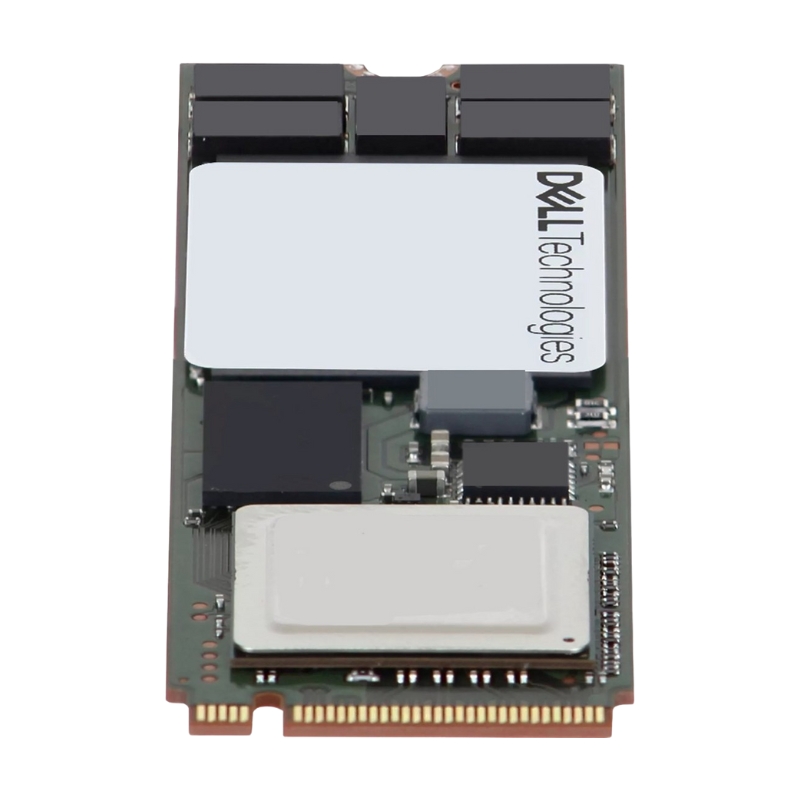
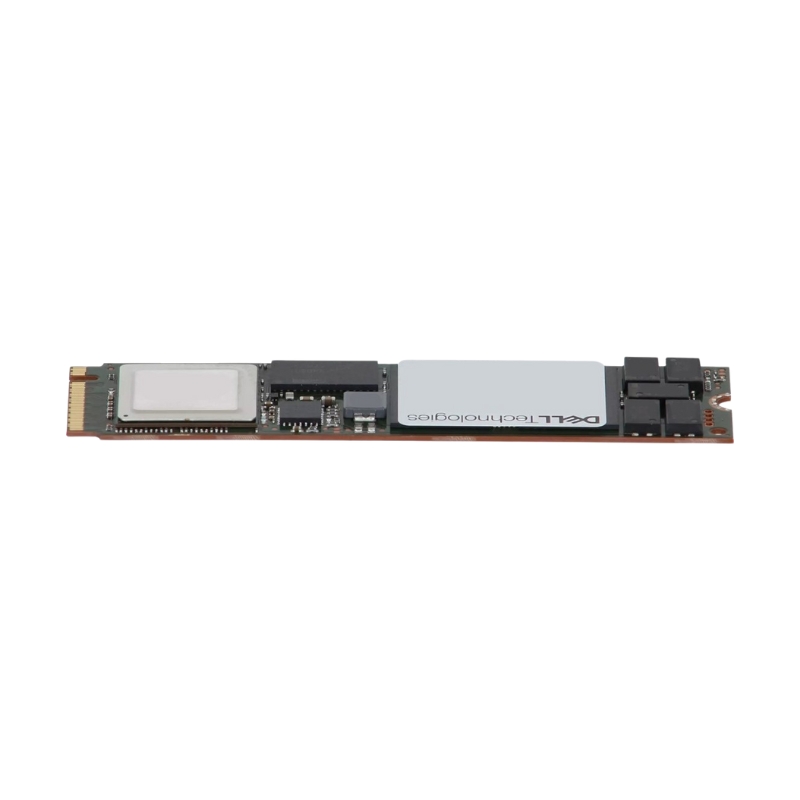
Dell VDVKG 960GB NVMe M.2 2280 PCIE Gen4 Read Intensive TLC Solid State Drive. Excellent Refurbished with 1 year Replacement Warranty
The Dell VDVKG 960GB NVMe M.2 2280 PCIe Gen4 Solid State Drive is engineered for high-speed data access, enterprise storage efficiency, and dependable performance. Built with advanced 3D TLC NAND flash technology, this read-intensive SSD delivers rapid boot times, enhanced multitasking, and reliable data management for modern servers and workstations.
The Dell VDVKG 960GB NVMe M.2 2280 PCIe Gen4 Read Intensive TLC Solid State Drive is engineered to deliver exceptional storage efficiency, rapid data throughput, and enterprise-grade reliability for modern computing infrastructures. Built with advanced TLC NAND flash technology and optimized for read-intensive workloads, this SSD category has become increasingly important for organizations seeking low-latency data access, scalable storage performance, and dependable endurance across servers, workstations, virtualization environments, and cloud computing platforms. The combination of PCIe Gen4 bandwidth, NVMe architecture, and compact M.2 2280 form factor enables faster system responsiveness and improved operational efficiency compared to legacy SATA-based solid-state drives and traditional spinning hard disk drives.
As enterprise applications continue to demand higher IOPS performance and lower response times, the Dell VDVKG 960GB NVMe SSD category addresses critical storage bottlenecks in modern IT ecosystems. Businesses operating database servers, virtualization clusters, content delivery networks, software-defined infrastructure, and analytics platforms benefit significantly from the high-speed data handling capabilities of NVMe Gen4 technology. The SSD is designed to support continuous workloads while maintaining consistent performance under heavy operational pressure.
PCIe Gen4 technology significantly improves bandwidth efficiency over previous PCIe generations. The Dell VDVKG 960GB NVMe SSD leverages PCIe Gen4 lanes to deliver faster sequential read and write operations, enabling quicker application launches, reduced boot times, and accelerated data transfers. NVMe protocol architecture minimizes latency by streamlining communication between the SSD and the CPU, creating a more direct and efficient storage pathway.
Traditional SATA SSDs are limited by older interface standards that restrict maximum throughput. NVMe SSDs eliminate many of these limitations through parallel command queues and optimized storage processing. The Dell VDVKG category is specifically tailored for environments where high transaction volumes and fast data retrieval are essential for maintaining productivity and system responsiveness.
PCIe Gen4 also enables superior scalability within enterprise systems. Organizations deploying virtualization hosts or software-defined storage arrays benefit from improved bandwidth allocation and reduced congestion during concurrent workload execution. The advanced architecture allows storage administrators to optimize server performance while maintaining lower power consumption compared to mechanical storage alternatives.
The read intensive classification of the Dell VDVKG 960GB SSD indicates that the drive is optimized primarily for environments where data is frequently accessed and read rather than constantly overwritten. This design approach makes the drive ideal for web hosting environments, content delivery systems, analytics platforms, virtual desktop infrastructure deployments, and archival systems requiring rapid access to stored data.
Read-intensive SSDs are carefully engineered to maximize performance consistency and endurance for workloads with lower write amplification. Organizations managing streaming applications, reporting platforms, online transaction systems, and large-scale search indexing operations often deploy read-intensive NVMe SSDs to reduce latency and improve overall user experiences.
The TLC NAND flash memory used in this SSD category offers an effective balance between storage density, cost efficiency, and operational reliability. Triple-Level Cell architecture stores more data per memory cell, allowing enterprises to achieve greater storage capacity within compact hardware configurations. Modern controller technologies and wear-leveling algorithms ensure that TLC-based enterprise SSDs maintain stability and endurance under demanding workloads.
The M.2 2280 form factor has become a preferred storage solution in modern server and workstation environments due to its compact dimensions and streamlined installation capabilities. Measuring 22mm wide and 80mm long, the Dell VDVKG SSD integrates seamlessly into compatible systems while minimizing physical space requirements.
Compact storage solutions are increasingly important in dense computing environments where maximizing hardware efficiency is essential. Data centers and enterprise rack deployments often require storage devices that consume minimal space while delivering maximum performance. The M.2 design allows organizations to deploy multiple high-speed drives within limited chassis dimensions, improving storage density without compromising airflow or thermal management.
The lightweight design also contributes to lower power usage and simplified cable management compared to traditional storage devices. Reduced cabling complexity enhances airflow efficiency inside server enclosures, helping maintain optimal thermal conditions for processors, memory modules, and networking components.
The Dell VDVKG 960GB NVMe SSD category is frequently utilized in Dell PowerEdge server environments and enterprise-grade workstation platforms. Compatibility with enterprise hardware ensures stable firmware integration, optimized system communication, and reliable operational monitoring. Businesses deploying Dell-certified storage solutions often benefit from validated interoperability and enhanced lifecycle management capabilities.
Enterprise SSD compatibility is especially important in mission-critical deployments where hardware inconsistencies can lead to downtime or reduced performance. Certified NVMe SSDs are typically tested extensively for thermal stability, sustained throughput, power efficiency, and controller reliability across multiple workload conditions.
Modern servers running virtualization hypervisors, cloud orchestration software, or high-availability applications require storage devices capable of delivering predictable latency under sustained operational stress. The Dell VDVKG category supports these requirements through enterprise-focused engineering and firmware optimization.
Data center modernization initiatives increasingly involve replacing legacy SATA SSDs and hard drives with NVMe Gen4 storage infrastructure. The Dell VDVKG 960GB SSD contributes to this transformation by enabling faster data access, reduced application response times, and improved storage scalability.
Organizations modernizing data centers often seek storage technologies that can handle AI-driven analytics, machine learning workloads, virtualization density growth, and cloud-native application architectures. NVMe SSDs provide the performance foundation needed to support these advanced computational environments.
Storage modernization also improves energy efficiency. Mechanical drives require moving parts and consume more power during continuous operation. NVMe SSDs reduce energy usage while generating less heat, allowing facilities to optimize cooling requirements and reduce operational costs over time.
Performance remains one of the defining strengths of the Dell VDVKG category. PCIe Gen4 NVMe technology enables extremely high sequential read throughput, making the drive highly suitable for workloads requiring rapid access to large datasets. Applications involving virtualization images, enterprise databases, multimedia processing, and cloud storage systems can benefit significantly from reduced latency and improved responsiveness.
Input/output operations per second play a major role in enterprise storage performance evaluation. NVMe SSDs support substantially higher IOPS capabilities than SATA-based alternatives, enabling systems to process more simultaneous requests with lower delay. This advantage becomes especially valuable in environments supporting multiple virtual machines or concurrent user sessions.
Low latency also contributes to improved application stability. Faster storage communication reduces waiting times for CPU processing tasks, helping maintain smoother computational workflows. High-frequency transactional systems, online service platforms, and enterprise resource planning environments rely heavily on this level of storage responsiveness.
Sequential read performance is essential for workloads involving large file transfers, multimedia streaming, backup retrieval, and analytics processing. The Dell VDVKG category supports efficient sequential data access, allowing organizations to improve transfer speeds and reduce workflow interruptions.
Random read performance is equally important for transactional environments and virtualization infrastructures. Applications frequently accessing fragmented data blocks require storage systems capable of delivering consistent low-latency operations. NVMe architecture enables rapid handling of random read requests, supporting smoother multitasking and improved user experiences.
Database systems particularly benefit from high random read performance. Query execution times can be reduced significantly when storage devices provide rapid retrieval of indexed records and frequently accessed data tables. This improvement enhances operational efficiency across financial services, healthcare systems, retail platforms, and enterprise analytics environments.
Triple-Level Cell NAND technology has evolved significantly in recent years, becoming a reliable enterprise storage solution for read-intensive environments. The Dell VDVKG 960GB SSD uses advanced TLC flash memory optimized through sophisticated firmware algorithms, wear-leveling technologies, and error correction mechanisms.
Enterprise SSD reliability depends on more than raw hardware specifications. Firmware intelligence plays a critical role in maintaining data integrity and ensuring stable performance over long operational cycles. Advanced controllers manage garbage collection, thermal regulation, and write optimization to extend drive lifespan and maintain consistent throughput.
Error correction technologies are especially important in enterprise environments handling sensitive business data. ECC algorithms help detect and correct data inconsistencies before they impact applications or system stability. This contributes to greater operational confidence in mission-critical deployments.
Wear leveling algorithms distribute write operations evenly across NAND cells, helping prevent premature degradation in heavily utilized storage areas. The Dell VDVKG category incorporates enterprise-grade endurance management to support sustained operational reliability.
Read-intensive SSDs are specifically engineered for workloads where write cycles remain relatively moderate compared to data retrieval operations. This optimization helps maximize usable lifespan while maintaining strong performance characteristics throughout the drive’s service period.
Predictive monitoring technologies also support proactive maintenance planning. Enterprise environments often utilize SMART monitoring and storage analytics tools to evaluate SSD health metrics, temperature conditions, and endurance consumption trends. These insights help IT administrators prevent unexpected downtime and optimize replacement schedules.
Thermal management remains a critical factor in enterprise SSD performance. High-speed NVMe drives generate heat during intensive workloads, making efficient thermal regulation essential for maintaining stable operation. The Dell VDVKG category is designed to operate within enterprise thermal tolerances while sustaining consistent performance.
Efficient thermal characteristics improve long-term reliability and reduce the likelihood of throttling during demanding operations. Data center environments benefit from SSDs capable of maintaining performance stability under continuous load conditions.
Lower power consumption compared to mechanical drives also contributes to improved sustainability objectives. Organizations seeking greener IT infrastructure deployments often prioritize SSD-based storage modernization due to reduced energy requirements and improved operational efficiency.
Virtualization environments place significant demands on storage infrastructure due to simultaneous workloads generated by multiple virtual machines. The Dell VDVKG 960GB NVMe SSD category supports virtualization performance by delivering high IOPS capabilities, low latency, and fast sequential throughput.
Cloud computing infrastructures similarly rely on scalable and responsive storage systems to support distributed workloads and dynamic resource allocation. NVMe SSDs improve storage responsiveness for cloud-native applications, software-defined networking environments, and containerized deployment architectures.
Virtual desktop infrastructure platforms benefit particularly from read-intensive SSD optimization. User profile loading, application streaming, and desktop image access require rapid storage performance to maintain smooth remote computing experiences.
Enterprise databases generate frequent storage transactions involving indexing, querying, caching, and reporting operations. NVMe SSD technology significantly improves database responsiveness by reducing storage latency and accelerating random read access.
Analytics platforms processing large datasets also benefit from faster data retrieval speeds. Business intelligence systems, machine learning workflows, and real-time analytics environments rely heavily on rapid access to structured and unstructured data repositories.
Financial institutions, healthcare organizations, and e-commerce platforms often deploy NVMe SSDs to support high-frequency transactional processing. Faster storage communication improves application responsiveness and enhances customer experiences across digital services.
Enterprise storage security is increasingly important as organizations manage growing volumes of sensitive information. SSD categories like the Dell VDVKG often integrate advanced firmware-level protections and data integrity technologies to help safeguard stored information.
Data integrity mechanisms ensure accurate storage and retrieval processes while minimizing risks associated with corruption or transmission errors. Enterprise SSDs frequently incorporate power-loss protection technologies, secure erase capabilities, and advanced encryption compatibility.
Secure data handling is especially important for industries operating under regulatory compliance standards such as healthcare, finance, and government sectors. Reliable enterprise storage contributes to compliance readiness and improved risk management practices.
Modern organizations require storage infrastructure capable of adapting to evolving workloads and increasing data volumes. The Dell VDVKG 960GB NVMe SSD category provides a scalable foundation for enterprise growth by supporting high-performance storage architectures that can evolve alongside business requirements.
PCIe Gen4 technology offers greater bandwidth potential for future application demands. As software platforms continue to become more data-intensive, organizations benefit from storage systems capable of sustaining higher throughput and lower latency over time.
Scalable NVMe deployments are particularly valuable in hybrid cloud environments where local infrastructure must integrate seamlessly with remote computing resources. High-speed enterprise SSDs enable smoother synchronization, replication, and distributed workload management across complex IT ecosystems.
Edge computing environments increasingly rely on compact and efficient NVMe SSD solutions to process data closer to users and connected devices. The Dell VDVKG category supports edge deployments by combining space-efficient M.2 architecture with enterprise-grade performance characteristics.
Distributed infrastructure environments handling IoT analytics, remote monitoring, and localized application hosting require responsive storage capable of supporting real-time data processing. NVMe SSDs help reduce latency and improve responsiveness in decentralized computing architectures.
Retail locations, industrial facilities, healthcare institutions, and telecommunications networks can all benefit from deploying enterprise NVMe SSDs within edge computing systems.


 Contact Us
 Information
 Catalog
 Solid State Drives (SSD)
 Network Switches
 Hard Disk Drives
 HBA & Controllers
 PC & Servers
 PC & Server Memory
 CPU & Processors
 Network Routers
 Power Supplies
 Tape Drives & Libraries
 Network Devices
 Computer & Network Cables