(7% discount is applied at checkout)
Cart is empty
Your go-to destination for cutting-edge server products
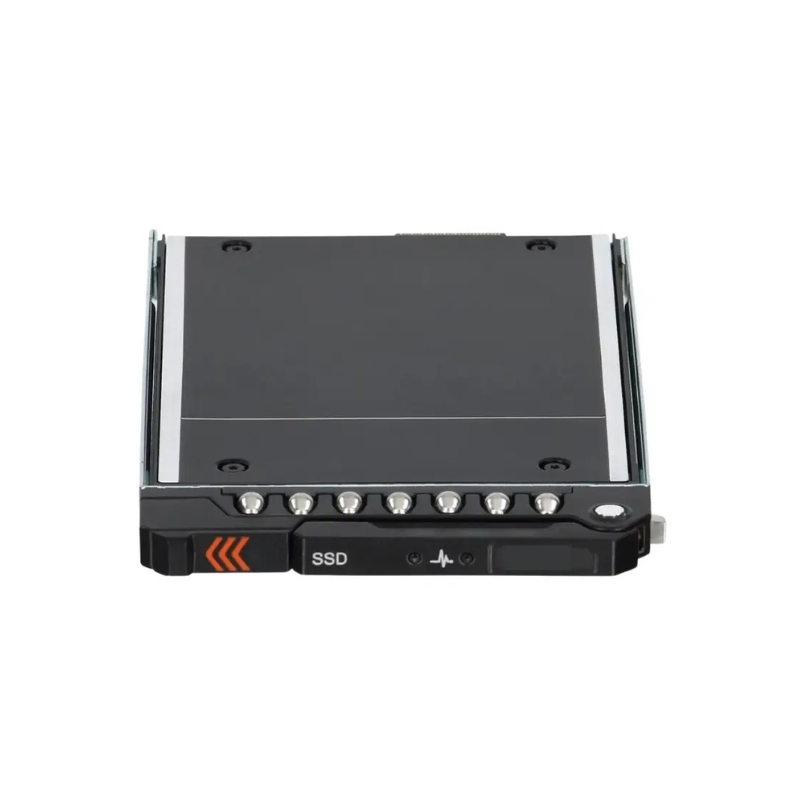


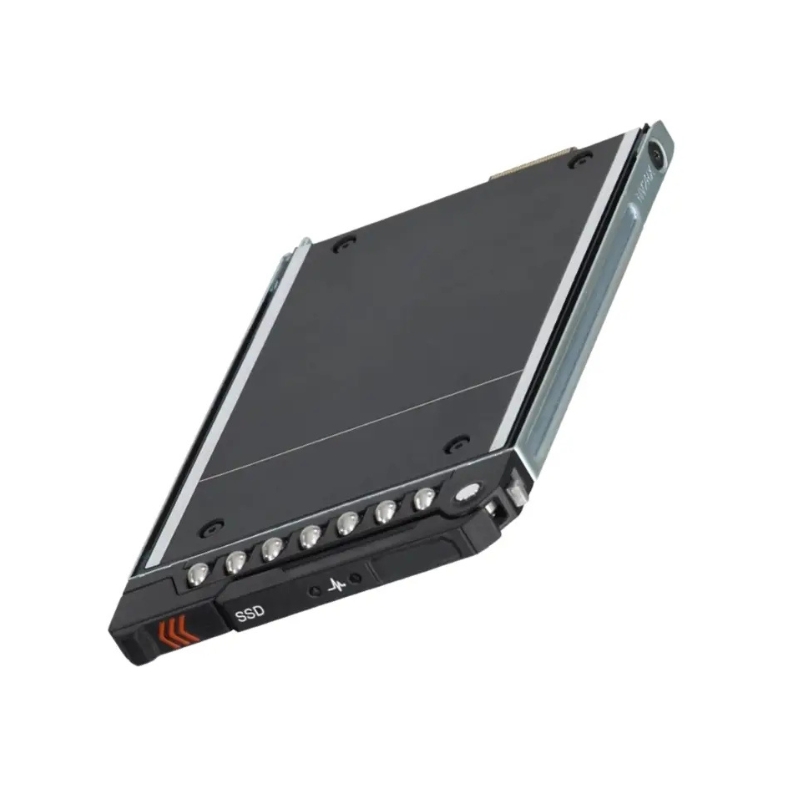
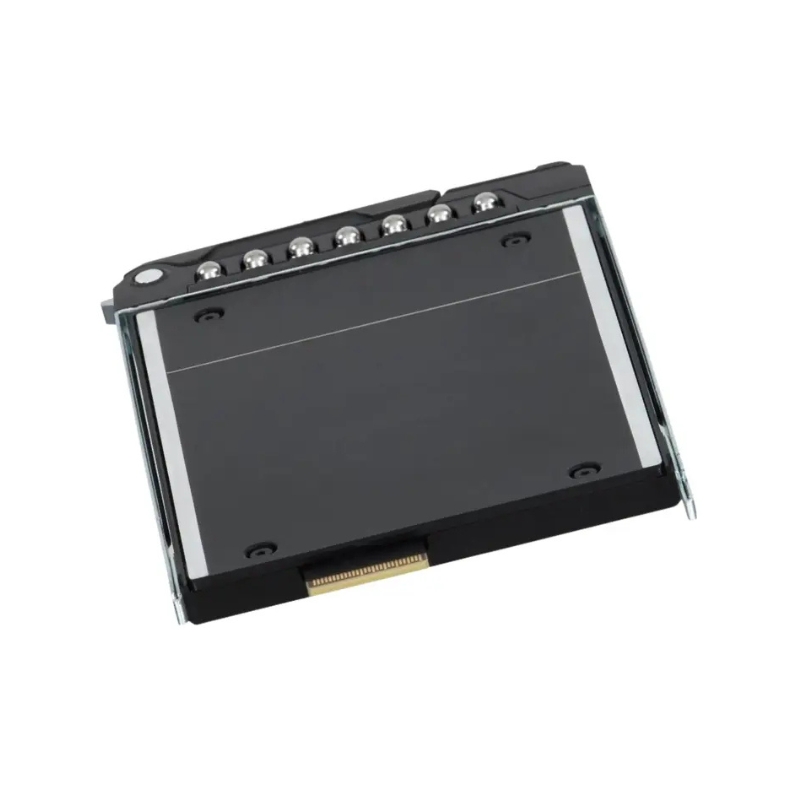
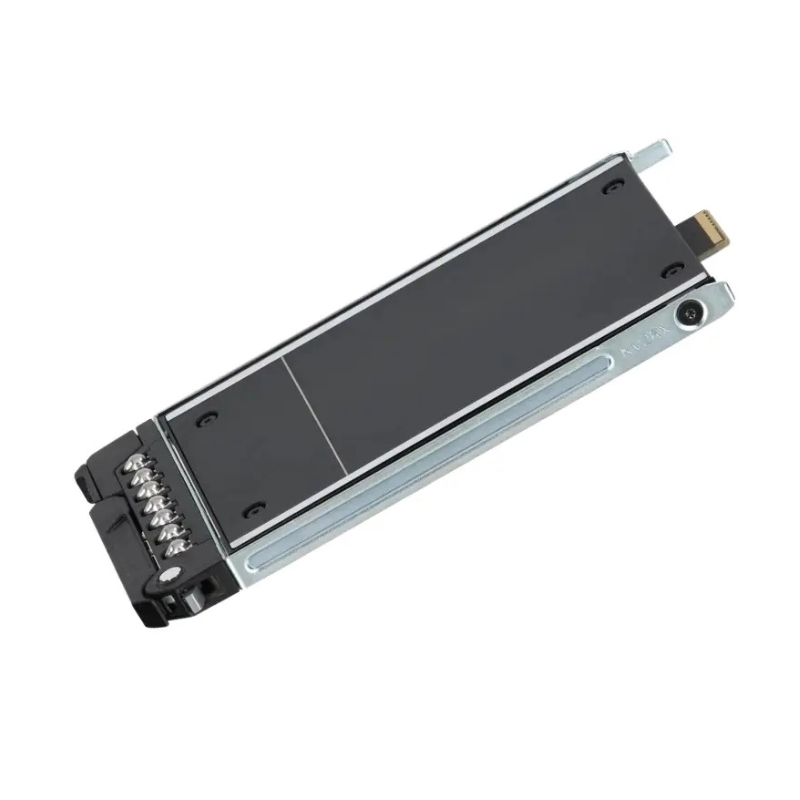
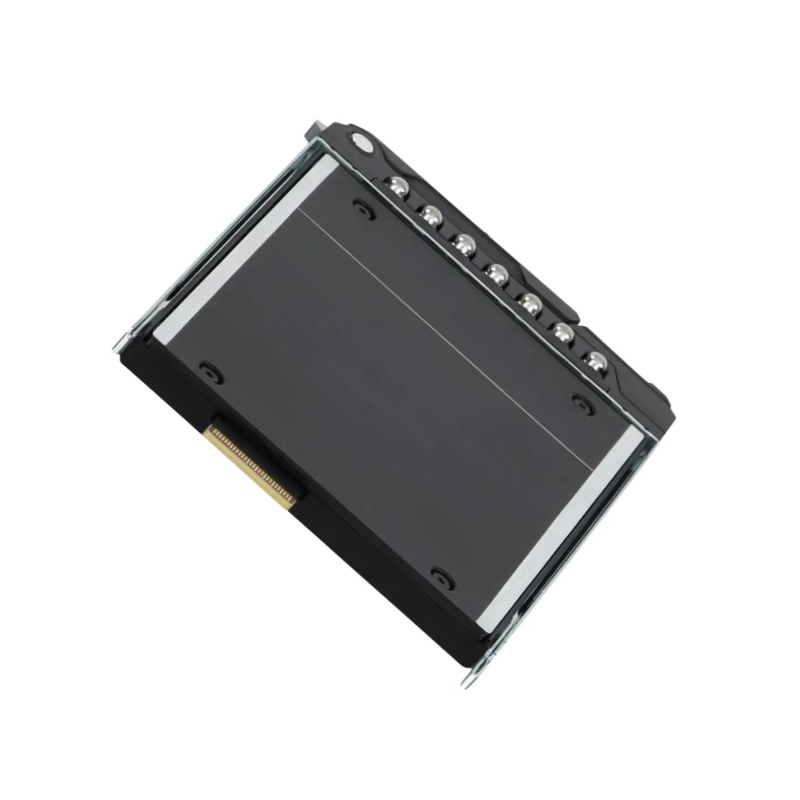
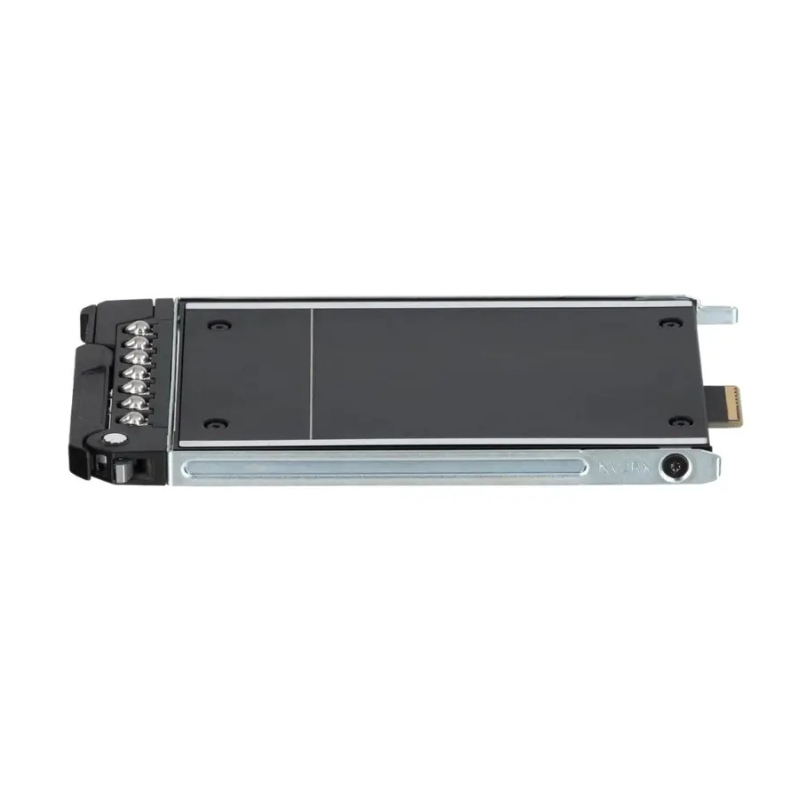
Dell 345-BMNH 1.92TB Read Intensive PCIE Gen5.0 NVME TLC 2.5Inch EDSSF E3.S SSD. New Sealed in Box (NIB) with 1 Year Replacement Warranty
The Dell 345-BMNH 1.92TB PCIE Gen 5.0 x4 NVME E3.S 2.5-inch Read Intensive TLC Enterprise SSD is a next-generation storage solution designed for high-performance data center workloads. Built for modern infrastructure demands, this solid state drive delivers ultra-fast throughput, exceptional endurance, and scalable efficiency for enterprise environments running Dell PowerEdge 16th and 17th generation servers.
The
With a storage capacity of 1.92TB, the Dell 345-BMNH SSD offers a balanced configuration suitable for mid-to-large scale enterprise environments. This capacity level is ideal for organizations that require substantial storage density without compromising performance efficiency or rack space optimization. In distributed computing environments, capacity planning is essential for maintaining workload efficiency. The 1.92TB configuration provides sufficient space for large datasets while allowing horizontal scaling across multiple nodes within PowerEdge server clusters. This ensures that storage expansion can occur seamlessly without disrupting existing workloads or requiring extensive system redesign.
Advanced Read Intensive SSD
Read-intensive SSDs are specifically engineered to prioritize read operations over write-heavy endurance cycles. The architecture of this SSD is optimized for environments where data is frequently accessed, queried, and processed rather than constantly rewritten. Such workloads are common in content delivery networks, virtualization hosts, data analytics platforms, and large-scale enterprise applications. The read-intensive configuration ensures a balanced combination of performance efficiency and cost-effectiveness, making it ideal for organizations that require consistent high-speed data access without the overhead of write-intensive endurance requirements.
PCIE Gen5.0 NVME Interface
PCIE Gen5.0 introduces a major improvement in data transfer capability, effectively doubling the bandwidth of PCIE Gen4. This enhancement enables significantly higher input/output operations per second (IOPS), allowing servers to handle massive parallel workloads without congestion. In modern enterprise environments, storage bandwidth directly influences application performance. Whether running distributed databases or containerized microservices, the increased throughput ensures faster response times and improved system scalability.
The E3.S and EDSSF form factor represents a modern shift in enterprise SSD physical design, focusing on density, airflow optimization, and thermal efficiency. Unlike traditional 2.5-inch U.2 drives, E3.S designs allow for higher storage density within server chassis while improving cooling performance. This form factor is particularly beneficial in hyperscale data centers where rack space optimization is a critical consideration. It allows server manufacturers to integrate more drives per node, thereby increasing overall storage capacity without expanding physical infrastructure.
TLC (Triple-Level Cell) NAND technology stores three bits of data per cell, striking a balance between performance, endurance, and cost efficiency. This makes it ideal for read-intensive enterprise applications where data is accessed frequently but not rewritten at the same intensity. The use of TLC NAND ensures that the SSD can maintain high-density storage while delivering consistent performance metrics required in enterprise-grade systems.
This SSD is engineered for compatibility with Dell PowerEdge server ecosystems and other enterprise-grade infrastructure platforms. Its E3.S form factor and NVME interface allow seamless integration into modern server backplanes designed for high-density storage configurations. Enterprise IT administrators benefit from simplified deployment processes, standardized firmware management, and predictable performance behavior across server clusters.
The compact nature of the E3.S form factor allows data centers to deploy a greater number of drives within a limited physical space. This enhances total storage capacity without requiring additional infrastructure expansion, making it ideal for scalable enterprise deployments.
The E3.S form factor allows for hot-swappable deployment in compatible Dell PowerEdge server systems, enabling seamless maintenance and upgrades without system downtime. This feature is essential in enterprise environments where continuous uptime is critical for operational continuity.


 Contact Us
 Information
 Catalog
 Solid State Drives (SSD)
 Network Switches
 Hard Disk Drives
 HBA & Controllers
 PC & Servers
 PC & Server Memory
 CPU & Processors
 Network Routers
 Power Supplies
 Tape Drives & Libraries
 Network Devices
 Computer & Network Cables