(7% discount is applied at checkout)
Cart is empty
Your go-to destination for cutting-edge server products
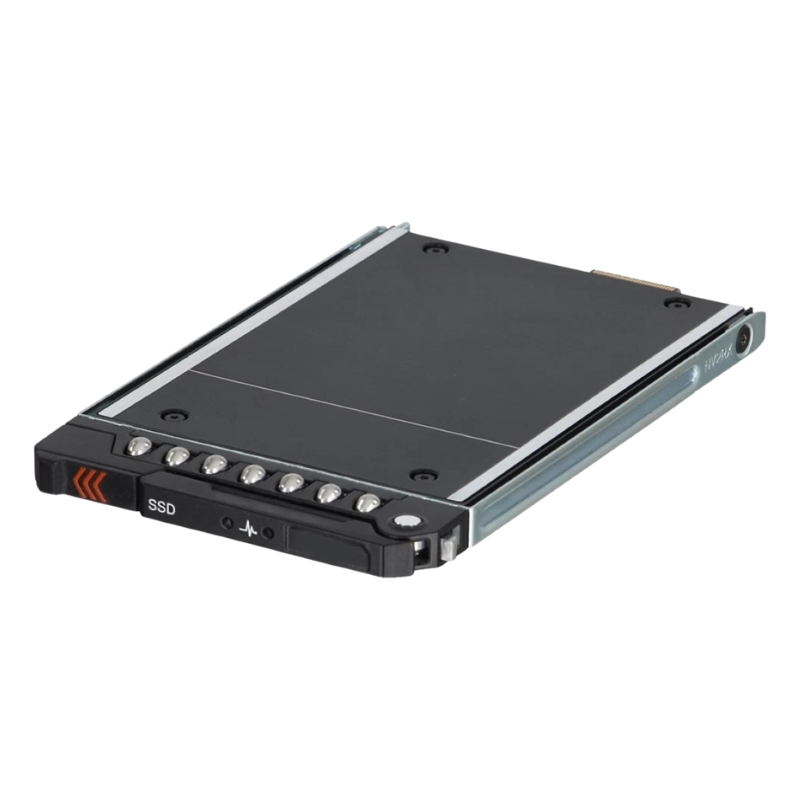


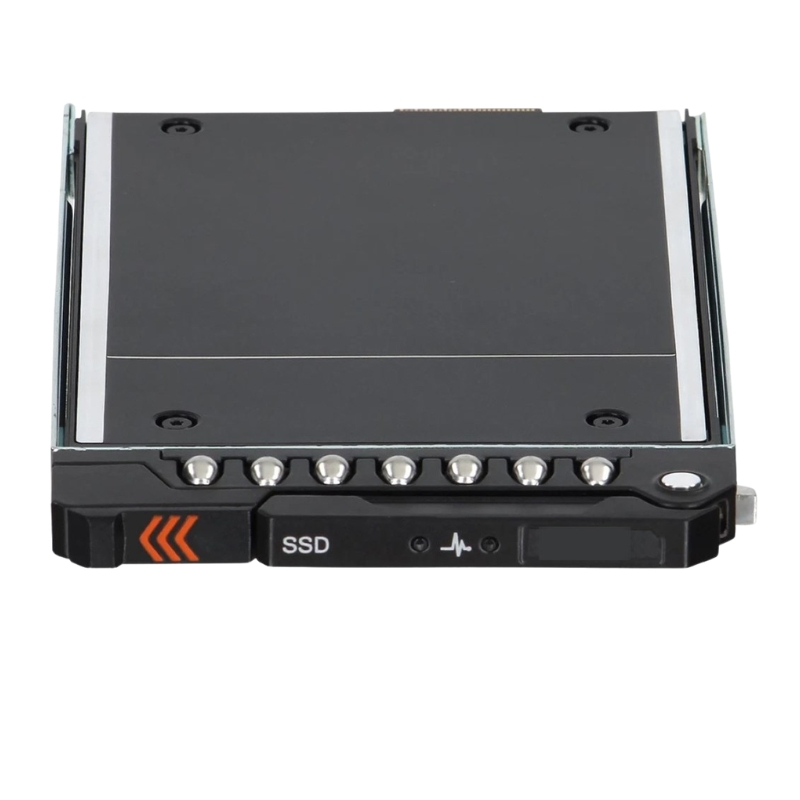
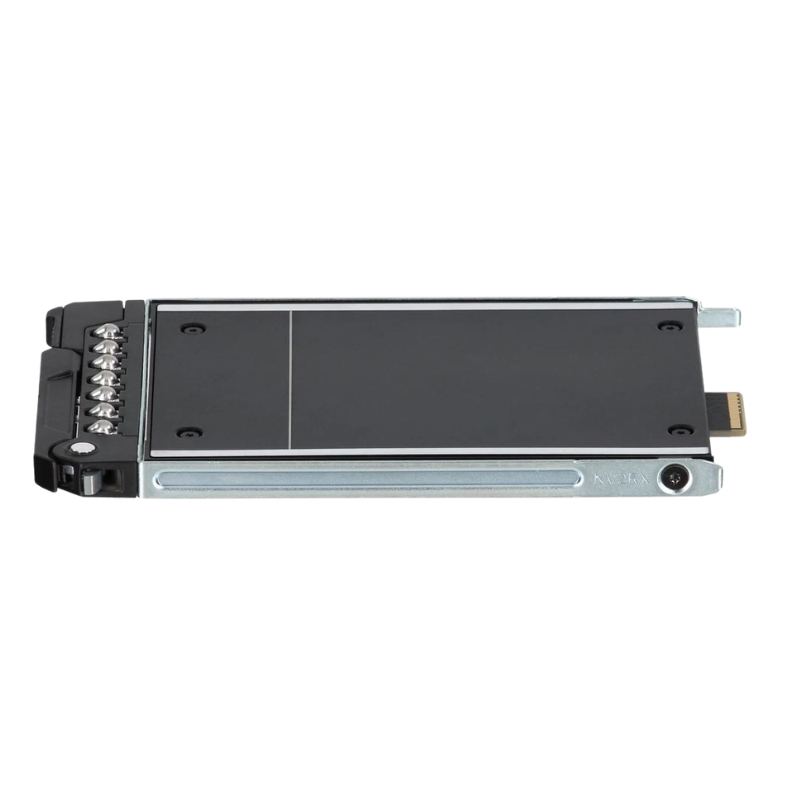
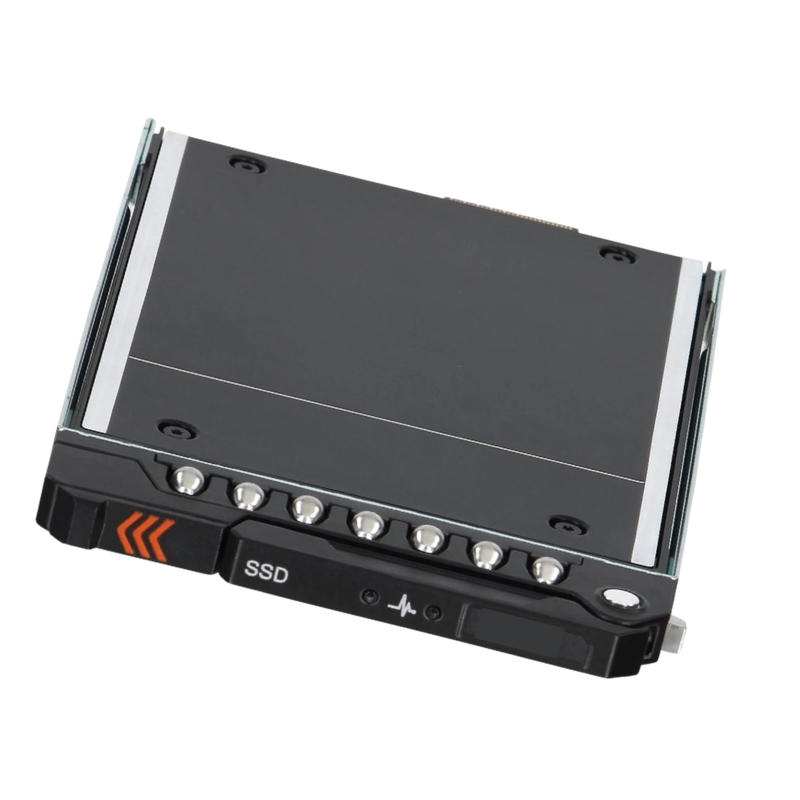
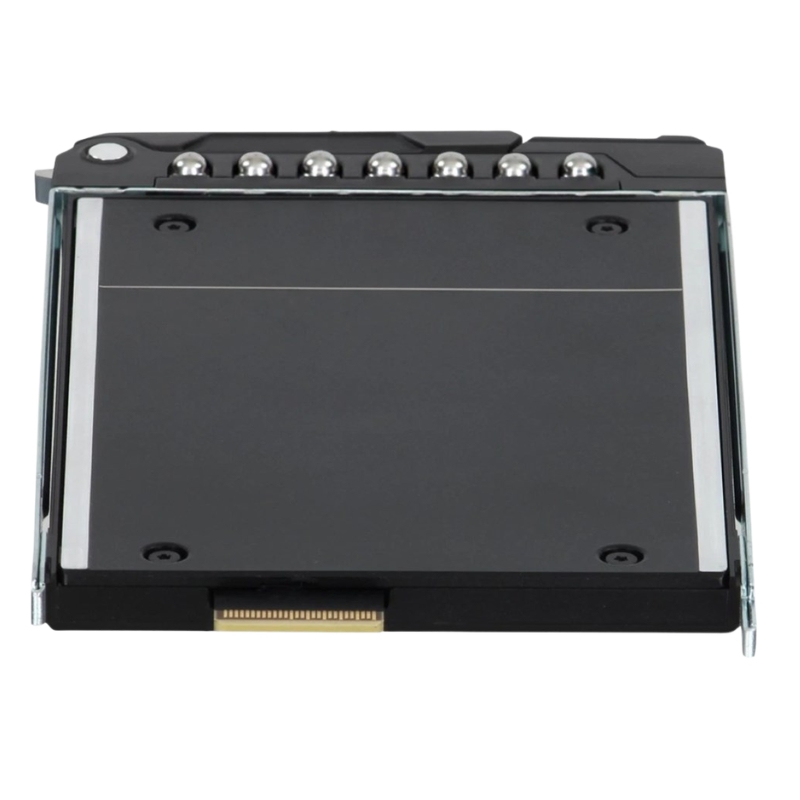
Dell WHF98 1.92TB NVMe E3.S 2.5 Inch PCI E Gen 5.0 Read Intensive TLC Solid State Drive With Tray. New Sealed in Box (NIB) with 1 year Replacement Warranty
| SKU/MPN | Warranty | Price | Condition | You save |
|---|---|---|---|---|
| WHF98 | 1 Year Warranty | $1,615.00 | Excellent Refurbished | You save: $565.25 (26%) |
| WHF98 | 1 Year Warranty | $2,460.00 | New Sealed in Box (NIB) | You save: $861.00 (26%) |
The Dell WHF98 1.92TB Read Intensive Solid State Drive is engineered for enterprise-grade servers and high-performance data center environments. Built with advanced PCIe Gen 5.0 technology and NVMe 1.4 interface support, this E3.S SSD delivers exceptional speed, reliability, and storage efficiency for demanding workloads.
The Dell WHF98 1.92TB NVMe E3.S 2.5 Inch PCI E Gen 5.0 Read Intensive TLC Solid State Drive With Tray is engineered for enterprise-grade data center workloads that demand exceptional speed, reliability, scalability, and operational efficiency. Built around advanced PCI Express Gen 5.0 architecture, this Dell enterprise SSD delivers significantly improved throughput, reduced latency, and consistent performance across demanding server and storage environments. Organizations deploying high-density virtualization, cloud-native applications, software-defined storage, database acceleration, AI inference workloads, and read-intensive transactional environments benefit from the advanced design and optimized endurance profile of this storage solution.
As enterprise infrastructures continue evolving toward faster compute frameworks and higher data processing demands, modern servers require storage devices capable of keeping pace with high-core-count processors and advanced networking technologies. The Dell WHF98 NVMe SSD addresses these requirements by combining PCIe Gen 5.0 bandwidth capabilities with enterprise TLC NAND technology and the efficient E3.S form factor. This results in a storage platform that supports improved airflow, enhanced thermal performance, lower latency communication, and optimized rack-level density within modern data centers.
PCIe Gen 5.0 technology represents a major advancement in enterprise storage performance, offering substantially higher bandwidth compared to previous generations. The Dell WHF98 1.92TB NVMe SSD utilizes this next-generation interface to deliver accelerated data access, rapid response times, and improved parallel processing efficiency for mission-critical business operations. In environments where data-intensive workloads continuously interact with storage infrastructure, the increased throughput of PCIe Gen 5.0 helps minimize bottlenecks and maximize application responsiveness.
High-frequency transactional systems, analytics platforms, machine learning frameworks, and virtualized environments rely heavily on rapid storage communication. By leveraging NVMe architecture over PCIe Gen 5.0, this Dell enterprise SSD reduces protocol overhead while enabling direct communication between the storage device and CPU. This optimization improves IOPS performance, lowers latency, and increases operational consistency even under demanding workloads.
The E3.S form factor is becoming increasingly important in next-generation server infrastructure because it provides improved thermal efficiency, enhanced serviceability, and higher storage density. Dell integrates the WHF98 SSD within this enterprise-oriented form factor to help data centers optimize airflow management while supporting compact high-performance server architectures.
Unlike older storage form factors that may struggle with thermal constraints in dense rack deployments, E3.S enables improved cooling pathways and efficient heat dissipation. This contributes to more stable operational conditions, reduced thermal throttling risks, and enhanced long-term reliability. Data centers deploying high-density compute environments benefit significantly from the improved thermal characteristics of E3.S storage technology.
Modern enterprise data centers require storage solutions capable of maximizing rack utilization without sacrificing performance or reliability. The compact E3.S design enables organizations to deploy larger numbers of high-speed NVMe drives within limited physical space. This improved density helps support scalable infrastructure expansion while maintaining manageable power and cooling requirements.
For enterprises planning large-scale server consolidation, hyperconverged infrastructure deployment, or cloud platform growth, the Dell WHF98 SSD provides a practical balance between capacity, physical footprint, and high-performance storage delivery. The form factor also simplifies maintenance and component replacement processes within enterprise rack environments.
The Dell WHF98 1.92TB SSD utilizes Triple-Level Cell NAND flash memory optimized for read-intensive enterprise workloads. TLC NAND technology provides a highly efficient balance of storage density, affordability, and enterprise performance, making it ideal for applications where read operations significantly outnumber write cycles.
Enterprise organizations often deploy read-intensive SSDs in workloads involving content distribution, virtual desktop infrastructure, database querying, web hosting, analytics retrieval, and boot optimization. These environments prioritize fast access to frequently requested information rather than constant heavy write activity. The Dell WHF98 SSD addresses these operational requirements while maintaining enterprise-class reliability standards.
NVMe technology has transformed enterprise storage performance by enabling highly efficient communication between storage devices and processing resources. The Dell WHF98 SSD uses NVMe architecture to reduce command overhead, increase queue depth capabilities, and improve simultaneous data processing efficiency.
Traditional storage protocols were not originally designed for modern flash storage technologies and often introduced unnecessary latency limitations. NVMe eliminates many of these inefficiencies, allowing enterprise SSDs to achieve dramatically improved responsiveness and throughput. The result is a storage solution capable of supporting modern workloads with exceptional efficiency.
Application responsiveness is critical for enterprise productivity and user satisfaction. The low-latency characteristics of the Dell WHF98 NVMe SSD enable rapid access to business-critical information, helping applications load faster and process requests more efficiently. In environments involving virtual machines, databases, analytics engines, or transactional systems, reduced latency contributes directly to smoother operational experiences.
Organizations operating high-demand customer platforms, cloud environments, or digital commerce infrastructures benefit from faster storage communication pathways and improved scalability. Reduced storage bottlenecks also support more efficient processor utilization and overall system optimization.
NVMe architecture supports multiple command queues and substantial parallel processing capacity. This design is especially important for enterprise workloads involving simultaneous user requests, distributed computing operations, and large-scale virtualization clusters. The Dell WHF98 SSD can efficiently handle complex storage operations while maintaining predictable performance behavior.
As enterprise environments increasingly rely on multi-core processors and parallel application frameworks, storage systems must support corresponding levels of concurrency. The advanced queue handling capabilities of this SSD help organizations maintain stable operations even during periods of intense workload activity.
Enterprise storage systems must maintain stable operation under continuous usage conditions. The Dell WHF98 SSD is engineered to support demanding operational environments where downtime can result in significant financial and productivity impacts. Reliability-focused engineering contributes to improved system uptime and reduced maintenance interruptions.
Features such as enterprise firmware optimization, advanced error correction technologies, wear management mechanisms, and consistent performance tuning help ensure stable long-term operation. These capabilities are particularly valuable in mission-critical enterprise environments where storage reliability directly affects business continuity.
Modern data centers require scalable storage solutions capable of supporting continuous infrastructure growth. The Dell WHF98 NVMe SSD provides a flexible foundation for expanding enterprise environments while maintaining high-speed performance characteristics. Organizations planning cloud expansion, virtualization scaling, or distributed infrastructure growth benefit from the scalability offered by PCIe Gen 5.0 enterprise storage.
Scalable storage architecture is essential for supporting future workload growth without introducing major redesign requirements. By adopting next-generation NVMe SSD technology, enterprises position their infrastructure for evolving computational demands and higher operational expectations.
Cloud service environments require storage systems capable of delivering low latency, high concurrency, and consistent throughput across large numbers of users and applications. The Dell WHF98 SSD supports these requirements through optimized NVMe communication and enterprise-grade reliability engineering.
Private cloud, hybrid cloud, and multi-tenant infrastructure deployments all benefit from accelerated storage performance and predictable operational behavior. Faster storage access contributes to improved virtual machine provisioning, enhanced application responsiveness, and better resource utilization across cloud environments.
Virtualized environments place significant pressure on storage infrastructure because multiple virtual machines often share the same physical resources simultaneously. The Dell WHF98 SSD is designed to support these demanding conditions by delivering rapid access times, efficient queue management, and stable throughput characteristics.
Hypervisors, virtual desktop infrastructure platforms, and containerized application environments benefit from the SSD’s ability to process concurrent operations efficiently. Reduced latency and improved read performance contribute to smoother workload consolidation and enhanced virtualization density.
Databases often require rapid access to frequently requested information and transactional records. The Dell WHF98 SSD supports accelerated query processing and efficient data retrieval for enterprise database systems. This contributes to reduced response times, improved analytics performance, and better scalability within transactional environments.
Organizations operating customer relationship management platforms, ERP systems, financial databases, and analytics warehouses can leverage NVMe storage performance to enhance operational efficiency and support larger concurrent workloads.
Digital content delivery systems require rapid access to media assets, website resources, and streaming content. The read-intensive optimization of the Dell WHF98 SSD makes it particularly effective for workloads involving frequent content retrieval and high-volume user access patterns.
Faster content delivery improves user engagement and reduces latency across web applications, streaming platforms, enterprise portals, and cloud-hosted services. Efficient storage access also contributes to improved scalability during traffic surges and high-demand operational periods.
Energy efficiency is an increasingly important consideration within modern data center design. High-performance storage solutions must balance operational speed with manageable power consumption to support sustainable infrastructure growth. The Dell WHF98 SSD incorporates efficient architecture principles that help organizations optimize energy utilization while maintaining enterprise performance standards.
Reduced power consumption contributes to lower operational expenses and improved thermal efficiency within dense server deployments. Efficient storage infrastructure also helps organizations meet sustainability initiatives and long-term operational planning objectives.
Efficient storage communication enables processors and applications to spend less time waiting for data retrieval operations. The advanced NVMe architecture of the Dell WHF98 SSD supports better utilization of computational resources and contributes to more balanced system performance.
As enterprise applications continue becoming more data-intensive, efficient resource utilization becomes essential for maximizing infrastructure investments. Faster storage pathways help organizations achieve better performance outcomes from existing hardware environments.
Enterprise storage environments must maintain high levels of data integrity and operational security. The Dell WHF98 NVMe SSD incorporates enterprise-focused reliability and integrity technologies designed to protect critical business information during continuous operational activity.
Data integrity mechanisms help minimize risks associated with corruption, unexpected interruptions, and storage errors. These protections are especially important in environments handling financial records, customer information, analytics datasets, and operational databases.
Enterprise technology environments evolve rapidly, making future-ready infrastructure investments increasingly valuable. The Dell WHF98 SSD supports modern and emerging server architectures through advanced PCIe Gen 5.0 connectivity and scalable enterprise design principles.
Organizations seeking long-term infrastructure viability can deploy this SSD within current enterprise environments while preparing for future computational growth and evolving workload demands. Its balance of performance, reliability, density, and operational efficiency makes it well-suited for modern enterprise storage strategies.


 Contact Us
 Information
 Catalog
 Solid State Drives (SSD)
 Network Switches
 Hard Disk Drives
 HBA & Controllers
 PC & Servers
 PC & Server Memory
 CPU & Processors
 Network Routers
 Power Supplies
 Tape Drives & Libraries
 Network Devices
 Computer & Network Cables