(7% discount is applied at checkout)
Cart is empty
Your go-to destination for cutting-edge server products
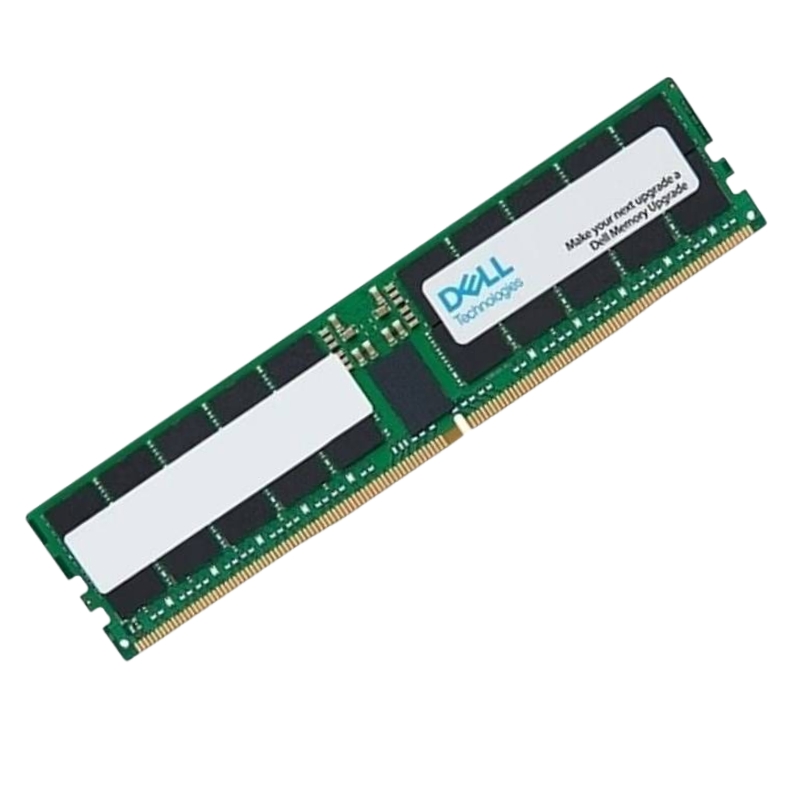


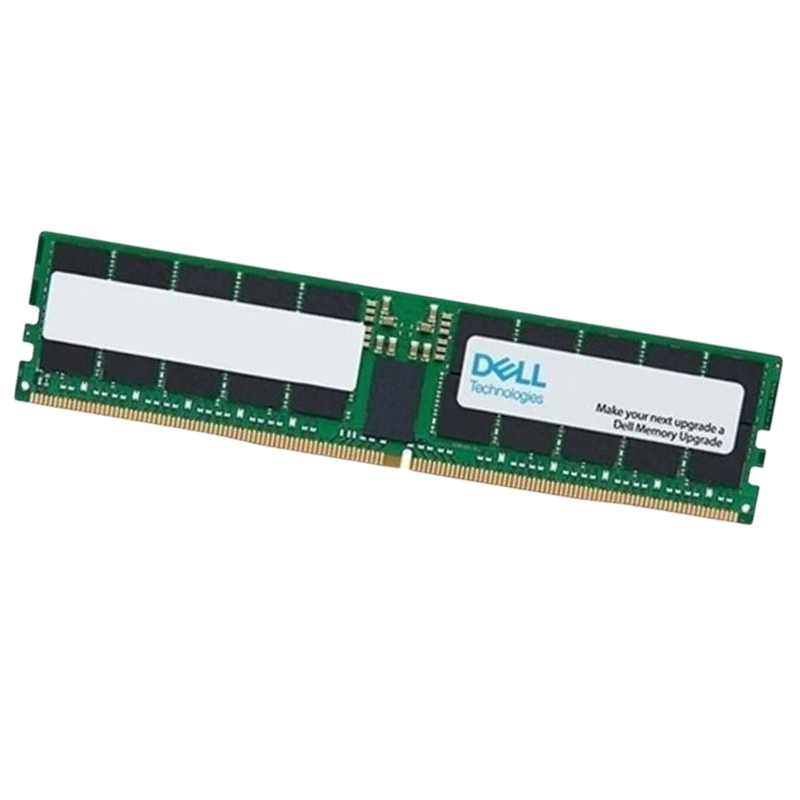
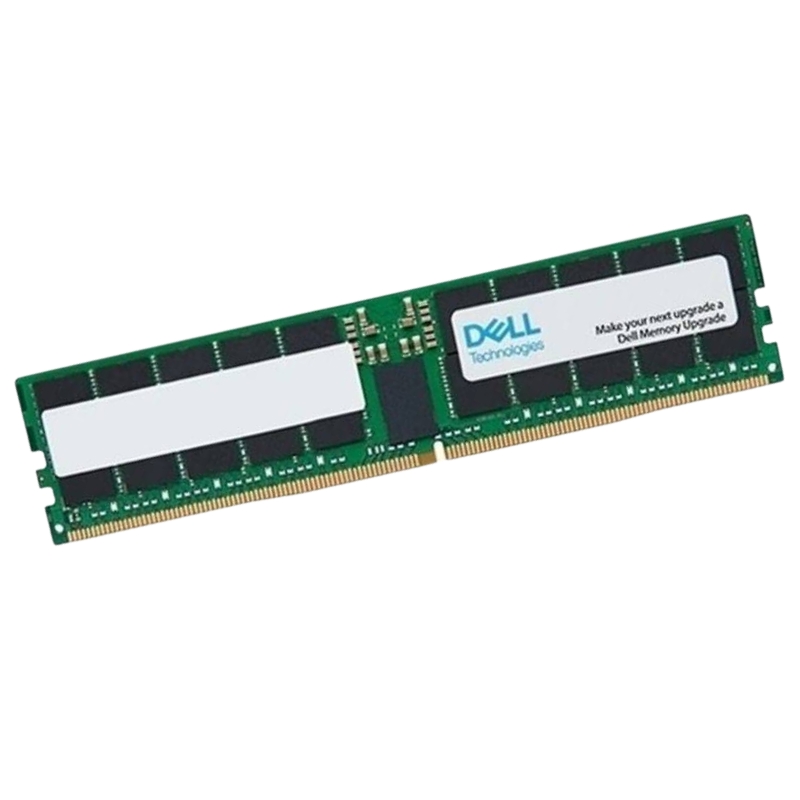
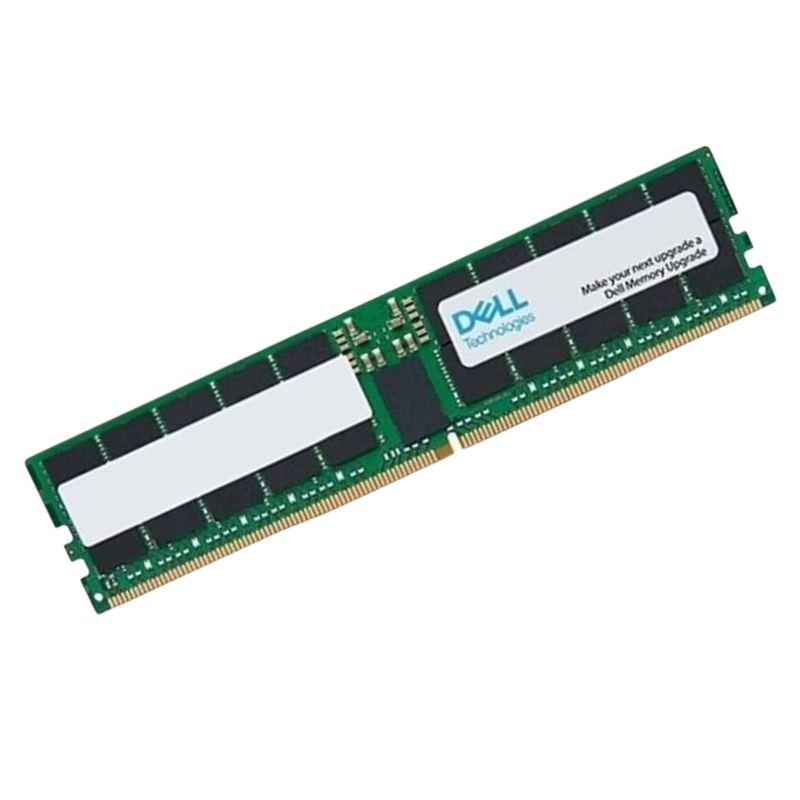
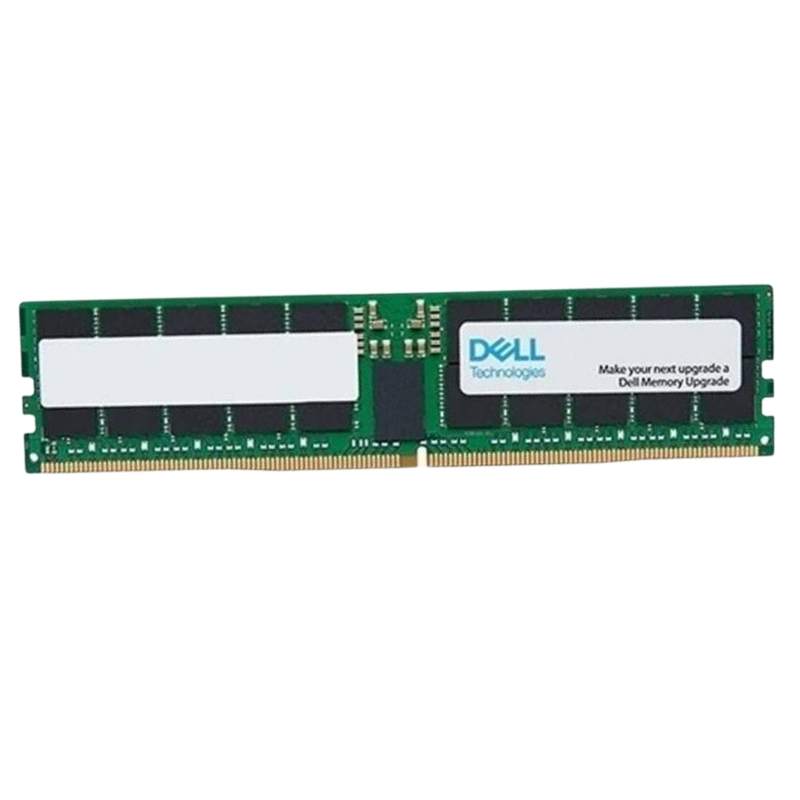
Dell 370-BDRB 256GB DDR5 6400MTS PC5-51200 Dual Rank CL52 SDRAM 288-Pin RDIMM Memory Module. New Sealed in Box (NIB) with 1 Year Warranty - Samsung Version
Dell 370-BDRB 256GB DDR5 SDRAM memory module is a high-performance server-grade RAM solution engineered for demanding enterprise workloads. Designed as a dual-rank configuration operating at 6400MTS (PC5-51200), this registered ECC memory kit ensures stable performance, enhanced data reliability, and efficient multitasking capabilities. Built with a 288-pin RDIMM architecture and CAS latency CL52 timing, it delivers optimized throughput for modern PowerEdge server environments requiring large-scale memory bandwidth and consistent system responsiveness.
The enterprise memory module category represented by the Dell 370-BDRB 256GB DDR5 6400MTS PC5-51200 Dual Rank CL52 SDRAM 288-Pin RDIMM Memory Module belongs to a high-performance class of server-grade memory designed for modern data center workloads. This category of memory is engineered to support large-scale computing environments where stability, bandwidth, and sustained throughput are critical. It is commonly used in enterprise servers, virtualization platforms, cloud infrastructures, and high-performance computing systems that require consistent memory reliability under heavy multi-threaded processing loads.
DDR5 Registered Dual In-Line Memory Modules, often abbreviated as RDIMM, represent a significant evolution in memory architecture compared to previous generations. The focus of this category is not only raw speed but also improved efficiency, higher density support, and enhanced signal integrity for multi-module server configurations.
The transition from DDR4 to DDR5 memory architecture marks a major leap in system bandwidth and scalability. DDR5 modules are designed to deliver significantly higher data rates, improved power efficiency, and greater module density support. In enterprise systems, this transition is especially important because modern workloads require simultaneous handling of virtualization, distributed databases, real-time analytics, and artificial intelligence inference tasks.
Unlike DDR4 modules, DDR5 introduces a more advanced power management architecture directly on the module itself, allowing for finer voltage regulation and improved energy distribution. This results in better stability at higher frequencies such as 6400MTS, which is a defining characteristic of this category.
The Dell 370-BDRB module is built with enterprise-grade memory chips arranged in a dual rank configuration. This structure allows the memory controller to access two separate sets of memory banks, improving overall efficiency and data access parallelism. With a total capacity of 256GB, this module is designed for high-density server environments where maximizing memory per slot is essential.
The 288-pin RDIMM form factor ensures compatibility with DDR5 server platforms while maintaining electrical stability through buffered communication pathways. This buffering mechanism is essential in large-scale memory deployments where multiple modules operate simultaneously within a single system.
A 256GB capacity module represents one of the highest density configurations available in mainstream enterprise memory categories. This level of capacity allows servers to handle extremely large datasets in memory without frequent reliance on slower storage subsystems. In environments such as virtualization clusters, in-memory databases, and AI model processing, high-capacity memory modules significantly reduce latency and improve processing throughput.
High-density DDR5 RDIMM modules also enable data center consolidation strategies, allowing fewer physical servers to handle more workloads. This reduces hardware footprint while improving computational efficiency.
The 6400MTS data transfer rate indicates that the module is capable of transferring 6.4 billion data cycles per second per pin. This level of speed places it among the highest-performing DDR5 RDIMM modules available in enterprise systems. The PC5-51200 classification refers to the theoretical peak bandwidth of approximately 51,200 MB/s per module, enabling rapid data movement between CPU and memory subsystems.
Such bandwidth capabilities are essential in modern server environments where workloads involve continuous data streaming, high-frequency transactions, and large-scale analytical computations.
CAS latency, defined as CL52 in this module category, represents the delay between a memory request and the moment data becomes available. While higher frequencies often result in higher latency values, DDR5 architecture compensates through increased bandwidth and improved parallel processing capabilities.
In enterprise applications, absolute latency is often less critical than sustained throughput and stability under load. Therefore, CL52 is optimized in combination with 6400MTS speed to provide balanced performance across diverse workloads.
Registered DIMM architecture plays a critical role in ensuring system stability in high-density memory configurations. RDIMM modules incorporate a register between the memory controller and DRAM chips, which buffers command and address signals. This reduces electrical load on the memory controller and allows systems to support a greater number of modules per channel.
This buffering process enhances signal integrity, especially in multi-module server configurations where electrical interference and signal degradation could otherwise limit system stability. RDIMM technology is therefore essential in mission-critical environments.
Buffering improves the reliability of data transmission by stabilizing signal pathways between the processor and memory chips. This becomes particularly important in systems running multiple terabytes of memory across multiple channels. The reduced electrical strain allows for better scalability and improved long-term reliability in continuous operation environments.
Dual rank memory configuration refers to the organization of memory chips into two separate logical groups that can be accessed independently. This structure allows improved interleaving of memory operations, increasing effective throughput in many server workloads.
In practical applications, dual rank modules often outperform single rank modules in multi-threaded workloads due to improved memory access efficiency. This is particularly beneficial in virtualization environments and database systems where simultaneous memory requests are frequent.
The 288-pin configuration is standardized for DDR5 RDIMM modules used in server platforms. This physical interface ensures compatibility with modern server motherboards while supporting increased data rates and power efficiency improvements introduced by DDR5 architecture.
The design also incorporates improved pin signaling pathways that reduce noise and enhance stability at high frequencies. This allows consistent operation even under sustained heavy workloads.
Enterprise memory modules such as the Dell 370-BDRB incorporate advanced error correction mechanisms designed to detect and correct memory errors in real time. Error correction code functionality is essential in preventing data corruption, especially in mission-critical systems where accuracy is paramount.
These mechanisms continuously monitor memory transactions and automatically correct single-bit errors while detecting multi-bit errors for system-level handling. This ensures data integrity across long uptime cycles.
One of the defining improvements in DDR5 memory is the integration of power management directly onto the memory module. This includes an onboard power management integrated circuit that regulates voltage distribution more efficiently than previous generations.
This architecture allows for improved power efficiency, reduced thermal output, and more stable performance under fluctuating workloads. It also enables finer control of voltage regulation, which is essential for maintaining stability at high frequencies such as 6400MTS.
Virtualization platforms rely heavily on large memory pools to support multiple virtual machines running concurrently. A 256GB module allows a single server to host numerous isolated environments without performance bottlenecks. Memory bandwidth and capacity directly influence the number of virtual machines that can operate efficiently on a single physical host.
Scientific computing, simulation workloads, and large-scale analytics benefit from the combination of high bandwidth and large capacity offered by DDR5 RDIMM modules. These environments depend on rapid data movement and minimal latency variance to ensure accurate computational results.
Within the broader DDR5 RDIMM category, high-capacity 256GB modules represent the upper tier of performance and density. They are designed for environments where maximum memory scalability is required rather than consumer-level applications.
Compared to lower-capacity modules, these high-density variants reduce the number of physical slots required to achieve large memory pools, improving system efficiency and scalability.


 Contact Us
 Information
 Catalog
 Solid State Drives (SSD)
 Network Switches
 Hard Disk Drives
 HBA & Controllers
 PC & Servers
 PC & Server Memory
 CPU & Processors
 Network Routers
 Power Supplies
 Tape Drives & Libraries
 Network Devices
 Computer & Network Cables