(7% discount is applied at checkout)
Cart is empty
Your go-to destination for cutting-edge server products
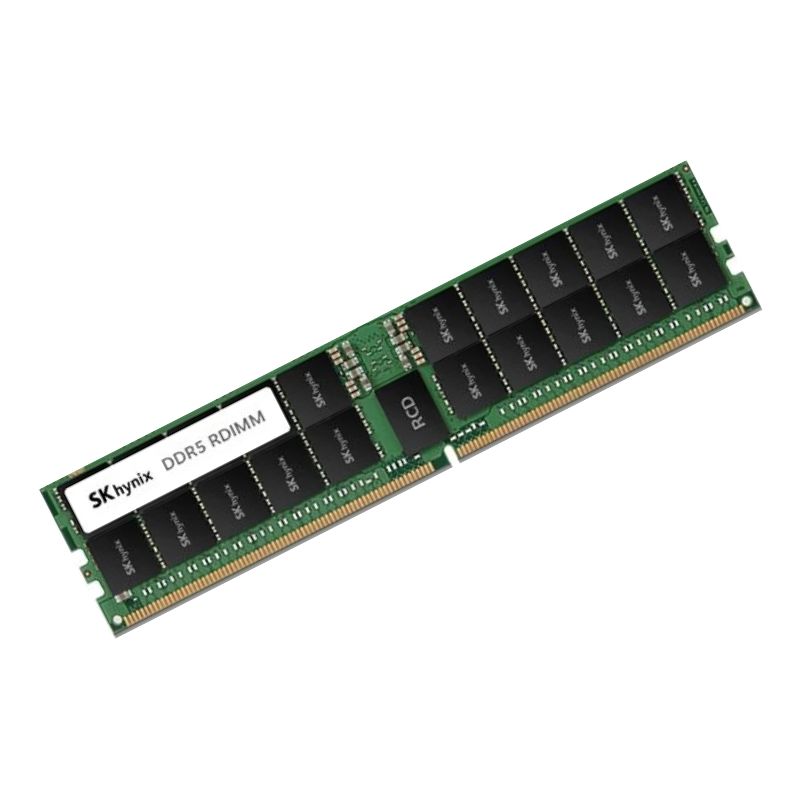


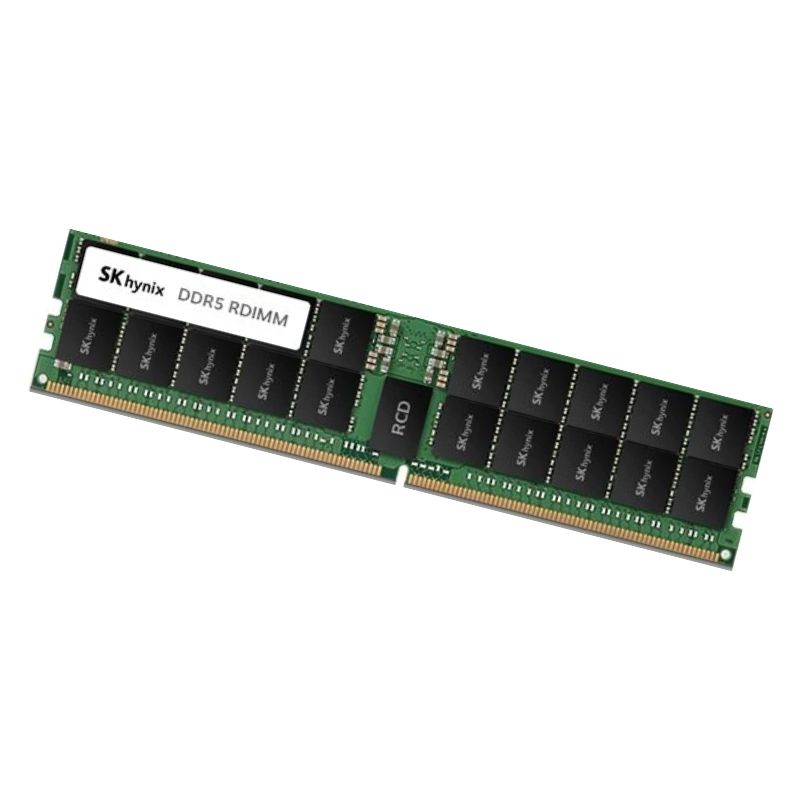
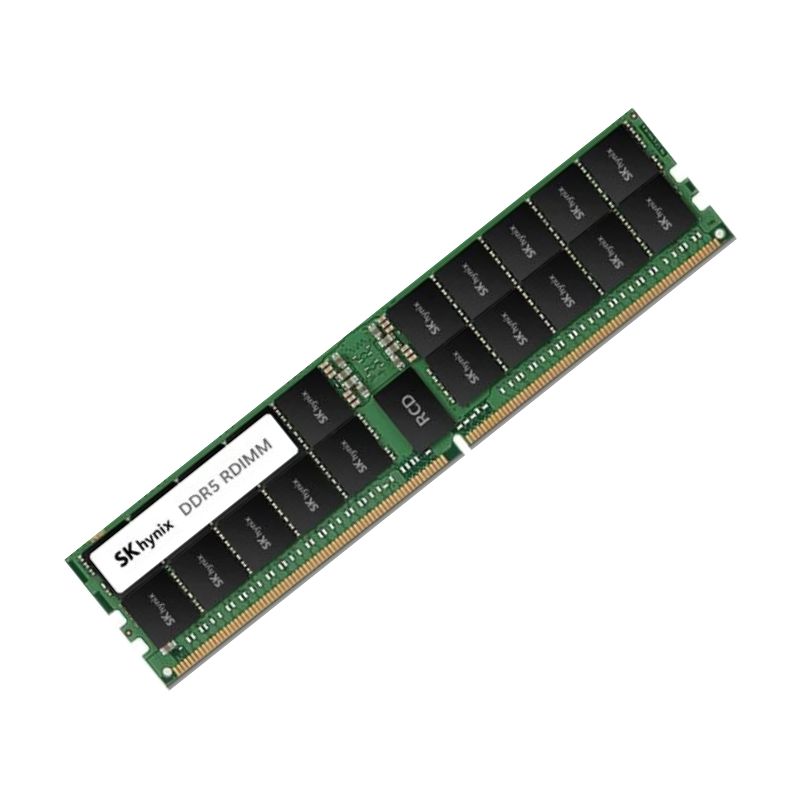
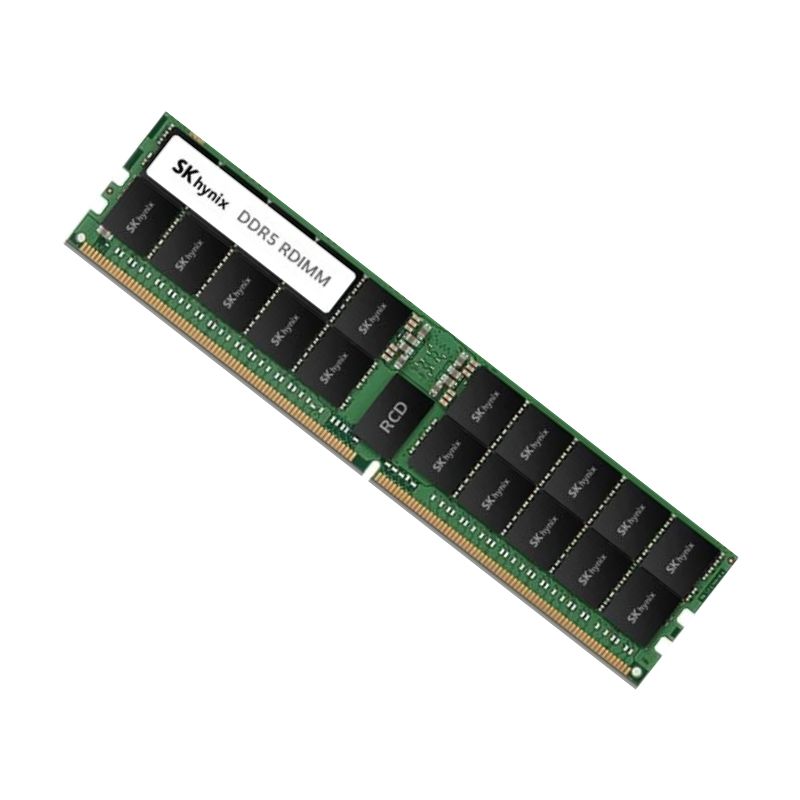
Hynix HMCT14MHERC 256GB DDR5-6400 Pc5-51200 SDRAM 3DS RDIMM ECC Registered 288-Pin Memory Module. New Sealed in Box (NIB) with 3 Years Warranty
The Hynix HMCT14MHERC 256GB DDR5 SDRAM memory module delivers exceptional speed and reliability for advanced computing systems. Designed with cutting-edge technology, this registered DIMM ensures seamless performance for enterprise and high-demand environments.
The Hynix HMCT14MHERC 256GB DDR5-6400 PC5-51200 SDRAM 3DS RDIMM ECC Registered 288-Pin Memory Module is engineered for enterprise-grade servers, advanced data center environments, virtualization platforms, cloud infrastructure, artificial intelligence workloads, and mission-critical computing systems. This high-capacity DDR5 registered memory module combines advanced bandwidth capabilities with exceptional stability, making it a preferred choice for organizations requiring consistent high-speed memory performance under demanding operational conditions.
Designed with 3DS RDIMM architecture, this enterprise memory module delivers enhanced scalability and density for modern server ecosystems. The 256GB capacity provides substantial memory resources for virtualization clusters, database management systems, high-performance analytics, and memory-intensive enterprise applications. DDR5 technology introduces significant advancements over previous DDR4 generations by improving bandwidth, efficiency, signal integrity, and overall system responsiveness.
Hynix enterprise memory solutions are recognized for reliability, compatibility, and advanced engineering standards. The HMCT14MHERC model integrates ECC functionality and registered buffering technology to support mission-critical server operations where data accuracy and uninterrupted uptime are essential. Organizations deploying advanced server hardware often rely on registered ECC memory modules because they provide enhanced operational stability during continuous workloads and large-scale computational tasks.
DDR5-6400 memory technology represents a major evolution in server memory architecture. The increased transfer rate of PC5-51200 memory significantly improves data throughput compared to earlier DDR4 memory generations. Higher bandwidth allows processors to access larger datasets more rapidly, which directly benefits applications such as machine learning, virtualization, cloud orchestration, and large-scale transaction processing.
The DDR5 architecture introduces improved power management and enhanced channel efficiency. Unlike older memory generations, DDR5 modules feature onboard power management integrated circuits that help optimize voltage regulation and operational efficiency. This design reduces electrical noise while improving signal stability, contributing to reliable server performance under sustained workloads.
Higher memory bandwidth is especially important in multi-core processor environments where numerous CPU cores simultaneously access memory resources. DDR5-6400 memory modules help reduce memory bottlenecks by enabling faster communication between processors and system memory. This advantage becomes increasingly important in enterprise systems using modern server processors with high core counts and extensive parallel processing capabilities.
The PC5-51200 specification indicates the theoretical peak bandwidth capability of the module, making it suitable for high-demand computing infrastructures. Enterprise applications handling large databases, virtualization workloads, and AI-driven computations benefit from the enhanced memory bandwidth offered by DDR5 technology.
The substantial 256GB capacity of the Hynix HMCT14MHERC memory module is optimized for enterprise-scale deployments requiring extensive memory resources. Large-capacity memory configurations allow organizations to consolidate workloads efficiently while minimizing performance constraints associated with insufficient memory allocation.
Virtualized environments benefit significantly from high-density memory modules because they support larger numbers of virtual machines on a single physical server. With increased memory availability, administrators can allocate more resources to applications, improve workload distribution, and maintain higher levels of system responsiveness across enterprise infrastructures.
Modern data centers frequently depend on memory-intensive applications such as in-memory databases, advanced analytics engines, real-time transaction systems, and enterprise resource planning platforms. The 256GB configuration provides the capacity necessary for these applications to operate efficiently without excessive reliance on slower storage tiers.
High-capacity DDR5 RDIMM modules also contribute to improved server consolidation strategies. Organizations seeking to maximize rack efficiency and reduce hardware footprint can deploy fewer physical systems while maintaining strong computational performance. This consolidation supports improved energy efficiency, lower cooling requirements, and simplified infrastructure management.
3DS memory architecture, also known as Three-Dimensional Stacked memory technology, enables extremely high memory densities by stacking memory dies vertically within the module. This design allows manufacturers to create higher-capacity memory solutions without increasing the physical footprint of the module itself.
The Hynix HMCT14MHERC module leverages 3DS RDIMM technology to achieve enterprise-class memory density suitable for modern server platforms. High-density memory configurations are essential in environments where physical server expansion is constrained by rack space, power availability, or cooling limitations.
3DS technology improves scalability while supporting advanced server configurations designed for cloud computing, virtualization, and enterprise analytics. By enabling larger memory pools, organizations can process increasingly complex workloads while maintaining operational efficiency and responsiveness.
Data-intensive industries including financial services, healthcare, scientific research, engineering simulation, and telecommunications frequently require large-scale memory infrastructures capable of handling extensive datasets and simultaneous processing operations. The 3DS RDIMM design addresses these requirements by providing exceptional memory density alongside enterprise-grade reliability.
Registered DIMM technology enhances memory stability by incorporating a register between the memory controller and the DRAM chips. This architecture reduces electrical load on the memory controller, enabling systems to support larger memory capacities and more populated memory channels.
Enterprise servers commonly utilize RDIMM memory because it improves signal integrity and operational stability in multi-module configurations. Large-scale server platforms equipped with numerous memory slots depend on registered memory to maintain reliable communication between processors and installed memory modules.
The registered architecture also contributes to improved scalability by allowing systems to support higher overall memory capacities without compromising stability. This advantage is particularly important in enterprise servers supporting virtualization clusters, database platforms, and large-scale computational environments.
RDIMM technology is widely adopted in mission-critical computing systems where downtime or instability could result in operational disruption, financial loss, or data integrity concerns. The Hynix HMCT14MHERC memory module is designed specifically to meet these enterprise reliability standards.
Error-Correcting Code technology is a fundamental requirement for enterprise computing environments where data accuracy and reliability are critical. ECC memory detects and corrects single-bit memory errors while identifying multi-bit errors that could compromise system stability or data integrity.
The Hynix HMCT14MHERC DDR5 RDIMM module incorporates ECC functionality to support enterprise applications that demand continuous reliability. In large-scale data processing environments, even minor memory errors can potentially affect application behavior, transaction accuracy, or database consistency.
ECC memory protection is especially important for financial systems, scientific computations, cloud infrastructures, virtualization platforms, and enterprise databases. These environments process large volumes of sensitive or mission-critical information that must remain accurate throughout computational operations.
Enterprise administrators frequently prioritize ECC memory because it helps minimize unexpected crashes, corrupted data, and application instability. Continuous server operation requires dependable memory subsystems capable of identifying and correcting transient memory errors before they affect system functionality.
Modern enterprise infrastructures operate around the clock, supporting thousands of simultaneous users, applications, and transactions. Memory reliability directly influences the stability and integrity of these computing environments. ECC technology helps organizations maintain consistent operational performance while reducing risks associated with memory-related errors.
Data integrity is particularly critical in environments involving healthcare records, financial transactions, scientific research datasets, and cloud-hosted enterprise applications. Memory corruption can lead to inaccurate calculations, application failures, or compromised database operations. ECC functionality provides an essential layer of protection against these risks.
Large-scale virtualization infrastructures also benefit from ECC memory because multiple virtual machines may share common hardware resources. Stable memory operation helps ensure reliable performance across virtualized workloads while reducing the likelihood of unexpected interruptions.
DDR5-6400 memory modules deliver significantly increased bandwidth compared to DDR4 technology. The enhanced transfer speeds improve overall system responsiveness and support workloads requiring rapid access to large datasets. Applications involving artificial intelligence, machine learning, and advanced analytics benefit directly from higher memory throughput.
Modern processors incorporate increasing numbers of cores and threads, creating greater demand for high-speed memory access. DDR5 memory technology helps address these requirements by enabling faster communication between CPUs and memory resources. Improved bandwidth contributes to better parallel processing efficiency and reduced application latency.
Cloud service providers, enterprise IT departments, and hyperscale data centers often deploy DDR5 memory solutions to optimize workload performance. High-speed memory is particularly valuable in environments supporting real-time analytics, virtualization orchestration, and distributed computing architectures.
The Hynix HMCT14MHERC 256GB DDR5 RDIMM memory module is intended for enterprise server environments supporting advanced data center infrastructures. Compatibility with modern server platforms enables organizations to deploy high-capacity memory solutions across diverse computing environments.
Enterprise data centers commonly require scalable memory configurations capable of supporting virtualization clusters, cloud computing frameworks, database infrastructures, and analytics platforms. High-density DDR5 RDIMM modules provide the memory capacity necessary for these demanding operational environments.
Server administrators often select enterprise memory solutions based on reliability, compatibility, and long-term operational stability. Hynix server memory products are engineered to meet stringent enterprise standards, supporting continuous operation within mission-critical computing environments.
The 288-pin RDIMM form factor is the standard physical configuration used for modern DDR5 server memory modules. This design supports enterprise motherboard compatibility while enabling high-speed data communication between the memory module and system architecture.
The standardized 288-pin layout ensures reliable integration with supported server platforms designed for DDR5 RDIMM memory configurations. Enterprise system manufacturers utilize standardized memory interfaces to maintain broad compatibility across server product lines.
Proper module seating and electrical connectivity are essential for maintaining stable memory operation within enterprise systems. The RDIMM form factor incorporates design characteristics intended to support consistent installation and dependable server performance.
Enterprise memory modules are engineered to operate within demanding thermal environments commonly found in densely populated server racks and data centers. DDR5 RDIMM modules incorporate design considerations intended to support reliable operation under sustained workloads.
Thermal efficiency is particularly important in high-density server configurations where numerous memory modules operate simultaneously. Effective thermal management contributes to improved component longevity and consistent system stability.
Data centers frequently implement advanced cooling strategies to maintain optimal operating conditions for server hardware. Memory modules designed for enterprise deployment must support reliable functionality within these controlled operational environments.
Enterprise servers commonly operate continuously for extended periods while supporting mission-critical workloads. Memory reliability and durability are therefore essential considerations in server infrastructure planning.
The Hynix HMCT14MHERC memory module is engineered for continuous operational environments where stability, consistency, and long-term performance are required. High-quality manufacturing processes and enterprise validation standards contribute to dependable functionality under sustained usage conditions.
Hynix is widely recognized for producing advanced semiconductor and memory technologies used across enterprise, cloud, and hyperscale computing infrastructures. Enterprise memory modules are manufactured according to stringent quality standards designed to support demanding operational environments.
Server memory validation processes involve extensive compatibility testing, thermal evaluations, and reliability assessments to ensure dependable functionality across supported hardware platforms. Enterprise organizations frequently prioritize validated memory solutions to reduce compatibility risks and operational disruptions.
Consistent manufacturing quality contributes to stable long-term performance, making enterprise-grade memory modules suitable for mission-critical infrastructure deployments. Organizations seeking dependable server hardware solutions often rely on enterprise-certified memory technologies from established manufacturers.
As enterprise workloads continue evolving, scalable memory infrastructure becomes increasingly important for maintaining operational efficiency. High-capacity DDR5 RDIMM modules support expanding computational requirements while enabling organizations to adapt infrastructure strategies over time.
Scalable memory solutions are essential for cloud computing, virtualization growth, AI development, and enterprise analytics initiatives. The ability to deploy large memory capacities within compact server configurations supports improved flexibility and infrastructure optimization.
Organizations planning future infrastructure expansion often prioritize memory technologies capable of supporting next-generation server architectures. DDR5 memory modules provide the performance foundation necessary for modern enterprise computing strategies.
Enterprise memory investments are typically evaluated based on performance, reliability, scalability, and long-term operational efficiency. High-performance DDR5 RDIMM modules contribute to reduced infrastructure bottlenecks while supporting evolving workload demands.
Reliable server memory can help minimize maintenance interruptions, improve workload consistency, and support more efficient hardware utilization. Long-term operational value is particularly important in enterprise environments where infrastructure stability directly influences business continuity.


 Contact Us
 Information
 Catalog
 Solid State Drives (SSD)
 Network Switches
 Hard Disk Drives
 HBA & Controllers
 PC & Servers
 PC & Server Memory
 CPU & Processors
 Network Routers
 Power Supplies
 Tape Drives & Libraries
 Network Devices
 Computer & Network Cables