(7% discount is applied at checkout)
Cart is empty
Your go-to destination for cutting-edge server products


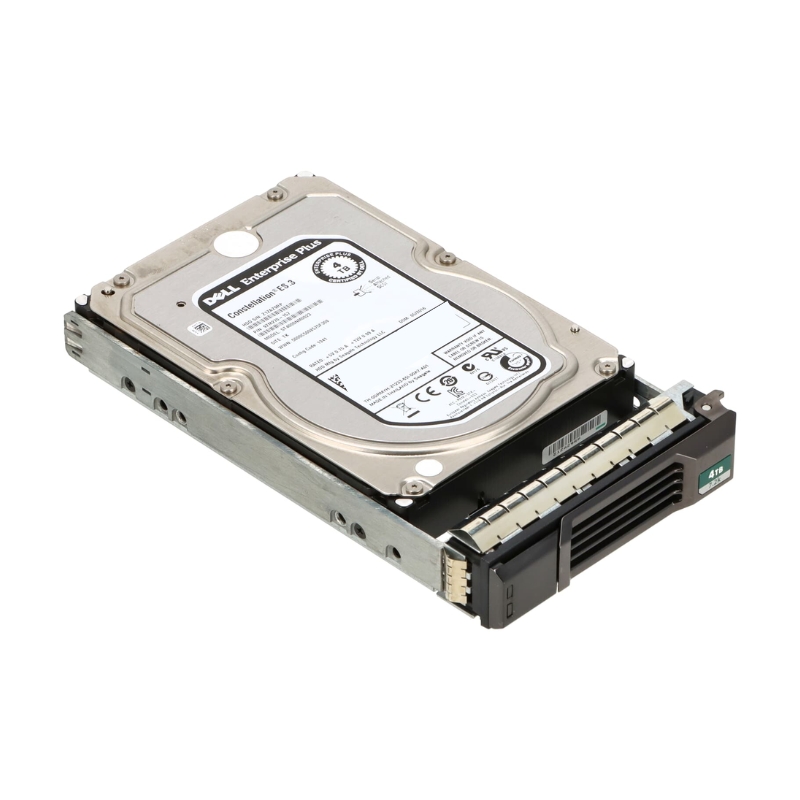
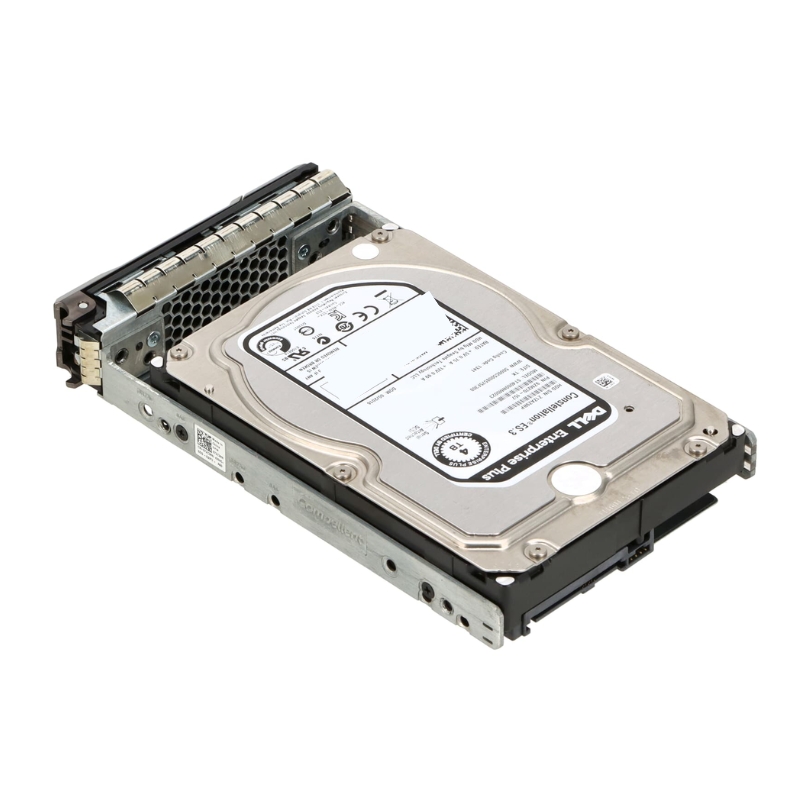
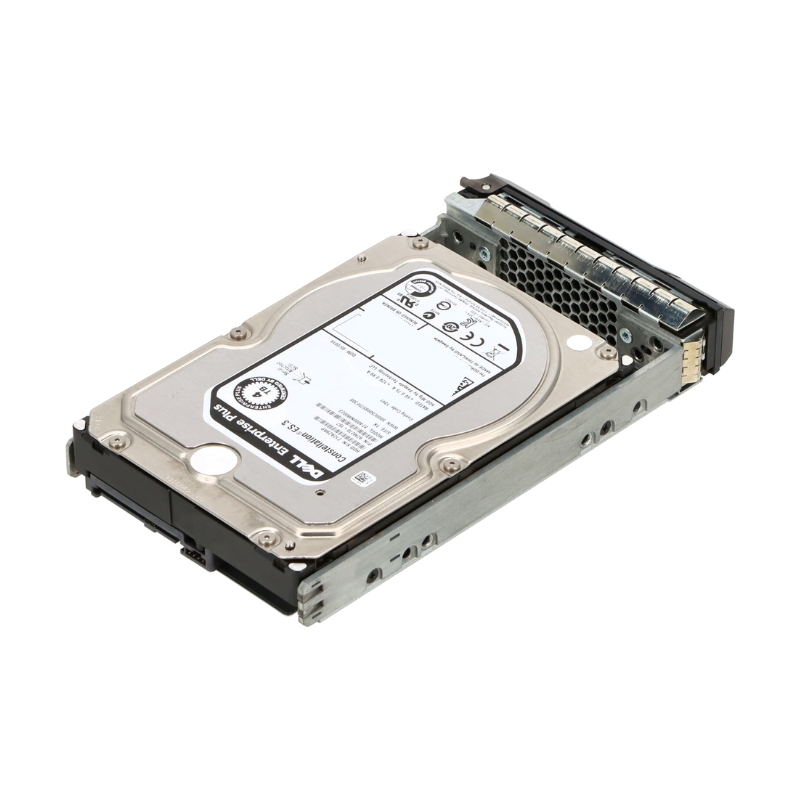
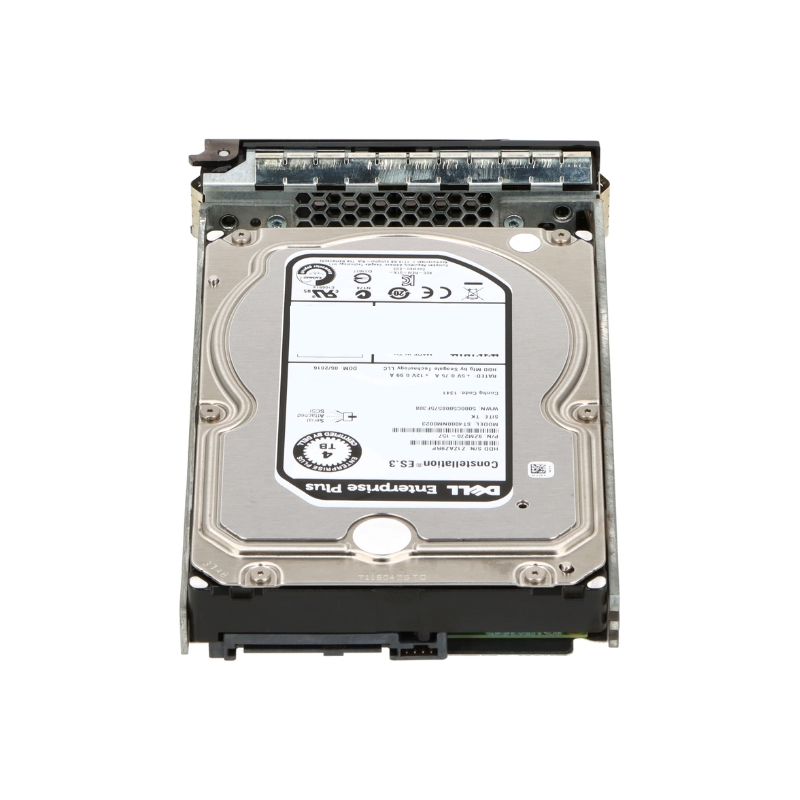
Dell 400-ALRT 4TB 7.2K RPM SAS 12GBPS 512N Hot Plug Hard Disk. New Sealed in Box (NIB) with 1-Year Warranty
| SKU/MPN | Warranty | Price | Condition | You save |
|---|---|---|---|---|
| 400-ALRT | 1 Year Warranty | $130.00 | Excellent Refurbished | You save: $45.50 (26%) |
| 400-ALRT | 1 Year Warranty | $350.00 | New Sealed in Box (NIB) | You save: $122.50 (26%) |
The Dell 400‑ALRT 4TB 7.2K SAS 12Gbps 512n Hot‑Swap HDD is engineered for enterprise‑grade storage environments requiring dependable performance, rapid data access, and seamless scalability. This drive is ideal for servers and storage arrays that demand consistent throughput and long‑term reliability.
The enterprise storage segment represented by the Dell 400-ALRT 4TB 7.2K RPM SAS-12GBPS 512N Hot Plug Hard Disk Drive is positioned within a highly specialized class of high-reliability mechanical storage devices designed for continuous operation in mission-critical environments. This category is defined by its ability to deliver predictable performance, strong data integrity mechanisms, and scalable capacity integration across large server ecosystems. Enterprise SAS hard drives are engineered for workloads that demand constant uptime, multi-user access concurrency, and sustained input/output operations under heavy transactional pressure, making them foundational components in modern data center architecture. These drives are not merely storage devices but integral subsystems within enterprise computing environments where data availability directly influences operational continuity and business performance.
Within enterprise storage ecosystems, SAS-based hard drives operate as a bridge between high-speed solid-state storage tiers and long-term archival systems. The 12Gbps SAS interface provides a robust communication channel between storage controllers and disk units, ensuring efficient data transmission even in dense multi-drive configurations. This category is widely deployed in virtualization clusters, enterprise database systems, cloud storage backends, and backup infrastructures where consistent performance and predictable latency are essential. The Dell 400-ALRT model exemplifies this category through its combination of capacity, rotational performance, and enterprise-grade firmware optimization.
The SAS-12Gbps interface is a defining technological element of enterprise hard disk drives in this category. It enables a theoretical maximum throughput of twelve gigabits per second, significantly enhancing the ability of storage systems to handle simultaneous data streams. This high-bandwidth interface is designed for scalability, allowing multiple drives to operate in parallel within storage enclosures without bottlenecking system performance. In enterprise environments, this capability is critical because workloads often involve concurrent read and write operations across hundreds or thousands of users and applications.
A key advantage of SAS technology lies in its full-duplex communication architecture, which allows simultaneous bidirectional data transfer. This feature enhances overall system efficiency by reducing waiting times for read and write operations. In addition, SAS supports dual-port connectivity, enabling redundant pathways between storage controllers and drives. This redundancy ensures continuous operation even in the event of controller or path failure, which is essential for maintaining high availability in enterprise systems where downtime is not acceptable.
Enterprise SAS drives such as those in this category are optimized for high command queue depths, allowing them to process multiple input/output requests simultaneously. This is particularly important in virtualization environments where numerous virtual machines generate continuous storage requests. The SAS protocol manages these requests efficiently, ensuring that no single workload monopolizes drive resources, thereby maintaining balanced performance across the entire storage system.
Latency management within SAS 12Gbps environments is achieved through a combination of firmware-level optimization and intelligent command scheduling. The drive prioritizes requests based on workload type and system demand, ensuring that critical operations receive timely access to storage resources. This contributes to stable performance even under peak load conditions commonly experienced in enterprise deployments.
The 7,200 RPM rotational speed of enterprise-class hard drives in this category represents a balanced engineering approach that prioritizes capacity efficiency and sustained throughput over ultra-low latency performance. This rotational speed is widely adopted in nearline storage environments where large volumes of data must be stored and accessed regularly but not necessarily at ultra-high speed. The mechanical design of these drives is optimized to ensure durability, vibration resistance, and thermal stability under continuous operation.
The Dell 400-ALRT 4TB 7.2K RPM SAS-12GBPS 512N Hot Plug Hard Disk Drive integrates precision-engineered platters and actuator assemblies designed to minimize mechanical wear while maintaining consistent read/write accuracy. The 7.2K RPM speed provides a practical balance between energy consumption and data access performance, making it suitable for dense storage arrays where hundreds of drives may operate simultaneously within a single chassis.
Enterprise storage enclosures often contain multiple hard drives operating in close proximity, which introduces challenges such as vibration interference and thermal buildup. Drives in this category are engineered with vibration dampening technologies that minimize performance degradation caused by mechanical resonance. This ensures stable read/write operations even when deployed in high-density server racks.
Thermal management is a critical factor in maintaining drive longevity and performance consistency. The airflow design within enterprise server chassis works in conjunction with drive-level thermal sensors to regulate operating temperatures. The Dell 400-ALRT leverages built-in thermal calibration mechanisms that adjust operational parameters dynamically based on environmental conditions, ensuring sustained reliability under continuous workloads.
The 4TB storage capacity of drives in this category plays a significant role in enabling scalable storage architectures within enterprise environments. Capacity density is a key consideration in data center design because physical space, power consumption, and cooling requirements must be optimized for efficiency. A 4TB SAS drive provides a balanced storage unit that allows organizations to scale incrementally while maintaining manageable infrastructure complexity.
In large-scale deployments, multiple 4TB drives are combined into RAID arrays or distributed storage systems, enabling petabyte-level storage capacities. The predictable performance characteristics of SAS drives ensure that scaling does not introduce performance inconsistencies, which is crucial for maintaining service level agreements in enterprise operations.
Virtualized environments rely heavily on storage systems that can support dynamic allocation of resources. The 4TB capacity of enterprise SAS drives allows hypervisors to allocate storage efficiently across multiple virtual machines without fragmentation issues. This ensures that virtual workloads maintain consistent performance regardless of underlying hardware sharing.
Enterprise storage systems often implement tiered architectures where SAS hard drives serve as mid-tier storage between high-speed SSDs and archival storage systems. This tiering strategy enables organizations to optimize cost while maintaining performance for frequently accessed data. The 4TB SAS drive category provides an ideal balance for this role due to its combination of capacity and reliability.
Workload segmentation involves distributing data across different storage tiers based on access frequency and performance requirements. SAS drives in this category are typically assigned to workloads that require consistent throughput rather than ultra-low latency, such as backup processing, large database storage, and log file management.
The 512N native sector format used in this category refers to a traditional 512-byte sector architecture that ensures compatibility with legacy systems and enterprise applications. This format is widely supported across operating systems and storage controllers, making it a reliable choice for mixed infrastructure environments. Despite advancements in advanced format drives, 512N remains relevant due to its stability and predictable behavior in enterprise workloads.
The sector-level architecture of the Dell 400-ALRT 4TB 7.2K RPM SAS-12GBPS 512N Hot Plug Hard Disk Drive ensures that data is written and retrieved in consistent block sizes, simplifying storage management and reducing complexity in system integration. This consistency is particularly important in environments where multiple generations of hardware coexist.
Enterprise SAS drives incorporate advanced error correction mechanisms that continuously monitor data integrity during read and write operations. These systems detect inconsistencies and automatically correct them when possible, ensuring that data corruption risks are minimized. This capability is essential in environments where data accuracy is critical, such as financial systems, healthcare databases, and enterprise analytics platforms.
When physical sectors begin to degrade, enterprise drives automatically remap data to reserved spare sectors. This process occurs transparently without impacting system performance or requiring administrative intervention. The result is improved drive longevity and reduced risk of data loss in high-demand environments.
When a drive is replaced in a RAID configuration, the system automatically initiates a rebuild process to restore data redundancy. Enterprise SAS drives are optimized to handle rebuild operations efficiently while continuing to serve active workloads. This minimizes performance degradation during recovery phases and ensures rapid restoration of fault tolerance.
Enterprise environments implement strict uptime requirements, often targeting near-continuous availability. Hot plug capability contributes directly to these goals by eliminating the need for scheduled downtime during hardware maintenance. This feature is particularly valuable in industries such as telecommunications, finance, and cloud computing.
Firmware plays a crucial role in managing drive behavior under different workload conditions. Enterprise SAS drives utilize firmware algorithms that optimize caching, command processing, and thermal regulation. These optimizations ensure consistent performance across diverse operating conditions.
Modern enterprise storage systems rely on predictive analytics to monitor drive health and anticipate potential failures. SMART monitoring systems provide real-time insights into drive performance metrics, enabling proactive maintenance strategies that reduce the risk of unexpected downtime.
Enterprise SAS drives are rated for significantly higher workload volumes compared to consumer-grade storage devices. This ensures that they can handle continuous data processing without performance degradation. The design focuses on maintaining consistent throughput even under sustained high-demand conditions.
Enterprise environments often present variable temperature and vibration conditions. Drives in this category are engineered to adapt to these conditions through dynamic calibration systems that adjust performance parameters in real time. This ensures long-term operational stability.
Predictable lifecycle behavior allows IT administrators to plan storage expansions and replacements efficiently. By understanding drive performance trends and failure probabilities, organizations can maintain continuous system availability while optimizing infrastructure investment cycles.
Enterprise SAS drives support high-throughput environments where multiple nodes access shared storage resources simultaneously. This is essential in distributed computing systems, where workload distribution must remain balanced to prevent bottlenecks.
Hybrid storage architectures combine SSD and SAS hard drives to optimize performance and cost efficiency. In these systems, SAS drives provide stable, high-capacity storage while SSDs handle latency-sensitive workloads. This combination allows data centers to achieve both performance and scalability objectives efficiently.
RAID architectures distribute data across multiple drives to provide redundancy and improve performance. SAS drives in this category are commonly used in RAID 5, RAID 6, and RAID 10 configurations, ensuring that data remains protected even in the event of hardware failure.


 Contact Us
 Information
 Catalog
 Solid State Drives (SSD)
 Network Switches
 Hard Disk Drives
 HBA & Controllers
 PC & Servers
 PC & Server Memory
 CPU & Processors
 Network Routers
 Power Supplies
 Tape Drives & Libraries
 Network Devices
 Computer & Network Cables