(7% discount is applied at checkout)
Cart is empty
Your go-to destination for cutting-edge server products
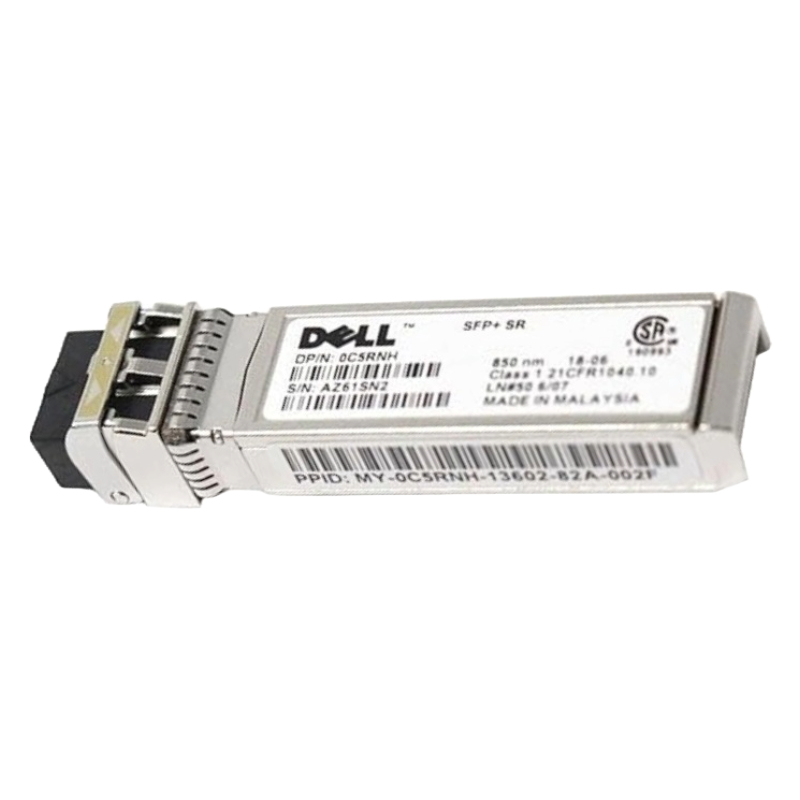


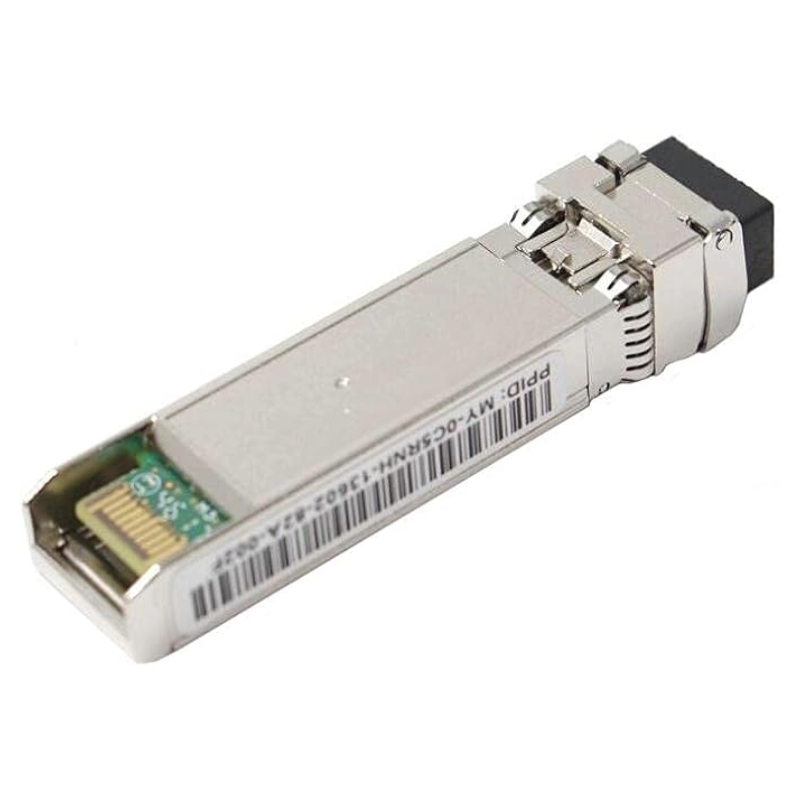
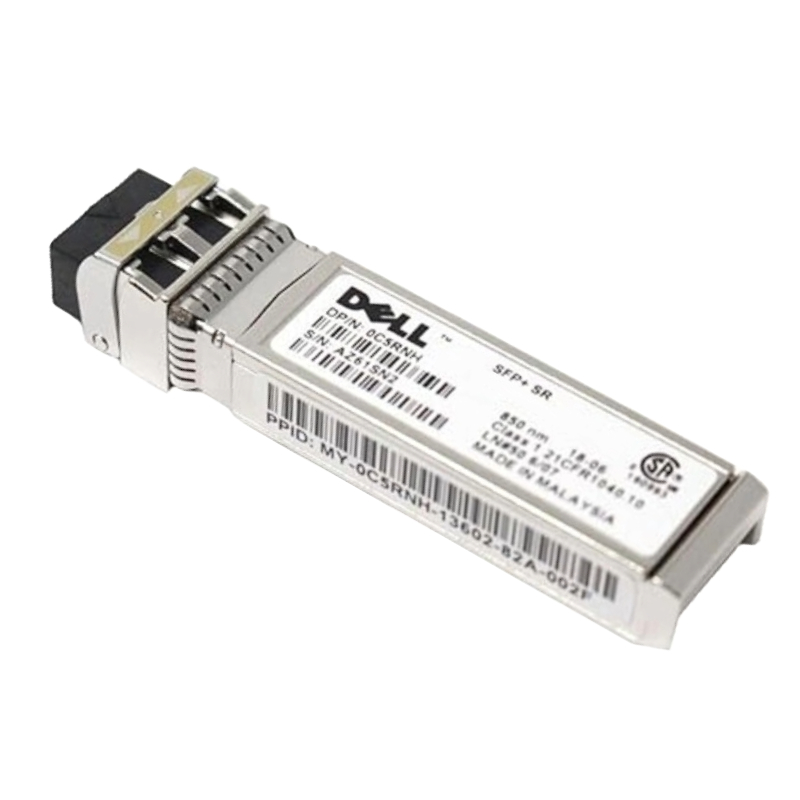
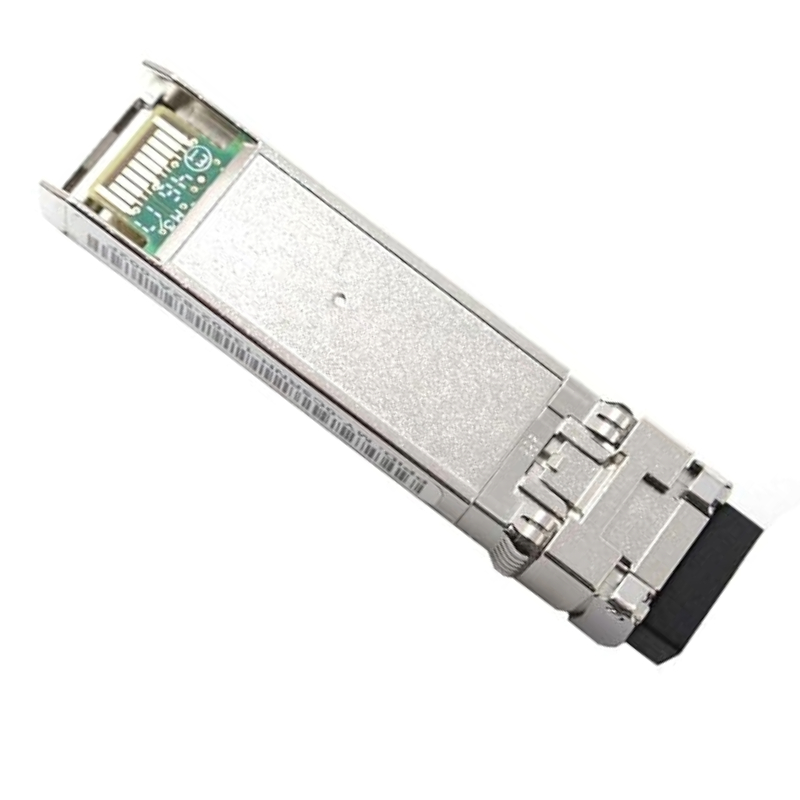
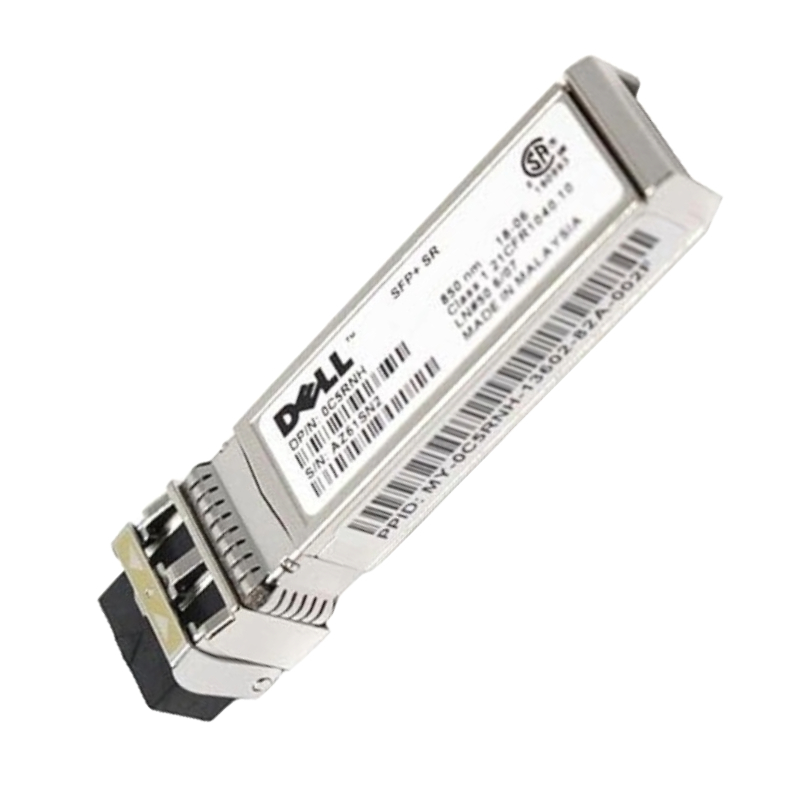
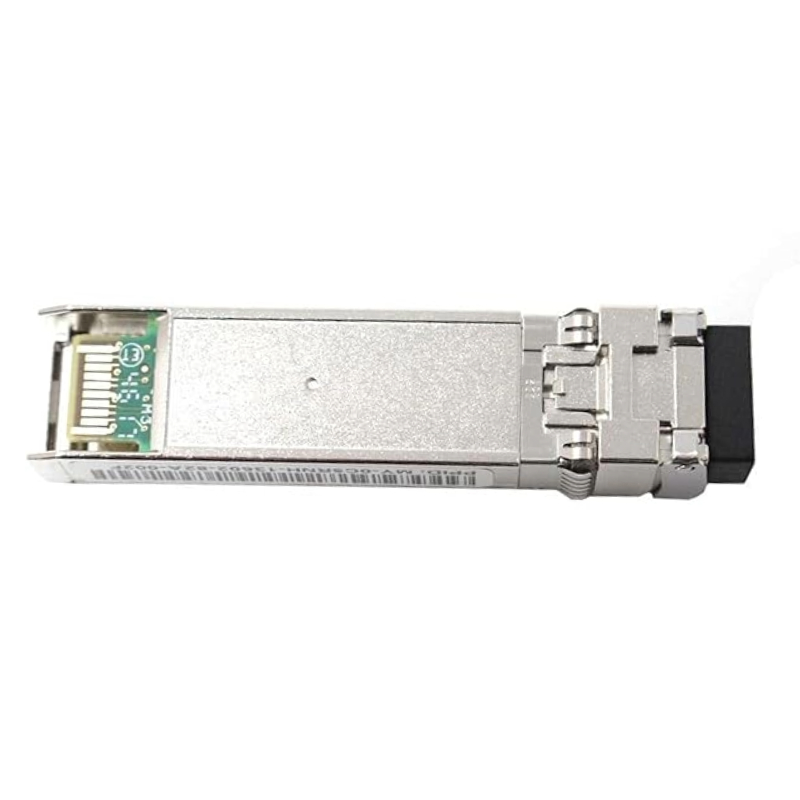
Dell 407-BCBK 850nm Short Wavelength SFP+ Transceiver Module. New Sealed in Box (NIB) with 1 Year Warranty
The Dell 407‑BCBK plug‑in transceiver is engineered to deliver dependable high‑speed data transmission for enterprise‑grade network infrastructures. This compact optical module supports 25‑Gigabit Ethernet environments and is ideal for organizations seeking stable, wired connectivity with minimal latency.
The Dell 407-BCBK 850nm Short Wavelength SFP+ Transceiver Module is engineered for high-performance optical networking environments where reliability, speed, and low-latency data transmission are critical. Designed to support 10 Gigabit Ethernet connectivity over multimode fiber infrastructure, this transceiver module plays a crucial role in modern enterprise data centers, cloud computing architectures, and high-density switching environments. It utilizes short wavelength 850nm vertical-cavity surface-emitting laser (VCSEL) technology to ensure efficient optical signal transmission across short-range fiber links while maintaining energy efficiency and signal integrity.
As part of Dell’s robust optical networking portfolio, this SFP+ module is optimized for seamless integration with compatible Dell networking switches and servers, enabling scalable and flexible deployment across various network topologies. Its compact form factor and hot-swappable design allow IT administrators to upgrade or replace modules without disrupting network operations, ensuring continuous uptime in mission-critical systems.
The SFP+ form factor used in the Dell 407-BCBK module is designed for high-density networking applications where space optimization is essential. This compact architecture allows multiple transceiver modules to be installed side by side in high-port-density switches, making it suitable for enterprise backbone networks and aggregation layers. The mechanical design ensures secure insertion into SFP+ slots while maintaining strong electrical and optical connectivity.
At the core of the module is 850nm VCSEL technology, which enables efficient short-wavelength optical transmission. This wavelength is specifically optimized for multimode fiber (MMF) environments, delivering high-speed data transfer over distances typically ranging from a few meters up to several hundred meters depending on fiber grade. The laser source ensures stable modulation, reduced dispersion, and consistent signal quality in dense networking environments.
The module supports 10Gbps data rates, making it suitable for bandwidth-intensive applications such as virtualization, cloud computing, storage area networks, and large-scale database replication. The high throughput capability ensures minimal latency and packet loss, which is essential for modern distributed computing infrastructures and real-time data processing systems.
The Dell 407-BCBK transceiver is specifically designed for multimode fiber systems, including OM3 and OM4 fiber cabling standards. These fiber types are commonly deployed in enterprise environments due to their cost efficiency and ability to support high-speed data transmission over short distances. The 850nm wavelength is ideal for minimizing modal dispersion and ensuring signal stability across multimode channels.
Signal integrity is a critical performance factor in high-speed networking, and this transceiver module is engineered to reduce jitter and attenuation. By maintaining consistent optical power levels and minimizing transmission loss, the module ensures low-latency communication between network nodes. This makes it particularly suitable for latency-sensitive applications such as financial trading systems, cloud orchestration, and high-performance computing clusters.
The 850nm short wavelength design not only enhances performance but also contributes to energy efficiency. The VCSEL-based architecture consumes less power compared to longer-wavelength laser systems, making it an environmentally friendly solution for large-scale data center deployments where power consumption and thermal output must be carefully managed.
In cloud data center environments, the Dell 407-BCBK SFP+ module is widely used for interconnecting servers, switches, and storage systems. Its high bandwidth capacity enables seamless data flow between virtual machines, storage arrays, and application servers, ensuring smooth cloud service delivery and resource allocation.
Modern enterprise networks rely heavily on high-density switching architectures to manage increasing data traffic demands. This transceiver module supports such environments by enabling multiple high-speed connections within a compact switch chassis. Its design allows IT infrastructure teams to scale network capacity without significantly increasing physical footprint or cabling complexity.
Storage Area Networks (SANs) require high-speed and reliable communication between storage devices and servers. The Dell 407-BCBK module supports these requirements by delivering consistent 10Gbps throughput, ensuring fast data replication, backup operations, and real-time access to critical storage resources.
The module is designed for straightforward installation with compatible Dell networking equipment. Once inserted into the SFP+ slot, it automatically integrates into the system without requiring complex configuration steps. This plug-and-play functionality simplifies network expansion and maintenance tasks for IT teams.
Proper deployment of the Dell 407-BCBK module requires multimode fiber cabling that meets industry standards such as OM3 or OM4. These fiber types ensure optimal performance by supporting the bandwidth and distance specifications required for 10Gbps transmission. Proper cable management and installation practices also contribute to maintaining signal integrity and reducing potential network issues.
The module is optimized for low power consumption, making it suitable for large-scale deployments where energy efficiency is a critical factor. Reduced power usage not only lowers operational costs but also minimizes heat generation within networking equipment, contributing to improved system longevity and stability.
Even under heavy network traffic conditions, the Dell 407-BCBK module maintains stable throughput performance. This consistency is essential for enterprise workloads that involve continuous data transfer, such as virtualization clusters, video streaming services, and distributed application systems.
Latency reduction is a key performance benefit of this transceiver module. By optimizing optical signal conversion and transmission processes, it ensures that data packets travel quickly between connected devices, supporting real-time applications and improving overall network responsiveness.
The Dell 407-BCBK module is designed to integrate seamlessly within Dell networking ecosystems, including enterprise-grade switches and server platforms. This ensures consistent performance, firmware compatibility, and optimized hardware interoperability across deployed systems.
Beyond Dell-specific systems, the module adheres to widely accepted networking standards for SFP+ optical transceivers. This allows for greater flexibility in mixed-vendor environments, where compatibility with standard-based networking equipment is required for scalable infrastructure deployment.
The module is automatically recognized by compatible systems, enabling efficient firmware-level communication between the transceiver and host device. This ensures accurate monitoring of optical performance parameters such as temperature, voltage, and signal strength.
Designed for extended operational use, the module maintains stable performance over time with minimal degradation. This reliability is essential for mission-critical networking environments where hardware failure can lead to significant downtime and operational disruptions.
As organizations scale their digital infrastructure, the Dell 407-BCBK module provides a cost-effective and efficient solution for expanding network capacity. Its high-speed connectivity and compact design make it ideal for incremental upgrades without requiring major infrastructure overhauls.
Virtualized environments demand high-speed interconnectivity between compute nodes and storage systems. This module supports such workloads by delivering consistent bandwidth and low latency, ensuring optimal performance for virtual machine migration and cloud orchestration tasks.
In high-performance computing (HPC) environments, rapid data exchange between nodes is essential. The Dell 407-BCBK module provides the necessary optical throughput to support computational workloads such as scientific simulations, machine learning training, and large-scale data analysis.
By utilizing compact SFP+ modules like the Dell 407-BCBK, organizations can significantly reduce cable clutter and infrastructure complexity. This improves airflow within network racks and simplifies maintenance operations.
The module ensures efficient utilization of available bandwidth by maintaining stable and high-speed data transmission across network links. This results in improved application performance and better resource allocation across enterprise systems.
Designed with scalability in mind, the Dell 407-BCBK module supports evolving network requirements, allowing organizations to adapt to increasing bandwidth demands without replacing entire infrastructure systems. This makes it a strategic component in long-term network planning and modernization initiatives.


 Contact Us
 Information
 Catalog
 Solid State Drives (SSD)
 Network Switches
 Hard Disk Drives
 HBA & Controllers
 PC & Servers
 PC & Server Memory
 CPU & Processors
 Network Routers
 Power Supplies
 Tape Drives & Libraries
 Network Devices
 Computer & Network Cables