(7% discount is applied at checkout)
Cart is empty
Your go-to destination for cutting-edge server products
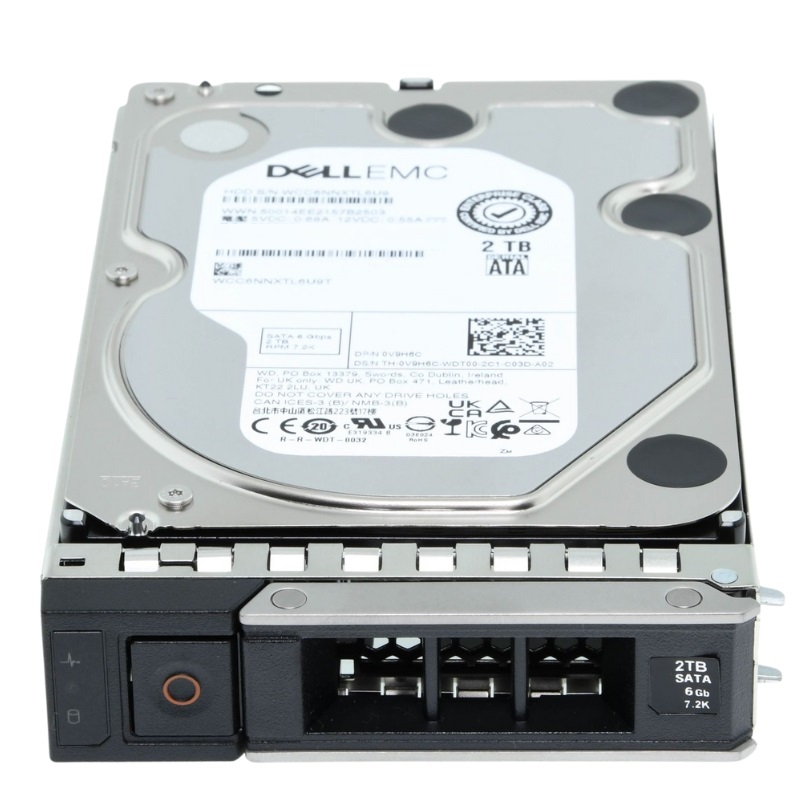


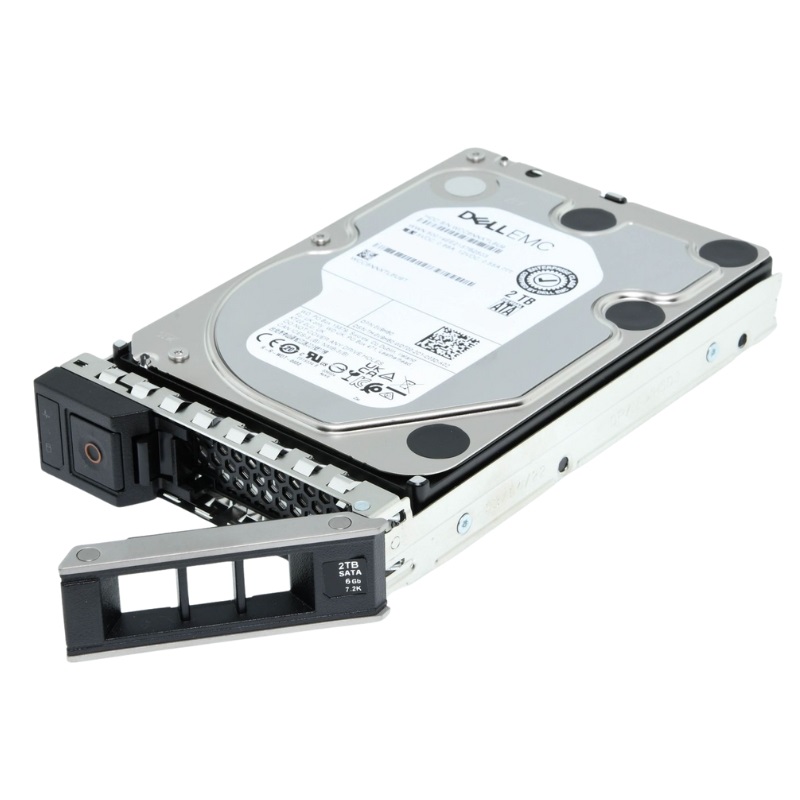
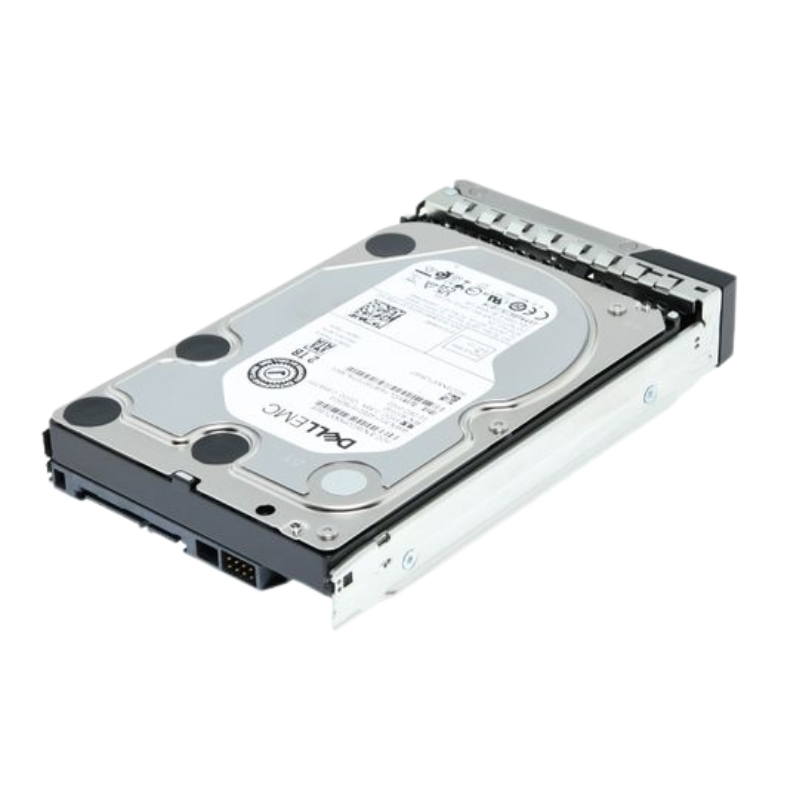
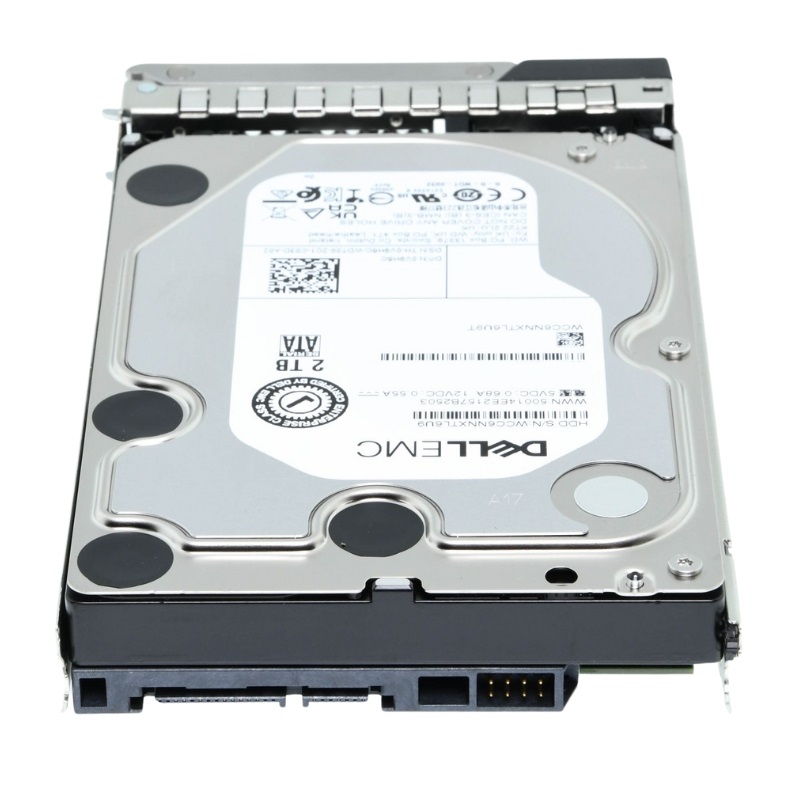
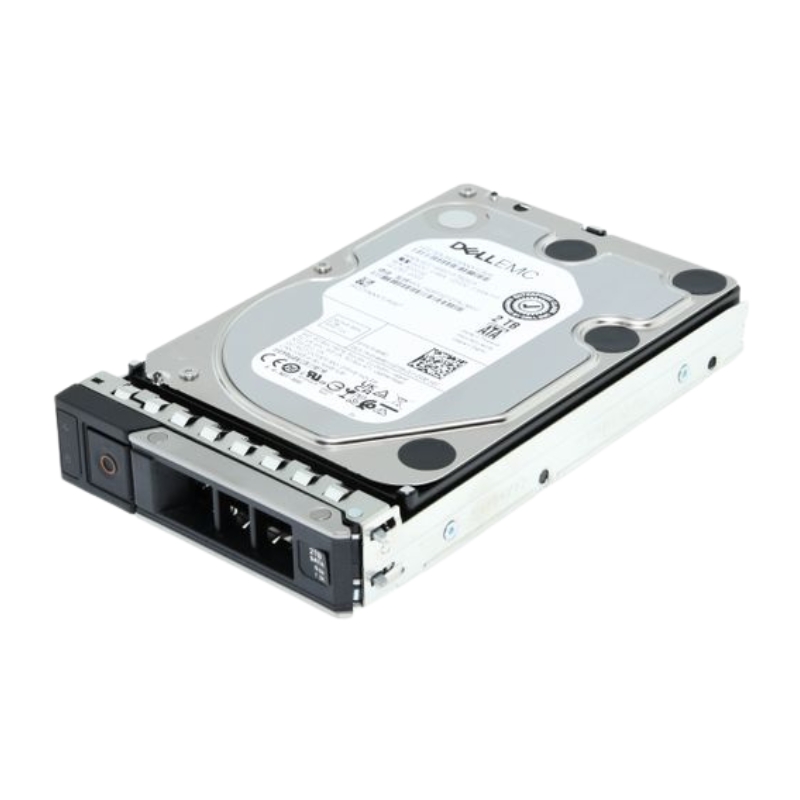
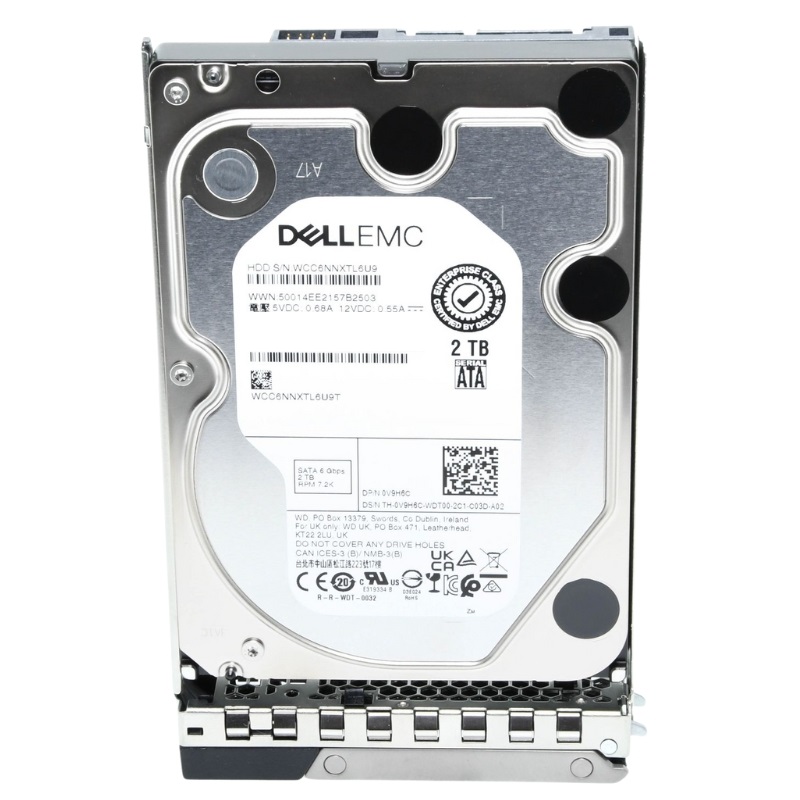
Dell W0GKN Poweredge Server 2TB 7.2K RPM 128MB Buffer SATA-6GBPS 3.5inch Hard Drive With Tray. New Sealed in Box (NIB) with 1 Year Warranty
| SKU/MPN | Warranty | Price | Condition | You save |
|---|---|---|---|---|
| W0GKN | 1 Year Warranty | $270.00 | New Sealed in Box (NIB) | You save: $94.50 (26%) |
| W0GKN | 1 Year Warranty | $160.00 | Excellent Refurbished | You save: $56.00 (26%) |
The Dell W0GKN enterprise‑grade hard disk drive delivers dependable data storage for Engineered for high‑capacity environments, this 3.5‑inch HDD offers robust performance, smooth data handling, and seamless integration with a wide range of Dell systems.
The Dell W0GKN PowerEdge Server 2TB 7.2K RPM 128MB Buffer SATA-6Gbps 3.5-inch Hard Disk Drive with Tray represents a core component in enterprise-class storage infrastructure designed for scalability, reliability, and sustained performance in demanding data center environments. Built specifically for Dell PowerEdge server ecosystems, this hard disk drive integrates high-capacity storage with stable rotational speed mechanics, ensuring balanced throughput for archival workloads, virtualization environments, and general-purpose server applications. The inclusion of a pre-mounted tray or caddy further enhances deployment efficiency, enabling seamless hot-swap installation within compatible Dell server chassis.
Engineered for compatibility and long-term operational endurance, this storage device is commonly deployed in enterprise RAID arrays where capacity density and predictable read-write behavior are essential. The SATA 6Gbps interface ensures backward compatibility while delivering sufficient bandwidth for traditional server workloads that do not require the extreme performance characteristics of SSD or SAS enterprise drives. As a result, this category of hard drive remains widely utilized in cost-effective storage scaling strategies across modern IT infrastructures.
The Dell W0GKN PowerEdge 2TB hard disk drive is designed around a balanced performance philosophy rather than extreme throughput specialization. Operating at 7,200 RPM, the drive provides consistent mechanical rotation speed optimized for sequential read and write operations. This makes it particularly suitable for workloads such as file storage servers, backup repositories, log retention systems, and cold or warm data storage tiers. The 128MB buffer plays a critical role in smoothing data flow between the host system and the physical disk media, reducing latency spikes and improving overall transactional stability in multi-user environments.
In enterprise storage hierarchies, drives like this are often positioned in mid-tier storage arrays where cost efficiency and capacity outweigh the necessity for ultra-low latency. This positioning allows organizations to maximize storage density without incurring the higher costs associated with SSD-only infrastructures while still maintaining dependable uptime characteristics.
The 7.2K RPM spindle speed is a widely adopted standard in enterprise SATA hard drives, striking a balance between energy consumption, heat output, and data access speed. The mechanical design ensures that read/write heads can access data with predictable timing, which is crucial for RAID rebuild operations and synchronized data replication processes. The internal actuator assembly is engineered to maintain precision alignment even under continuous operational stress, which is a requirement in 24/7 data center environments.
Additionally, vibration resistance technologies integrated into enterprise-grade Dell hard drives help maintain consistent performance when multiple drives operate simultaneously within dense server enclosures. This is particularly important in rack-mounted PowerEdge systems where acoustic and mechanical vibrations can otherwise interfere with disk stability.
A 2TB storage capacity represents a practical balance between density and manageability in enterprise infrastructures. It allows administrators to scale storage arrays incrementally while maintaining predictable performance characteristics across identical drive sets. In RAID configurations, uniform capacity drives such as the Dell W0GKN model ensure consistent parity calculations and balanced workload distribution.
This capacity class is particularly useful in backup repositories, virtualization storage pools, and distributed file systems where data redundancy and recovery efficiency are prioritized. By combining multiple 2TB drives, enterprises can construct large-scale logical volumes that support mission-critical applications without relying solely on high-cost solid-state storage solutions.
In modern IT environments, data lifecycle management is a critical operational requirement. Drives in this category are frequently assigned to warm or cold storage tiers, where data is accessed periodically rather than continuously. The 7.2K RPM configuration ensures that while the drive is not optimized for ultra-high-performance computing tasks, it still delivers reliable access speeds for scheduled backups, archival retrieval, and compliance-based data retention systems.
The SATA 6Gbps interface provides sufficient bandwidth for the mechanical limitations of a 7.2K RPM hard drive while ensuring compatibility with a wide range of server motherboards and RAID controllers. This interface allows efficient data transfer rates suitable for enterprise workloads that prioritize storage capacity over ultra-low latency performance.
The standardized SATA protocol ensures interoperability across multiple generations of hardware, allowing IT administrators to deploy drives across heterogeneous server environments without requiring specialized adapters or proprietary connectors. This flexibility is essential in data center environments where scalability and hardware interchangeability are critical operational factors.
One of the defining advantages of enterprise SATA drives with tray integration is hot-swap capability. This functionality allows system administrators to replace or upgrade storage drives without shutting down the server, thereby maintaining continuous service availability. In mission-critical environments, this reduces downtime and supports high availability architectures.
The tray system ensures secure physical alignment and stable electrical connection during insertion and removal operations. This design minimizes the risk of connector damage and ensures consistent communication with the server backplane during dynamic hardware changes.
The 128MB cache buffer plays a significant role in enhancing data throughput efficiency by temporarily storing frequently accessed or incoming data before it is written to or read from the physical disk platters. This reduces latency and improves performance consistency, especially in environments with mixed read/write workloads.
In enterprise workloads where multiple users or applications access the same storage array, cache memory helps smooth out demand spikes and reduces mechanical head movement, thereby extending the operational lifespan of the drive while improving response times.
Caching mechanisms are particularly effective in sequential data processing scenarios such as log file aggregation, database transaction staging, and virtual machine disk image access. The buffer ensures that data flow remains uninterrupted even during high-demand operations, contributing to overall system efficiency and reliability.
The inclusion of a dedicated tray or caddy system simplifies deployment and maintenance procedures. Each drive can be mounted into a standardized carrier that locks into the server backplane. This modular approach enables rapid replacement and simplifies inventory management in large-scale data center operations.
Enterprise hard drives such as the Dell W0GKN model are engineered for continuous operation in 24/7 environments. This includes enhanced vibration tolerance, thermal resistance, and error recovery mechanisms designed to minimize data corruption risks. The drive is optimized for sustained workloads rather than intermittent consumer usage patterns.
In RAID configurations, reliability is further enhanced through redundancy mechanisms that distribute data across multiple disks. The Dell W0GKN drive is commonly deployed in RAID 1, RAID 5, RAID 6, and RAID 10 arrays depending on redundancy and performance requirements. These configurations ensure that even in the event of a single drive failure, data integrity is preserved and system operations continue uninterrupted.
While 7.2K RPM drives are not optimized for high-performance random access workloads, they perform reliably in sequential data operations. This makes them well-suited for backup systems, media storage repositories, and archival databases where large contiguous data blocks are common.
Random access performance is managed through intelligent caching and RAID controller optimization, which helps mitigate latency in multi-user environments.
Energy efficiency is a key consideration in large-scale deployments. The Dell W0GKN drive is designed to maintain moderate power consumption levels while delivering consistent performance. Reduced heat generation contributes to lower cooling costs in data center environments, improving overall operational efficiency.
In virtualization environments, these drives often serve as secondary storage tiers supporting virtual machine snapshots, backup images, and less frequently accessed virtual disks. Their capacity and reliability make them ideal for supporting hypervisor-based infrastructures without incurring excessive storage costs.
Backup infrastructures rely heavily on high-capacity SATA drives for storing incremental and full backups. The Dell W0GKN drive fits naturally into these environments, providing predictable performance and long-term data retention stability. Its compatibility with RAID systems further enhances its suitability for disaster recovery architectures.


 Contact Us
 Information
 Catalog
 Solid State Drives (SSD)
 Network Switches
 Hard Disk Drives
 HBA & Controllers
 PC & Servers
 PC & Server Memory
 CPU & Processors
 Network Routers
 Power Supplies
 Tape Drives & Libraries
 Network Devices
 Computer & Network Cables