(7% discount is applied at checkout)
Cart is empty
Your go-to destination for cutting-edge server products
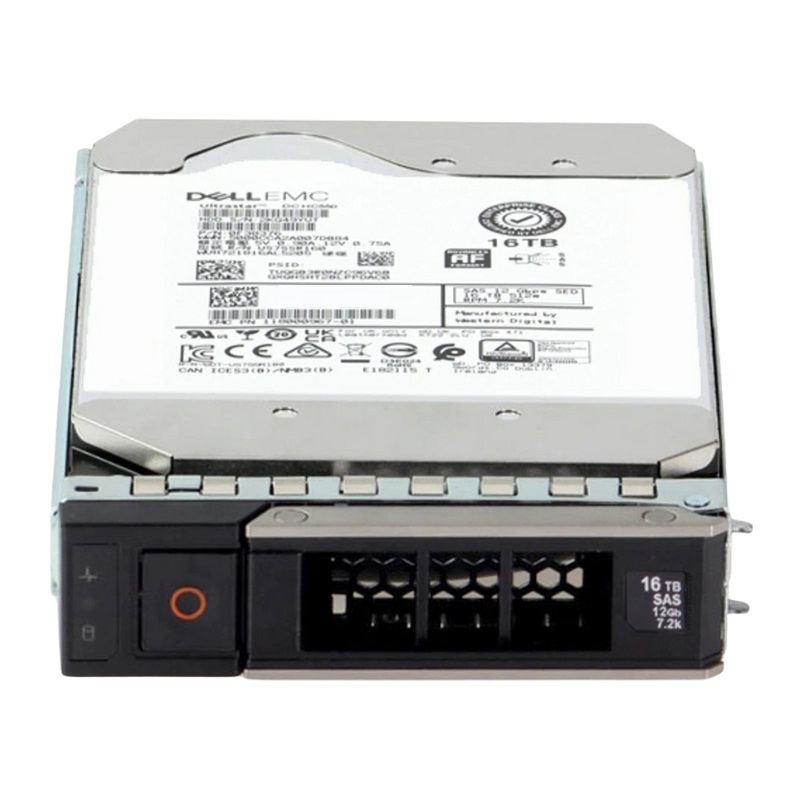


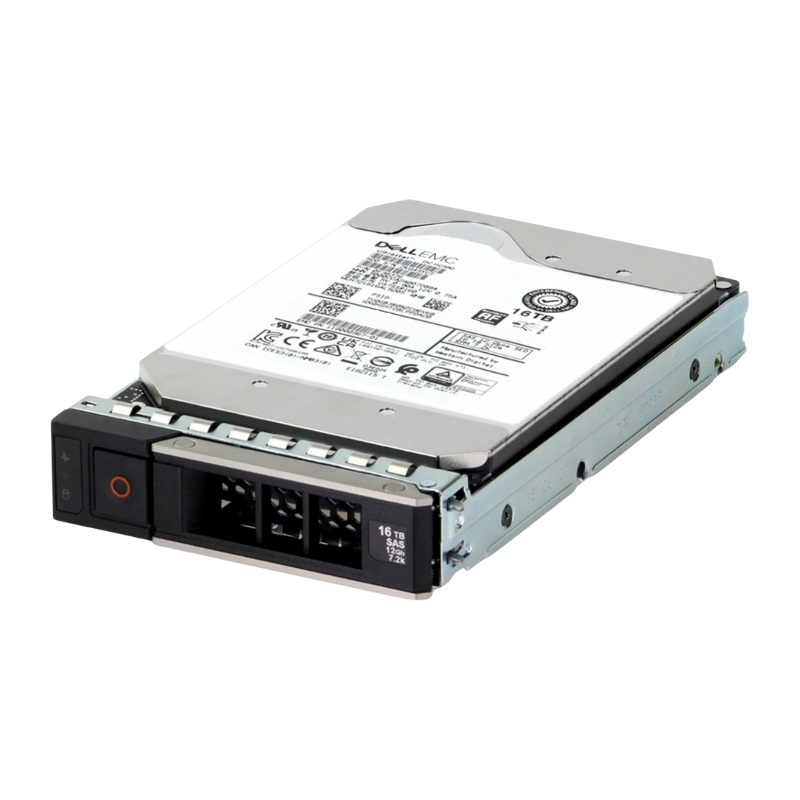
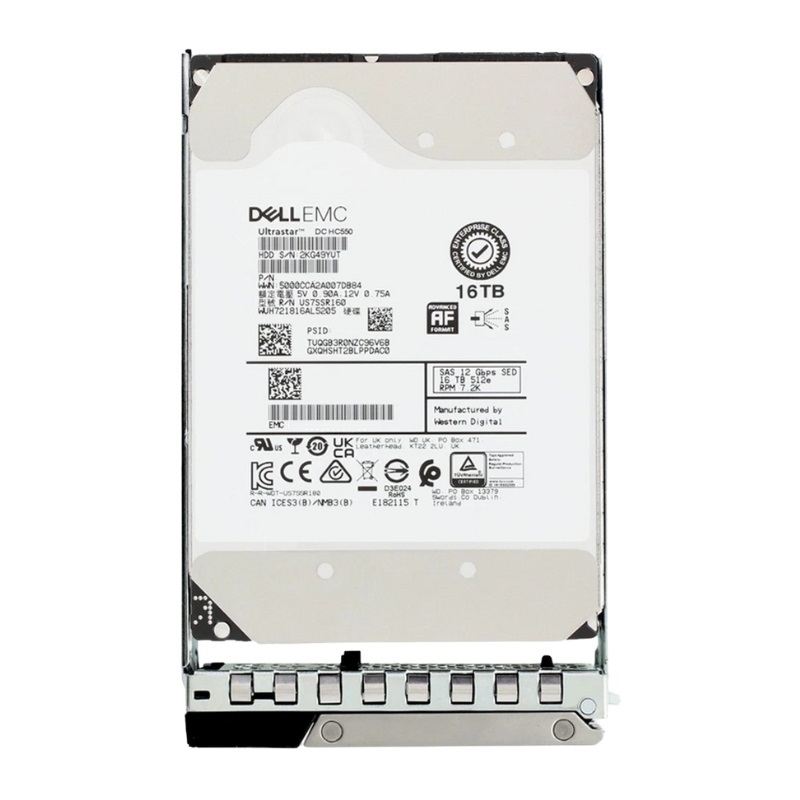
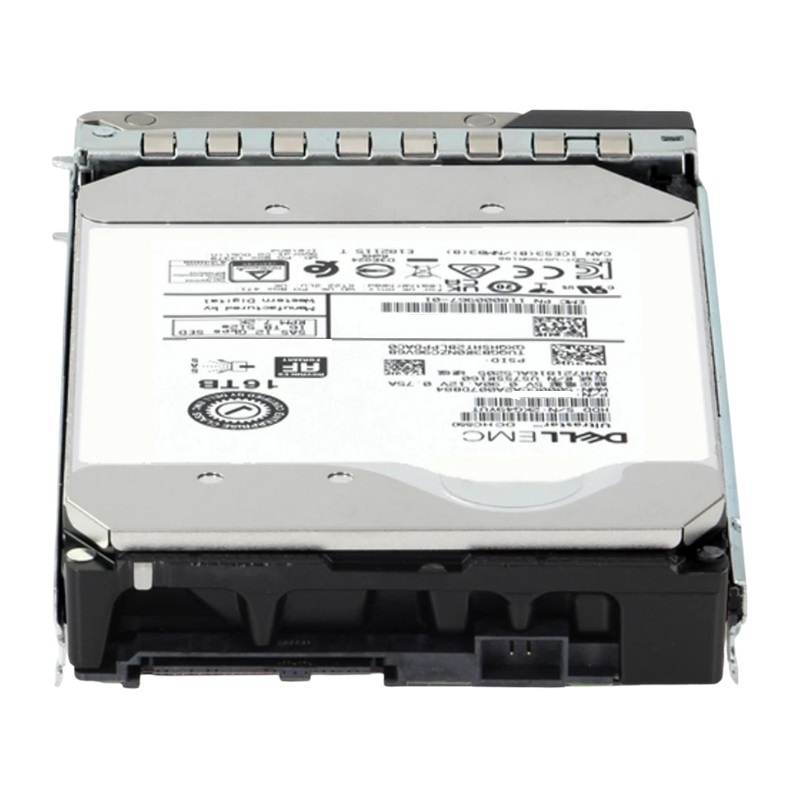
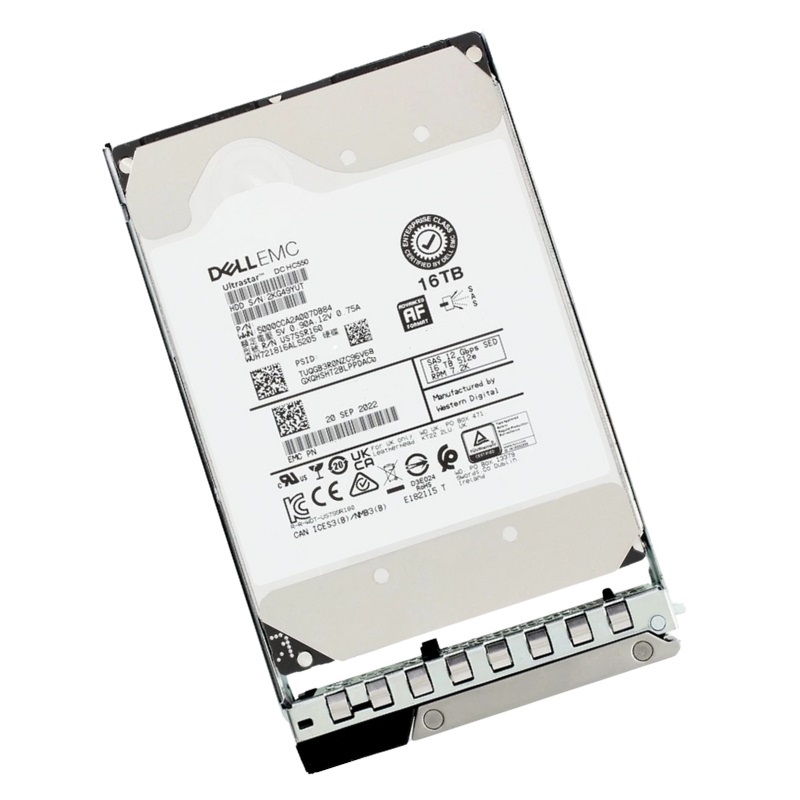
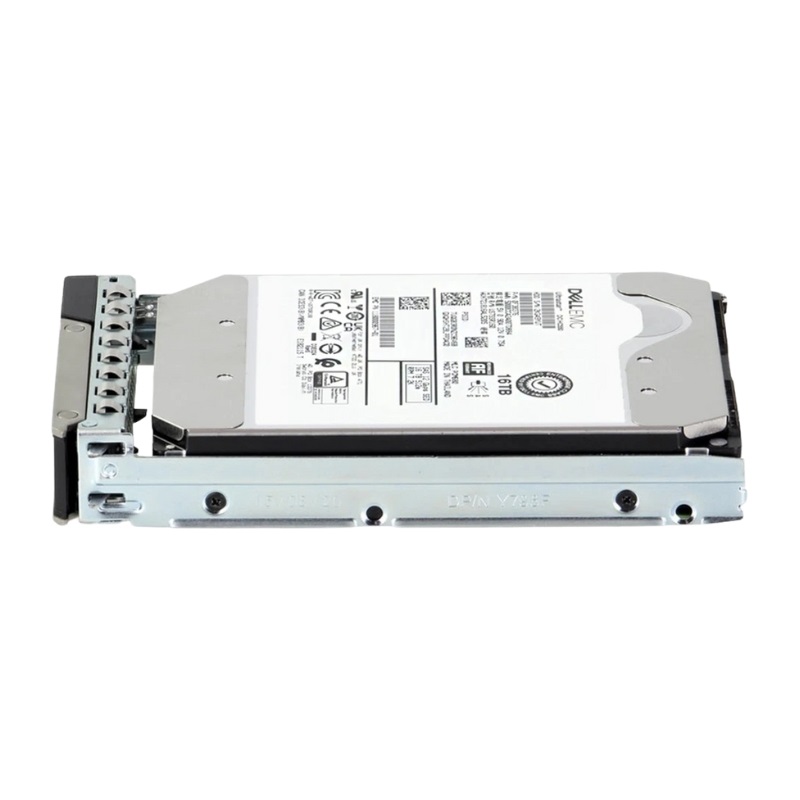
Dell VF206 Internal 16TB 7.2K RPM SAS 12GBPS 512MB Hard Disk Drive. Excellent Refurbished with 1 year replacement warranty
| SKU/MPN | Warranty | Price | Condition | You save |
|---|---|---|---|---|
| VF206 | 1 Year Warranty | $658.00 | Excellent Refurbished | You save: $230.30 (26%) |
| VF206 | 1 Year Warranty | $944.00 | New Sealed in Box (NIB) | You save: $330.40 (26%) |
The Dell VF206 is a high-capacity enterprise-grade internal hard disk drive designed for data-intensive workloads, large-scale storage environments, and Dell EMC PowerEdge server infrastructures. This 16TB SAS HDD delivers reliable performance, optimized durability, and scalable storage expansion for modern data centers.
The Dell VF206 Internal 16TB EMC 7.2K RPM SAS 12Gbps 512MB Hard Disk Drive represents a high-capacity enterprise storage component designed for large-scale data center environments where reliability, endurance, and sustained throughput are prioritized over raw transactional speed. Within modern enterprise storage architectures, this class of hard disk drive is commonly deployed in capacity-optimized tiers, archival layers, backup repositories, and distributed storage clusters where consistent availability and predictable performance curves are essential. Manufactured under the engineering ecosystem associated with and its enterprise storage lineage historically tied to EMC technologies, this drive reflects a balance between traditional spinning disk architecture and modern SAS interface enhancements that enable compatibility with advanced storage controllers and server backplanes.
In the broader storage hierarchy, the VF206 16TB SAS drive occupies a crucial role between high-performance flash storage arrays and lower-cost archival systems. It is not intended to compete with or SSD-based solutions in terms of latency but instead focuses on density optimization, sustained sequential throughput, and long-term data retention stability. This makes it particularly suitable for workloads such as cold data storage, compliance archives, media repositories, surveillance data retention systems, and large-scale virtualization backup infrastructures.
At the heart of the Dell VF206 drive is a 7,200 RPM spindle motor configuration, a standard rotational speed in enterprise nearline SAS hard drives. This rotational speed is carefully selected to balance energy efficiency, mechanical durability, and adequate throughput for large block sequential operations. The spinning platters inside the drive are engineered with precision-balanced magnetic surfaces designed to maintain consistent read and write performance even under sustained enterprise workloads. Unlike higher RPM performance drives, the 7.2K RPM class significantly reduces thermal output and mechanical wear, which contributes to extended operational lifecycles in dense server enclosures.
The 16TB capacity of this drive is achieved through advanced areal density improvements, enabling each platter to store significantly more data per square inch than previous generation enterprise HDDs. This increase in density is made possible through refined magnetic recording techniques, improved head positioning accuracy, and optimized firmware-level sector management. High-capacity drives such as the VF206 are typically constructed using multiple platters stacked vertically within a sealed helium or air-filled enclosure depending on design revision, each contributing to the total available storage pool.
The increased platter density not only enhances storage capacity but also reduces the physical footprint required per terabyte in data center racks. This efficiency is critical in hyperscale environments where rack space optimization directly correlates with operational cost savings.
Enterprise-grade drives like the VF206 incorporate sophisticated sector remapping systems that dynamically relocate data away from unstable or degraded sectors. This ensures long-term data integrity even after extensive write cycles. Embedded firmware continuously monitors magnetic signal reliability and adjusts read/write head alignment to compensate for microscopic deviations in platter movement or thermal expansion.
The 12Gbps SAS (Serial Attached SCSI) interface provides the VF206 drive with a robust and highly scalable communication channel suitable for enterprise storage fabrics. Unlike consumer-grade SATA interfaces, SAS architecture supports dual-port connectivity, allowing redundant data paths between storage controllers and the drive itself. This redundancy is a critical feature in mission-critical systems where uptime is non-negotiable.
The SAS protocol also enables better command queuing, error correction, and multi-device scalability, making it ideal for dense storage arrays where hundreds or thousands of drives operate simultaneously under centralized storage management systems.
Hot-plug functionality is an essential feature in enterprise environments, allowing drives to be replaced or added without shutting down the system. The VF206 SAS drive is designed to integrate seamlessly into hot-swappable bays, ensuring minimal disruption to active workloads during maintenance cycles. Redundant pathing provided by SAS further enhances fault tolerance by allowing failover between controller links in the event of a path failure.
The inclusion of a 512MB cache buffer significantly improves the VF206 drive’s ability to handle burst workloads and sequential read/write optimization. Cache memory acts as an intermediate staging area where frequently accessed data or incoming write commands are temporarily stored before being committed to disk platters. This reduces latency spikes and improves overall throughput consistency.
In enterprise workloads involving large file transfers or database logging systems, the cache plays a crucial role in smoothing I/O operations and reducing bottlenecks that would otherwise arise from mechanical seek limitations.
Modern firmware embedded in enterprise SAS drives uses intelligent algorithms to group small write requests into larger sequential operations, a process known as write coalescing. This reduces unnecessary head movement and improves overall disk efficiency. Similarly, read prefetching anticipates sequential data access patterns and loads data into cache before it is explicitly requested by the host system.
In virtualized server environments, where multiple virtual machines generate simultaneous random I/O requests, cache optimization becomes essential. The VF206’s large cache buffer helps mitigate performance degradation caused by I/O fragmentation, ensuring smoother VM performance and reduced latency spikes during peak usage periods.
Enterprise-class drives such as the VF206 are engineered with high MTBF ratings, reflecting their ability to operate continuously under demanding workloads for extended periods. This reliability is achieved through reinforced mechanical components, vibration-resistant housing structures, and firmware-level error recovery systems.
The drive’s design incorporates vibration compensation algorithms that detect and adjust for rotational instability caused by adjacent drives in densely packed storage arrays. This is particularly important in multi-drive server chassis where mechanical resonance can otherwise impact performance consistency.
Advanced ECC (Error Correcting Code) mechanisms are embedded into the drive’s firmware, enabling detection and correction of data corruption at the sector level. This ensures that even minor magnetic inconsistencies do not translate into permanent data loss. Combined with SAS protocol-level error handling, the VF206 maintains a multi-layered approach to data integrity.
The VF206 16TB SAS drive is frequently deployed in large-scale storage arrays where capacity density is prioritized. These arrays often consist of multiple drive enclosures managed by distributed storage controllers that balance workloads across hundreds of spinning disks. In such environments, the drive contributes to a tiered storage architecture where it typically serves as the primary capacity layer beneath SSD-based caching tiers.
Archival systems prioritize data retention over performance, making the VF206 an ideal candidate for cold storage applications. Its high capacity reduces the number of physical drives required to store large datasets, thereby lowering power consumption, rack space usage, and maintenance overhead.
One of the key advantages of the VF206 drive architecture is its ability to scale horizontally across large storage clusters. As data requirements grow, additional drives can be integrated into existing SAS backplanes without requiring major architectural changes. This modular scalability is essential for cloud service providers and enterprise data centers experiencing exponential data growth.
The SAS interface allows for multiple drive expansion paths, enabling storage systems to maintain performance consistency even as capacity increases. This ensures that scaling storage infrastructure does not introduce bottlenecks at the interface level.
In hybrid storage environments, the VF206 often operates alongside SSDs and NVMe devices in tiered caching architectures. Frequently accessed data is stored in high-speed flash storage, while less frequently accessed data is migrated to high-capacity SAS drives. This approach optimizes both performance and cost efficiency.
Advanced storage controllers dynamically distribute workloads across different storage tiers based on access frequency, latency sensitivity, and data criticality. The VF206 plays a key role in absorbing large-scale data retention responsibilities within this hierarchy.
The reduced rotational speed of the VF206 contributes to lower heat generation, which in turn reduces cooling requirements within data center environments. Efficient thermal characteristics enable higher drive density per rack without exceeding cooling capacity thresholds.


 Contact Us
 Information
 Catalog
 Solid State Drives (SSD)
 Network Switches
 Hard Disk Drives
 HBA & Controllers
 PC & Servers
 PC & Server Memory
 CPU & Processors
 Network Routers
 Power Supplies
 Tape Drives & Libraries
 Network Devices
 Computer & Network Cables