(7% discount is applied at checkout)
Cart is empty
Your go-to destination for cutting-edge server products
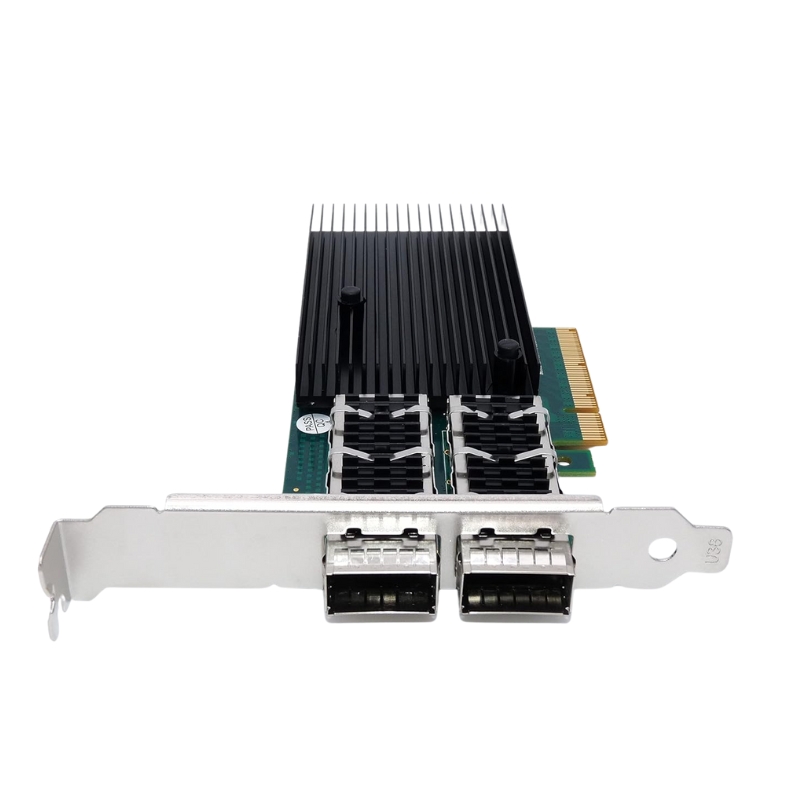


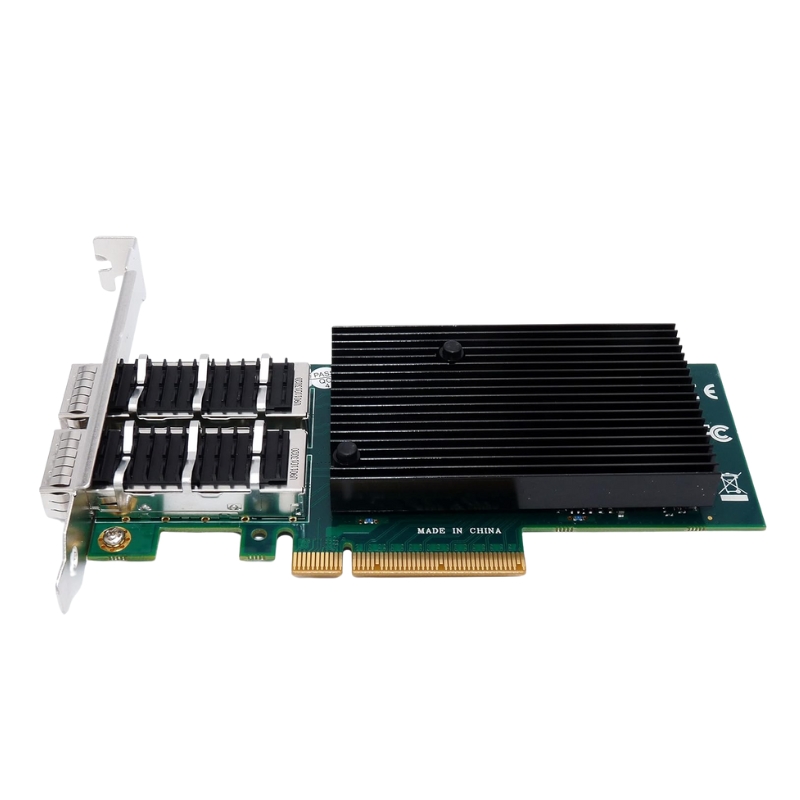
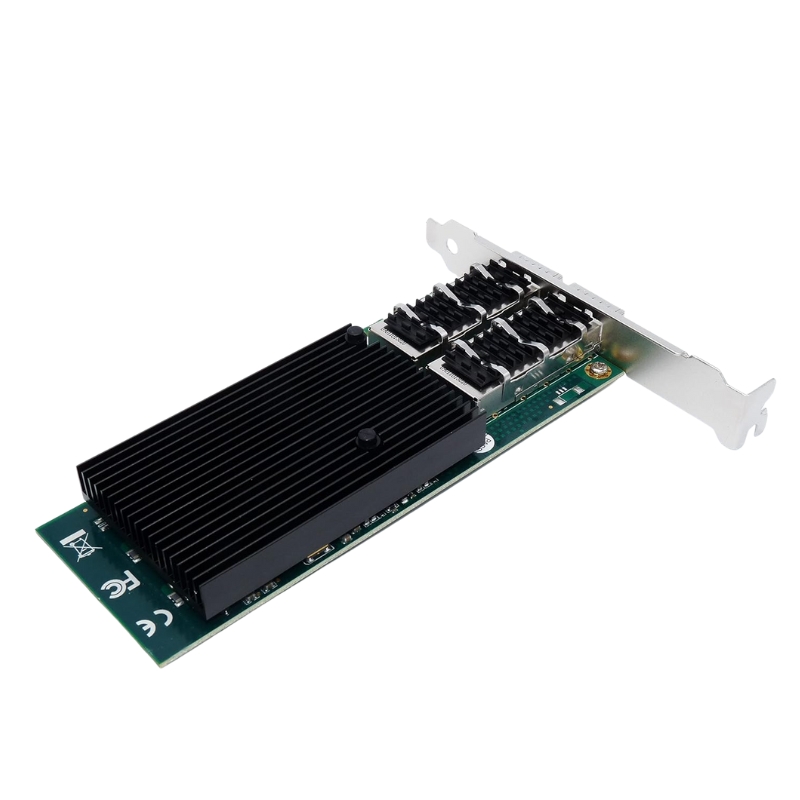
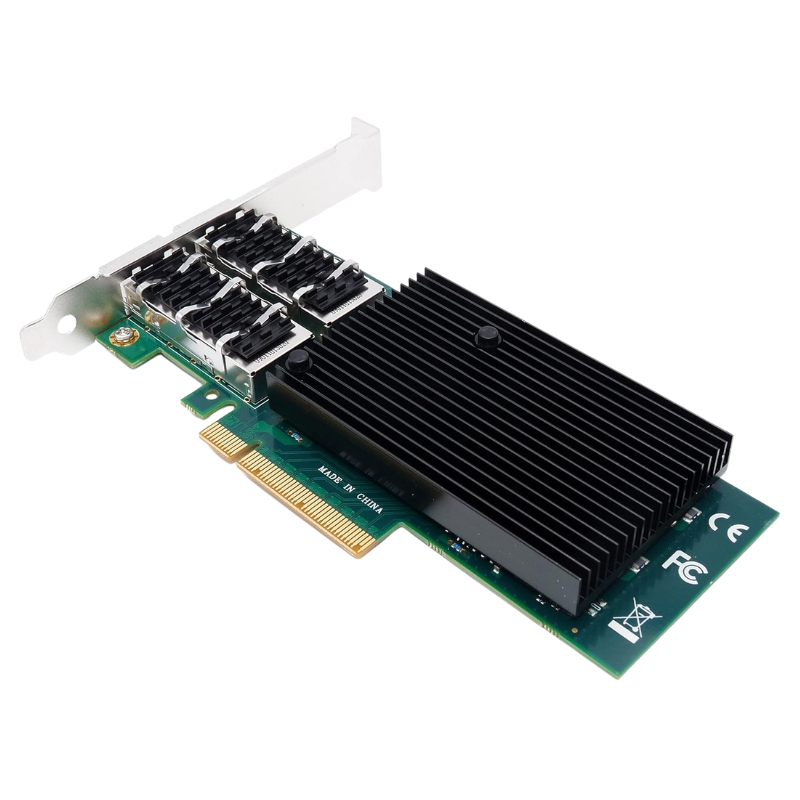
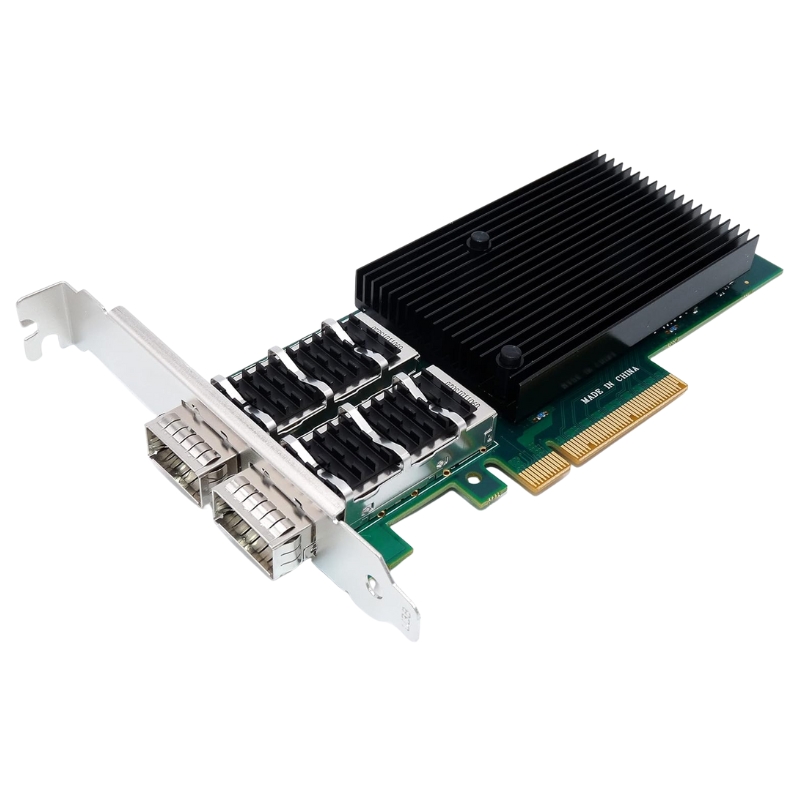
Dell XPVR1 Solarflare SR234 Xtremescale 10/25/50/100GBE Network Card. Excellent Refurbished with 1 year replacement warranty
The Dell XPVR1 Solarflare SR234 Xtremescale 10/25/50/100GBE Network Adapter is engineered for enterprise-grade performance, delivering ultra-fast connectivity and optimized throughput for modern data centers and high-frequency trading environments.
The modern enterprise networking landscape is rapidly evolving toward ultra-low latency, high-bandwidth, and scalable connectivity solutions designed to support data-intensive workloads. Within this category, advanced multi-speed Ethernet network adapters play a critical role in enabling seamless data transmission across cloud infrastructures, hyperscale data centers, financial trading systems, and high-performance computing environments. The demand for 10GbE, 25GbE, 50GbE, and 100GbE capability in a single adapter class has become essential for organizations requiring flexible scaling without frequent hardware replacement or disruptive infrastructure redesign.
In this segment, the
The architectural foundation of advanced Xtremescale network cards is built on hardware-accelerated packet processing engines that reduce CPU overhead and enhance throughput consistency. Instead of relying heavily on host CPU cycles for packet handling, these adapters offload critical networking functions to onboard processing units. This design significantly improves system efficiency in environments where microsecond-level latency sensitivity is essential.
A defining characteristic of the 10/25/50/100GbE adapter category is its adaptive port capability. This flexibility allows a single hardware interface to dynamically negotiate link speeds depending on switch configuration and infrastructure capability. Such adaptability ensures long-term investment protection, allowing organizations to scale bandwidth without replacing physical adapters.
The silicon design philosophy behind Xtremescale network cards emphasizes deterministic latency behavior. By minimizing buffering stages and optimizing packet routing pathways, the architecture ensures that network jitter is reduced and transmission timing remains consistent. This is particularly important in financial trading platforms and real-time analytics systems where microsecond variations can significantly impact outcomes.
The
One of the most critical strengths of this network card category is scalability. Organizations transitioning from 10GbE infrastructure to 100GbE architectures can deploy the same adapter family across multiple phases of expansion. This reduces complexity in procurement, deployment, and long-term maintenance while ensuring consistent driver and firmware compatibility across different network speeds.
The firmware ecosystem supporting this network adapter class is designed for stability and high performance under sustained load conditions. Drivers are optimized for Linux and enterprise operating systems commonly used in data centers. These optimizations include interrupt moderation tuning, queue balancing, and enhanced buffer management techniques that contribute to improved throughput efficiency.
In high-density data center environments, throughput maximization is achieved through parallel packet processing and multi-queue architectures. The network card distributes traffic across multiple processing queues, ensuring balanced CPU utilization and reduced bottlenecks. This enables sustained high-bandwidth performance even under peak traffic conditions.
Latency reduction is a core requirement for modern enterprise workloads. The adapter employs optimized packet routing paths and minimizes software intervention in packet handling. By reducing context switching and kernel overhead, the system achieves significantly lower end-to-end latency, making it suitable for time-sensitive applications.
Advanced load balancing mechanisms ensure that incoming and outgoing traffic is evenly distributed across available processing resources. This prevents congestion on single CPU cores and ensures consistent performance even when multiple high-demand applications are running concurrently on the same infrastructure.
Modern cloud infrastructures rely heavily on virtualization technologies that require efficient network abstraction layers. The Xtremescale network card category supports virtual machine environments by enabling direct hardware access through virtualization-aware drivers. This reduces overhead associated with virtual switching and improves VM-to-VM communication efficiency.
Single Root I/O Virtualization (SR-IOV) capabilities allow the network adapter to present multiple virtual interfaces directly to guest operating systems. This reduces dependency on software-based switching layers and significantly enhances throughput consistency in virtualized workloads.
In cloud-native environments, containerized applications require rapid and efficient network provisioning. The adapter’s architecture supports container networking interfaces that streamline connectivity setup and ensure consistent performance across dynamically scaling workloads.
In financial trading systems, deterministic network behavior is essential for ensuring predictable transaction execution times. The adapter’s hardware-based processing model eliminates unpredictable software delays, ensuring consistent packet delivery timing across all network operations.
The architecture is optimized to process packets at microsecond-level granularity, which is critical for high-frequency trading environments. Reduced jitter and optimized interrupt handling ensure that trading algorithms operate with maximum precision and minimal delay.
Market data feeds require rapid ingestion and processing of large volumes of streaming data. This network card category ensures that incoming market data is processed with minimal buffering, enabling real-time analytics systems to respond instantly to market fluctuations.
Security in high-performance networking environments requires strict isolation of traffic flows. The adapter provides hardware-level segmentation of network traffic, reducing exposure to potential cross-traffic interference and improving data integrity across multiple workloads.
Some configurations support hardware-assisted encryption and checksum offloading, which reduces CPU burden while maintaining secure data transmission. This ensures that encryption tasks do not degrade overall network performance.
Packet integrity verification is handled through built-in checksum validation processes that ensure data consistency from transmission to reception. This reduces the risk of corrupted data packets affecting application performance or analytics accuracy.
Deploying high-speed network adapters requires careful alignment with existing infrastructure, including switch compatibility, cable standards, and server PCIe lane availability. The Dell XPVR1 Solarflare SR234 Xtremescale adapter is designed for broad compatibility with enterprise-grade networking ecosystems.
Despite its high-performance capabilities, the adapter is engineered for optimized power consumption. Efficient thermal design ensures stable operation under sustained workloads, reducing the risk of overheating in dense server environments.
Enterprise deployments require long-term lifecycle support, including firmware updates and driver enhancements. This network card category supports structured update mechanisms that ensure ongoing performance improvements without disrupting production systems.
AI and machine learning workloads depend on high-speed data ingestion pipelines to feed training and inference models. High-bandwidth network adapters ensure that distributed computing clusters maintain synchronized data flow across nodes.
In big data environments, large-scale data ingestion requires consistent and high-throughput networking. The adapter ensures efficient transport of structured and unstructured data into analytics engines without bottlenecks.
Content delivery networks rely on stable high-speed networking to distribute multimedia content globally. Multi-speed Ethernet adapters enable flexible scaling of bandwidth depending on regional traffic demands.
Reliability is enhanced through built-in fault tolerance mechanisms that detect and mitigate packet transmission errors. This ensures continuous operation even under adverse network conditions.
Enterprise environments often require redundant network paths to ensure uninterrupted service. The adapter supports failover configurations that maintain connectivity in case of link degradation or hardware issues.
Advanced monitoring capabilities allow administrators to track real-time performance metrics, including throughput, latency, and error rates. This enables proactive optimization of network infrastructure.


 Contact Us
 Information
 Catalog
 Solid State Drives (SSD)
 Network Switches
 Hard Disk Drives
 HBA & Controllers
 PC & Servers
 PC & Server Memory
 CPU & Processors
 Network Routers
 Power Supplies
 Tape Drives & Libraries
 Network Devices
 Computer & Network Cables