(7% discount is applied at checkout)
Cart is empty
Your go-to destination for cutting-edge server products
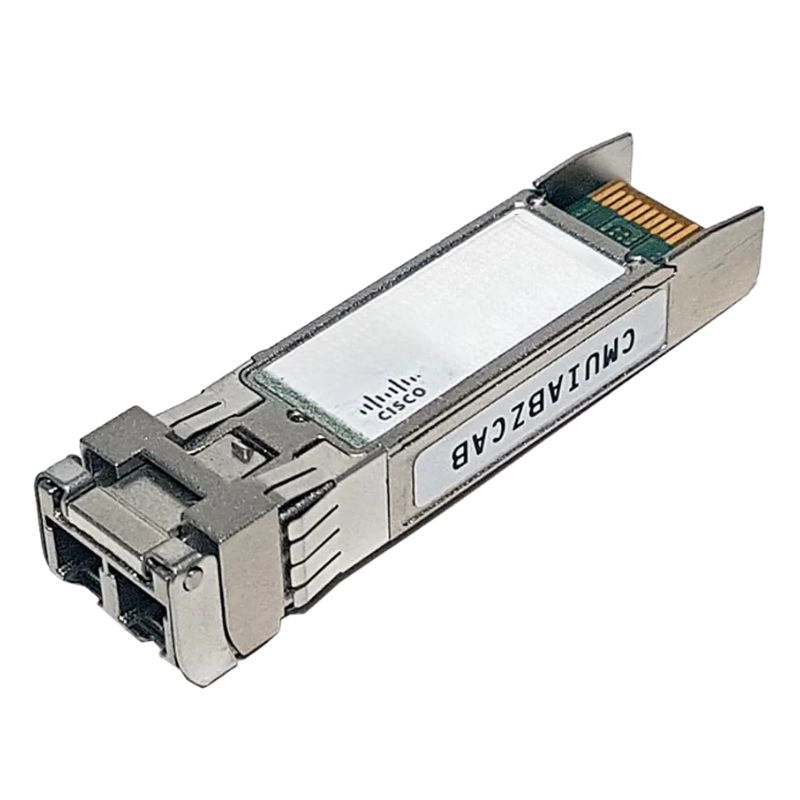


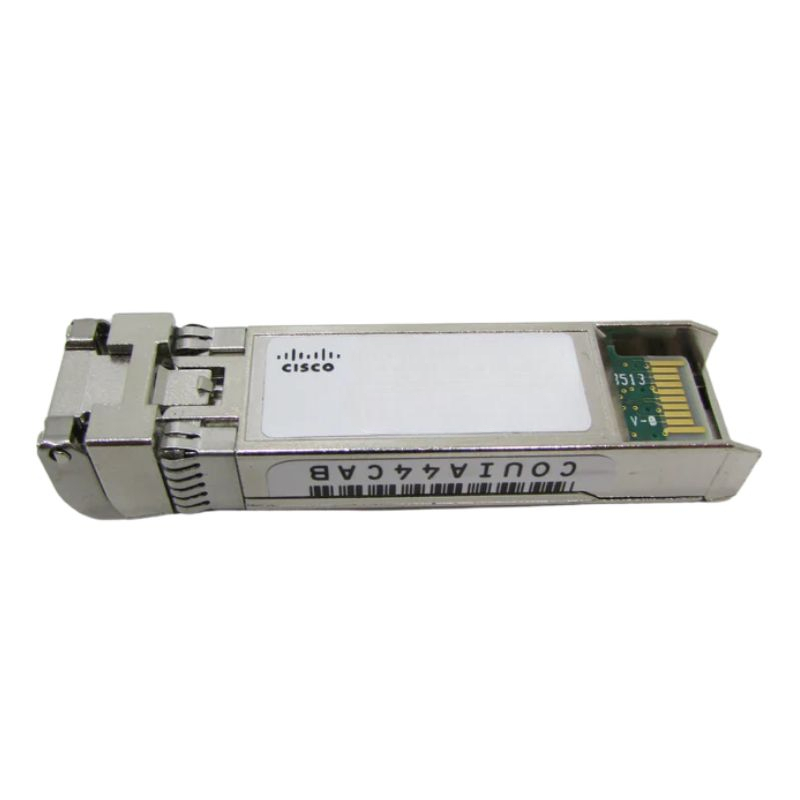
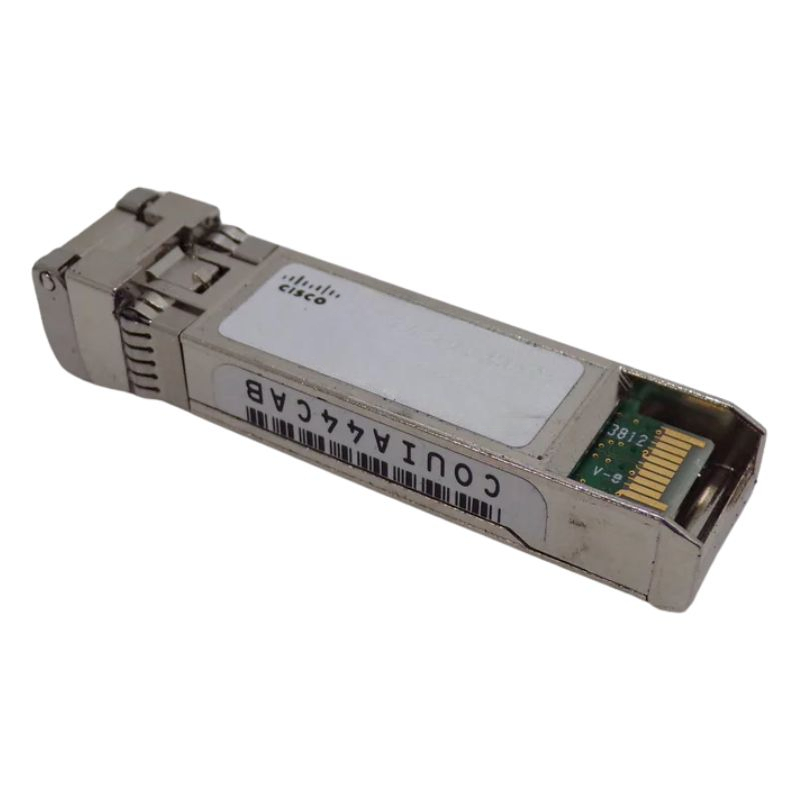
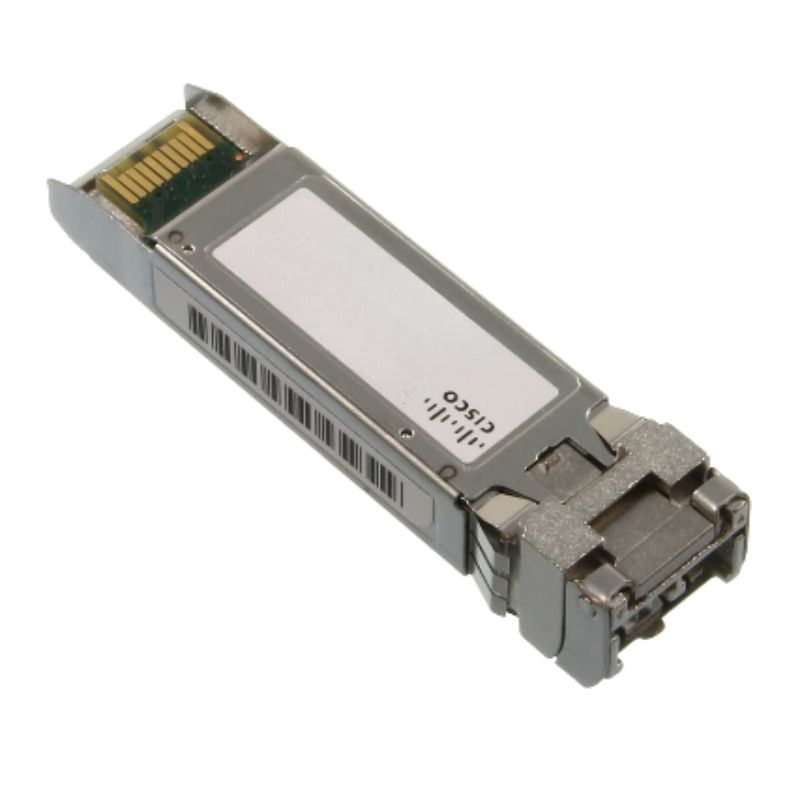
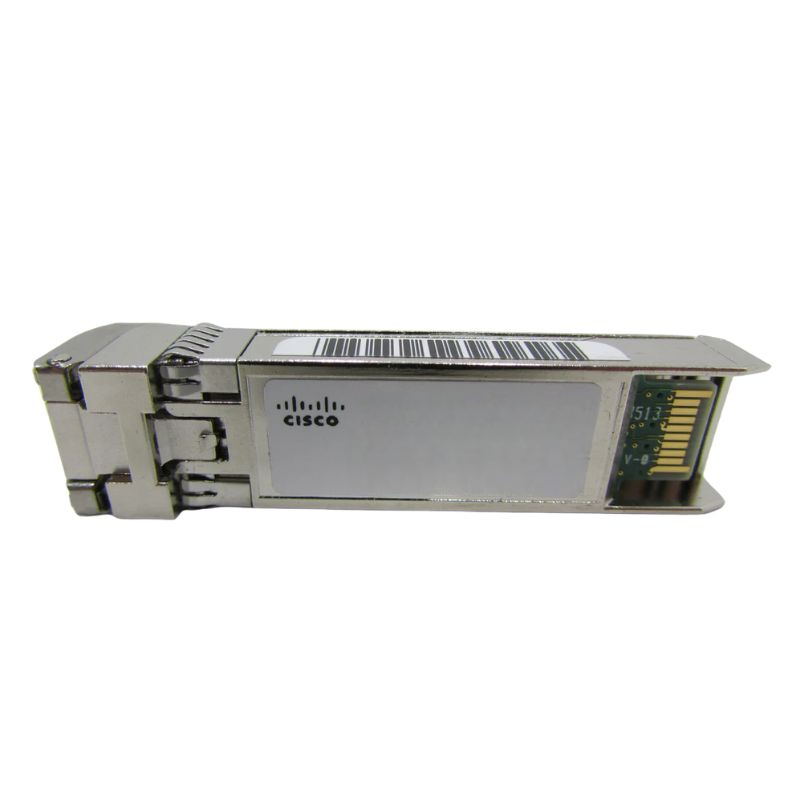
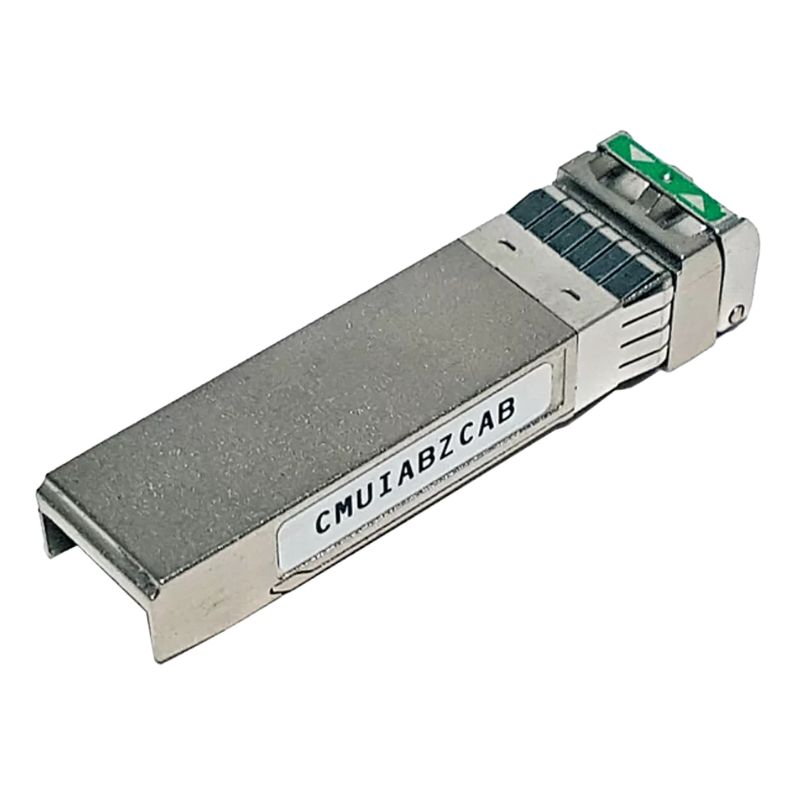
Cisco 10-2566-02 Fabric Extender Multi-Mode SFP+ Transceiver Module. Excellent Refurbished with 1 year replacement warranty
| SKU/MPN | Warranty | Price | Condition | You save |
|---|---|---|---|---|
| 10-2566-02 | 1 Year Warranty | $65.00 | Excellent Refurbished | You save: $22.75 (26%) |
| 10-2566-02 | 1 Year Warranty | $235.00 | Factory-Sealed New in Original Box (FSB) | You save: $82.25 (26%) |
The Cisco 10-2566-02 Multi-Mode SFP+ Transceiver Module is a high-performance optical networking component designed for reliable 10Gbps data transmission in enterprise and data center environments. It delivers efficient connectivity for modern high-speed switching systems.
The Cisco 10-2566-02 Fabric Extender Multi-Mode SFP+ Transceiver Module is a high-performance optical networking component designed for modern data center environments where scalability, high bandwidth density, and low latency communication are critical. This transceiver module plays a vital role in enabling high-speed 10 Gigabit Ethernet connectivity across Fabric Extender (FEX) architectures, ensuring seamless communication between top-of-rack switches and parent switching systems. Built to support multi-mode fiber infrastructures, it delivers optimized short-range optical transmission, making it ideal for intra-data center connections where efficiency and reliability are essential.
In enterprise-grade networking environments, the demand for rapid data exchange between servers, switches, and storage systems continues to grow. The Cisco 10-2566-02 transceiver is engineered specifically to meet these demands by providing a stable and high-throughput optical interface. It enables 10 Gbps transmission speeds, ensuring that data-heavy workloads such as virtualization, cloud computing, and real-time analytics can be handled without congestion or performance degradation.
This module is commonly deployed in environments that require predictable and consistent performance, particularly where Fabric Extender technology is implemented to simplify network architecture and improve operational efficiency.
Cisco Fabric Extender (FEX) architecture is a network design approach that extends the switching fabric of a parent switch to multiple remote line cards, known as fabric extenders. This approach reduces the number of managed switches in a data center while centralizing control and management functions. The Cisco 10-2566-02 SFP+ module is a key optical component that enables high-speed uplinks between the FEX and the parent switch.
By decoupling the control plane from the forwarding plane, FEX architecture allows for simplified network management, reduced configuration complexity, and improved scalability. The transceiver module ensures that the physical layer connectivity remains robust and efficient, even in large-scale deployments.
Within a typical data center topology, the Cisco 10-2566-02 module is used to establish uplink connections between fabric extenders and aggregation switches. These connections are typically short-range, making multi-mode fiber an optimal choice due to its cost-effectiveness and sufficient bandwidth capacity for distances commonly found within racks or between adjacent racks.
The module ensures consistent signal integrity, allowing enterprises to maintain predictable performance across their network infrastructure without introducing unnecessary complexity or latency.
The Cisco 10-2566-02 transceiver supports 10 Gigabit Ethernet standards, which are essential for modern high-speed networks. This level of throughput enables rapid data transfer between network nodes, supporting bandwidth-intensive applications such as large-scale virtualization clusters, high-frequency trading systems, and distributed cloud services.
Its design ensures stable optical transmission with minimal packet loss, contributing to improved overall network reliability and performance consistency.
One of the defining characteristics of the Cisco 10-2566-02 module is its compatibility with multi-mode fiber (MMF) cabling. Multi-mode fiber is optimized for short-distance transmission and is widely used in data centers due to its cost efficiency and ease of installation. The module typically operates within standard optical windows suitable for OM3 and OM4 fiber types, ensuring efficient signal propagation.
By leveraging multi-mode fiber, organizations can reduce infrastructure costs while still achieving high-speed connectivity within localized environments.
The optical design of the Cisco 10-2566-02 ensures high signal integrity through controlled dispersion and reduced attenuation. This allows data signals to maintain clarity over supported distances without requiring complex signal regeneration or amplification systems. The module's engineering minimizes jitter and ensures stable communication even under heavy network loads.
The module is optimized for short-reach communication, typically within data center racks or adjacent rack rows. While exact distance capability depends on fiber quality and environmental conditions, it is generally suitable for high-density environments where devices are located within close physical proximity.
The Cisco 10-2566-02 module is designed to maximize bandwidth utilization in environments where multiple high-demand applications operate simultaneously. By supporting full-duplex 10 Gbps transmission, it ensures that both upstream and downstream data flows remain uninterrupted. This is particularly important in virtualization-heavy environments where virtual machines frequently exchange large volumes of data.
The module contributes to reducing network bottlenecks by ensuring that Fabric Extender uplinks do not become a limiting factor in overall system performance.
Latency is a critical factor in modern data center operations. The Cisco 10-2566-02 minimizes transmission delays through efficient optical conversion processes and optimized hardware design. This makes it suitable for applications requiring near real-time responsiveness, such as financial trading platforms, cloud-based application hosting, and distributed database systems.
By reducing latency at the physical layer, the module contributes to improved application-level performance and user experience.
In enterprise data centers, the Cisco 10-2566-02 is widely used to connect servers, switches, and storage systems through Fabric Extender deployments. Its ability to provide high-speed connectivity while maintaining simplified management structures makes it an ideal choice for organizations seeking operational efficiency and reduced administrative overhead.
These environments often require predictable performance across large-scale infrastructures, and the module ensures consistent optical connectivity across multiple network segments.
Cloud environments rely heavily on scalable and high-throughput networking components. The Cisco 10-2566-02 supports these requirements by providing reliable 10G connectivity that can handle dynamic workloads and fluctuating traffic patterns. Its compatibility with Fabric Extender architecture allows cloud operators to expand infrastructure without significantly increasing management complexity.
This scalability is particularly valuable in multi-tenant environments where resource isolation and performance consistency are essential.
Virtualized environments generate significant east-west traffic between servers. The Cisco 10-2566-02 helps manage this traffic efficiently by ensuring high-speed data transfer between hypervisors and storage systems. Its role in maintaining network stability becomes even more important as server density increases and workloads become more distributed.
When designing networks that incorporate the Cisco 10-2566-02, careful consideration must be given to fiber layout, distance limitations, and device placement. Multi-mode fiber cabling should be deployed in environments where devices are within close proximity to ensure optimal signal performance. Avoiding excessive bending or strain on fiber cables also helps maintain transmission quality.
Proper cabling practices significantly impact the performance of optical transceivers. The Cisco 10-2566-02 performs best when used with high-quality multi-mode fiber cables that adhere to industry standards. Environmental factors such as dust, temperature fluctuations, and physical interference can affect signal integrity, making proper cable management essential in data center environments.
Maintaining organized cabling pathways also simplifies troubleshooting and reduces the likelihood of accidental disconnections or signal degradation.
The Cisco 10-2566-02 is engineered for continuous operation in demanding enterprise environments. Its robust optical components are designed to withstand long-term usage without significant performance degradation. This reliability is essential in environments where downtime can result in substantial operational and financial impact.
The module maintains stable performance even under sustained high traffic conditions, making it suitable for mission-critical applications.
The Cisco 10-2566-02 is designed to integrate seamlessly with Cisco switching platforms that support SFP+ interfaces and Fabric Extender architecture. This compatibility ensures that organizations can deploy the module without requiring extensive configuration changes or hardware modifications.
Its interoperability within Cisco ecosystems enhances network consistency and reduces potential compatibility issues across infrastructure components.
As organizations grow, network infrastructure must scale accordingly. The Cisco 10-2566-02 supports scalable deployment strategies by enabling additional Fabric Extender connections without redesigning the core network architecture. This flexibility is essential for businesses experiencing rapid growth or evolving data requirements.
The Cisco 10-2566-02, designed for multi-mode fiber, differs significantly from single-mode transceiver modules in terms of range, cost, and application suitability. Multi-mode modules are optimized for short-distance communication within data centers, while single-mode modules are intended for long-distance transmission across campuses or metropolitan networks.
Multi-mode solutions like the Cisco 10-2566-02 offer cost advantages due to less expensive cabling infrastructure and simpler installation requirements. However, they are not designed for extended reach beyond typical data center environments.
Selecting between multi-mode and single-mode transceivers depends on network design objectives. The Cisco 10-2566-02 is ideal for environments prioritizing high-density, short-range connectivity with simplified infrastructure. In contrast, single-mode alternatives are chosen when distance is the primary constraint.
Understanding these tradeoffs allows network architects to design more efficient and cost-effective infrastructures tailored to specific operational needs.


 Contact Us
 Information
 Catalog
 Solid State Drives (SSD)
 Network Switches
 Hard Disk Drives
 HBA & Controllers
 PC & Servers
 PC & Server Memory
 CPU & Processors
 Network Routers
 Power Supplies
 Tape Drives & Libraries
 Network Devices
 Computer & Network Cables