(7% discount is applied at checkout)
Cart is empty
Your go-to destination for cutting-edge server products
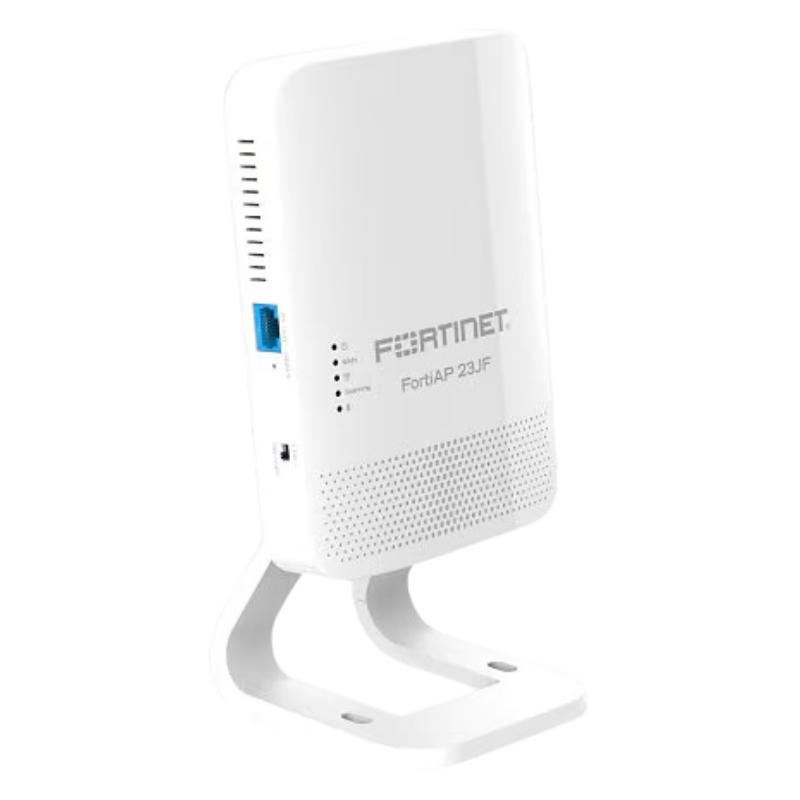


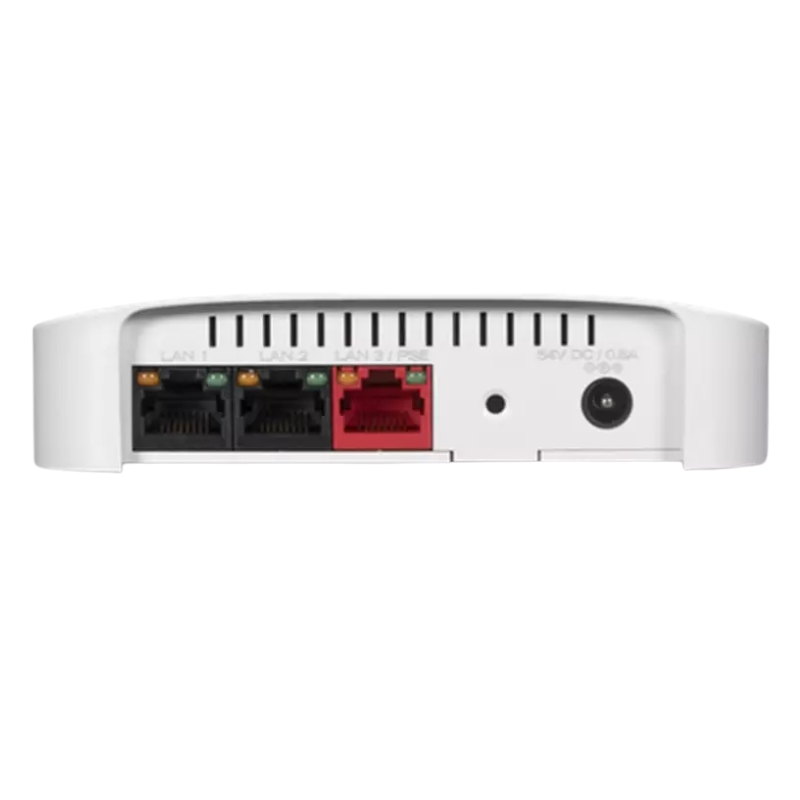
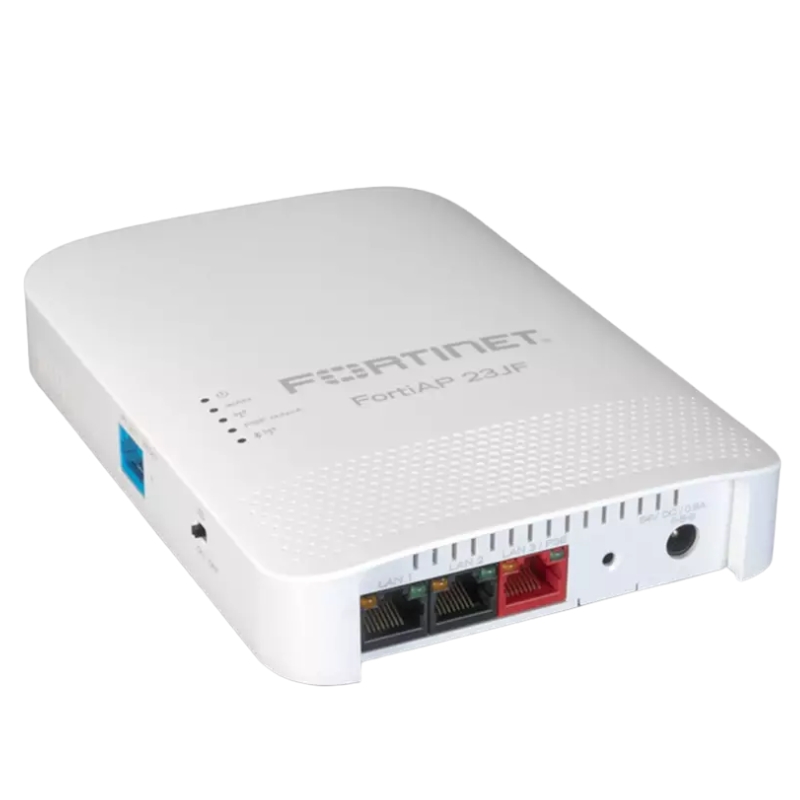
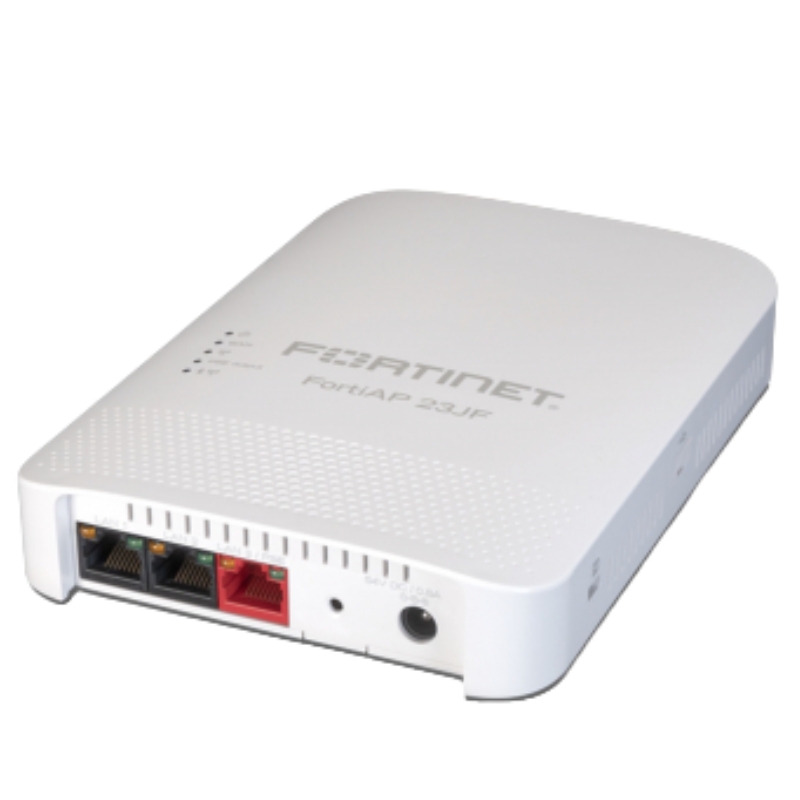
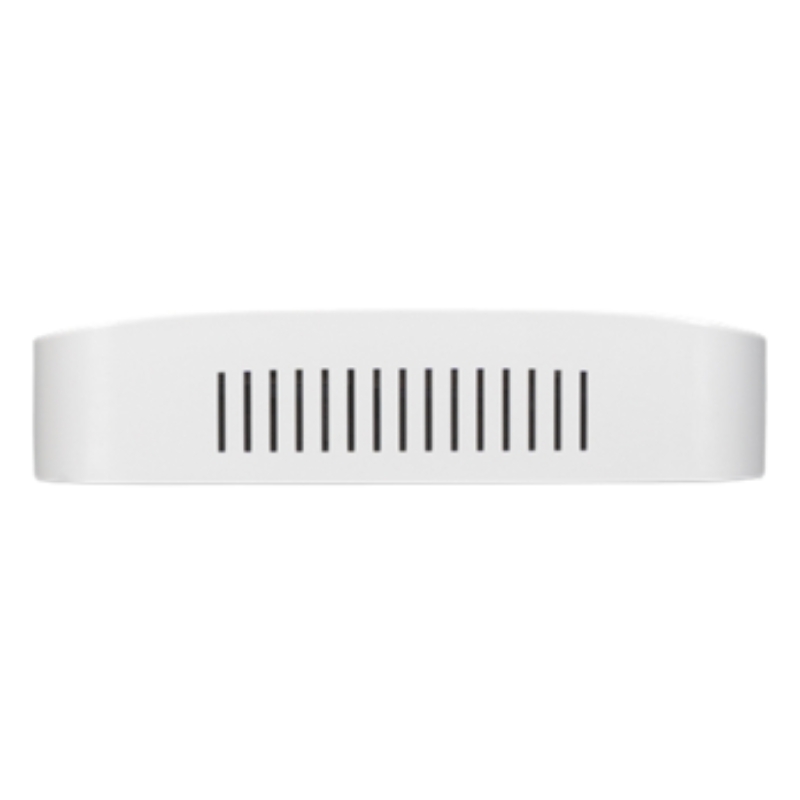
Fortinet FAP-23JF-A Tri Radio Indoor Wallplate Access Point Internal Antenna. New Sealed 1 year replacement warranty
The Fortinet FAP-23JF-A is a high-performance wireless access point designed for modern enterprises. Featuring advanced Wi-Fi 6 technology, tri-radio architecture, and internal antennas, it ensures seamless connectivity and optimized coverage.
The Fortinet FAP-23JF-A Tri Radio Indoor Wallplate Access Point Internal Antenna represents a highly specialized segment within enterprise wireless networking infrastructure designed for environments where discreet deployment, high-density connectivity, and secure network integration are essential. This category of wallplate access points is engineered to merge seamlessly into structured cabling systems, typically replacing or coexisting with standard in-wall Ethernet outlets. It is part of a broader class of Fortinet FortiAP solutions that prioritize unified security, centralized management, and high-performance wireless coverage tailored for modern digital workplaces, hospitality environments, healthcare facilities, and educational institutions.
As wireless demands continue to grow across enterprise environments, the need for compact, aesthetically integrated, and high-capacity access points has become increasingly important. The Fortinet FAP-23JF-A category addresses these demands by combining tri-radio architecture with internal antenna design and wallplate form factor efficiency, enabling organizations to deliver seamless WiFi experiences without compromising interior design or deployment flexibility.
Wall plate access points such as the Fortinet FAP-23JF-A are designed to integrate directly into existing wall outlets, often utilizing standard Ethernet backboxes. This architectural approach eliminates the need for ceiling-mounted hardware while ensuring optimal wireless distribution at user-device height, which can be particularly advantageous in hotel rooms, dormitories, patient rooms, and office cubicles. The internal antenna system is carefully engineered to provide balanced signal propagation while maintaining a low-profile appearance that blends into interior environments.
The wall plate design philosophy prioritizes both form and function. Unlike traditional access points that may require visible mounting brackets or ceiling placement, wall plate units reduce visual clutter and simplify deployment logistics. This makes them particularly suitable for large-scale deployments where uniformity and aesthetic consistency are required across hundreds or thousands of rooms or workspaces.
The internal antenna system embedded within the Fortinet FAP-23JF-A category is designed to optimize RF performance while maintaining compact physical dimensions. Internal antennas are tuned for multi-band operation, ensuring stable coverage across both 2.4 GHz and 5 GHz frequency ranges, while also supporting advanced scanning and optimization functions depending on firmware capabilities.
The engineering challenge in internal antenna design lies in balancing signal strength, radiation pattern consistency, and interference mitigation within a confined enclosure. Fortinet’s design approach emphasizes controlled signal dispersion, ensuring that coverage remains consistent across adjacent rooms while minimizing bleed-through that could cause channel interference or security exposure.
Tri-radio architecture in enterprise access points such as the Fortinet FAP-23JF-A category typically refers to the inclusion of multiple dedicated radio chains that serve distinct operational roles. These often include simultaneous support for 2.4 GHz and 5 GHz client access alongside a dedicated scanning or monitoring radio used for RF optimization, intrusion detection, and spectrum analysis.
This architecture enables continuous wireless service delivery while simultaneously monitoring environmental conditions within the RF spectrum. The result is improved network stability, enhanced security visibility, and more efficient channel utilization, especially in dense deployments where interference and congestion are common challenges.
Multi-radio systems allow traffic segmentation and intelligent load distribution across available frequency bands. In environments where numerous devices operate simultaneously, such as hospitality suites or enterprise meeting rooms, tri-radio access points help maintain consistent throughput by dynamically balancing client connections.
The scanning radio plays a critical role in ensuring that performance remains optimal. It continuously evaluates nearby RF activity, identifies potential sources of interference, and assists centralized controllers in adjusting channel assignments or transmission power levels. This proactive optimization helps maintain stable network conditions even in rapidly changing wireless environments.
One of the most prominent use cases for the Fortinet FAP-23JF-A category is within the hospitality industry. Hotels and resorts require wireless infrastructure that is both high-performing and unobtrusive. Wallplate access points are typically installed in guest rooms, providing dedicated connectivity per room while eliminating the need for shared hallway-mounted APs that may suffer from signal attenuation through multiple walls.
The internal antenna design ensures that coverage is concentrated within the intended room space, improving guest experience by providing reliable streaming, conferencing, and browsing capabilities. Additionally, centralized management enables hotel IT administrators to monitor and control wireless performance across entire properties from a single interface.
In healthcare environments, wireless reliability and security are critical. Wallplate access points support patient room connectivity, medical device communication, and staff mobility without introducing bulky hardware into sensitive clinical environments. The compact design ensures that devices do not interfere with medical equipment placement or hygiene protocols.
The Fortinet security ecosystem enhances this deployment model by integrating network access control, segmentation, and policy enforcement directly into the wireless infrastructure. This ensures that sensitive patient data remains protected while enabling seamless connectivity for authorized devices.
Educational environments such as universities and dormitories benefit significantly from wallplate access point deployments. Each room can be equipped with dedicated wireless coverage, reducing contention and improving overall student connectivity experience. The tri-radio architecture ensures that high-density usage scenarios, such as simultaneous streaming, online learning, and gaming, do not degrade network performance.
Centralized management allows IT departments to enforce usage policies, monitor network health, and deploy updates across multiple buildings efficiently. This scalability is essential in large campus environments where thousands of users rely on consistent connectivity.
Modern enterprise office spaces often adopt flexible seating arrangements, hot-desking, and open-plan layouts. Wallplate access points support these dynamic environments by providing localized connectivity zones that reduce congestion and improve roaming performance. Employees benefit from stable wireless connections regardless of their workstation location, while IT administrators gain granular control over network segmentation and security policies.
A defining feature of Fortinet wireless solutions, including the FAP-23JF-A category, is deep integration with Fortinet’s security fabric architecture. This allows access points to function not only as connectivity devices but also as extensions of enterprise-grade security systems. Traffic passing through the access point can be inspected, filtered, and controlled based on organizational policies.
This integration ensures that wireless networks are not isolated from broader cybersecurity frameworks. Instead, they become active components of a unified threat management system capable of detecting anomalies, enforcing compliance, and responding to threats in real time.
Wall plate access points support advanced authentication mechanisms, including enterprise-grade encryption and identity-based access control. This ensures that only authorized devices can connect to the network, reducing the risk of unauthorized access or lateral movement within the infrastructure.
In environments such as hotels or hospitals, where multiple user types coexist, segmentation becomes essential. The Fortinet ecosystem enables role-based access policies that separate guest traffic, staff communications, and IoT device connectivity into distinct logical networks.
The RF performance of wall plate access points is influenced heavily by their mounting position and internal antenna orientation. Unlike ceiling-mounted systems that provide omnidirectional coverage from above, wallplate units deliver lateral coverage patterns optimized for room-level distribution. This ensures strong signal strength within immediate user environments while minimizing interference with adjacent spaces.
Careful RF planning is essential when deploying these devices at scale. Channel assignment, transmit power calibration, and spatial distribution must be coordinated to avoid overlap and ensure consistent performance across multiple rooms or zones.
In dense wireless environments, interference management becomes a critical operational requirement. The tri-radio system assists in continuously monitoring spectrum usage and identifying congested channels. By dynamically adjusting operational parameters, the system helps maintain optimal throughput and reduces packet loss or latency issues.
Spectrum efficiency is further enhanced through intelligent load balancing and client steering, ensuring that devices are distributed across available bands in a way that maximizes performance and minimizes congestion.
The Fortinet FAP-23JF-A category is typically managed through centralized controllers such as FortiGate integrated wireless controllers or FortiLAN Cloud platforms. This centralized approach allows administrators to configure, monitor, and optimize multiple access points from a single interface.
Centralized management simplifies large-scale deployments by enabling uniform configuration policies, automated firmware updates, and real-time performance monitoring. It also enhances security by ensuring consistent enforcement of network rules across all connected devices.
Scalability is a key advantage of Fortinet’s wireless architecture. Wallplate access points can be deployed incrementally as infrastructure expands, making them suitable for phased rollouts in large buildings or multi-site organizations. The system architecture supports seamless scaling without requiring major redesigns of existing network infrastructure.
Most wallplate access points, including those in the Fortinet FAP-23JF-A category, utilize Power over Ethernet (PoE) for simplified deployment. This eliminates the need for separate power adapters and allows both data and power to be delivered through a single Ethernet cable. This significantly reduces installation complexity and supports cleaner infrastructure design.
PoE deployment also enhances flexibility in positioning, allowing devices to be installed in locations where traditional power outlets may not be conveniently available. This is particularly beneficial in retrofitted buildings or high-density accommodation environments.
Energy efficiency is an important aspect of modern enterprise networking equipment. Wallplate access points are designed to optimize power consumption while maintaining high performance. Intelligent power scaling ensures that energy usage is adjusted based on traffic load and operational conditions, contributing to overall sustainability goals within enterprise IT infrastructure.
The evolution of wallplate access points is closely aligned with the development of smart building technologies. Future iterations are expected to integrate more deeply with IoT ecosystems, enabling access points to serve as connectivity hubs for sensors, automation systems, and environmental monitoring devices.
This convergence of wireless networking and smart infrastructure will further enhance the value proposition of wallplate deployments, transforming them from simple connectivity devices into multifunctional digital infrastructure components.


 Contact Us
 Information
 Catalog
 Solid State Drives (SSD)
 Network Switches
 Hard Disk Drives
 HBA & Controllers
 PC & Servers
 PC & Server Memory
 CPU & Processors
 Network Routers
 Power Supplies
 Tape Drives & Libraries
 Network Devices
 Computer & Network Cables