(7% discount is applied at checkout)
Cart is empty
Your go-to destination for cutting-edge server products
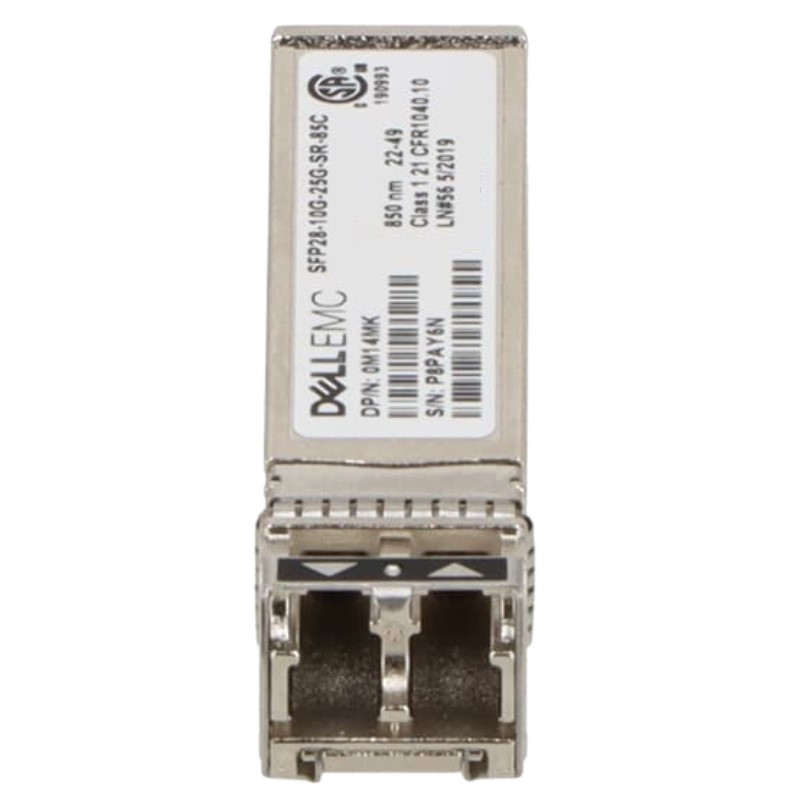


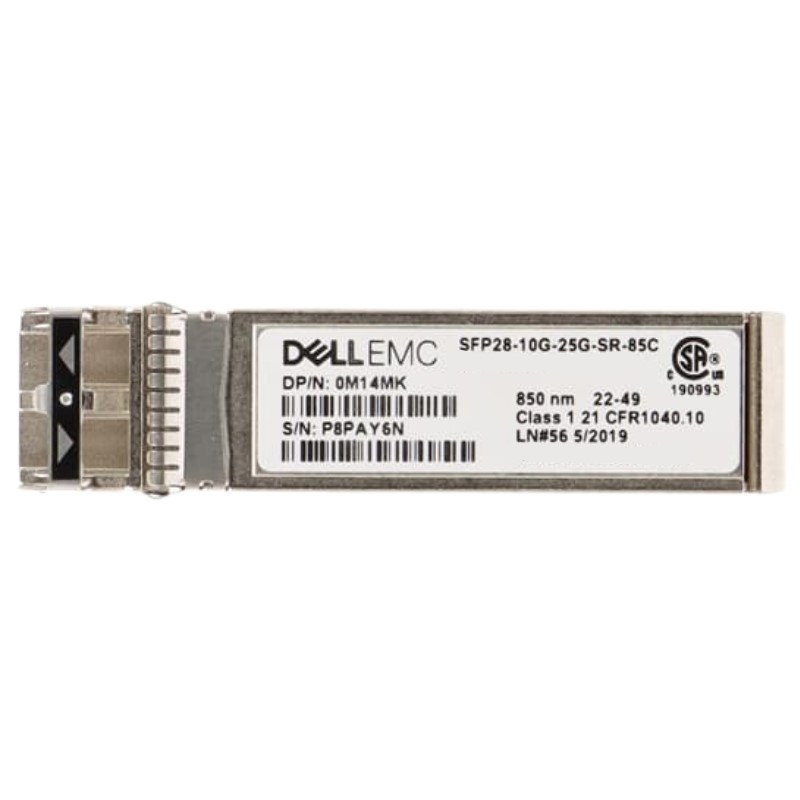
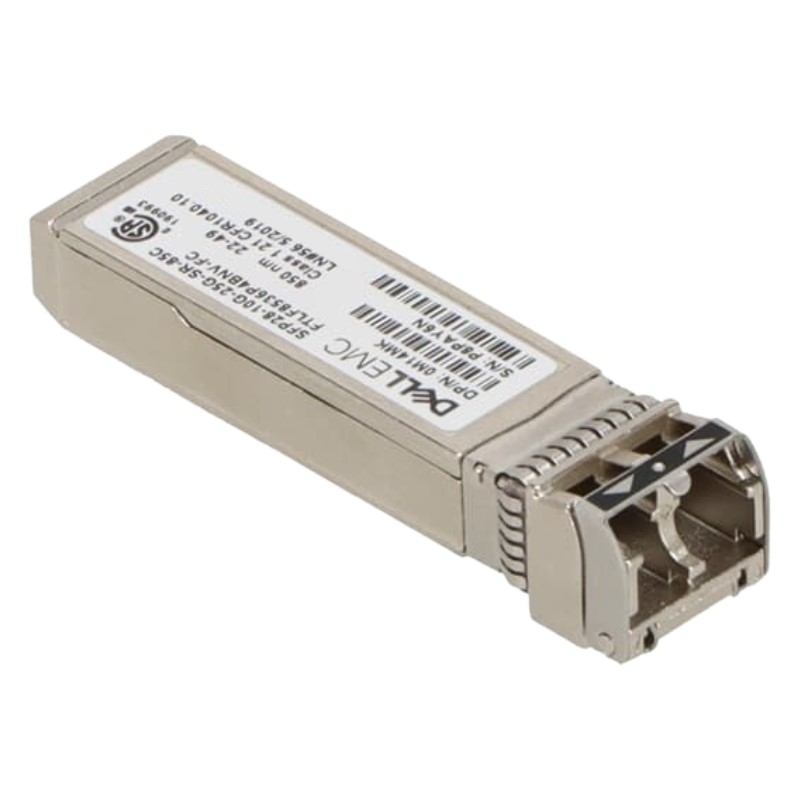
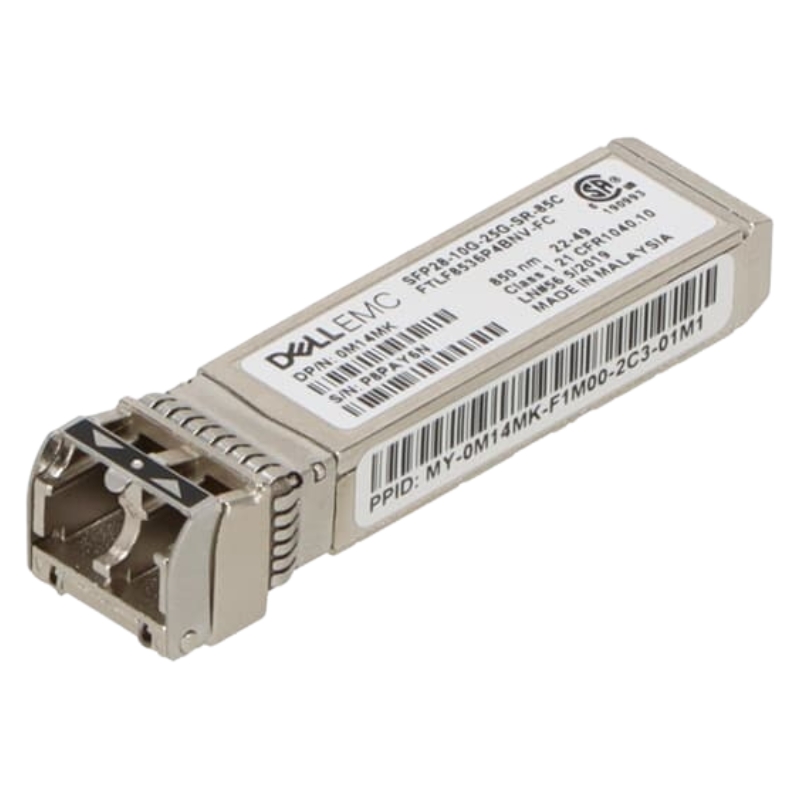
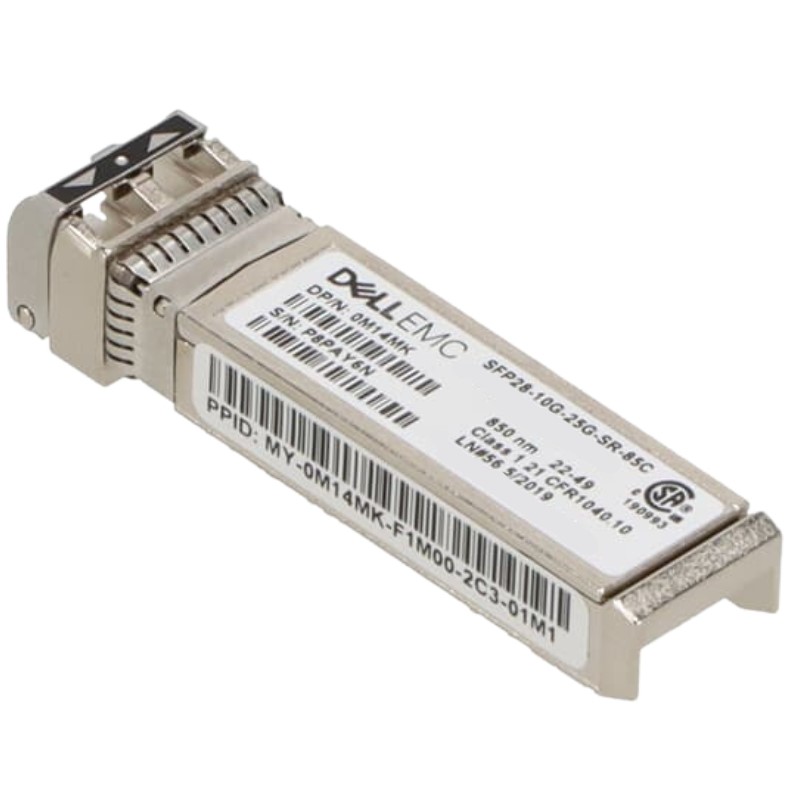
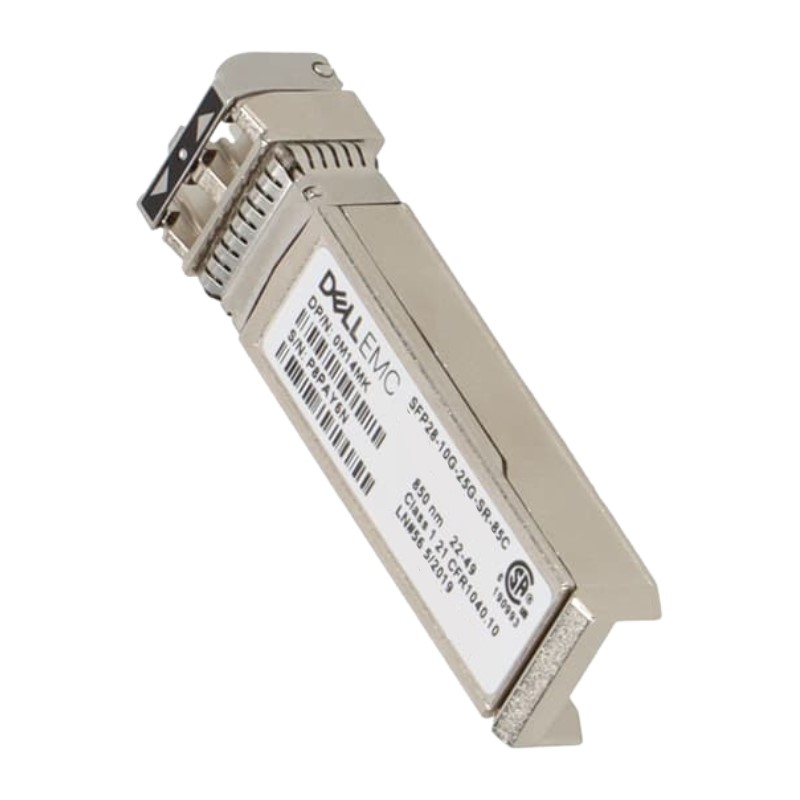
Intel FTLF8536P5BNL-IT Ethernet SFP28 25 Gigabit Optical Transceiver Module. Excellent Refurbished with 1 year Replacement Warranty
Intel FTLF8536P5BNL-IT SFP28 Transceiver Module
The Intel FTLF8536P5BNL-IT is a high-speed SFP28 optical transceiver engineered for modern Ethernet networking environments that require reliable 10 Gigabit and 25 Gigabit connectivity. Designed as a compact plug-in module, this networking component enables efficient data transmission across multimode fiber infrastructure while maintaining exceptional signal integrity and low latency performance.
The Intel FTLF8536P5BNL-IT Ethernet SFP28 25 Gigabit Optical Transceiver Module is engineered to support modern high-speed networking environments that require reliable data transmission, low latency communication, and seamless integration with enterprise-class networking equipment. As organizations continue to expand their digital infrastructure, the demand for advanced optical transceiver solutions has increased significantly. This 25 Gigabit Ethernet optical module is designed to meet the performance requirements of data centers, cloud computing facilities, virtualization platforms, storage networks, telecommunications systems, and enterprise backbone deployments.
As network traffic volumes continue to rise due to virtualization, cloud services, artificial intelligence workloads, machine learning applications, and large-scale data processing operations, organizations require networking components capable of supporting higher transmission speeds. The Intel FTLF8536P5BNL-IT Ethernet SFP28 25 Gigabit Optical Transceiver Module delivers robust 25GbE connectivity that enables faster communication between servers, storage systems, and networking devices.
The 25 Gigabit Ethernet standard offers a significant improvement over traditional 10 Gigabit Ethernet deployments while providing an efficient migration path toward higher-speed infrastructures. Organizations seeking to increase bandwidth without immediately transitioning to more expensive 40GbE or 100GbE architectures often find 25GbE solutions to be a highly effective alternative. The transceiver's performance characteristics contribute to improved application responsiveness, enhanced workload distribution, and reduced network bottlenecks.
Data centers depend on highly efficient networking components that can operate continuously while maintaining reliable performance levels. The Intel FTLF8536P5BNL-IT module is developed to support the demanding operational requirements of contemporary data center environments. Whether deployed within hyperscale cloud facilities or enterprise server rooms, this transceiver supports efficient communication across critical network segments.
Modern data centers frequently utilize leaf-spine architectures, virtualization clusters, software-defined networking frameworks, and converged infrastructure solutions. The optical transceiver's ability to facilitate high-speed communication between interconnected devices contributes to lower latency and improved network responsiveness. These characteristics are particularly important for organizations operating mission-critical applications that require consistent data delivery and uninterrupted connectivity.
Network density remains a crucial consideration for organizations seeking to maximize rack utilization and optimize infrastructure investments. The compact SFP28 form factor allows network engineers to deploy large numbers of optical interfaces within a limited physical footprint. This capability enables higher port density across switches, routers, and network interface cards while preserving valuable rack space.
By supporting dense networking configurations, the transceiver helps organizations scale their infrastructure more effectively. High-density deployment options are particularly beneficial in cloud environments where thousands of interconnected devices must communicate efficiently without compromising performance.
Infrastructure simplification is a key objective for many IT departments. The Intel FTLF8536P5BNL-IT transceiver contributes to this goal by supporting standardized optical connectivity solutions that integrate seamlessly with compatible networking hardware. Standardized deployment strategies help reduce configuration complexity, streamline maintenance procedures, and improve overall network manageability.
Optical networking technologies provide numerous benefits compared to traditional copper-based transmission methods. The Intel FTLF8536P5BNL-IT Ethernet SFP28 Optical Transceiver Module leverages optical communication principles to deliver enhanced signal integrity, reduced electromagnetic interference, and reliable long-term performance.
Optical transmission supports higher bandwidth capacities while minimizing signal degradation over distance. These advantages are particularly valuable in environments where consistent data delivery and reliable network performance are essential operational requirements.
Signal integrity plays an important role in network stability and data accuracy. Optical transceivers provide cleaner transmission paths by reducing susceptibility to electromagnetic disturbances commonly encountered in densely populated networking environments. Enhanced signal quality contributes to improved communication reliability and minimizes transmission errors that can negatively impact application performance.
Efficient data transport is essential for supporting modern digital workloads. The transceiver facilitates rapid information exchange between interconnected systems while maintaining stable communication channels. This efficiency helps organizations optimize resource utilization and support increasingly demanding network traffic patterns.
Compatibility remains one of the most important considerations when selecting networking components. The Intel FTLF8536P5BNL-IT Ethernet SFP28 25 Gigabit Optical Transceiver Module is designed to work within standardized networking ecosystems, enabling integration with a wide range of compatible devices and network infrastructures.
Organizations frequently operate heterogeneous networking environments consisting of multiple hardware platforms and equipment generations. A standards-based transceiver solution helps facilitate interoperability across these diverse infrastructures while reducing deployment challenges and operational complications.
Enterprise networking environments require dependable connectivity solutions capable of supporting critical business operations. The transceiver module is suitable for deployment within switches, routers, network interface cards, storage networking platforms, and other compatible equipment. Its design supports integration into complex enterprise ecosystems where reliability and consistency are essential.
Business continuity depends on dependable networking components capable of sustaining continuous operation under demanding conditions. The Intel FTLF8536P5BNL-IT Ethernet SFP28 25 Gigabit Optical Transceiver Module is developed with reliability considerations that support long-term deployment within enterprise and service provider environments.
Organizations managing mission-critical systems require networking hardware that consistently delivers predictable performance. Reliable optical connectivity supports application availability, transaction processing, data replication, backup operations, and disaster recovery initiatives.
Many networking environments operate around the clock and require hardware components capable of maintaining performance over extended periods. The transceiver is designed to support continuous operation while contributing to overall network stability. Consistent performance characteristics help minimize disruptions and support uninterrupted business processes.
Networking hardware frequently operates within a variety of environmental conditions. Enterprise facilities, telecommunications installations, industrial networking environments, and large-scale data centers may each present unique operational challenges. The transceiver's robust engineering supports dependable performance across diverse deployment scenarios.
Corporate IT departments deploy high-speed networking technologies to support business applications, collaboration platforms, database systems, and digital transformation initiatives. The transceiver provides the bandwidth capabilities necessary to facilitate efficient communication throughout enterprise infrastructures.
Cloud providers manage enormous volumes of network traffic generated by customers utilizing virtual machines, storage services, containerized applications, and platform-based solutions. High-speed optical connectivity enables these providers to maintain service quality while accommodating increasing demand.
Telecommunications operators require robust networking solutions capable of transporting significant amounts of voice, video, and data traffic. The transceiver contributes to efficient network operation by supporting rapid data transmission and dependable communication pathways.
Financial institutions often require low-latency communication environments to support transaction processing, analytics platforms, and secure data exchanges. Reliable optical networking technologies help facilitate rapid information transfer while maintaining the performance standards expected within highly regulated industries.
Universities, research centers, and scientific institutions frequently utilize high-performance computing clusters and advanced storage systems that generate substantial network traffic. The Intel FTLF8536P5BNL-IT transceiver supports the bandwidth requirements associated with research workloads, large datasets, and collaborative computing initiatives.
Network scalability remains a fundamental objective for organizations planning future infrastructure growth. The Intel FTLF8536P5BNL-IT Ethernet SFP28 25 Gigabit Optical Transceiver Module enables organizations to expand network capacity while maintaining compatibility with modern architectural frameworks.
As bandwidth requirements continue to evolve, networking solutions must provide flexibility that accommodates changing operational demands. The 25 Gigabit Ethernet platform offers a practical balance between performance, efficiency, and cost-effectiveness, making it a valuable component within scalable infrastructure strategies.


 Contact Us
 Information
 Catalog
 Solid State Drives (SSD)
 Network Switches
 Hard Disk Drives
 HBA & Controllers
 PC & Servers
 PC & Server Memory
 CPU & Processors
 Network Routers
 Power Supplies
 Tape Drives & Libraries
 Network Devices
 Computer & Network Cables