(7% discount is applied at checkout)
Cart is empty
Your go-to destination for cutting-edge server products
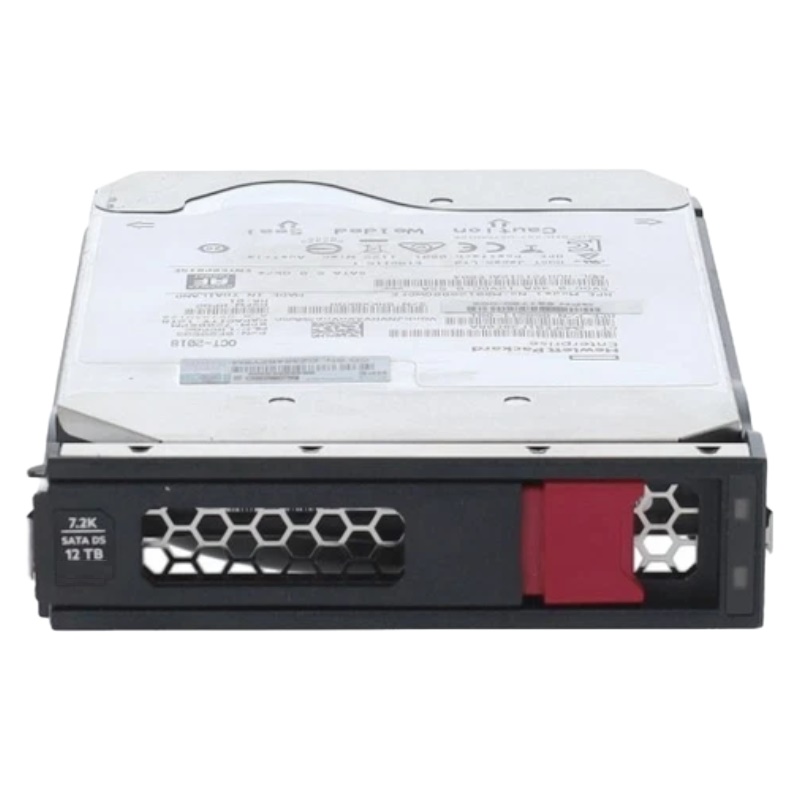


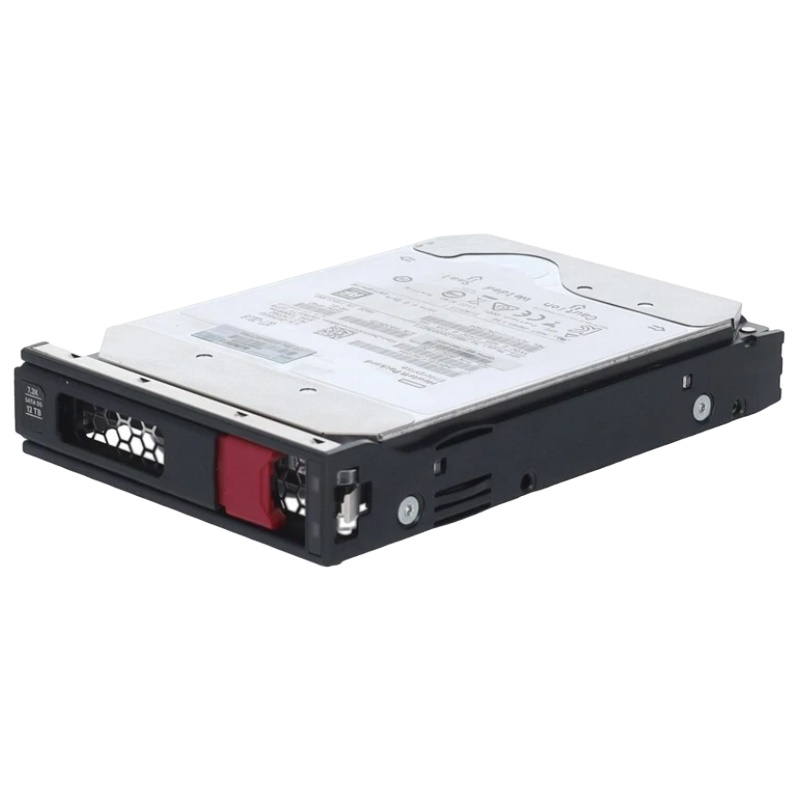
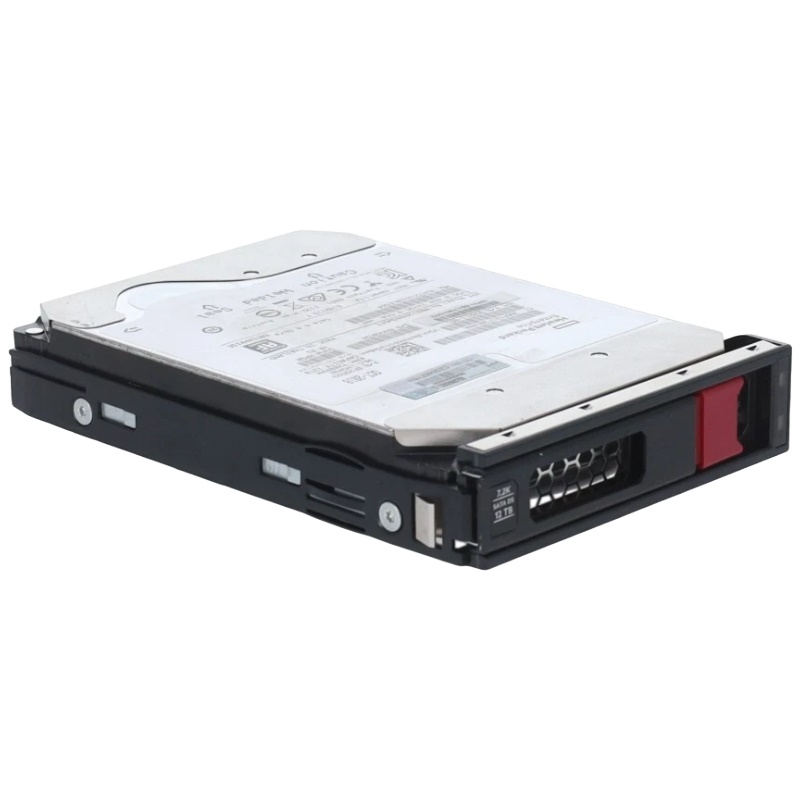
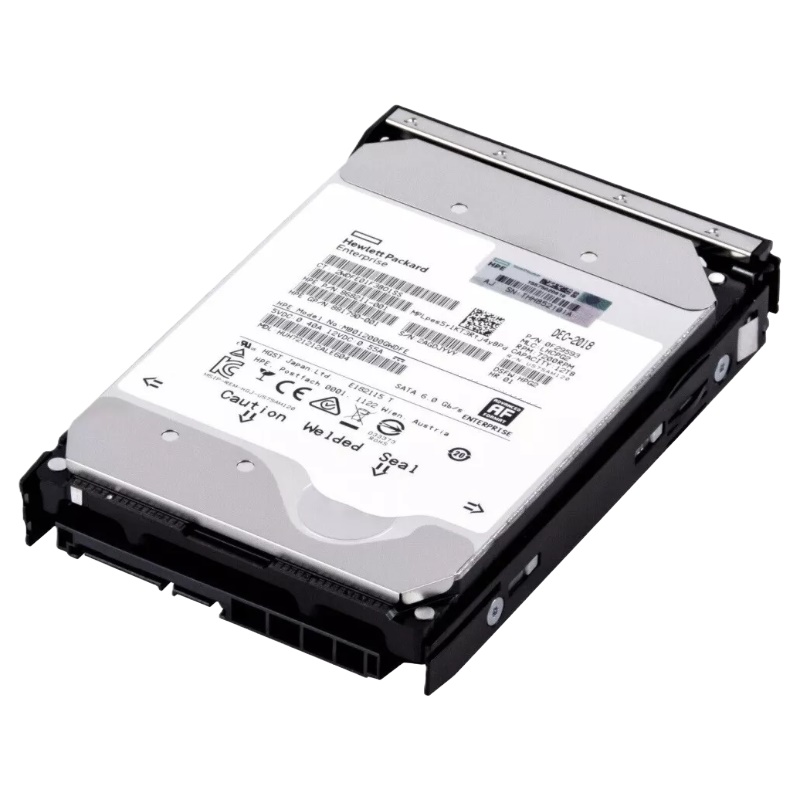
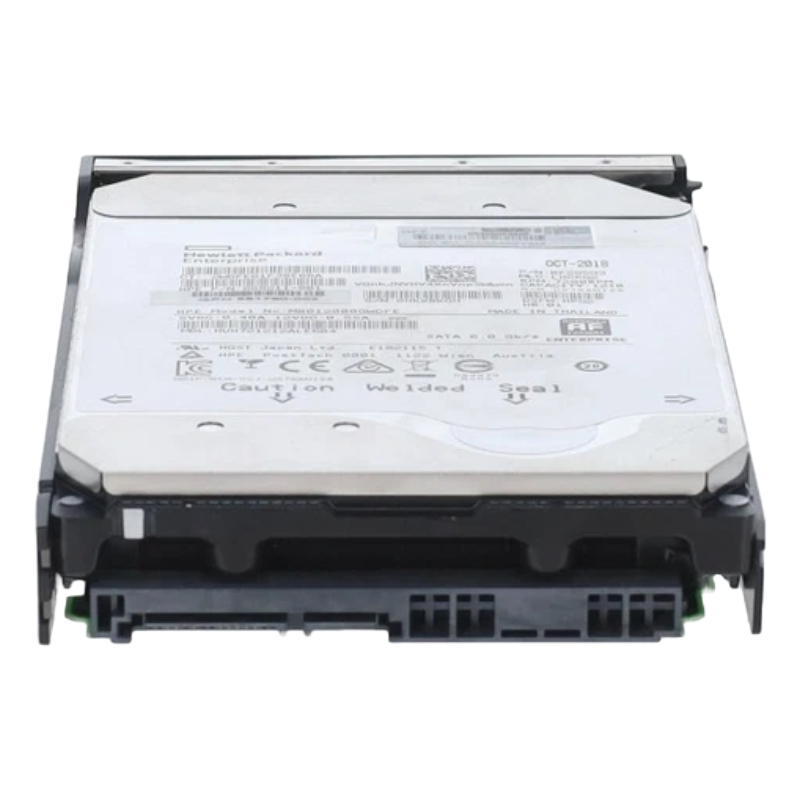
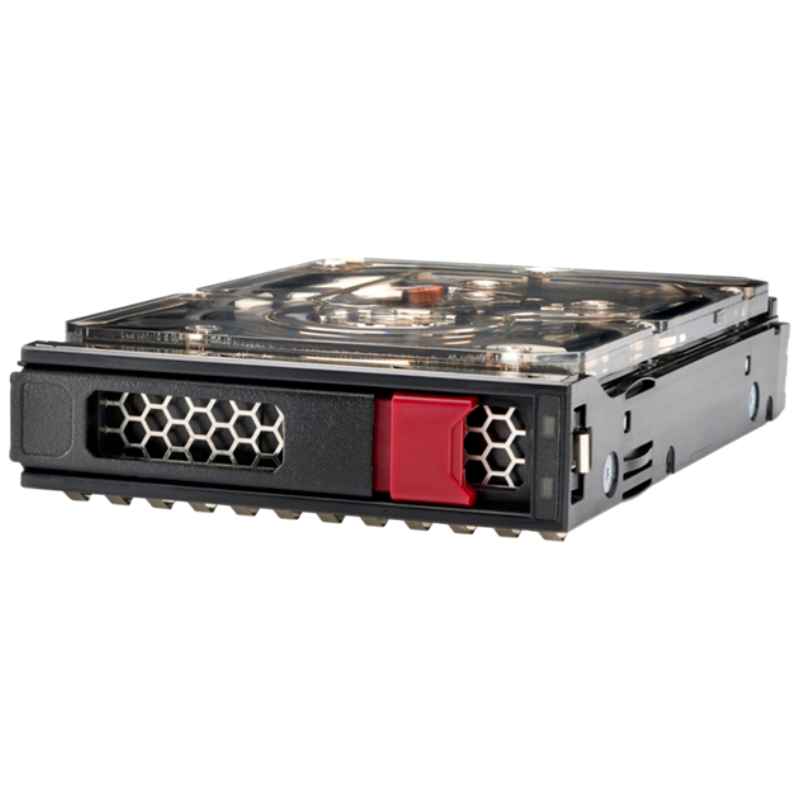
HPE 12TB 7.2K RPM SATA 6GBPS 3.5 Inch Midline Internal Hard Drive 881787-K21. Factory-Sealed New in Original Box (FSB) with 3 Year Warranty
| SKU/MPN | Warranty | Price | Condition | You save |
|---|---|---|---|---|
| 881787-K21 | 1 Year Warranty | $722.00 | Factory-Sealed New in Original Box (FSB) with 3 Year Warranty | You save: $252.70 (26%) |
| 881787-K21 | 1 Year Warranty | $399.00 | Excellent Refurbished | You save: $139.65 (26%) |
The HPE 881787-K21 is a high-capacity midline internal hard disk drive designed for enterprise-level storage solutions. With robust performance and compatibility across multiple server generations, it ensures reliable data management for demanding workloads.
The HPE 881787-K21 12TB 7.2K RPM SATA 6Gbps 3.5 Inch Midline Internal Hard Disk Drive represents a critical component in modern enterprise storage infrastructure. Designed to meet the increasing demands of data-intensive environments, this category of midline hard drives bridges the gap between high-performance enterprise drives and cost-effective archival solutions. As organizations generate and manage massive volumes of structured and unstructured data, the need for reliable, scalable, and efficient storage solutions has never been more essential.
This category encompasses drives engineered specifically for business-critical workloads where capacity, reliability, and efficiency are paramount. With a substantial 12TB storage capacity, these drives enable enterprises to consolidate data, reduce storage footprints, and optimize overall system performance without compromising on durability or long-term reliability.
Midline hard disk drives occupy a unique position within the enterprise storage hierarchy. Unlike entry-level desktop drives or high-end mission-critical drives, midline drives are optimized for workloads that require a balance between performance and capacity. These drives are ideal for applications such as data warehousing, backup storage, nearline storage, and large-scale content repositories.
The HPE 881787-K21 belongs to this midline category, offering a design that prioritizes sustained throughput and high-capacity storage over ultra-low latency operations. This makes it particularly suitable for environments where data access patterns are sequential rather than random.
The 7.2K RPM rotational speed is a defining characteristic of this category. While it is lower than high-performance 10K or 15K RPM drives, it provides an optimal balance between energy efficiency and performance. This rotational speed ensures consistent data transfer rates while minimizing power consumption and heat generation, which is critical for large-scale deployments.
For businesses operating extensive storage arrays, the reduced energy footprint of 7.2K RPM drives contributes significantly to overall operational cost savings while maintaining acceptable performance levels for most enterprise applications.
The SATA 6Gbps interface is another key feature that defines this category. This interface provides sufficient bandwidth for midline workloads, ensuring smooth data transfer between the drive and host system. While SAS interfaces offer higher performance and dual-port capabilities, SATA remains a cost-effective and widely compatible solution for many enterprise storage environments.
The 6Gbps bandwidth supports large data transfers efficiently, making these drives suitable for backup systems, cloud storage, and media streaming applications where throughput is more critical than latency.
The 12TB capacity offered by this category significantly enhances storage density. Organizations can store vast amounts of data within a smaller physical footprint, reducing the need for additional hardware and infrastructure. This is particularly beneficial for data centers where space optimization is crucial.
With such high capacity, businesses can consolidate multiple smaller drives into fewer high-capacity units, simplifying storage management and improving overall efficiency. This consolidation also reduces power consumption, cooling requirements, and maintenance complexity.
Data consolidation is a major advantage of high-capacity drives like the HPE 881787-K21. By reducing the number of drives required to store the same amount of data, organizations can streamline their storage architecture. This leads to improved performance due to reduced overhead and simplified data management processes.
Efficient data consolidation also enhances backup and recovery operations, as fewer devices need to be managed and monitored. This contributes to faster recovery times and improved data protection strategies.
As data volumes continue to grow exponentially, scalability becomes a critical factor in storage solutions. This category of drives supports scalable architectures, allowing organizations to expand their storage capacity without significant infrastructure changes.
The ability to scale seamlessly ensures that businesses can adapt to evolving data requirements without incurring excessive costs or operational disruptions. This makes midline drives an essential component of long-term storage planning.
Midline drives are optimized for specific workload types, particularly those involving sequential data access. This optimization ensures efficient performance for applications such as backup, archiving, and media storage.
By tailoring the drive’s performance characteristics to these workloads, manufacturers can deliver higher efficiency and reliability compared to general-purpose drives. This specialization makes midline drives an ideal choice for many enterprise use cases.
The 3.5 inch form factor is widely used in enterprise storage systems, providing compatibility with a broad range of servers and storage arrays. This standardization simplifies integration and ensures that the drive can be easily deployed in existing infrastructure.
The larger form factor also allows for higher storage capacities compared to smaller drives, making it suitable for high-density storage applications.
The HPE 881787-K21 is designed to integrate seamlessly with enterprise-grade systems, particularly those from HPE. This ensures optimal performance, compatibility, and reliability when used within supported environments.
Compatibility extends beyond hardware to include firmware and management tools, enabling seamless integration into existing storage management frameworks. This simplifies deployment and ongoing maintenance.
Many enterprise storage systems support hot-swapping of drives, allowing them to be replaced without shutting down the system. This capability is essential for maintaining uptime and ensuring continuous operation in mission-critical environments.
Hot-swappable drives enable quick replacement in the event of failure, minimizing downtime and reducing the impact on business operations.
Midline drives excel in sequential data throughput, making them ideal for applications that involve large, continuous data transfers. This includes backup operations, video streaming, and data archiving.
The combination of 7.2K RPM speed and SATA 6Gbps interface ensures consistent and reliable throughput, supporting efficient data processing and storage.
Cloud service providers rely heavily on high-capacity storage solutions to manage vast amounts of user data. Midline drives play a crucial role in cloud storage infrastructure, providing scalable and cost-effective storage options.
The ability to store large volumes of data at a lower cost per terabyte makes these drives an essential component of cloud storage systems.
Media and entertainment industries require storage solutions capable of handling large video and audio files. The high capacity and sequential performance of midline drives make them ideal for storing and streaming media content.
These drives support efficient content delivery, ensuring smooth playback and minimal buffering for end users.
Future midline drives are likely to incorporate advanced data management features, including improved error correction, predictive failure analysis, and enhanced security capabilities.
These features will further enhance the reliability and usability of midline drives, ensuring they remain a key component of enterprise storage solutions.


 Contact Us
 Information
 Catalog
 Solid State Drives (SSD)
 Network Switches
 Hard Disk Drives
 HBA & Controllers
 PC & Servers
 PC & Server Memory
 CPU & Processors
 Network Routers
 Power Supplies
 Tape Drives & Libraries
 Network Devices
 Computer & Network Cables