(7% discount is applied at checkout)
Cart is empty
Your go-to destination for cutting-edge server products
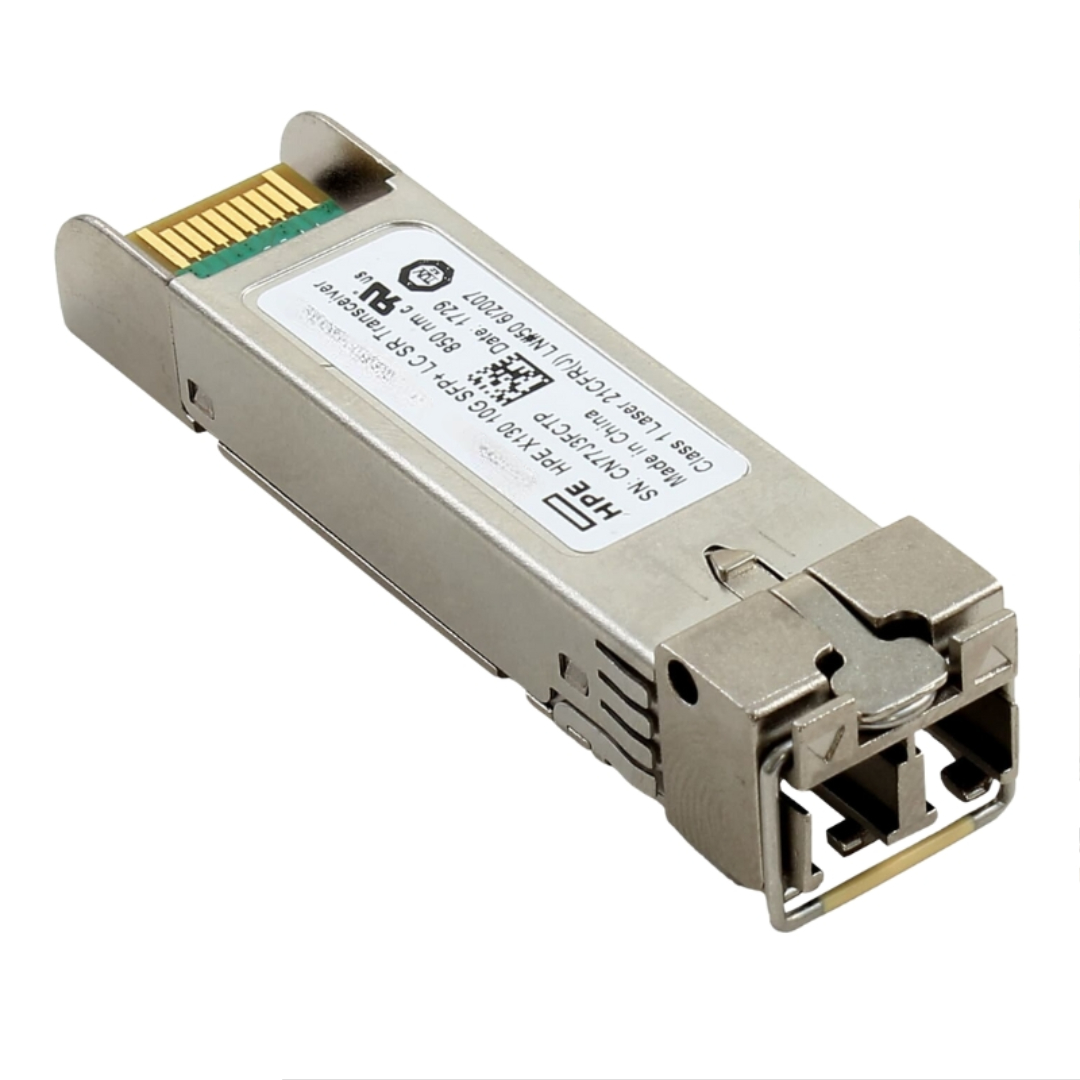


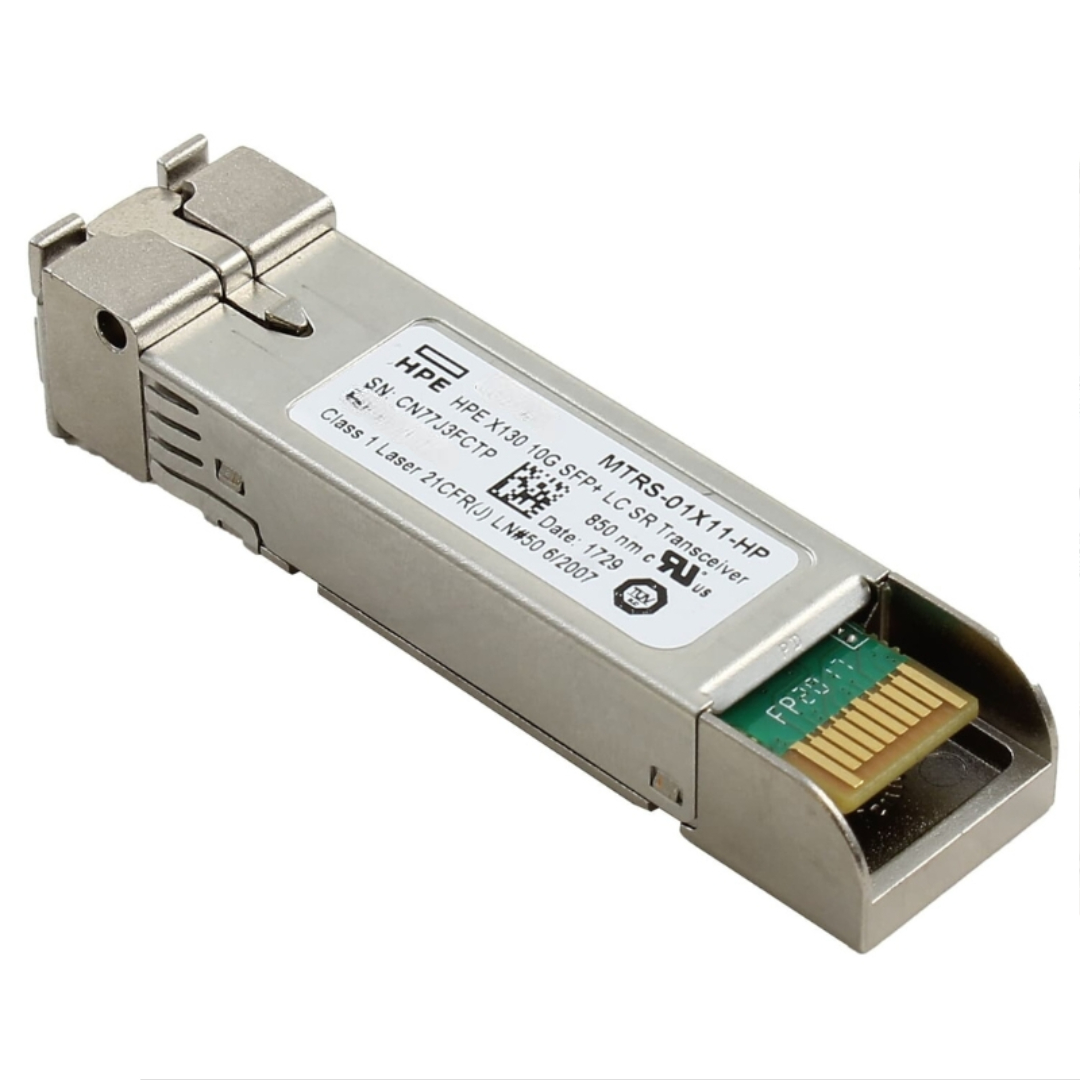
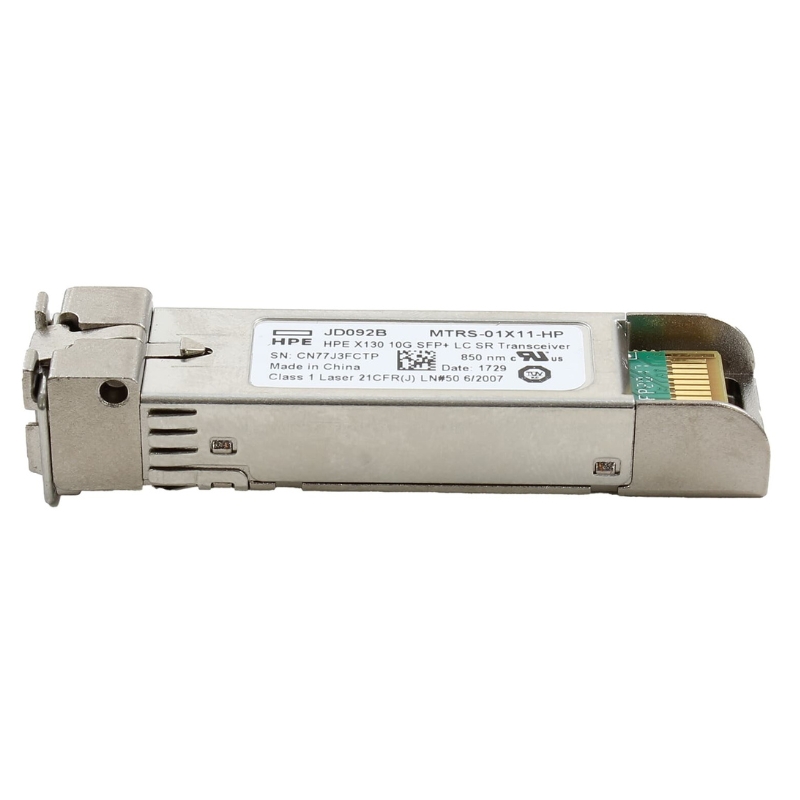
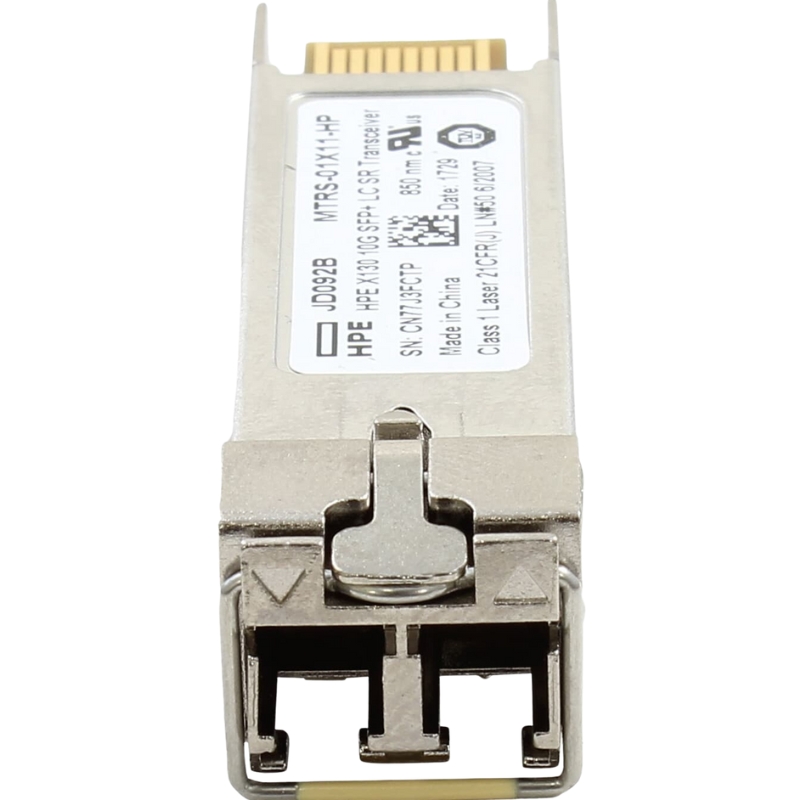
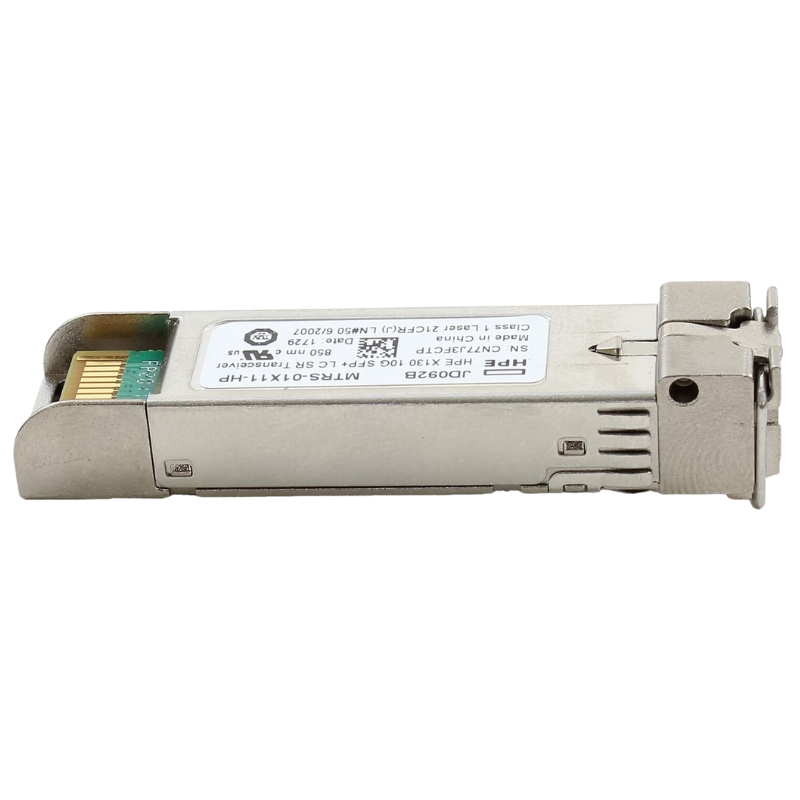
HPE 1990-4724 Aruba SFP28 25 Gigabit Ethernet 25Gbase-lR LC Single-mode Transceiver Module. New Sealed with 1 year replacement warranty
The HPE 1990-4724 Aruba SFP28 25 Gigabit Ethernet Transceiver Module is a high-speed, compact networking component designed to deliver reliable and efficient optical data transmission. Built for modern enterprise and data center environments, this SFP28 module supports advanced 25GbE connectivity over single-mode fiber, ensuring stable long-distance communication with low latency and high bandwidth performance.
The category of high-speed optical transceivers has evolved significantly with the growing demand for ultra-low latency, high bandwidth, and scalable network architectures in modern enterprise and cloud environments. Within this landscape, the SFP28 25 Gigabit Ethernet single-mode optical transceiver class represents a critical advancement, enabling efficient and reliable data transmission across long-distance fiber infrastructure. A key representative of this category is the HPE 1990-4724 Aruba SFP28 25 Gigabit Ethernet 25GBASE-LR LC Single-mode Transceiver Module, engineered to deliver consistent high-performance connectivity for data centers, enterprise networks, and service provider backbones.
This category focuses on optical modules designed to support 25Gbps data rates over single-mode fiber using LC duplex connectors, optimized for long-reach communication. It is widely deployed in environments where scalability, energy efficiency, and backward compatibility with existing networking infrastructure are essential design requirements.
The SFP28 form factor is a direct evolution of the earlier SFP+ standard, designed to support significantly higher data throughput while maintaining a similar physical footprint. While SFP+ modules typically operate at 10Gbps, SFP28 increases the per-lane speed to 25Gbps, allowing network operators to achieve higher density and improved bandwidth efficiency without drastically changing existing hardware designs.
The transition to SFP28 technology is driven by increasing demands in virtualization, cloud computing, and hyperscale data center environments. This shift allows operators to consolidate more traffic into fewer links, reducing cabling complexity and improving overall network manageability.
The 25GBASE-LR standard defines long-reach Ethernet transmission over single-mode fiber at 1310nm wavelength, typically supporting distances up to 10 kilometers depending on fiber quality and network conditions. This standard is particularly important in metropolitan area networks and large-scale enterprise campuses where inter-building connectivity requires stable, high-speed optical links.
The LR designation emphasizes long-distance capability while maintaining low latency and high signal integrity. This makes it ideal for backbone aggregation layers, data center interconnects, and high-performance computing environments.
The design of the HPE Aruba SFP28 optical transceiver focuses heavily on maintaining signal integrity at 25Gbps transmission speeds. Advanced modulation techniques and integrated electronic dispersion compensation mechanisms ensure minimal signal degradation over extended fiber runs. The module is engineered to reduce jitter, noise, and insertion loss, which are critical parameters in high-speed optical communications.
The internal architecture of the module integrates a highly efficient laser transmitter and a sensitive photodiode receiver, optimized for single-mode fiber operation. This ensures stable bidirectional communication over LC duplex connectors, which are standard in enterprise fiber installations.
The SFP28 form factor is designed for hot-swappable operation, allowing network administrators to install or replace modules without shutting down network devices. This capability is essential in mission-critical environments where downtime must be minimized. The compact size also allows for high port density on switches and routers, enabling scalable network expansion.
The HPE Aruba module adheres to strict mechanical and electrical specifications, ensuring compatibility with a wide range of Aruba networking equipment and other industry-standard platforms.
LC connectors are widely used in high-density optical networking due to their compact design and reliable performance. In the context of the SFP28 25GBASE-LR module category, LC duplex connectors enable simultaneous transmission and reception of optical signals through paired fibers. This ensures full-duplex communication essential for modern Ethernet networks.
The standardized LC interface also ensures interoperability across different vendors' fiber infrastructure, making it easier for enterprises to scale or upgrade their networks without replacing existing cabling systems.
Single-mode fiber is designed for long-distance signal transmission with minimal attenuation. Unlike multimode fiber, which is optimized for shorter distances, single-mode fiber supports laser-based transmission over kilometers without significant signal loss. This makes it the preferred medium for 25GBASE-LR applications.
In enterprise and data center interconnects, single-mode fiber enables efficient backbone communication between buildings, campuses, and geographically separated infrastructure nodes. The use of this medium ensures high bandwidth availability and reduced signal distortion.
The 25Gbps data rate offered by SFP28 modules represents a significant improvement over earlier 10Gbps standards. This increase in bandwidth efficiency allows network operators to reduce the number of physical links required for the same data throughput, simplifying infrastructure design and reducing operational costs.
This efficiency is particularly beneficial in virtualization-heavy environments where east-west traffic within data centers has increased dramatically. The higher per-lane throughput helps alleviate congestion and improves overall application performance.
Low latency is a defining characteristic of the SFP28 25GBASE-LR category. By minimizing signal processing delays and optimizing optical conversion efficiency, these modules support real-time applications such as financial trading systems, cloud computing workloads, and distributed storage architectures.
Latency-sensitive environments benefit from the predictable and stable performance of these optical transceivers, ensuring consistent data delivery across network segments.
Modern SFP28 modules are designed with power efficiency in mind, typically consuming significantly less power per gigabit compared to older optical technologies. This reduced power consumption translates into lower operational costs and improved thermal profiles within networking equipment.
Efficient heat dissipation mechanisms ensure stable operation even in high-density switch environments where multiple transceivers operate simultaneously.
The HPE 1990-4724 Aruba SFP28 25 Gigabit Ethernet 25GBASE-LR LC Single-mode Transceiver Module is engineered for seamless integration with Aruba networking hardware, including enterprise-grade switches and modular routers. This compatibility ensures reliable performance and reduces configuration complexity during deployment.
Aruba’s ecosystem is designed to support scalable networking architectures, and SFP28 modules play a critical role in enabling high-speed uplinks and aggregation layers within these systems.
Although optimized for HPE Aruba systems, SFP28 LR modules are generally designed to adhere to IEEE Ethernet standards, allowing a degree of interoperability with other compliant networking equipment. However, firmware and vendor-specific validation may influence performance or compatibility in mixed environments.
This standardized approach ensures that enterprises can maintain flexibility in infrastructure planning while still benefiting from high-performance optical connectivity.
In modern leaf-spine architectures, SFP28 25GBASE-LR modules are frequently deployed to establish high-speed connections between leaf switches and spine switches. This structure ensures predictable latency and high bandwidth availability across the entire network fabric.
The ability to scale bandwidth horizontally makes this optical module category essential for cloud service providers and large enterprise data centers that require dynamic workload distribution.
For organizations operating multiple data centers, SFP28 LR modules enable efficient interconnection between geographically separated facilities. By leveraging single-mode fiber, these modules support long-distance high-speed transmission essential for replication, backup, and disaster recovery systems.
This capability ensures business continuity and data redundancy across distributed infrastructure environments.
The optical power budget is a critical parameter in determining the maximum achievable distance and reliability of 25GBASE-LR links. It takes into account transmitter power, receiver sensitivity, fiber attenuation, and connector losses.
Proper planning of the optical budget ensures stable communication over long distances and reduces the risk of packet loss or signal degradation.
At 25Gbps transmission speeds, chromatic dispersion and signal distortion become more significant factors affecting performance. SFP28 LR modules incorporate advanced optical design techniques to mitigate these effects and maintain signal clarity over long fiber spans.
This ensures consistent performance even in complex fiber infrastructures with multiple connection points.
As organizations continue to scale their digital infrastructure, the demand for higher bandwidth and more efficient optical connectivity grows. SFP28 25GBASE-LR modules provide a balanced solution that bridges the gap between legacy 10G systems and emerging 100G architectures.
This makes them a strategic component in phased network upgrades, allowing gradual migration without disruptive infrastructure overhauls.
In high-performance computing clusters, where large datasets are transferred between nodes, low latency and high throughput are essential. The SFP28 LR category supports these requirements by delivering consistent 25Gbps connectivity across compute nodes and storage systems.
This ensures efficient parallel processing and reduced communication bottlenecks.
The 25GBASE-LR specification aligns with IEEE Ethernet standards that define physical layer and data transmission requirements. This ensures that SFP28 modules maintain interoperability and predictable performance across compliant networking equipment.
Manufacturers implement rigorous testing procedures to ensure compliance with optical performance standards. These include stress testing, temperature cycling, and signal integrity validation to guarantee consistent performance under real-world conditions.
Such certification processes reinforce the reliability and enterprise-grade quality expected in mission-critical deployments.
While 25G SFP28 modules currently play a vital role in enterprise networking, the industry continues to evolve toward 100G and beyond. However, 25G remains a crucial transitional technology due to its balance of cost, performance, and compatibility.
This ensures its continued relevance in network upgrade cycles and hybrid infrastructure environments.
Hybrid architectures that combine legacy and next-generation networking equipment benefit significantly from SFP28 modules. Their ability to integrate seamlessly into diverse environments ensures long-term usability across evolving infrastructure landscapes.


 Contact Us
 Information
 Catalog
 Solid State Drives (SSD)
 Network Switches
 Hard Disk Drives
 HBA & Controllers
 PC & Servers
 PC & Server Memory
 CPU & Processors
 Network Routers
 Power Supplies
 Tape Drives & Libraries
 Network Devices
 Computer & Network Cables