(7% discount is applied at checkout)
Cart is empty
Your go-to destination for cutting-edge server products
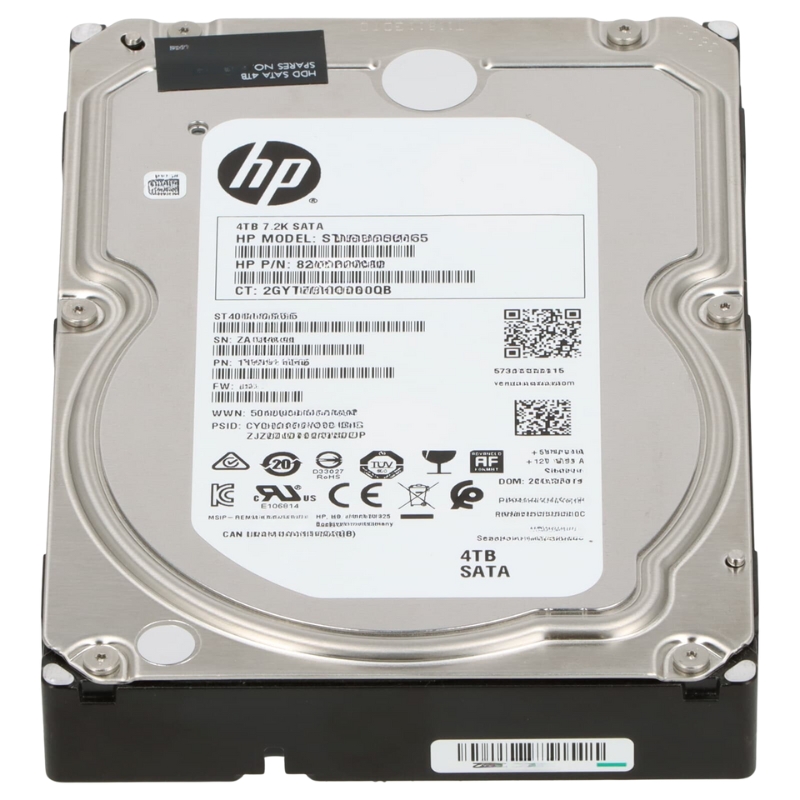


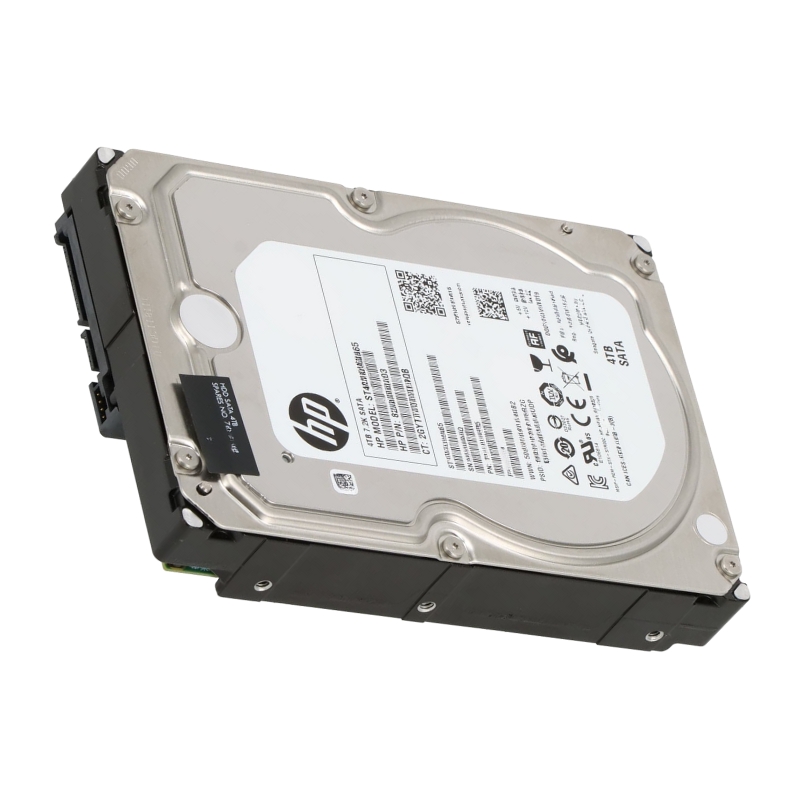
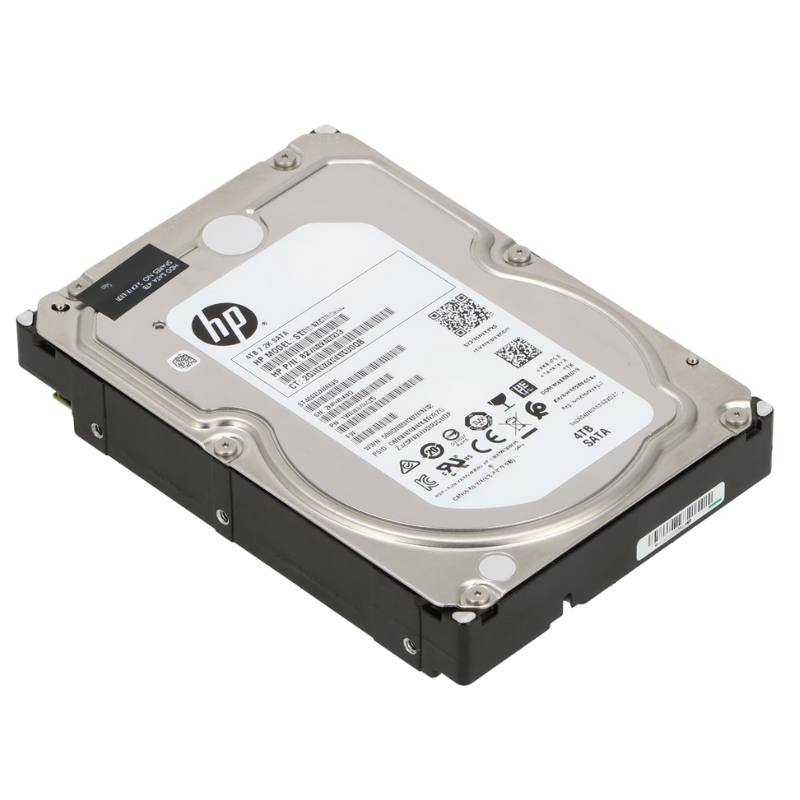
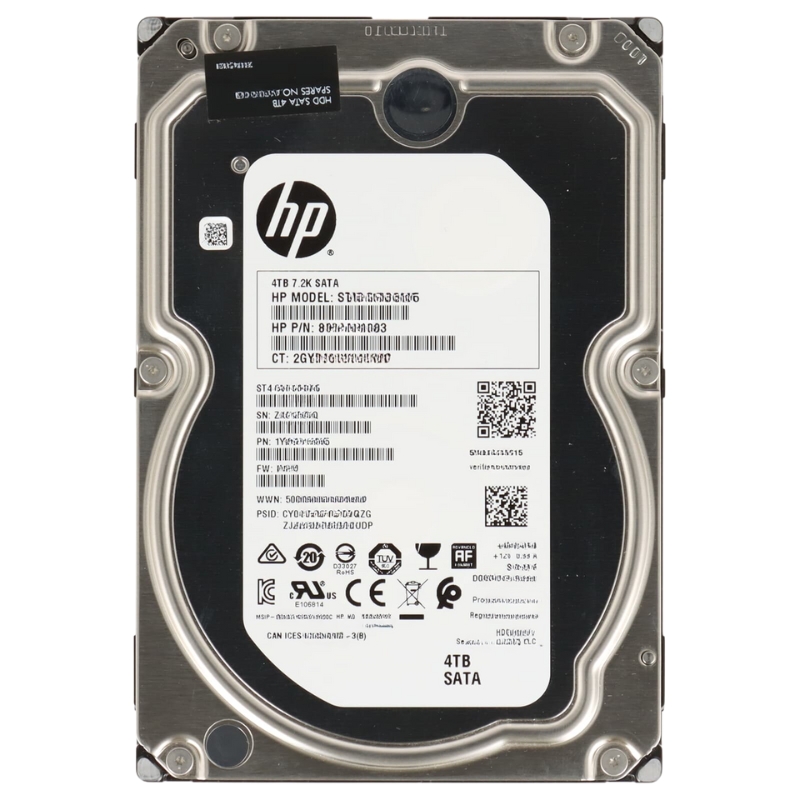
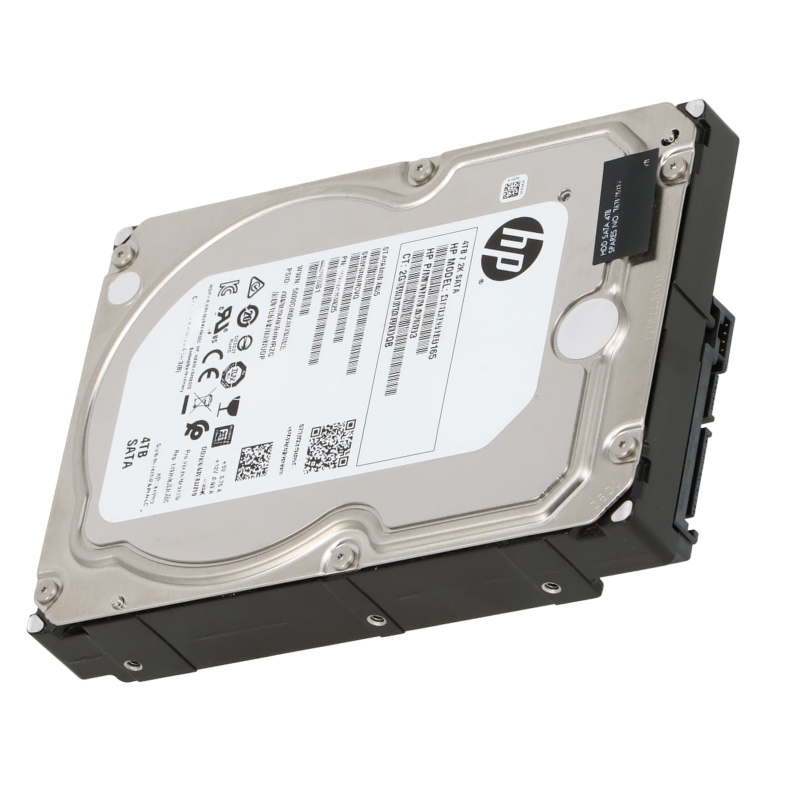
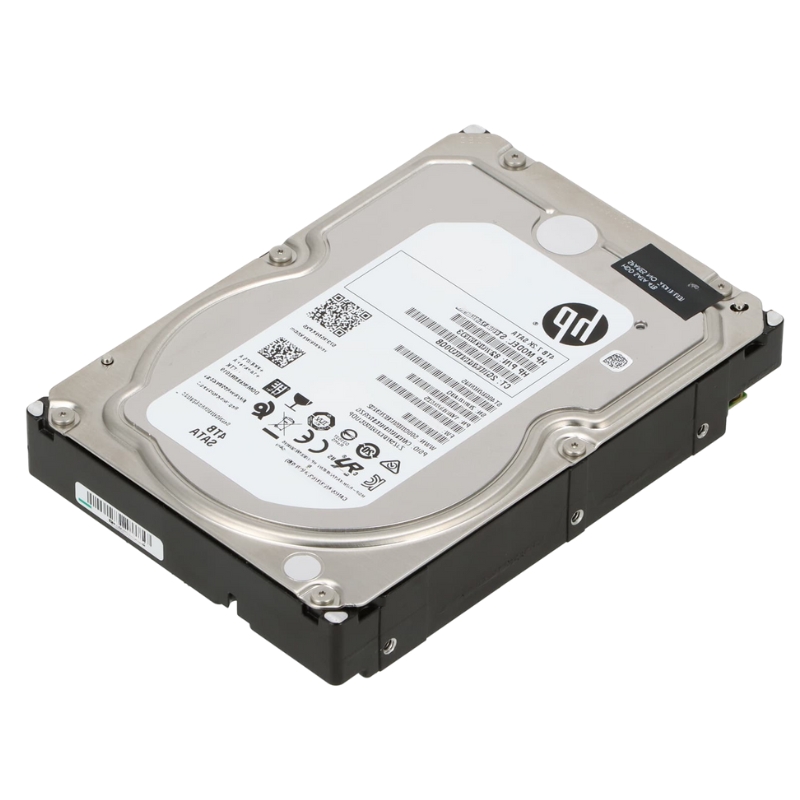
HPE 4TB 7.2K RPM 3.5 Inch LFF SATA-6GBPS 512e Midline Hard Drive 765861-001. Excellent Refurbished with 1 year replacement warranty
| SKU/MPN | Warranty | Price | Condition | You save |
|---|---|---|---|---|
| 765861-001 | 1 Year Warranty | $145.00 | Excellent Refurbished | You save: $50.75 (26%) |
| 765861-001 | 1 Year Warranty | Contact us for a price | Factory-Sealed New in Original Box (FSB) |
The HPE 765861-001 is a high-capacity enterprise-grade storage device engineered for reliable performance, scalable infrastructure, and long-term data retention. Designed for business-critical environments, this 4TB midline hard drive delivers consistent throughput and optimized storage efficiency for server and data center applications.
The enterprise storage hardware category built around the HPE 765861-001 4TB 7.2K RPM 3.5 Inch LFF SATA-6Gbps 512e Midline Hard Drive represents a critical segment of modern data infrastructure solutions designed for scalable, cost-efficient, and reliable bulk storage. This category is widely adopted in enterprise servers, data centers, virtualization environments, and cloud storage infrastructures where balanced performance, endurance, and capacity are required. The midline hard drive class bridges the gap between high-performance enterprise drives and high-capacity archival storage devices, offering a strategic combination of affordability and operational stability.
This category is particularly relevant for organizations that require dependable large-capacity storage without the extreme performance overhead or cost of SAS-based enterprise drives. The SATA-6Gbps interface ensures compatibility across a broad range of server platforms, especially within HPE ProLiant ecosystems, where drive firmware optimization and system-level integration play an essential role in maintaining data integrity and system uptime.
The 3.5 inch Large Form Factor (LFF) design is a defining characteristic of this storage category. It allows for higher platter density, improved thermal distribution, and enhanced sustained data transfer capabilities compared to smaller form factors. The physical structure accommodates multiple magnetic platters spinning at a consistent rotational speed of 7,200 RPM, enabling stable sequential read and write operations across large datasets.
In enterprise deployments, the LFF format is preferred in storage arrays where rack space efficiency and storage density per bay are key considerations. The structural rigidity of the drive casing also contributes to vibration resistance, which is crucial in multi-drive server environments where mechanical resonance can affect long-term reliability.
The SATA 6Gbps interface used in this category ensures broad compatibility and efficient data throughput across server and storage systems. While not as high-performance as SAS interfaces, SATA-6Gbps provides an optimal balance between cost and performance for midline storage applications. It supports sustained transfer rates suitable for backup operations, archival storage, and large-scale file repositories.
This interface also simplifies deployment in heterogeneous IT environments, where compatibility with existing infrastructure is essential. Many enterprise organizations leverage SATA-based midline drives for secondary storage tiers within tiered storage architectures, ensuring that critical data is retained cost-effectively without sacrificing accessibility.
The 512e (512-byte emulation) sector format is a key technological component in this category. It enables compatibility with legacy systems that rely on 512-byte sector alignment while internally utilizing advanced formatting techniques for improved storage efficiency and error correction capabilities. This hybrid approach enhances storage density and optimizes data integrity mechanisms at the firmware level.
By using 512e formatting, the drive ensures smoother integration into older RAID controllers and operating systems while still benefiting from modern advancements in sector encoding and data handling efficiency. This makes it highly suitable for enterprise environments with mixed-generation infrastructure.
The 7,200 RPM rotational speed is a defining performance parameter that positions this category between high-performance 10K/15K RPM enterprise drives and lower-speed archival disks. This balance allows for efficient sequential read and write operations, which are common in backup, streaming, and bulk data processing workloads.
The sustained throughput capabilities of 7.2K RPM drives are optimized for workloads that prioritize capacity over latency. In environments such as file servers, media storage systems, and backup repositories, these drives deliver consistent performance without excessive power consumption or thermal output.
Latency in midline SATA drives is inherently higher than in SSD or high-RPM SAS drives; however, the architecture is optimized for predictable access patterns rather than random high-frequency access. This makes them ideal for sequential workloads where data blocks are accessed in large, contiguous segments.
Enterprise systems typically deploy these drives in RAID configurations to mitigate latency effects and enhance overall data access efficiency. The RAID layer distributes workloads across multiple drives, reducing individual drive stress and improving aggregate performance.
In large-scale data center environments, 4TB midline SATA drives are commonly used for bulk storage layers. These environments require cost-effective storage that can scale horizontally while maintaining acceptable performance levels for non-latency-sensitive applications. The HPE midline category is frequently used in object storage systems, backup repositories, and secondary data retention layers.
Such deployments benefit from the drive’s balance of capacity and reliability, allowing organizations to store petabytes of data without incurring the high costs associated with high-performance enterprise SSD arrays.
Backup systems represent one of the most significant application areas for this storage category. The 4TB capacity per drive enables efficient consolidation of backup datasets, reducing the physical footprint required for long-term data retention. Combined with RAID protection, these drives offer a dependable solution for disaster recovery systems and long-term archival strategies.
Archival systems benefit from the low power consumption profile of 7,200 RPM drives, ensuring that large storage arrays remain cost-efficient over extended operational lifecycles.
Virtualized infrastructures often require large pools of storage to support virtual machine images, snapshots, and distributed storage systems. Midline SATA drives are commonly deployed in storage nodes that handle less latency-sensitive virtual workloads. Their high capacity allows administrators to allocate storage dynamically across multiple virtual machines without excessive hardware investment.
Cloud service providers also utilize this category in cold storage tiers, where frequently accessed data is minimized but availability remains essential. This tiered approach enhances resource allocation efficiency across large-scale cloud ecosystems.
The HPE midline storage category is engineered with enterprise-grade reliability standards designed to support continuous operation in demanding environments. These drives undergo rigorous validation testing to ensure consistent performance under variable workloads, temperature fluctuations, and vibration exposure.
Reliability metrics such as mean time between failures (MTBF) are optimized for long-term deployment cycles, making them suitable for 24/7 operational environments where downtime is costly and disruptive.
Advanced firmware algorithms play a critical role in maintaining data integrity within this storage category. Error correction mechanisms ensure that read and write operations are validated and corrected in real time, minimizing the risk of data corruption.
Firmware-level optimizations also enhance drive longevity by managing wear leveling, head positioning accuracy, and thermal behavior. These optimizations are particularly important in multi-drive environments where consistent performance across all units is essential for RAID stability.
The 4TB capacity point is strategically positioned within the enterprise storage landscape, offering a balance between density, affordability, and manageability. This capacity level allows organizations to scale storage arrays efficiently without introducing excessive complexity in RAID rebuild times or system management overhead.
In large-scale deployments, higher-capacity drives reduce the number of physical units required, thereby decreasing maintenance requirements, power consumption, and rack space utilization. This contributes directly to operational cost efficiency in enterprise environments.
Midline SATA drives are frequently deployed in RAID 5, RAID 6, or RAID 10 configurations depending on redundancy and performance requirements. RAID 6 is particularly common in large storage arrays due to its dual-parity protection, which enhances fault tolerance in high-capacity systems.
The use of multiple 4TB drives in RAID arrays allows for scalable performance improvements while maintaining redundancy safeguards essential for enterprise data protection strategies.
Energy efficiency is a key advantage of 7,200 RPM midline drives. Compared to higher RPM enterprise disks, these drives consume less power during both idle and active states, making them suitable for large-scale deployments where hundreds or thousands of drives may operate simultaneously.
This reduction in power consumption directly translates into lower operational costs and reduced cooling requirements in data center environments.
Thermal output management is essential in dense storage arrays. The mechanical design of 3.5 inch LFF drives facilitates efficient heat dissipation through airflow channels within server chassis. Proper cooling system integration ensures stable operating temperatures, which directly impacts drive longevity and reliability.
This category is widely optimized for integration with HPE ProLiant servers, where firmware compatibility and system-level validation ensure seamless operation. The drives are designed to work efficiently within HPE storage backplanes, supporting hot-plug functionality and automated system recognition.
Such integration reduces configuration complexity and ensures that enterprise administrators can deploy storage solutions quickly and reliably across standardized server platforms.
Enterprise storage controllers play a significant role in managing midline SATA drives. These controllers handle RAID configuration, error correction coordination, and performance balancing across multiple drives. Compatibility between drive firmware and controller architecture is essential for maximizing system efficiency and data protection.
Midline hard drives are designed for extended operational lifecycles under consistent workloads. Their predictable wear patterns allow IT administrators to plan replacement cycles effectively, reducing the risk of unexpected failures in production environments.
As data requirements continue to grow exponentially, the scalability of midline SATA storage solutions becomes increasingly important. The 4TB capacity point offers a modular expansion path that allows organizations to incrementally increase storage capacity without requiring complete system redesigns.
Modern storage architectures frequently employ tiered models that separate data based on performance requirements. Midline SATA drives serve as an essential component of lower-cost storage tiers, where large volumes of data are stored with moderate access frequency requirements.
This approach enables organizations to optimize both performance and cost by allocating high-speed SSDs for critical workloads and midline HDDs for bulk storage.
Hybrid cloud environments often rely on on-premises storage infrastructure that integrates with cloud-based systems. Midline drives play a crucial role in maintaining local storage capacity for data synchronization, caching, and backup operations that support cloud workflows.


 Contact Us
 Information
 Catalog
 Solid State Drives (SSD)
 Network Switches
 Hard Disk Drives
 HBA & Controllers
 PC & Servers
 PC & Server Memory
 CPU & Processors
 Network Routers
 Power Supplies
 Tape Drives & Libraries
 Network Devices
 Computer & Network Cables