(7% discount is applied at checkout)
Cart is empty
Your go-to destination for cutting-edge server products
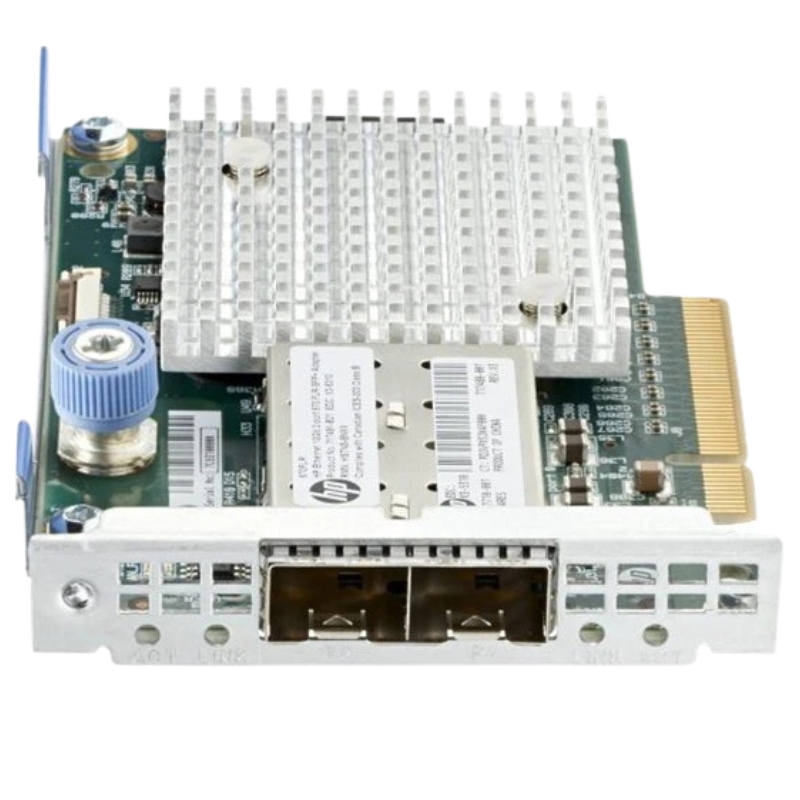


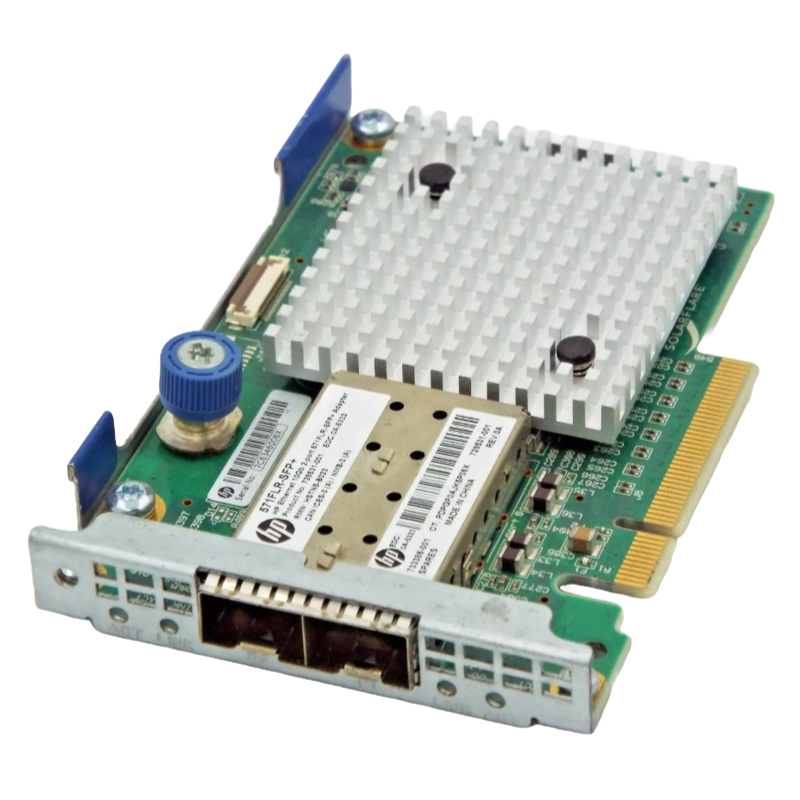
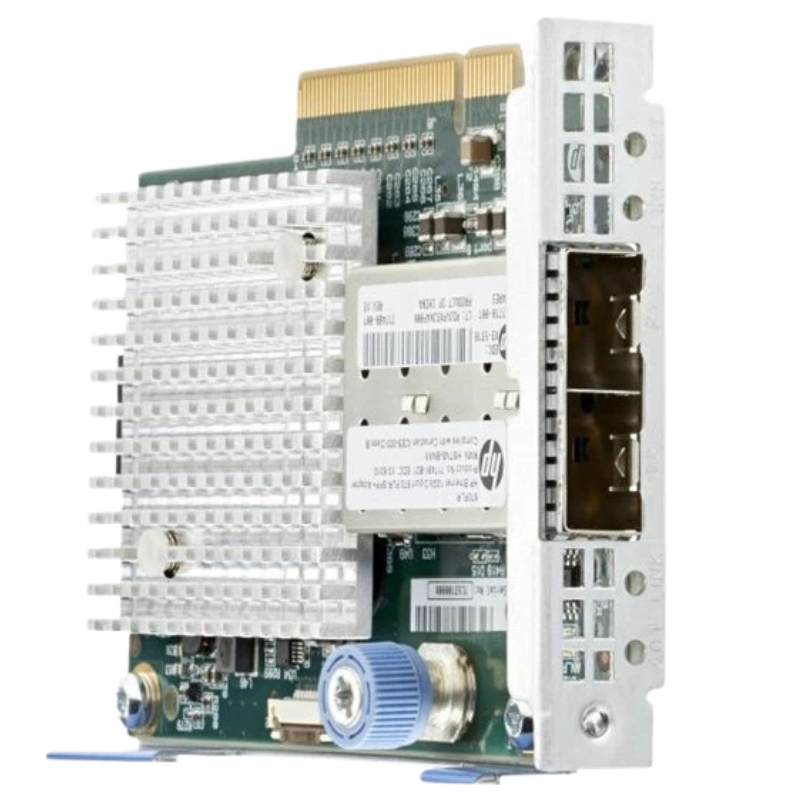
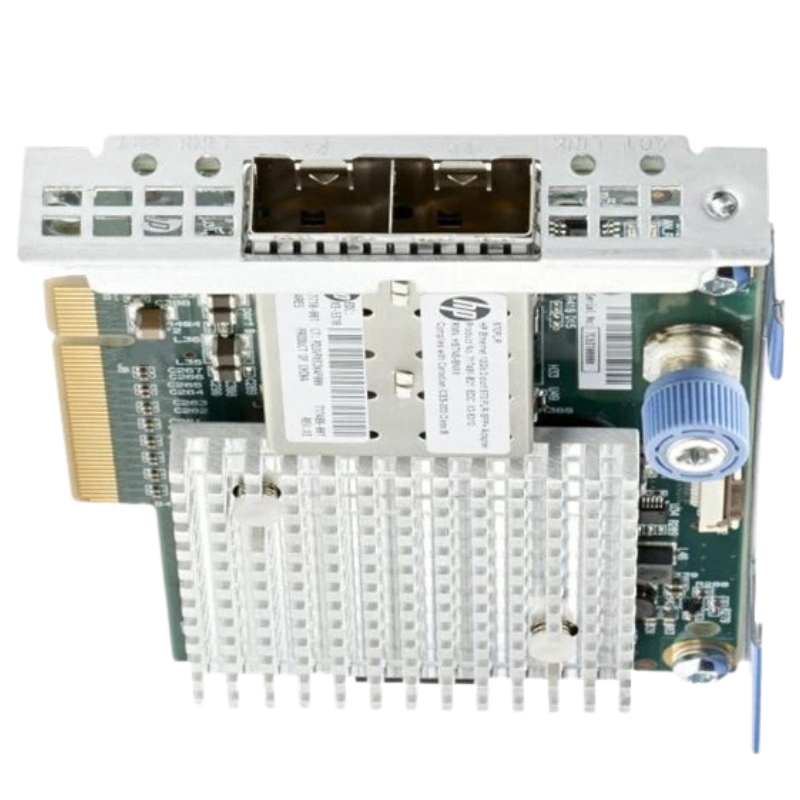
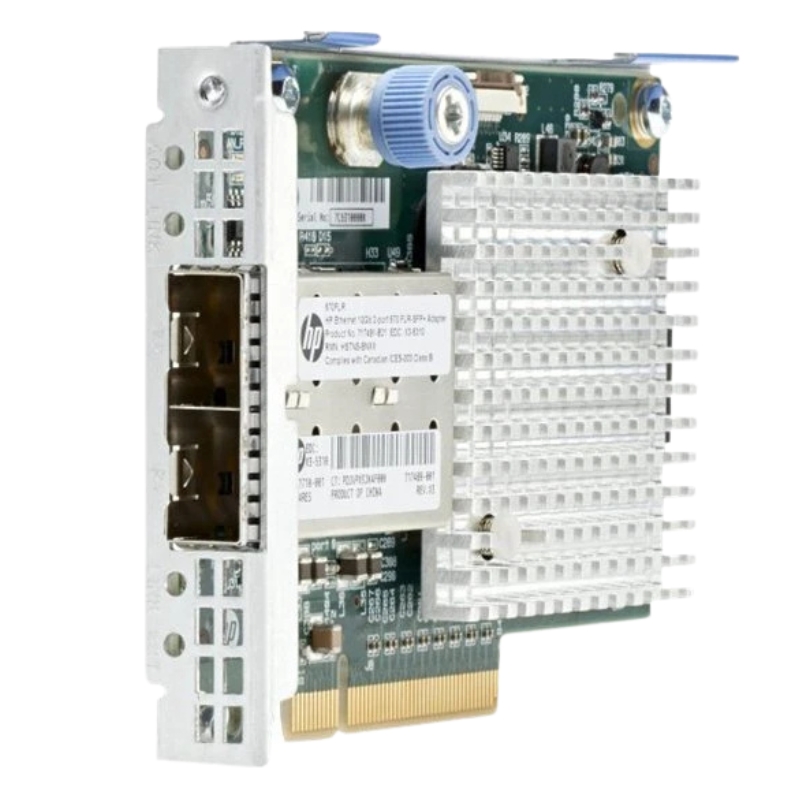
HPE 727054-B21 Ethernet 10GB 2-Ports 562FLR-SFP+ Network Adapter. Factory-Sealed New in Original Box (FSB) with 3 Years Warranty
| SKU/MPN | Warranty | Price | Condition | You save |
|---|---|---|---|---|
| 727054-B21 | 1 Year Warranty | $140.00 | Factory-Sealed New in Original Box (FSB) | You save: $49.00 (26%) |
| 727054-B21 | 1 Year Warranty | $53.00 | Excellent Refurbished | You save: $18.55 (26%) |
The HPE 727054-B21 Ethernet 10Gb 2-Port 562FLR-SFP+ Network Adapter is a high-performance server networking solution designed to deliver ultra-fast and stable data communication for enterprise environments. Built with advanced Intel® X710 controller technology, this dual-port adapter ensures efficient handling of heavy workloads, virtualization tasks, and data-intensive applications while maintaining low latency and consistent throughput across connected systems.
The HPE 727054-B21 Ethernet 10Gb 2-Port 562FLR-SFP+ Network Adapter belongs to a high-performance enterprise networking category designed for modern data centers, cloud infrastructures, virtualization environments, and mission-critical server deployments. This category includes advanced flexibleLOM (FLR) network adapters that deliver scalable bandwidth, reduced latency, and optimized server-to-network communication efficiency. Built for HPE ProLiant servers, this class of adapters is engineered to support high-throughput workloads where stable, redundant, and low-latency network connectivity is essential.
This category of 10 Gigabit Ethernet adapters is widely used in environments requiring heavy data exchange, such as virtualization clusters, storage area networks, high-performance computing (HPC), enterprise applications, and hybrid cloud platforms. The dual-port configuration of the adapter enables redundancy and load balancing, ensuring continuous uptime and improved fault tolerance in enterprise networking architectures.
The architecture of the HPE 727054-B21 adapter category is built around flexibleLOM (FLR) design, allowing seamless integration into supported HPE server systems without occupying traditional PCIe slots. This compact design enables administrators to maximize server expansion capacity while maintaining high-speed networking capabilities.
At its core, this adapter leverages 10Gb Ethernet technology with SFP+ (Small Form-Factor Pluggable Plus) interfaces. SFP+ ports allow the use of fiber optic or direct attach copper (DAC) cables, providing flexibility in deployment across short-range and long-range networking environments. The architecture ensures minimal packet loss, optimized throughput, and efficient CPU utilization through hardware offloading features.
The HPE 562FLR-SFP+ adapter category is recognized for delivering enterprise-grade networking capabilities that support scalability and performance optimization. One of its most important features is the ability to support 10Gbps per port, ensuring a combined throughput of up to 20Gbps in full-duplex mode. This makes it suitable for environments where large-scale data transfer and rapid communication between servers and storage systems are required.
Another significant feature is advanced virtualization support. The adapter supports technologies such as SR-IOV (Single Root Input/Output Virtualization), enabling multiple virtual machines to share a single physical network interface while maintaining near-native performance. This reduces overhead and improves efficiency in virtualized data center environments.
The performance of the HPE 727054-B21 Ethernet adapter category is optimized for high-density computing environments. It is capable of handling intensive workloads such as database replication, distributed computing, real-time analytics, and cloud service delivery. The dual-port architecture ensures uninterrupted data flow even under heavy traffic conditions.
Latency reduction is a key design focus in this category. By offloading processing tasks from the CPU to the network adapter hardware, the system achieves faster response times and improved throughput efficiency. This is particularly beneficial in environments where microsecond-level latency can impact application performance, such as financial trading systems and high-frequency data processing platforms.
This network adapter category is specifically designed for compatibility with HPE ProLiant server platforms, particularly those supporting FlexibleLOM architecture. It integrates seamlessly into supported server models, allowing IT administrators to upgrade network capabilities without requiring major hardware changes.
The adapter supports firmware-level integration with HPE management tools such as HPE Intelligent Provisioning and HPE iLO (Integrated Lights-Out), enabling simplified configuration, monitoring, and maintenance. This integration reduces deployment complexity and ensures consistent performance across enterprise environments.
The SFP+ interface used in the HPE 562FLR-SFP+ adapter category provides flexible connectivity options, supporting both fiber optic and copper-based cabling solutions. This flexibility enables deployment across different network topologies, including short-range intra-rack connections and long-distance inter-data center links.
Fiber optic connections offer extended reach and high-speed data transfer over long distances, making them ideal for distributed data center environments. Direct Attach Copper (DAC) cables, on the other hand, provide a cost-effective solution for short-range connectivity within server racks, delivering low latency and reduced power consumption.
The HPE 727054-B21 Ethernet 10Gb 2-Port adapter category is widely used across various enterprise and cloud computing scenarios. In virtualization environments, it supports multiple virtual machines with high-speed connectivity, ensuring efficient resource sharing and workload distribution.
In cloud computing platforms, this adapter enables scalable network performance, allowing service providers to handle large volumes of traffic with minimal latency. It is also commonly used in storage networking environments where high-speed data replication and backup operations are required.
The advantages of this category extend beyond simple bandwidth improvements. Organizations benefit from increased network resilience, better workload distribution, and enhanced scalability. The dual-port design ensures redundancy, meaning that if one port fails, the second port can maintain network connectivity without service interruption.
Additionally, the energy-efficient design helps reduce operational costs in large data centers. By optimizing power consumption while maintaining high throughput, enterprises can achieve better performance per watt ratios, which is critical for sustainable IT infrastructure development.
The HPE 727054-B21 Ethernet 10Gb 2-Port adapter category is designed with future scalability in mind. As enterprises continue transitioning toward cloud-native architectures and hybrid infrastructures, the need for high-speed, low-latency networking becomes increasingly important.
This category supports evolving workloads by providing a flexible and scalable networking foundation. Its compatibility with modern virtualization technologies and high-speed storage systems ensures long-term usability in rapidly changing IT environments.


 Contact Us
 Information
 Catalog
 Solid State Drives (SSD)
 Network Switches
 Hard Disk Drives
 HBA & Controllers
 PC & Servers
 PC & Server Memory
 CPU & Processors
 Network Routers
 Power Supplies
 Tape Drives & Libraries
 Network Devices
 Computer & Network Cables