(7% discount is applied at checkout)
Cart is empty
Your go-to destination for cutting-edge server products


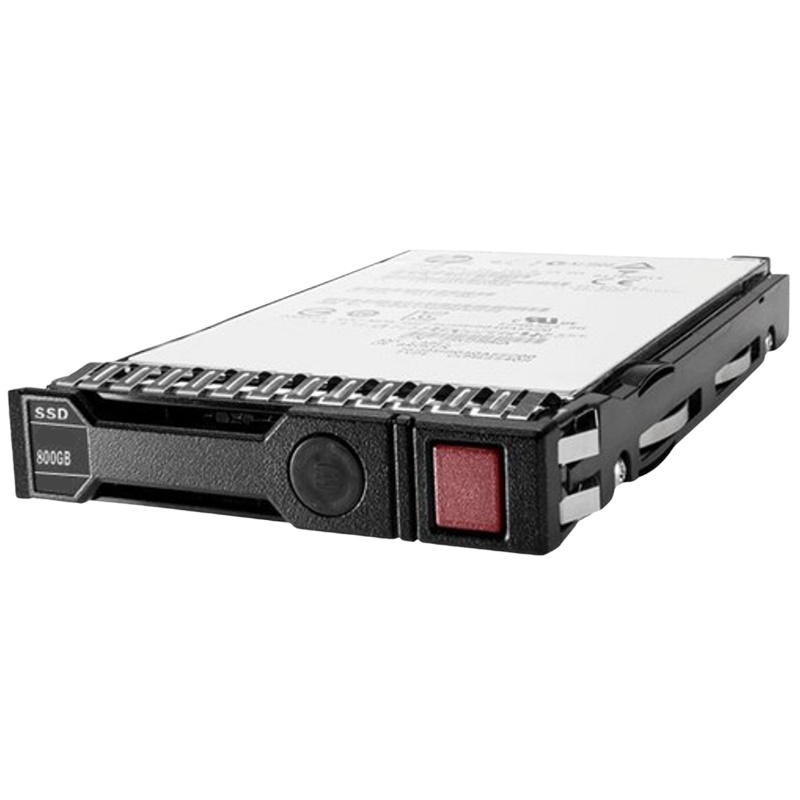
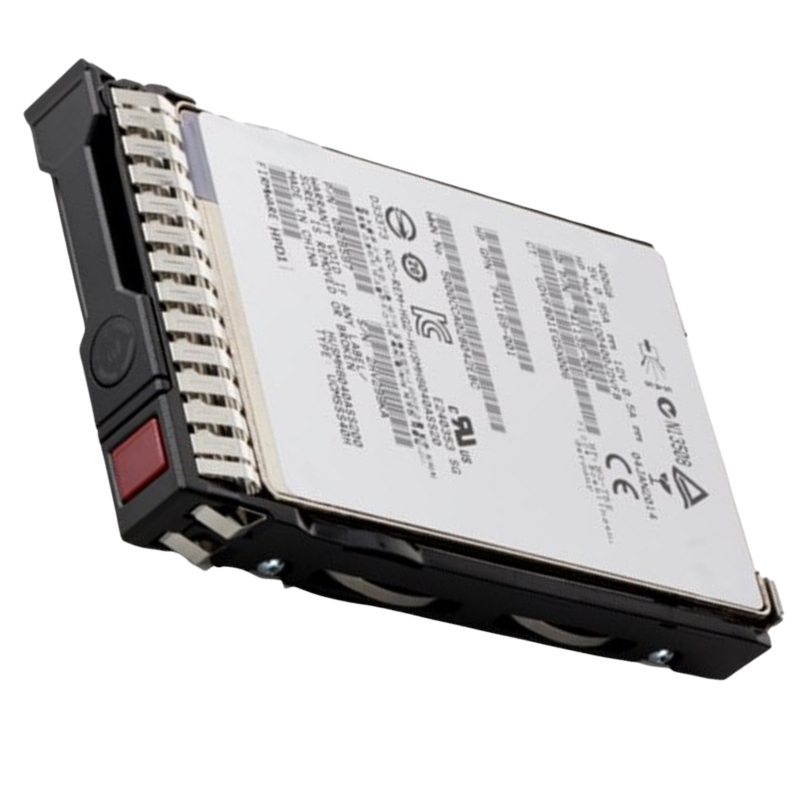
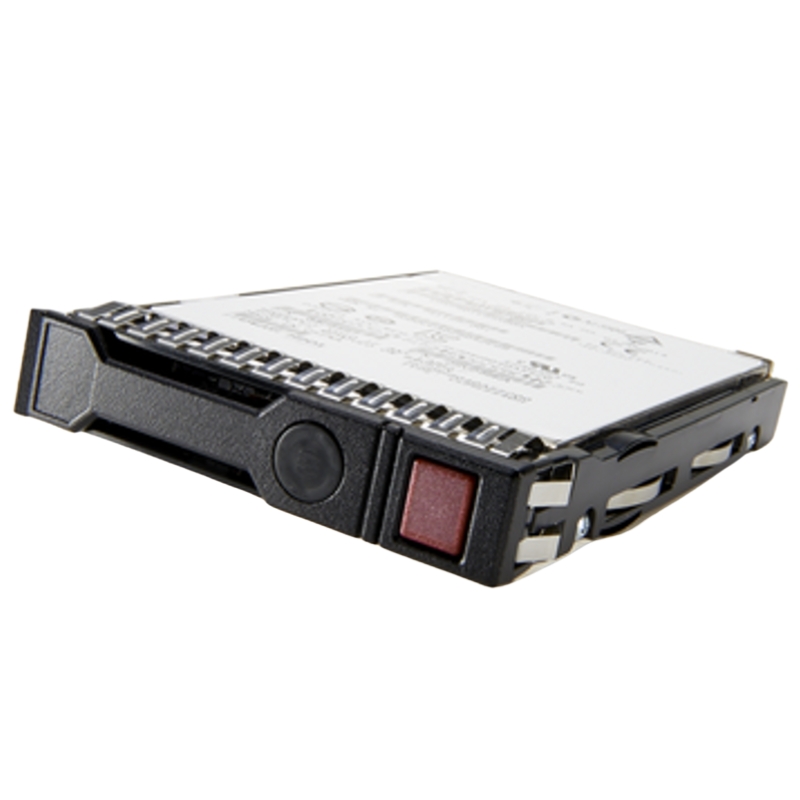
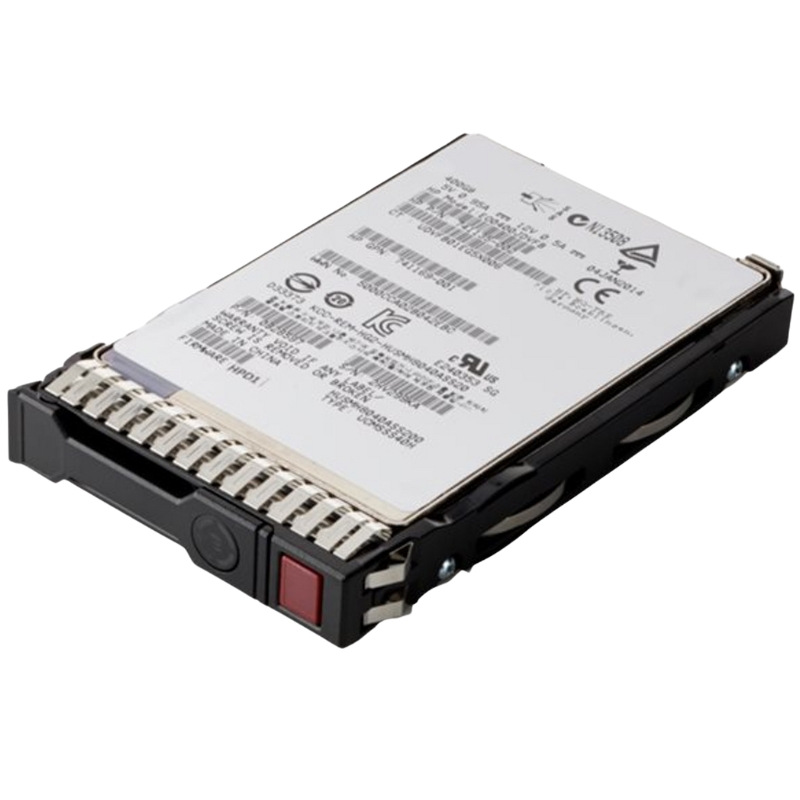
HPE 730150-001 800GB SATA-6GBPS Small Form Factor Mainstream Enterprise QR Solid State Drive. Excellent Refurbished with 1 year replacement warranty
Designed for demanding business environments, this 800GB Solid-State-Drive from HPE delivers exceptional performance and reliability. Its compact build and advanced interface make it ideal for data-intensive applications.
The HPE 730150-001 800GB SATA-6GBPS Small Form Factor (SFF) Mainstream Enterprise QR Solid State Drive sits in the enterprise SATA SSD category as a purpose-built storage option that balances capacity, endurance, compatibility, and cost-effectiveness. This category description explores the drive and its subcategory implications for IT purchasing, deployment, and lifecycle management. Keywords covered throughout this content include HPE 730150-001, 800GB SATA-6GBPS, Small Form Factor (SFF), Mainstream Enterprise SSD, and QR Solid State Drive, to support discoverability for shoppers and technical buyers researching enterprise SATA SSD options.
This SSD is optimized for mainstream enterprise workloads where consistent read/write performance, predictable latency, and integration with existing SATA III backplanes are required. Typical deployments include:
Small Form Factor (SFF) drives are commonly used in modern server designs and high-density storage enclosures. The SFF designation indicates a compact 2.5-inch footprint which simplifies hot-swap, sled-based installations common in HPE ProLiant servers and many third-party server chassis. This category content emphasizes compatibility benefits for data center operators who must maximize bay density without sacrificing enterprise-grade reliability.
The SATA-6GBPS (SATA III) interface remains ubiquitous across legacy and modern server platforms. When considering drives in this category, buyers should note the following SATA characteristics:
SFF drives integrate smoothly with caddies and backplanes designed for 2.5-inch devices. When procuring drives in this category, confirm that your server sleds, drive carriers, and firmware versions support HPE-branded QR SSDs. Compatibility with HPE-specific drive carriers and management tools often simplifies asset tracking and firmware updates.
The mainstream enterprise SSD category, represented by the HPE 730150-001 800GB SATA SSD, typically delivers predictable sequential throughput and strong random read IOPS for multi-threaded workloads. Buyers should plan to evaluate the drive’s published sequential read/write MB/s and random 4K read/write IOPS figures against their application requirements. For mixed workload environments, the drive’s performance consistency and low-latency characteristics are often more important than peak throughput numbers.
Enterprise-class SATA SSDs are engineered to provide lower and more stable latency than consumer SSDs. This category emphasizes QoS (quality of service) metrics — especially 99th percentile latency — since many multi-tenant or latency-sensitive applications depend on consistent response times. Proper firmware and controller design within the HPE 730150-001 family contributes to fewer tail-latency spikes under typical enterprise loads.
Endurance is measured in Drive Writes Per Day (DWPD) or total terabytes written (TBW) over the warranty period. Mainstream enterprise QR SSDs strike a balance between endurance and cost; they provide sufficient DWPD for most read-heavy and mixed workloads while remaining more economical than high-endurance enterprise drives. When planning procurement, understand your expected write amplification and workload write intensity to ensure the selected 800GB SKU meets lifespan expectations.
The “QR” designation in the product family often denotes firmware or platform-level features that improve drive manageability and reliability. For category buyers, QR firmware typically includes enhanced error correction algorithms, improved background garbage collection, and reserved capacity for sustained performance under long-duration workloads. These firmware optimizations are important differentiators for enterprise-grade SATA SSDs.
Robust SMART reporting and power-loss protection are expected in this class of SSDs. SMART attributes provide proactive monitoring of drive health metrics (e.g., remaining life, reallocated sectors, temperature), while power-loss protection features help ensure that in-flight writes are safely committed to non-volatile media during unexpected power events. Data integrity mechanisms such as robust ECC (error-correcting code) and end-to-end data protection help prevent silent data corruption.
An 800GB capacity point is a practical mid-range option in the mainstream enterprise category. It offers more usable capacity than low-capacity boot drives while keeping costs and power envelope lower than denser SSDs. For many virtualized environments, an 800GB drive provides a balanced capacity-per-slot ratio allowing administrators to optimize storage tiering and reduce the number of spindles required for given workloads.
Deploying 800GB drives in RAID configurations is common. Administrators should plan for effective over-provisioning (either vendor-reserved or user-configured) to sustain performance and endurance. Consider RAID choice carefully: RAID 10 offers performance and redundancy for high IOPS requirements, while RAID 6 or RAID 5 may offer higher usable capacity at the cost of write performance in some configurations. Apply the HPE recommended RAID settings and test performance under expected load profiles.
This category is particularly relevant for organizations standardizing on HPE servers and arrays. The HPE 730150-001 family integrates with ProLiant and Apollo servers, and typically works with HPE Smart Array controllers and firmware. Compatibility with HPE management ecosystems (e.g., iLO, Scripting Toolkit, OneView) can simplify lifecycle operations such as monitoring, health reporting, and firmware deployment.
In virtualization stacks, an 800GB SFF SATA SSD can be used for boot and active VM storage tiers that require reliable performance but do not push the extremes of write endurance. Its smaller physical footprint allows denser server configurations and simpler hot-swap maintenance models.
For small to medium OLTP systems and read-heavy analytical workloads, mainstream enterprise SATA SSDs provide deterministic read acceleration and improved query response times. Ensure that write-heavy database workloads are assessed for drive endurance to predict replacement cadence.
The SFF form factor and SATA interface make these drives attractive for edge servers and remote sites where NVMe infrastructure is not available. Their simpler management and broad compatibility reduce deployment complexity in constrained network environments.


 Contact Us
 Information
 Catalog
 Solid State Drives (SSD)
 Network Switches
 Hard Disk Drives
 HBA & Controllers
 PC & Servers
 PC & Server Memory
 CPU & Processors
 Network Routers
 Power Supplies
 Tape Drives & Libraries
 Network Devices
 Computer & Network Cables