(7% discount is applied at checkout)
Cart is empty
Your go-to destination for cutting-edge server products
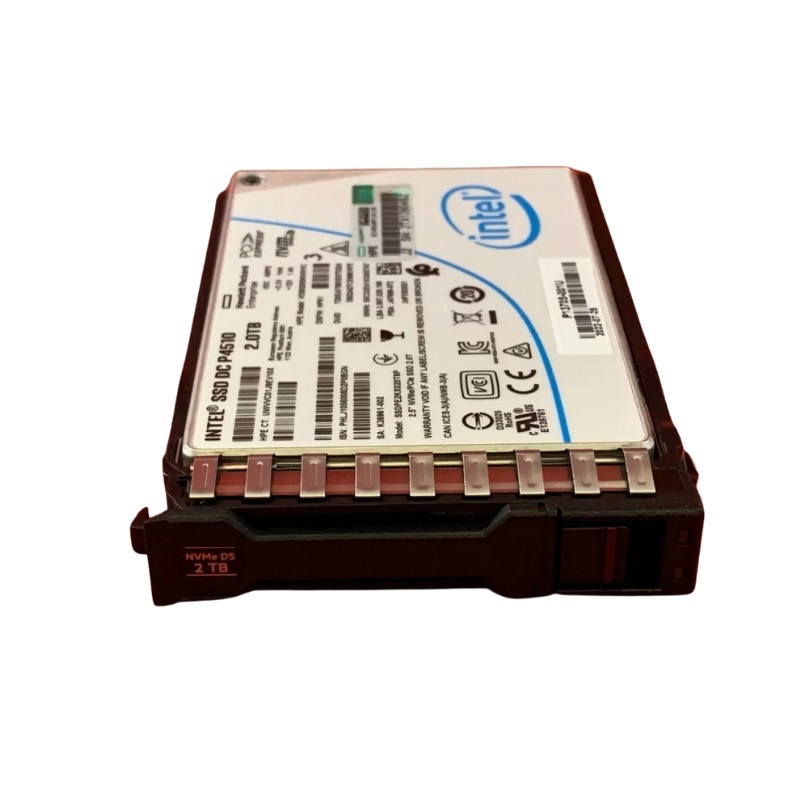


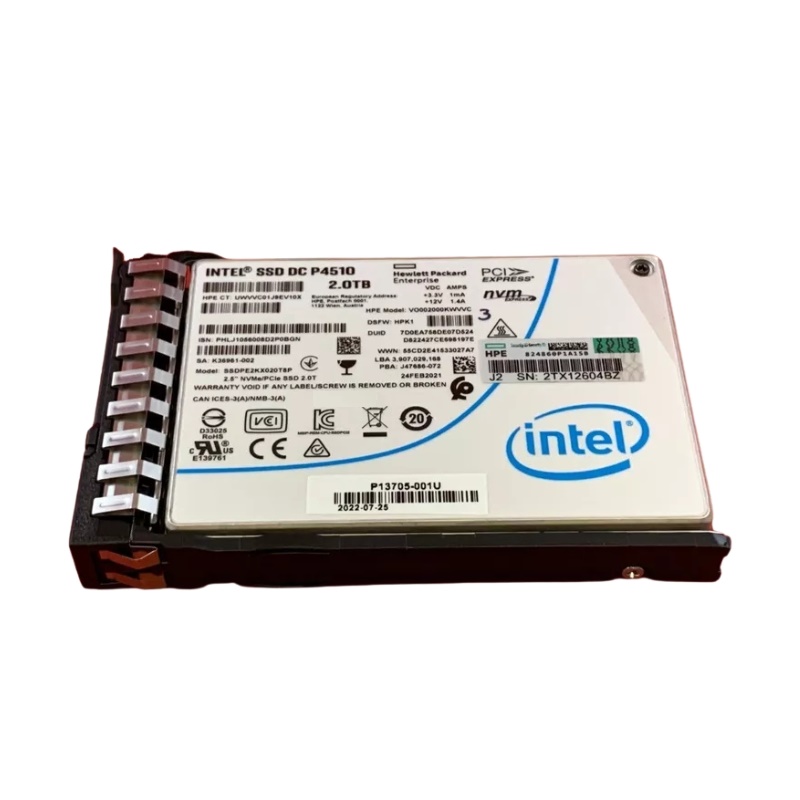
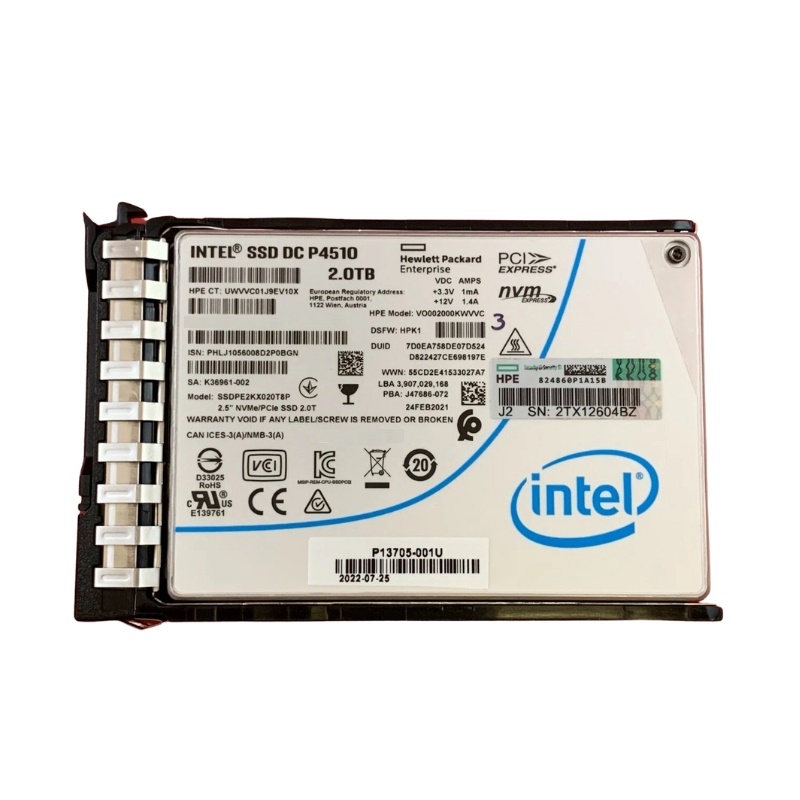
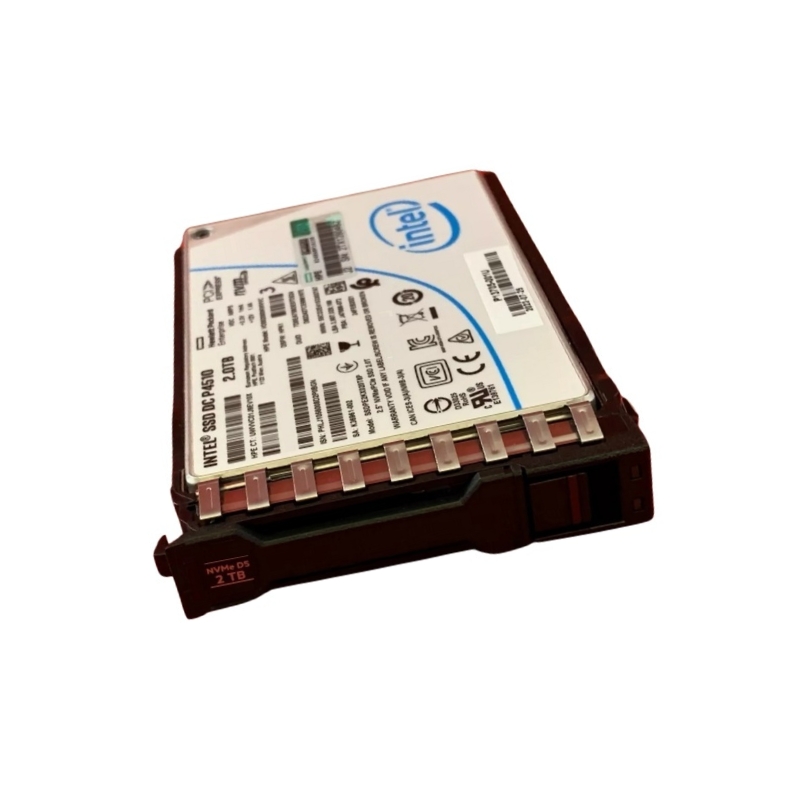
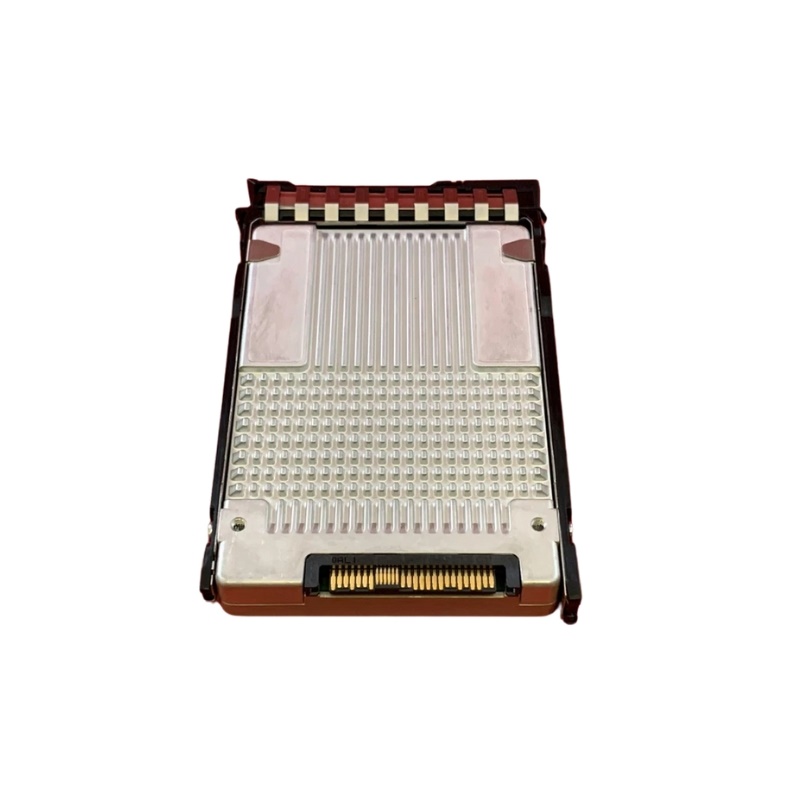
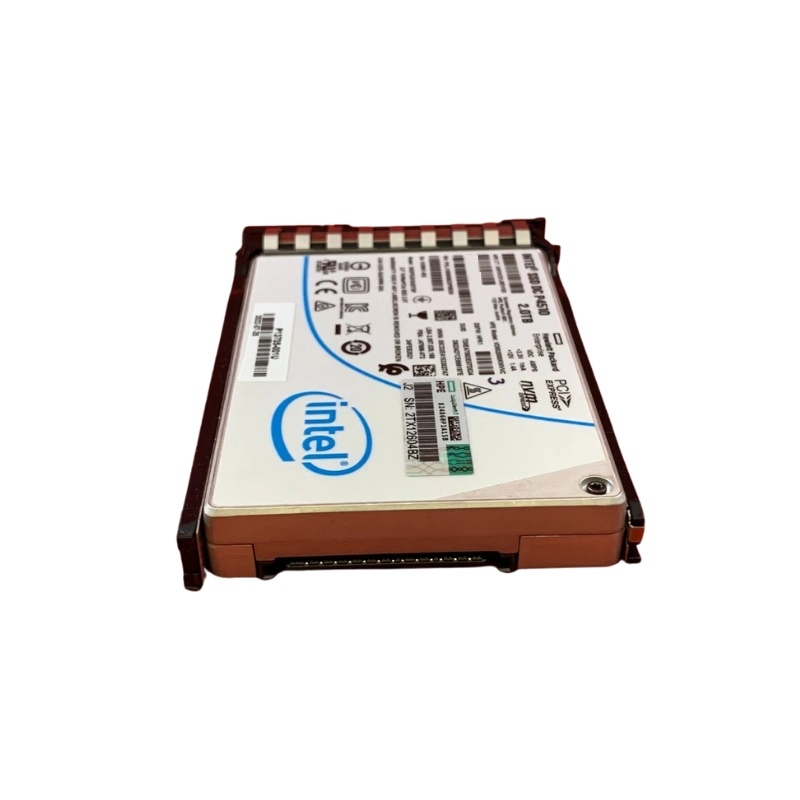
HPE 765066-001 2TB PCI-E Mixed Use SC SSD. New (System) Pull with 1 year replacement warranty
The HPE 765066-001 is a high-performance solid-state storage device engineered for mixed-use workloads. Designed to deliver speed, reliability, and scalability, this enterprise-grade SSD is ideal for data-intensive environments.
Key physical attributes
This 2TB PCIe SSD is compatible with a wide range of HPE servers and storage platforms. It integrates seamlessly into existing infrastructure, offering plug-and-play deployment for IT professionals.
Drives in this category are typically offered in an industry-standard server SSD form factor compatible with HPE ProLiant servers, HPE storage enclosures, and many third-party server platforms. The 2TB capacity strikes a balance between high-density storage and the need for sustained write performance. The PCI-E interface ensures direct, high-bandwidth access to the host CPU and memory subsystem, reducing I/O bottlenecks that can occur with legacy SAS bridges. Mixed Use (MU) classification indicates a workload endurance profile designed for a combination of read- and write-intensive applications—making these SSDs ideal for databases, virtualization, caching layers, and mixed cloud workloads.
Performance for the HPE 765066-001 2TB PCI-E Mixed Use SC SSD category is measured across multiple vectors: sequential throughput (MB/s), random IOPS (4K/8K), latency (read/write P95/P99), and sustained bandwidth under mixed workloads. These drives aim to deliver high sequential throughput for large block transfers (streaming workloads) while simultaneously offering durable random IOPS for small-block, latency-sensitive transactions.
Endurance is a core selection criterion for enterprise SSDs. The Mixed Use designation of the HPE 765066-001 2TB PCI-E Mixed Use SC SSD indicates a middle ground between Read-Intensive and Write-Intensive classes—offering a balanced TBW and DWPD rating that supports general-purpose server roles. Reliability features often include power-loss protection capacitors, end-to-end data path protection, and enterprise firmware optimized for error management and background housekeeping (garbage collection, wear leveling).
This category includes both native HPE SKUs and HPE-validated third-party SSD products that match the part number and electrical/physical specifications. Compatibility concerns include server slot type (M.2, U.2, HHHL), PCIe lane counts, BIOS/UEFI support, and HPE system firmware that may influence drive recognition, health reporting, and SMART attribute interpretation.
The HPE 765066-001 2TB PCI-E Mixed Use SC SSD is tailored for use cases that require a combination of moderate-to-high write endurance and strong random read/write performance. Typical deployments include:
Virtual machine densification and virtual desktop infrastructure benefit from the balanced IOPS and sustained bandwidth of mixed use SSDs. A 2TB drive provides enough capacity to host OS images, swap files, and frequently accessed user data while delivering low-latency I/O to support boot storms and user concurrency.
OLTP databases, caching layers, and microservices with mixed read/write patterns find value in the consistent tail latency and endurance profile. When paired with proper RAID or software-defined redundancy, these SSDs improve transaction throughput and reduce query latency.
For edge deployments where space is limited and reliability is paramount, a 2TB Mixed Use NVMe SSD offers a dense storage profile capable of handling local processing, logging, and transient data with fewer drive swaps and predictable performance in harsh environments.
While this page centers on the HPE 765066-001 2TB PCI-E Mixed Use SC SSD, subcategories may exist to separate SKUs by firmware revision, thermal profile, interface generation (PCIe Gen3 vs Gen4), and application tuning (data center vs storage cache). Common subcategory distinctions include:
Selecting the right drive from this category requires evaluating workload characteristics, system compatibility, and lifecycle economics. Consider the following factors:
Determine the read/write ratio, average I/O size, and latency sensitivity. Mixed Use SSDs are best for balanced applications; if writes dominate, consider higher endurance models; if reads dominate and cost efficiency is critical, read-intensive SKUs may be more economical.
Factor in RAID level, over-provisioning, and spare capacity. For heavy-write environments, maintain spare drives and proper RAID configurations to reduce rebuild time and performance impact during failures.
Firmware updates can address performance anomalies, security fixes, and compatibility issues. Prefer SKUs that include firmware support, release notes, and clear update tools tailored to HPE environments.
Proper installation and configuration maximize throughput and longevity. The following best practices help avoid common pitfalls during deployment:
Ongoing maintenance is essential for enterprise SSD health and predictability. Monitoring tools—either HPE OneView, manufacturer utilities, or OS-level NVMe monitoring agents—should be configured to alert on early warning signs like increasing media errors, high reallocated sectors, rising temperature, or rapidly consumed TBW percentages.
Firmware updates can deliver performance enhancements and bug fixes but also introduce risk if not validated for the specific platform. Follow a staged update approach: test firmware in a lab or non-production environment, verify application behavior under load, and schedule updates during maintenance windows with rollback plans in place.
Within the enterprise SSD landscape, Mixed Use drives like the HPE 765066-001 sit between read-intensive and write-intensive classes. When comparing alternatives, consider:
Higher-capacity drives may offer increased over-provisioning which can indirectly improve endurance and performance consistency. However, endurance (DWPD/TBW) typically scales with the targeted write class rather than capacity alone—so a 2TB Mixed Use may still deliver fewer DWPD than a 2TB write-intensive model.
Evaluate total cost of ownership (TCO): initial purchase price, expected service life based on TBW, power consumption, and replacement cadence. Mixed Use SSDs often provide a favorable balance of purchase price and lifespan for mixed workloads.
Enterprise SSDs in this category often include hardware-level security features: secure erase commands, cryptographic erase, and support for TCG Opal or SED (self-encrypting drive) standards on some models. When decommissioning drives, use vendor-supported secure erase procedures to ensure data sanitization and regulatory compliance.
Power consumption and thermal dissipation are important for dense server deployments. Mixed Use SSDs are tuned to balance performance and power draw. Still, in racks with many NVMe drives, cumulative power and heat can lead to throttling if airflow is insufficient. Evaluate thermal specifications and plan for adequate rack cooling and power provisioning.
Maintain a rotation of spares sized according to your mean time to repair (MTTR) objectives and expected failure rates. For large-scale deployments, inventory management for identical firmware revisions and SKUs prevents performance variability during replacements.


 Contact Us
 Information
 Catalog
 Solid State Drives (SSD)
 Network Switches
 Hard Disk Drives
 HBA & Controllers
 PC & Servers
 PC & Server Memory
 CPU & Processors
 Network Routers
 Power Supplies
 Tape Drives & Libraries
 Network Devices
 Computer & Network Cables