(7% discount is applied at checkout)
Cart is empty
Your go-to destination for cutting-edge server products
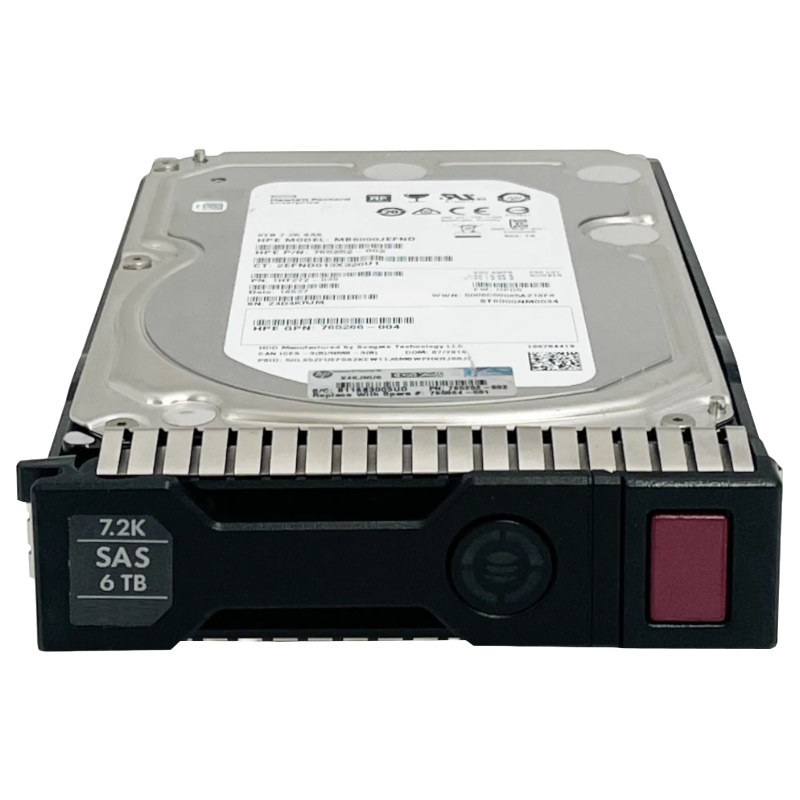


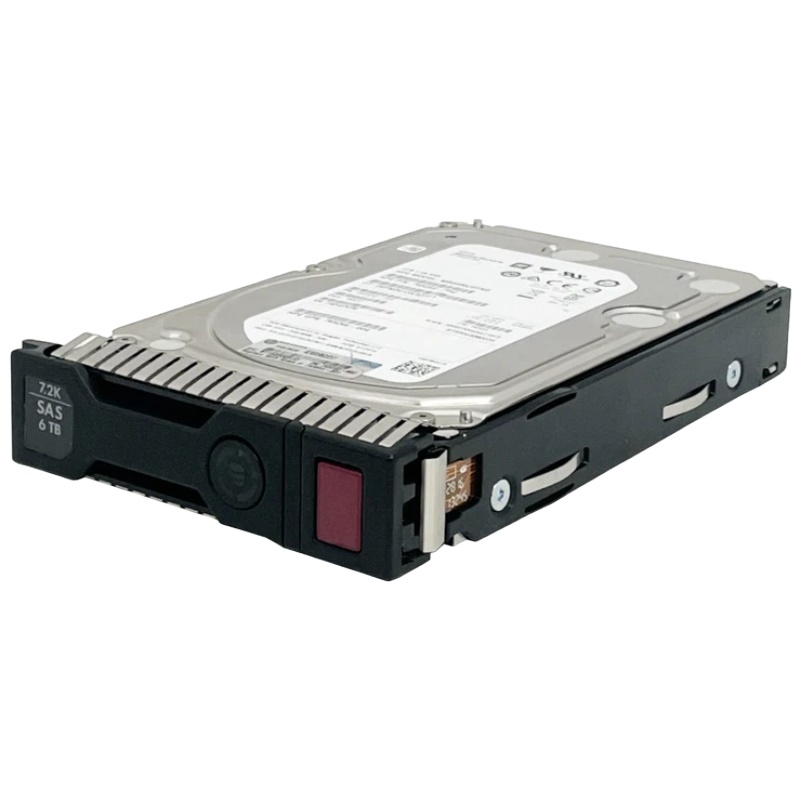
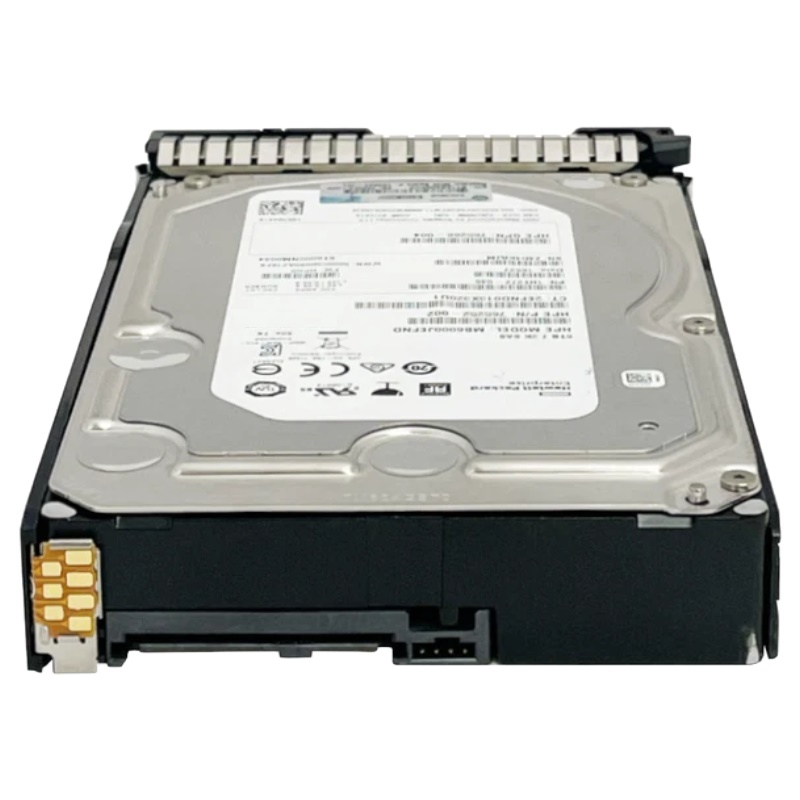
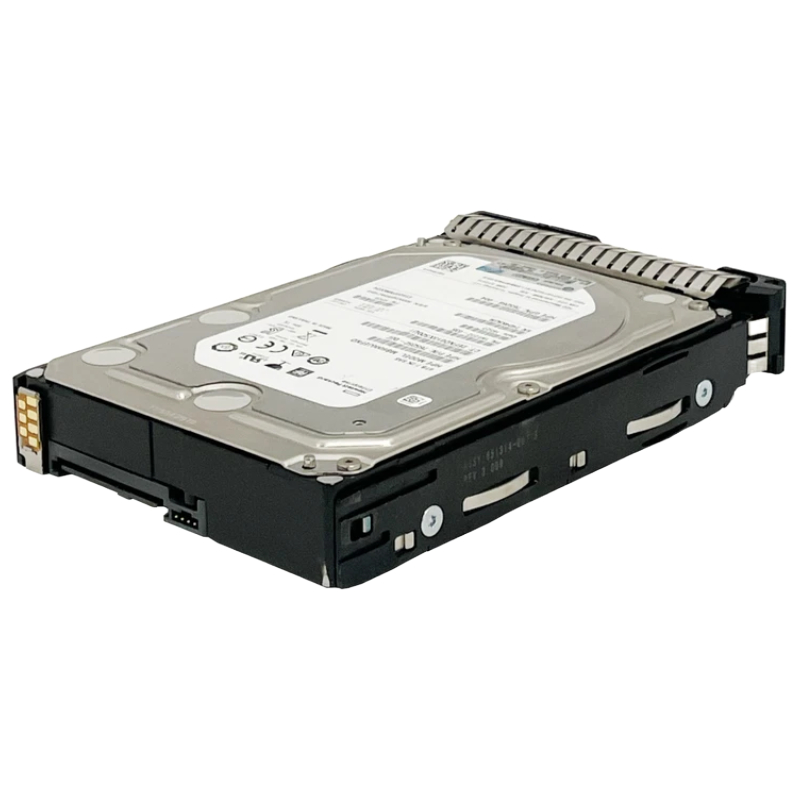
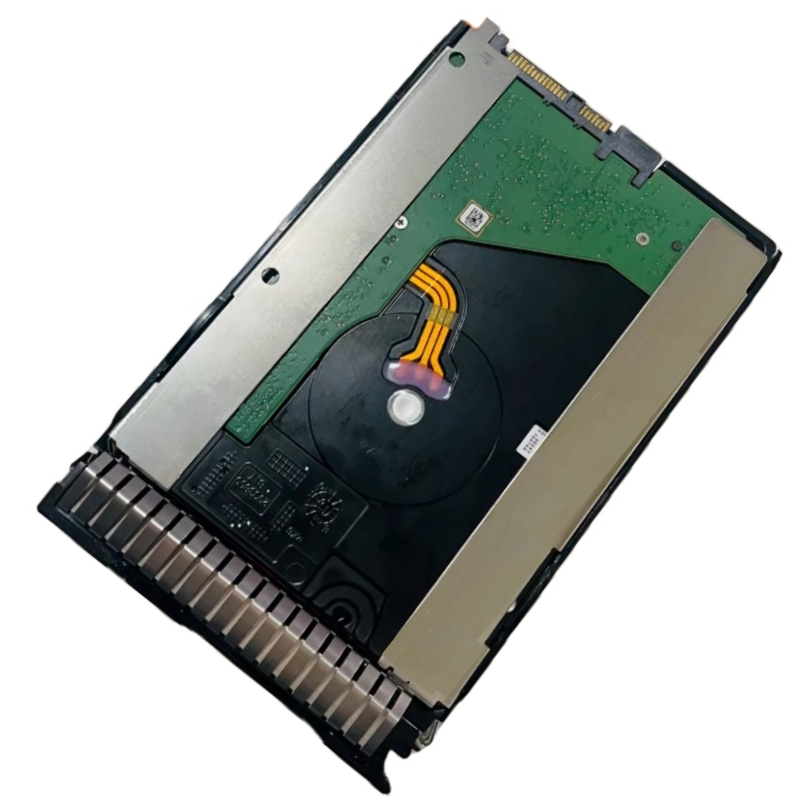
Internal Hard Drive HPE 793764-001 SAS-12GBPS 6TB 7.2K RPM. Factory-Sealed New in Original Box (FSB) with 3 Year Warranty
| SKU/MPN | Warranty | Price | Condition | You save |
|---|---|---|---|---|
| 793764-001 | 1 Year Warranty | $427.00 | Factory-Sealed New in Original Box (FSB) | You save: $149.45 (26%) |
| 793764-001 | 1 Year Warranty | $170.00 | Excellent Refurbished | You save: $59.50 (26%) |
The 793764-001 HPE 6TB SAS-12Gbps 7.2K RPM Internal Hard Drive represents a critical component within enterprise storage environments, designed to deliver reliable, high-capacity data storage for modern business infrastructures. Built with enterprise-grade engineering, this internal hard drive is optimized for performance, scalability, and long-term durability in demanding server and data center environments. It integrates seamlessly into systems requiring consistent throughput, high availability, and efficient data handling.
As data volumes continue to expand across industries, the demand for dependable storage solutions has increased significantly. This hard drive category is engineered to meet those needs by offering a balance between storage capacity, rotational speed, and interface bandwidth. With 6TB of storage capacity, it is particularly suitable for organizations handling large datasets, backups, virtualization workloads, and archival storage without compromising performance stability.
The architecture of this hard drive category is designed specifically for enterprise environments where reliability and uptime are paramount. Unlike consumer-grade drives, enterprise drives are subjected to more rigorous testing standards and are built to withstand continuous operation. This includes enhanced vibration tolerance, improved thermal management, and advanced error correction technologies.
The SAS 12Gbps interface provides a significant advantage over traditional SATA connections, offering higher data transfer rates, improved reliability, and dual-port connectivity. This allows for redundant data paths, ensuring that data remains accessible even in the event of a path failure. Such features are essential for mission-critical applications where downtime can lead to significant operational disruptions.
With a storage capacity of 6TB, this category of hard drives is ideal for organizations that require large-scale data storage solutions. Businesses today generate vast amounts of structured and unstructured data, ranging from transactional databases to multimedia content and analytics datasets. A 6TB drive allows for efficient consolidation of data while minimizing the number of drives required, which in turn reduces power consumption and physical space requirements.
High-capacity drives are especially valuable in applications such as backup repositories, data archiving, and content storage systems. They enable organizations to maintain large volumes of historical data without needing frequent hardware expansion. This contributes to cost efficiency and simplifies storage management strategies.
Operating at 7.2K RPM, this hard drive category strikes a balance between performance and energy efficiency. While higher RPM drives such as 10K or 15K are typically used for performance-intensive workloads, 7.2K RPM drives are optimized for capacity-driven applications where consistent throughput is more critical than ultra-low latency.
This makes the drive particularly suitable for file storage, backup operations, and data warehousing environments. It provides sufficient speed for sequential read and write operations while maintaining lower power consumption and reduced heat generation compared to higher-speed drives. This balance is essential in large-scale deployments where energy efficiency and thermal management are key considerations.
The Serial Attached SCSI (SAS) 12Gbps interface is a defining feature of this category, delivering high-speed data transfer capabilities that are crucial for enterprise applications. Compared to older interfaces, SAS 12Gbps doubles the bandwidth, enabling faster data access and improved system responsiveness.
One of the most significant advantages of SAS is its support for full-duplex communication, allowing simultaneous data transmission in both directions. This enhances performance in multi-user environments where concurrent data operations are common. Additionally, SAS drives support advanced command queuing and error handling mechanisms, ensuring data integrity and system stability.
Dual-port functionality is a key feature of SAS drives, providing two independent data paths between the drive and the controller. This redundancy ensures continuous data availability, even if one path fails. In enterprise environments, this capability is essential for maintaining high availability and minimizing downtime.
This feature is particularly beneficial in RAID configurations and clustered storage systems, where uninterrupted access to data is critical. It allows for seamless failover and load balancing, improving overall system resilience and performance.
Data integrity is a top priority in enterprise storage systems, and this category of hard drives incorporates multiple technologies to ensure accuracy and reliability. Advanced error correction codes, cyclic redundancy checks, and end-to-end data protection mechanisms work together to detect and correct errors during data transmission and storage.
These features are essential for preventing data corruption and ensuring that stored information remains accurate over time. This is particularly important in industries such as finance, healthcare, and research, where data accuracy is critical to operations.
The 793764-001 HPE 6TB SAS hard drive category is versatile and can be deployed across a wide range of applications. Its combination of capacity, reliability, and performance makes it suitable for various enterprise workloads.
In data center environments, storage solutions must support high-density configurations while maintaining efficiency and reliability. This hard drive category is well-suited for cloud infrastructure, where scalability and cost-effectiveness are key considerations. It enables service providers to store large volumes of customer data while ensuring consistent performance.
Cloud platforms often require storage systems that can handle diverse workloads, including virtual machines, databases, and file storage. The 6TB capacity and SAS interface provide the necessary performance and flexibility to meet these demands.
Backup and archival systems require high-capacity drives that can store large amounts of data over extended periods. This category of hard drives is ideal for such applications, offering reliable storage for critical backups and historical data. Its durability ensures that data remains and accessible when needed.
Organizations can use these drives to implement robust disaster recovery strategies, ensuring that data can be restored in the event of system failures or data loss incidents.
Big data applications involve processing and analyzing massive datasets to extract valuable insights. Storage solutions used in these environments must provide high capacity and consistent throughput. This hard drive category meets these requirements, enabling efficient storage and retrieval of large datasets.
Analytics platforms benefit from the drive’s ability to handle sequential data operations, making it suitable for data lakes and large-scale processing systems. Its reliability ensures that critical data remains accessible throughout the analysis process.
Scalability is a crucial factor in enterprise storage solutions, and this category of hard drives is designed to support expanding storage needs. Organizations can easily integrate these drives into existing systems, in standalone servers or large storage arrays.
The standardized SAS interface ensures compatibility with a wide range of enterprise hardware, simplifying deployment and reducing integration complexity. This allows businesses to scale their storage infrastructure without significant in system architecture.
RAID (Redundant Array of Independent Disks) configurations are commonly used in enterprise environments to improve performance and provide data redundancy. This hard drive category is fully compatible with various RAID levels, enabling organizations to design storage systems that meet their specific requirements.
Whether used in RAID 1 for mirroring, RAID 5 for balanced performance and redundancy, or RAID 10 for high-performance applications, these drives provide the reliability and consistency needed for enterprise storage solutions.
Many enterprise systems support hot-swapping, allowing drives to be replaced without shutting down the system. This feature is essential for maintaining uptime and ensuring continuous operation. The drives in this category are designed to support hot-swap functionality, making maintenance and upgrades more efficient.
Hot-swapping reduces the risk of downtime and organizations to perform maintenance tasks without disrupting critical operations. This is particularly important in environments where continuous availability is required.
Energy efficiency is a key consideration in modern data centers, where power consumption and cooling costs can be significant. The 7.2K RPM design of this hard drive category contributes to lower power usage compared to higher-speed drives, in reducing operational costs.
Efficient thermal management is also essential for maintaining and prolonging the lifespan of storage. These drives are engineered to operate within optimal temperature ranges, minimizing heat generation and ensuring stable performance.
Lower rotational speeds result in reduced energy consumption, making these drives a cost-effective choice for large-scale deployments. Organizations can savings in electricity costs while maintaining reliable storage performance.
This is particularly beneficial in data centers with hundreds or thousands of drives, where even small improvements in energy efficiency can lead to significant cost reductions over time.
Efficient heat dissipation is critical for maintaining system stability. These drives are designed to generate less heat, reducing the burden on cooling systems and improving overall efficiency. This contributes to a more sustainable and environmentally friendly data center operation.
Reliability is one of the most important factors in enterprise storage, and this hard drive category is built to deliver consistent performance over extended periods. It is designed for 24/7 operation, ensuring that data remains accessible at all times.
Enterprise drives typically feature higher mean time between failures (MTBF) compared to consumer drives, reflecting their ability to withstand continuous use. This makes them a dependable choice for mission-critical applications.
Error handling mechanisms play a crucial role in maintaining data integrity. These drives incorporate advanced technologies to detect and correct errors, ensuring that data remains accurate and reliable. This is essential for applications where data accuracy is critical.
Enterprise environments often involve challenging operating conditions, including workloads and continuous operation. This hard drive category is built to handle these conditions, providing consistent performance even under heavy.
Its robust design ensures resistance to vibrations and fluctuations, making it suitable for deployment in high-density storage systems and data centers.
This category of internal hard drives embodies the essential characteristics required for modern enterprise storage solutions. From high-capacity data handling to reliable performance and efficient operation, it addresses the diverse needs of businesses across various industries. Its integration of advanced technologies and adherence to enterprise standards make it a valuable component in building scalable and resilient storage infrastructures.


 Contact Us
 Information
 Catalog
 Solid State Drives (SSD)
 Network Switches
 Hard Disk Drives
 HBA & Controllers
 PC & Servers
 PC & Server Memory
 CPU & Processors
 Network Routers
 Power Supplies
 Tape Drives & Libraries
 Network Devices
 Computer & Network Cables