(7% discount is applied at checkout)
Cart is empty
Your go-to destination for cutting-edge server products


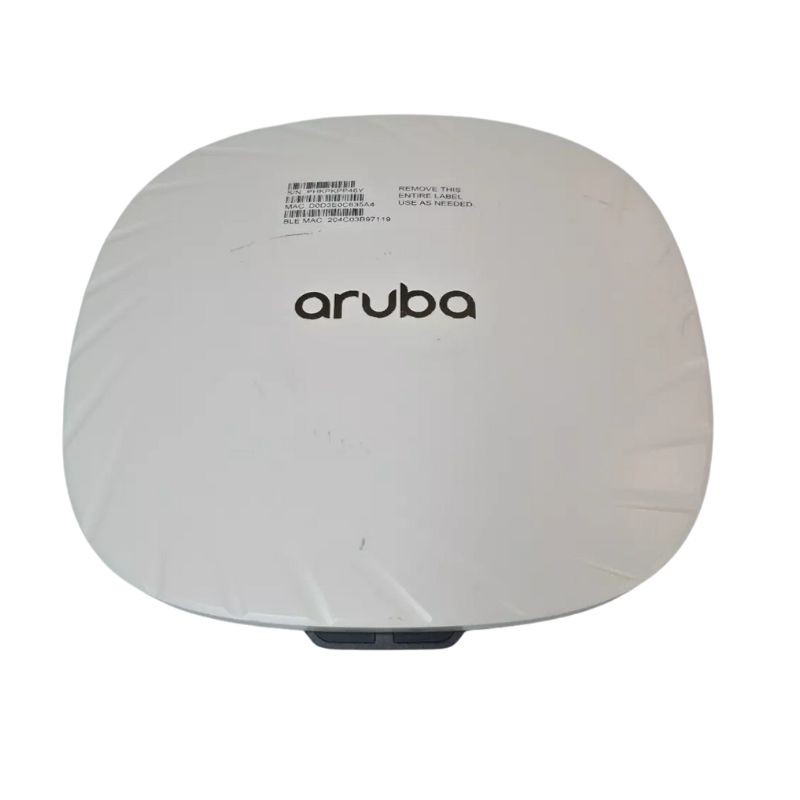
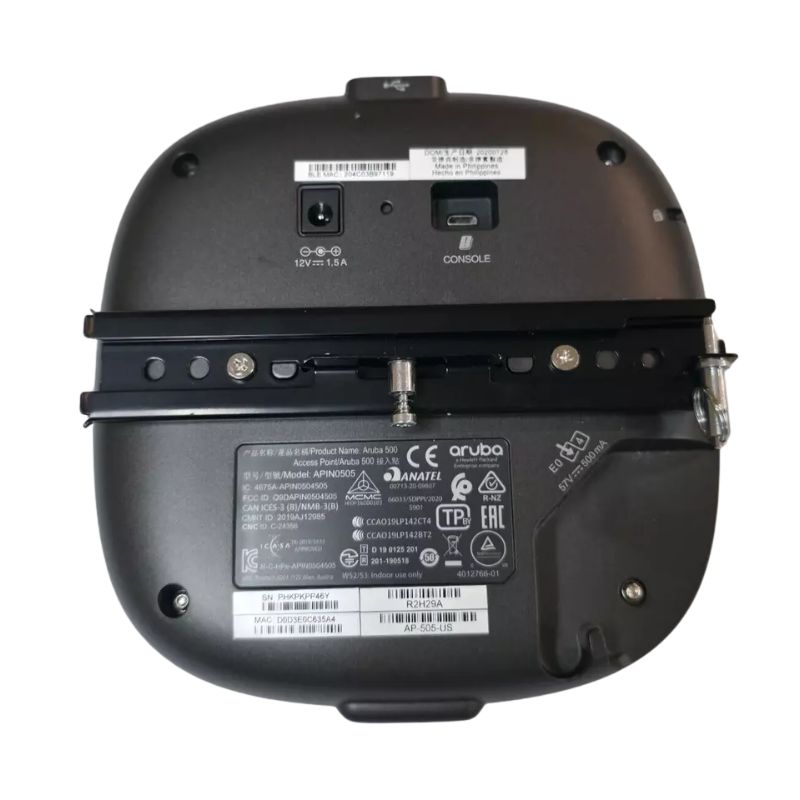
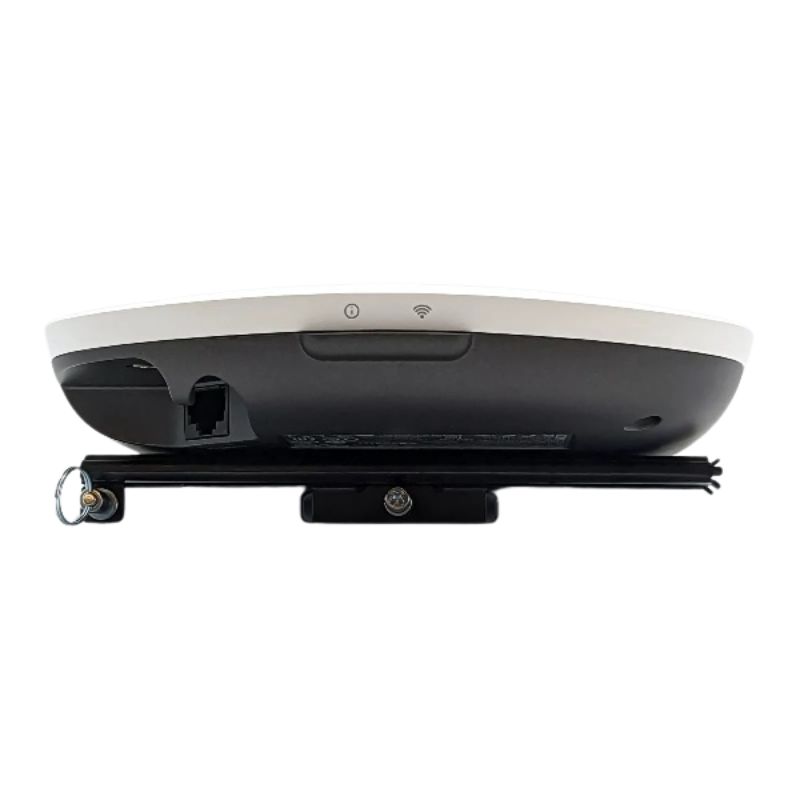
HPE AP-515-US with 2.5 GBPS Speed Wireless Access Point. Factory-Sealed New in Original Box (FSB) with 3 Years Warranty
| SKU/MPN | Warranty | Price | Condition | You save |
|---|---|---|---|---|
| AP-515-US | 1 Year Warranty | $266.00 | Factory-Sealed New in Original Box (FSB) | You save: $93.10 (26%) |
| AP-515-US | 1 Year Warranty | $179.00 | Excellent Refurbished | You save: $62.65 (26%) |
The HPE AP-515-US Aruba Campus Wireless Access Point is a high-performance networking solution engineered to deliver reliable and ultra-fast wireless connectivity in enterprise environments. Designed for modern workplaces, this device supports dense user environments, ensuring seamless communication, improved productivity, and stable connections across multiple devices. Its advanced wireless technologies and intelligent features make it suitable for offices, educational institutions, and large commercial spaces where consistent network performance is essential.
The HPE AP-515-US Aruba Campus Wireless Access Point category represents a critical segment of enterprise networking infrastructure designed to deliver high-performance, secure, and scalable wireless connectivity. In modern organizations where mobility, cloud computing, and real-time collaboration define daily operations, wireless access points are no longer optional devices—they are foundational components that enable seamless communication across devices, users, and applications.
This category focuses on enterprise-grade access points engineered to handle dense environments, high bandwidth requirements, and diverse device ecosystems. From corporate offices and educational institutions to healthcare facilities and retail environments, these wireless solutions ensure uninterrupted connectivity while maintaining strict performance and security standards.
The architecture behind these access points is built to support modern wireless standards, ensuring compatibility with current and emerging technologies. Their ability to manage multiple simultaneous connections without compromising speed or reliability makes them ideal for organizations that demand consistent network performance.
Wireless networks today must support a growing number of devices per user, including laptops, smartphones, tablets, and IoT devices. This category of access points is specifically engineered for high-density environments where hundreds of devices may connect simultaneously within a limited space.
Advanced traffic management capabilities ensure that network resources are allocated efficiently. Intelligent load balancing distributes client connections across available radios, preventing congestion and maintaining optimal performance. Features such as band steering encourage compatible devices to connect to less congested frequency bands, improving overall network efficiency.
In addition, these access points are equipped with multi-user communication technologies that allow multiple devices to transmit and receive data simultaneously. This significantly reduces latency and enhances the user experience, particularly in environments where real-time applications such as video conferencing and cloud-based collaboration tools are heavily used.
The ability to prioritize traffic based on application type ensures that mission-critical services receive the bandwidth they require. This is especially important in business environments where delays or interruptions can impact productivity and operational efficiency.
Signal coverage and throughput are essential factors in wireless network design. This category emphasizes access points that provide consistent coverage across large areas while maintaining high data transfer speeds. Advanced antenna designs and beamforming technologies help direct signals toward connected devices, improving both range and reliability.
Beamforming allows the access point to focus its signal in specific directions rather than broadcasting uniformly in all directions. This targeted approach enhances signal strength for connected devices and reduces interference, resulting in better overall performance.
In environments with physical obstructions such as walls, furniture, and equipment, maintaining strong wireless coverage can be challenging. These access points are designed to adapt to such conditions, ensuring stable connectivity even in complex layouts.
Security is a fundamental requirement for any enterprise network, and this category of wireless access points incorporates multiple layers of protection to safeguard data and user privacy. Built-in security features are designed to defend against unauthorized access, cyber threats, and network vulnerabilities.
Authentication protocols ensure that only authorized users and devices can connect to the network. Encryption mechanisms protect data transmitted over the air, preventing interception and unauthorized access. These features are essential for organizations that handle sensitive information, such as financial institutions and healthcare providers.
In addition to standard security measures, these access points often include advanced threat detection capabilities. They can identify and mitigate potential risks such as rogue access points, malicious devices, and unusual network activity. This proactive approach to security helps maintain network integrity and reduces the risk of data breaches.
Role-based access control allows administrators to define user permissions based on roles within the organization. This ensures that individuals have access only to the resources necessary for their responsibilities. For example, employees, guests, and administrators can be assigned different levels of access, enhancing both security and network efficiency.
Network segmentation further enhances security by dividing the network into separate segments. This prevents unauthorized access between different parts of the network and limits the impact of potential security incidents. Segmentation is particularly useful in environments where multiple departments or user groups share the same infrastructure.
As organizations grow and evolve, their network requirements change. This category of access points is designed with scalability in mind, allowing businesses to expand their wireless infrastructure without significant disruptions. Whether deploying a small network in a single office or a large-scale system across multiple locations, these solutions provide the flexibility needed to adapt to changing demands.
Flexible deployment options include both centralized and distributed management models. Organizations can choose the approach that best suits their operational needs, whether managing access points through a centralized controller or using cloud-based management platforms.
Cloud-based management offers several advantages, including remote monitoring, simplified configuration, and automatic updates. This reduces the need for on-site technical expertise and allows administrators to manage the network from anywhere.
Integrating new wireless access points into an existing network can be a complex process. This category focuses on solutions that are designed for seamless integration, minimizing disruption during deployment. Compatibility with standard networking protocols ensures that these devices can work alongside existing equipment without requiring significant modifications.
Support for power over Ethernet simplifies installation by allowing both power and data to be delivered through a single cable. This reduces the need for additional electrical infrastructure and makes it easier to deploy access points in various locations.
Providing a consistent and high-quality user experience is a key objective of any wireless network. This category emphasizes access points that deliver fast, reliable connectivity for a wide range of devices. From high-performance laptops to low-power IoT sensors, these solutions are designed to accommodate diverse connectivity requirements.
Features such as fast roaming ensure that users can move between different areas without experiencing interruptions in connectivity. This is particularly important in environments such as hospitals and large office buildings where mobility is essential.
Quality of service mechanisms prioritize critical applications, ensuring that activities such as video streaming and voice communication remain smooth and uninterrupted. This contributes to a more productive and efficient work environment.
Modern organizations rely heavily on cloud-based applications and services. This category of access points is optimized to support these applications, providing the bandwidth and reliability needed for seamless operation. Whether accessing cloud storage, running virtual desktops, or using collaboration tools, users can expect consistent performance.
The ability to handle high data throughput ensures that even bandwidth-intensive applications can run without issues. This is essential for industries such as media production, engineering, and software development, where large files and real-time processing are common.
Reliability is a key factor in network infrastructure. This category emphasizes access points that are built to withstand continuous operation in demanding environments. High-quality components and robust design ensure long-term performance and minimal downtime.
Durability is particularly important in environments where access points may be exposed to varying conditions, such as temperature fluctuations or physical wear. These devices are engineered to maintain performance under such conditions, ensuring consistent connectivity over time.
Technology is constantly evolving, and wireless networks must keep pace with new developments. This category focuses on access points that are designed to support future advancements, ensuring long-term relevance and value. Compatibility with emerging standards and technologies allows organizations to adopt new solutions without replacing existing infrastructure.
Innovative features such as artificial intelligence-driven optimization enhance network performance by automatically adjusting settings based on usage patterns. This reduces the need for manual configuration and ensures optimal performance at all times.
As the number of connected devices continues to grow, the ability to support large-scale deployments becomes increasingly important. These access points are designed to handle this growth, providing a scalable and future-proof solution for enterprise networking.


 Contact Us
 Information
 Catalog
 Solid State Drives (SSD)
 Network Switches
 Hard Disk Drives
 HBA & Controllers
 PC & Servers
 PC & Server Memory
 CPU & Processors
 Network Routers
 Power Supplies
 Tape Drives & Libraries
 Network Devices
 Computer & Network Cables