(7% discount is applied at checkout)
Cart is empty
Your go-to destination for cutting-edge server products
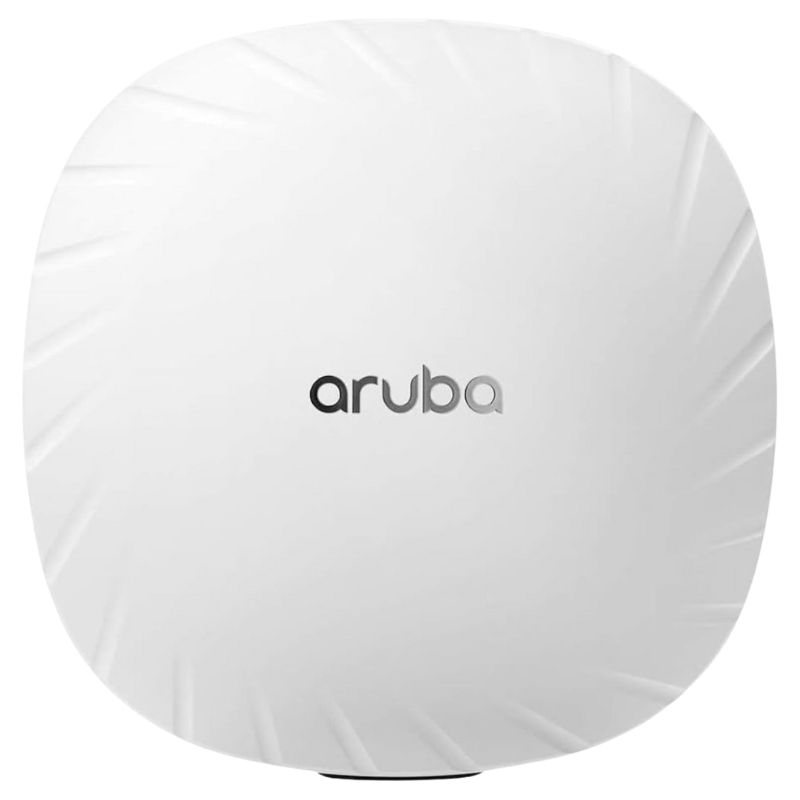


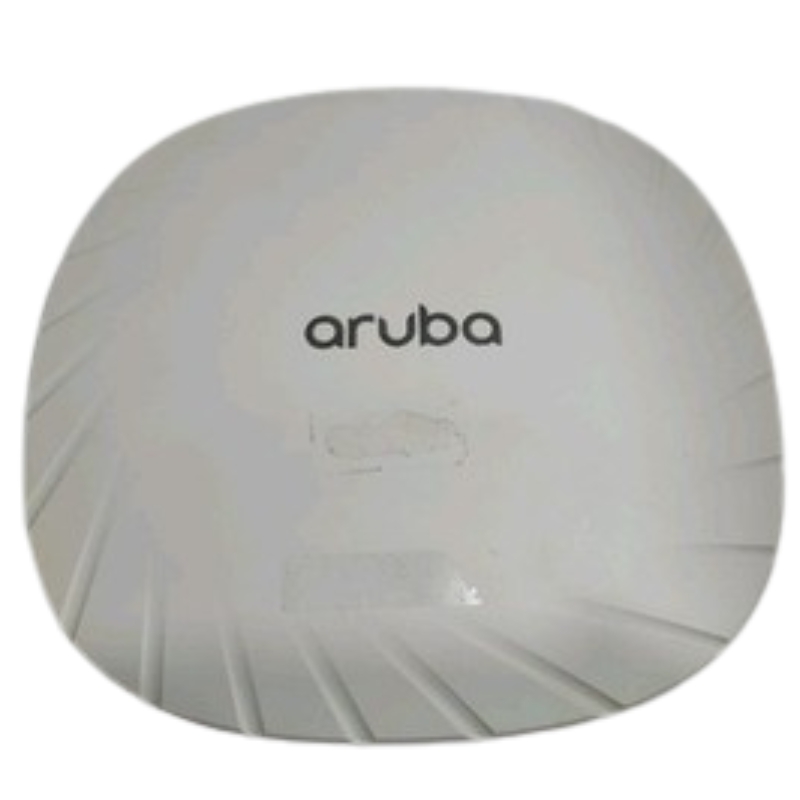
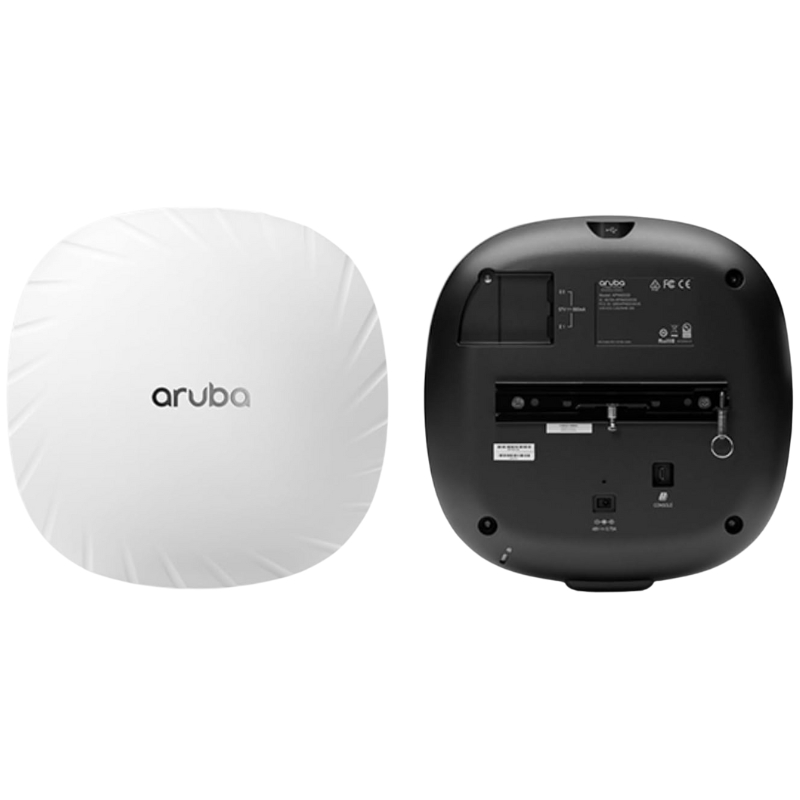
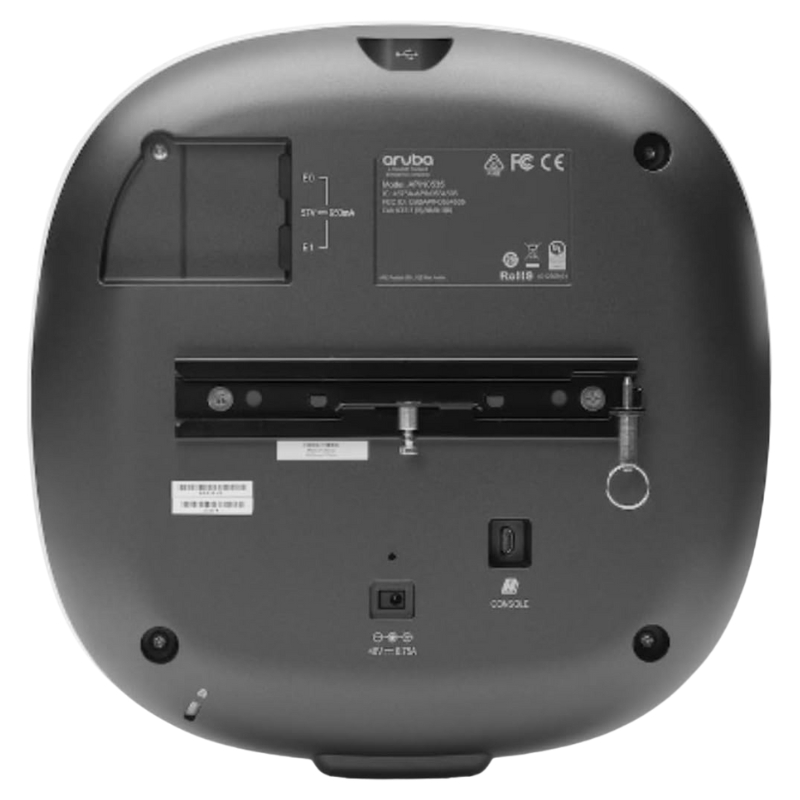
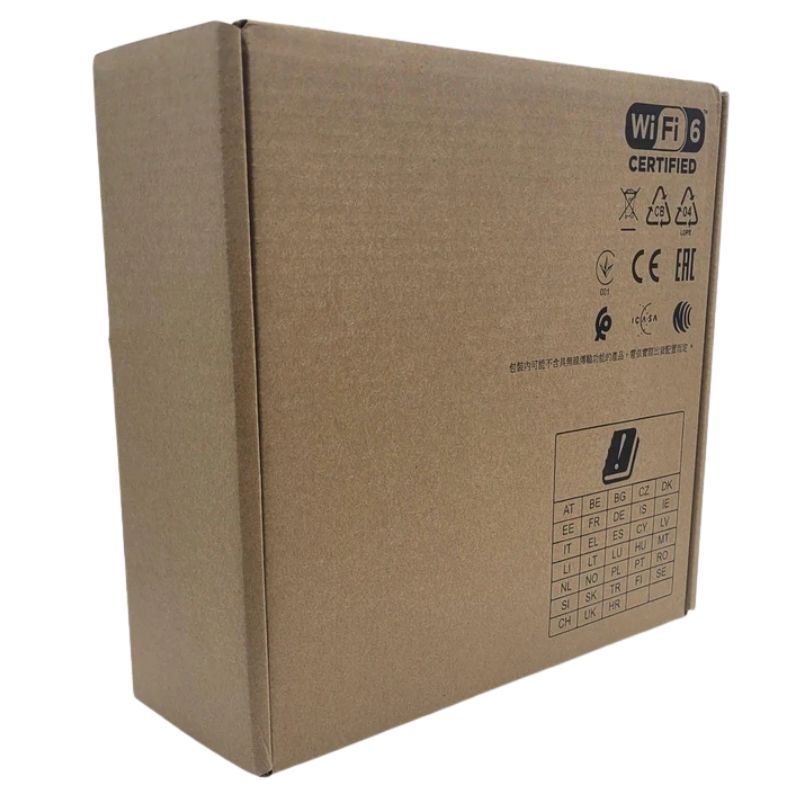
HPE AP-555-US 4.8GBPS Wireless Access Point Internal Antennas Unified Campus. Excellent Refurbished with 1 year replacement warranty
| SKU/MPN | Warranty | Price | Condition | You save |
|---|---|---|---|---|
| AP-555-US | 1 Year Warranty | $275.00 | Excellent Refurbished | You save: $96.25 (26%) |
| AP-555-US | 1 Year Warranty | $769.00 | New Sealed in Box (NIB) | You save: $269.15 (26%) |
The HPE AP-555-US is a high-performance wireless access point designed for modern enterprise campus environments. It delivers ultra-fast combined throughput of up to 4.8 Gbps using advanced Wi-Fi 6 (802.11ax) technology. Built with internal antennas and intelligent networking capabilities, this ceiling-mounted device ensures seamless connectivity, strong signal distribution, and optimized user experience across high-density deployments.
The HPE AP-555-US 4.8Gbps Wireless Access Point with internal antennas is engineered for modern high-density enterprise environments where seamless connectivity, stability, and intelligent network management are essential. This category of advanced wireless infrastructure represents a core building block for unified campus ecosystems, supporting diverse digital workloads across corporate offices, educational institutions, healthcare environments, and large-scale public venues. Designed with next-generation wireless architecture, this access point integrates high-speed radio performance, adaptive RF optimization, and centralized management capabilities that support continuous and uninterrupted network availability across complex deployments.
Within enterprise environments, the demand for reliable wireless connectivity continues to increase as organizations transition toward cloud-first applications, hybrid work models, and real-time collaboration tools. This category of access point addresses those demands through high throughput capacity, efficient spectrum utilization, and intelligent traffic handling mechanisms that ensure consistent performance even in congested wireless conditions.
The HPE AP-555-US wireless access point is built around a high-performance dual radio architecture that supports multi-gigabit wireless communication. With a combined throughput capacity reaching up to 4.8Gbps, it is designed to accommodate bandwidth-intensive applications such as video conferencing, virtual desktop infrastructure, augmented reality training systems, and large-scale data transfers within enterprise environments.
This architecture leverages advanced modulation techniques and optimized channel utilization to enhance spectral efficiency. It enables multiple client devices to communicate simultaneously without significant degradation in performance. The system is designed to reduce latency, improve packet delivery consistency, and ensure smooth application performance even during peak usage periods.
A defining characteristic of this category is its integrated internal antenna system. The internal antenna design provides a streamlined deployment model while maintaining high-performance radio coverage. By embedding antennas within the unit, the access point reduces physical clutter and improves aesthetic integration into modern office and campus environments.
The internal antenna system is engineered for optimized signal distribution, ensuring balanced coverage across open spaces, conference rooms, corridors, and multi-floor environments. This design reduces interference patterns and supports more predictable wireless coverage behavior. It also enhances security by limiting external antenna exposure while maintaining robust signal penetration through structural obstacles such as walls and partitions.
In a unified campus environment, wireless access points operate as part of a centrally managed network infrastructure. The HPE AP-555-US category is specifically designed to integrate seamlessly into such environments, enabling centralized control, configuration management, and performance monitoring across large-scale deployments.
This integration allows network administrators to maintain consistent policies, manage user authentication, and monitor traffic distribution across multiple access points from a single control system. The unified architecture simplifies network expansion and ensures consistent configuration standards across all connected devices, reducing operational complexity while improving overall reliability.
Modern enterprise environments often involve high-density user scenarios where dozens or even hundreds of devices connect simultaneously to a single wireless infrastructure. This category of access point is optimized to handle such environments by intelligently distributing network resources and managing client connections efficiently.
Advanced scheduling mechanisms ensure fair bandwidth allocation among connected devices, preventing network congestion and maintaining stable performance levels. The system dynamically adjusts transmission parameters based on real-time network conditions, ensuring optimal throughput even under heavy load conditions.
The HPE AP-555-US category is designed to support modern wireless communication standards, enabling compatibility with a wide range of enterprise devices including laptops, smartphones, tablets, IoT sensors, and industrial equipment. This compatibility ensures that organizations can deploy the access point within heterogeneous environments without requiring extensive device upgrades.
The system supports advanced wireless features such as multi-user communication, spatial stream optimization, and enhanced channel bonding. These features collectively improve overall network efficiency and allow multiple devices to communicate simultaneously with reduced interference.
Radio frequency management is a critical aspect of enterprise wireless deployments. This category incorporates adaptive RF control mechanisms that continuously monitor environmental conditions and adjust transmission parameters accordingly. These adjustments help minimize interference from neighboring networks and ensure stable connectivity across varying physical environments.
The access point dynamically selects optimal channels and adjusts transmission power levels based on real-time analysis of surrounding wireless activity. This adaptive behavior ensures consistent performance in environments with fluctuating network density or variable interference patterns.
Security is a fundamental requirement in unified campus wireless deployments. The HPE AP-555-US category integrates multiple layers of security protocols designed to protect sensitive data and ensure secure communication across all connected devices.
Authentication frameworks support secure user access control, while encryption mechanisms safeguard data transmission between clients and the network infrastructure. These security measures are essential in environments such as corporate campuses, healthcare facilities, and educational institutions where data integrity and privacy are critical requirements.
Modern wireless infrastructure increasingly relies on cloud-based management systems to provide scalability and operational efficiency. This category supports integration with centralized network intelligence platforms that allow administrators to monitor performance metrics, configure network policies, and analyze usage patterns remotely.
Cloud-based integration enables predictive network optimization by analyzing historical data and identifying potential performance bottlenecks before they impact users. This proactive approach enhances network reliability and reduces downtime in critical enterprise environments.
In large campus environments, users frequently move between different physical locations while maintaining active network sessions. The HPE AP-555-US category is designed to support seamless roaming capabilities, allowing devices to transition between access points without noticeable interruption in connectivity.
This seamless transition is achieved through coordinated access point communication and intelligent client handoff mechanisms. These systems ensure that devices always connect to the most optimal access point based on signal strength and network load conditions.
Energy efficiency is an important consideration in large-scale wireless deployments. This category incorporates power optimization features that adjust energy consumption based on network activity levels. During periods of low traffic, the system reduces power usage while maintaining essential connectivity functions.
This adaptive energy management approach supports sustainable IT infrastructure practices and reduces operational costs over time. It also contributes to reduced thermal output, improving overall hardware longevity and reliability.
The HPE AP-555-US category is designed for flexible deployment across a wide range of physical environments. Whether installed in ceiling mounts, wall positions, or open architectural spaces, the access point maintains consistent performance characteristics.
This flexibility allows organizations to design wireless networks that align with architectural layouts without compromising coverage quality. The internal antenna configuration further simplifies installation by reducing external hardware dependencies and ensuring a cleaner deployment structure.
As organizations grow, their wireless infrastructure must scale accordingly. The HPE AP-555-US category is designed with scalability in mind, allowing seamless expansion of wireless coverage without requiring major architectural changes.
New access points can be integrated into existing network environments with minimal configuration effort, ensuring consistent performance and unified management across the entire deployment. This scalability makes it suitable for evolving enterprise requirements and expanding campus environments.
Enterprise environments can vary significantly in terms of physical layout, interference sources, and user density. This category is engineered to adapt to these variations through continuous environmental analysis and dynamic configuration adjustments.
Operational stability is maintained through redundant communication pathways and intelligent load balancing mechanisms that distribute network traffic evenly across available resources. This ensures consistent connectivity even in challenging deployment conditions.
Reliability is a key requirement for enterprise wireless infrastructure. The HPE AP-555-US category is designed to operate continuously under demanding conditions, supporting long-term deployment without degradation in performance.
Durability is reinforced through robust hardware design and thermal management systems that maintain stable operating conditions. This ensures consistent performance across extended operational lifecycles, reducing maintenance requirements and supporting long-term infrastructure planning.
Modern enterprise environments rely on interconnected digital ecosystems that include cloud services, IoT devices, and real-time communication platforms. This category of wireless access point is designed to integrate seamlessly into such ecosystems, enabling efficient data exchange and network interoperability.
The result is a cohesive wireless infrastructure that supports digital transformation initiatives and enhances overall organizational productivity through reliable connectivity and intelligent network management capabilities.


 Contact Us
 Information
 Catalog
 Solid State Drives (SSD)
 Network Switches
 Hard Disk Drives
 HBA & Controllers
 PC & Servers
 PC & Server Memory
 CPU & Processors
 Network Routers
 Power Supplies
 Tape Drives & Libraries
 Network Devices
 Computer & Network Cables