(7% discount is applied at checkout)
Cart is empty
Your go-to destination for cutting-edge server products
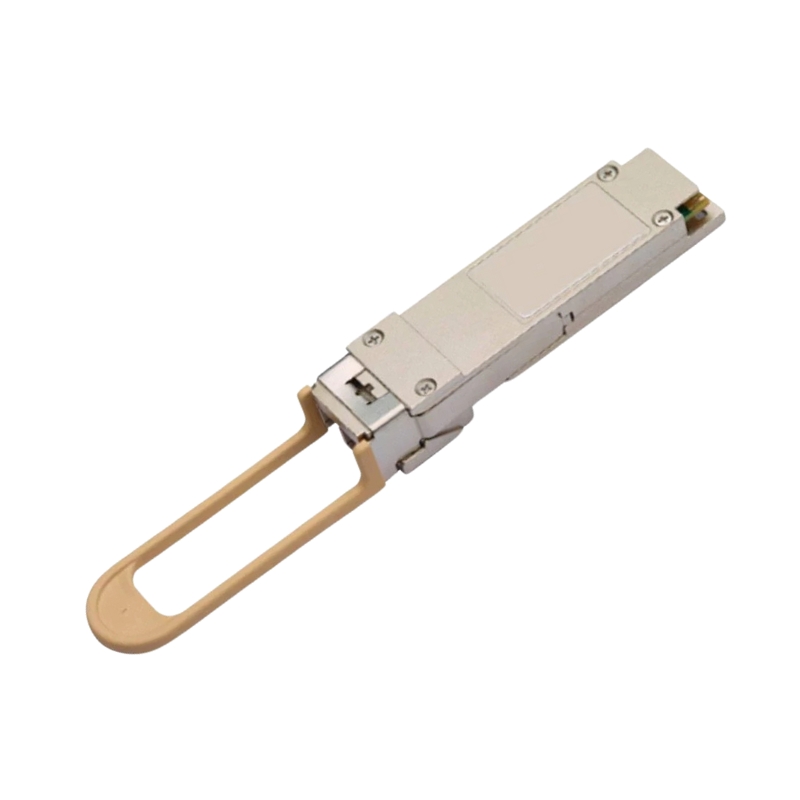


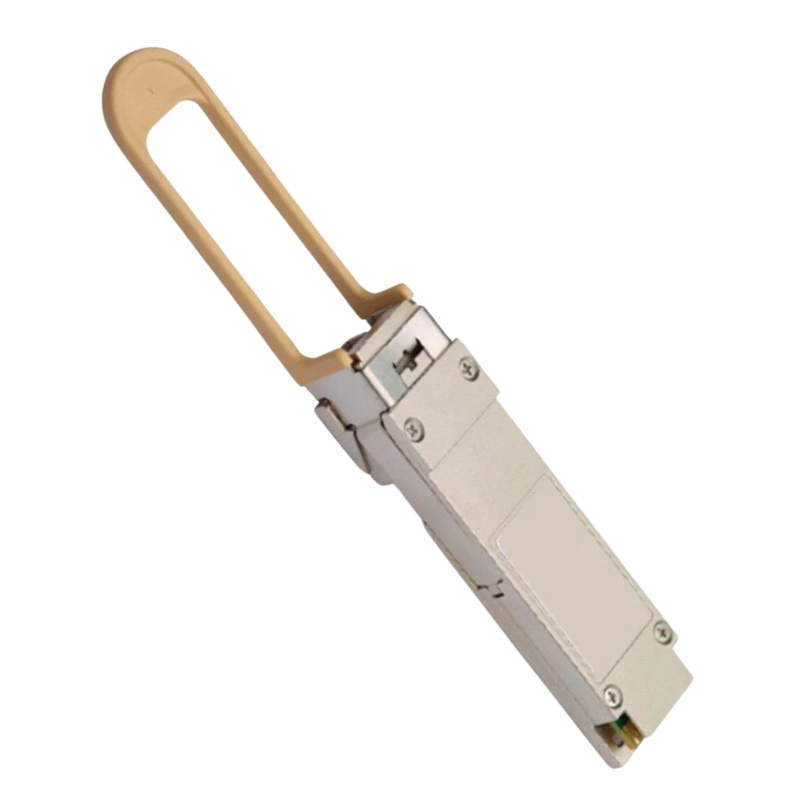
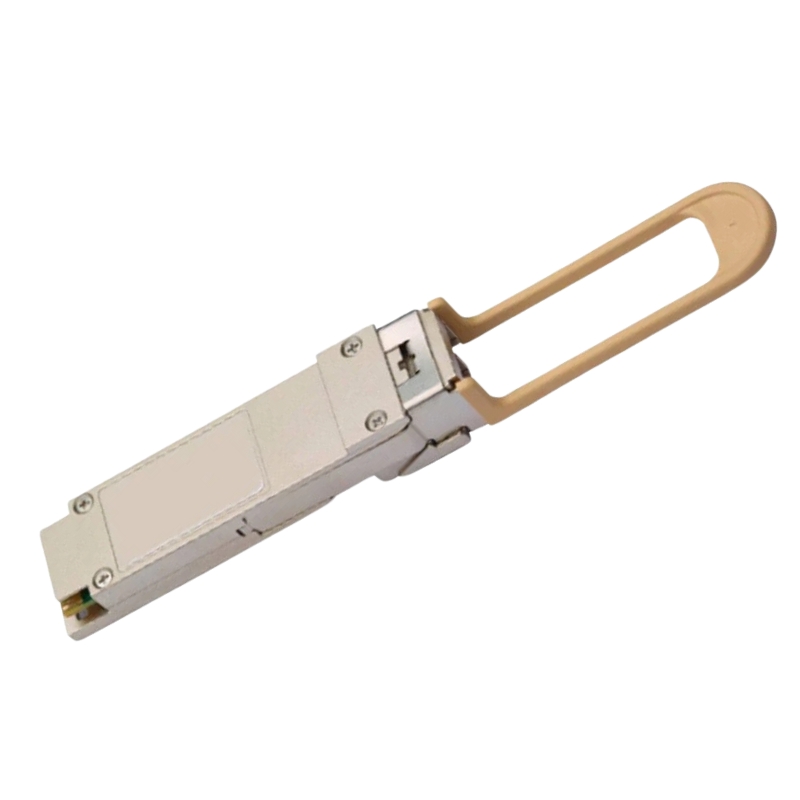
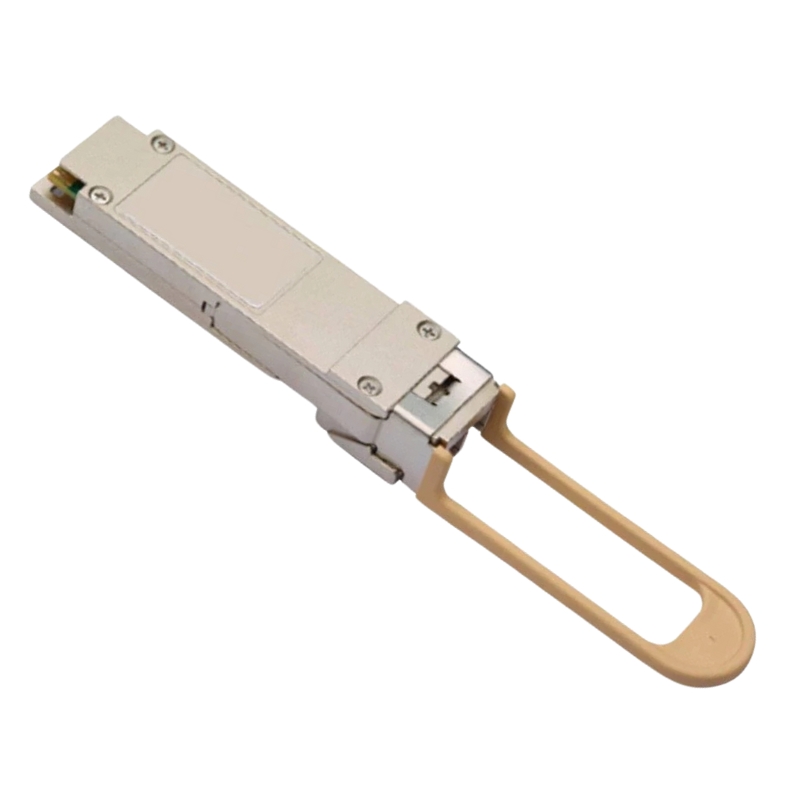
HPE JL308-61001 Aruba QSFP28 Transceiver Module - 40 Gigabit LAN. Excellent Refurbished with 1 year replacement warranty
HPE JL308-61001 Aruba QSFP28 Transceiver Module - 40 Gigabit LAN is a high-performance optical networking component engineered to deliver ultra-fast 40GbE connectivity across modern enterprise and data center infrastructures. This plug-in QSFP28 optical transceiver is designed to ensure stable, efficient, and scalable network communication by enabling seamless high-bandwidth data transmission over multimode fiber links. Built with precision engineering, it supports advanced networking environments where reliability, speed, and low-latency data exchange are essential for mission-critical operations.
The HPE JL308-61001 Aruba QSFP28 transceiver module designed for forty gigabit LAN environments represents a critical component in modern enterprise and carrier grade optical networking infrastructures. It is engineered to support high bandwidth aggregation layers where low latency, consistent signal integrity, and scalable fiber connectivity are essential. This class of transceiver modules is widely deployed in high density switching environments, core routing platforms, and spine leaf data center fabrics where bandwidth demands continuously increase due to virtualization, cloud computing workloads, and large scale distributed applications.
At the foundation of its design, this module follows the QSFP28 form factor specification, enabling four independent high speed lanes operating in parallel. Each lane is capable of carrying ten gigabit per second signals, collectively forming a forty gigabit Ethernet channel. This parallel transmission architecture ensures both high throughput and stable optical performance over supported fiber links. The module integrates advanced optical components, precision laser alignment systems, and digital diagnostic monitoring capabilities to ensure real time performance tracking and operational reliability in mission critical deployments.
The physical construction of the QSFP28 transceiver is optimized for compact installation in high density networking equipment. The module maintains a small footprint while delivering significant bandwidth capacity, making it ideal for switches and routers where port density is a primary requirement. The outer casing is designed with durable metal shielding that protects internal optical components from electromagnetic interference and environmental instability within rack mounted enclosures.
Inside the module, micro optical lenses and laser transmitters are precisely aligned to ensure minimal signal loss during conversion between electrical and optical domains. The design incorporates heat dissipation pathways that allow thermal energy generated during high speed operation to be efficiently managed, preventing performance degradation. The module is also built with hot swap capability, enabling installation or removal without interrupting system operation, which is essential in enterprise environments requiring continuous uptime.
Thermal control is a critical aspect of high speed optical transceivers. The JL308-61001 is designed with optimized heat conduction materials that distribute thermal load evenly across the module body. This prevents localized overheating and ensures stable optical signal output even under sustained data transmission loads. The transceiver is capable of operating within standard data center temperature ranges, making it suitable for both controlled and semi controlled environmental conditions.
Advanced internal circuitry monitors temperature fluctuations in real time and adjusts operational parameters to maintain signal integrity. This adaptive behavior ensures that performance remains consistent even when the module is deployed in densely populated switch chassis where airflow may be limited.
The optical subsystem within the QSFP28 transceiver is engineered to support high speed data conversion between electrical signals originating from network devices and optical signals transmitted over fiber optic cables. This conversion process is handled by integrated laser diodes and photodetectors that operate with high precision and minimal latency. The result is a stable forty gigabit Ethernet transmission channel capable of supporting demanding workloads such as real time analytics, cloud synchronization, and large scale virtualization clusters.
Signal integrity is maintained through advanced modulation techniques that reduce noise and minimize signal degradation over distance. The module supports both short reach and medium reach optical connectivity depending on the fiber type and network configuration. Multi mode fiber configurations allow for short distance high speed communication within data center racks, while single mode fiber configurations enable extended reach connectivity across larger campus or metropolitan network environments.
One of the most important features of modern optical transceivers is the ability to provide real time diagnostic information. The JL308-61001 includes digital monitoring functionality that enables continuous tracking of key operational parameters such as optical power levels, temperature, voltage, and transmission quality. This data allows network administrators to proactively identify performance issues before they impact network availability.
The diagnostic system operates through an integrated management interface that communicates with compatible network switches and routers. This enables seamless integration into centralized network monitoring platforms where performance metrics from multiple transceivers can be aggregated and analyzed for long term capacity planning and fault detection.
The JL308-61001 module supports industry standard fiber optic cabling systems designed for high speed Ethernet communication. These include multi mode and single mode fiber types that differ in transmission distance and signal propagation characteristics. Multi mode fiber is commonly used within data center environments where distances are relatively short, while single mode fiber is used for long distance interconnects between buildings or network sites.
The optical interface within the module is designed to align precisely with standardized fiber connectors, ensuring minimal insertion loss and optimal signal coupling efficiency. This precision engineering is essential for maintaining signal quality across multiple connection points in complex network topologies.
Maintaining signal integrity across high speed optical links requires careful management of attenuation, dispersion, and reflection effects. The QSFP28 module incorporates advanced optical compensation techniques to reduce the impact of these factors. By optimizing laser output power and receiver sensitivity, the module ensures that data transmission remains stable even in challenging network conditions.
Proper cable selection and installation practices further enhance performance by reducing physical stress on fiber strands and minimizing connector contamination. In enterprise environments, structured cabling systems are used to maintain organized and efficient fiber routing between network devices.
The HPE Aruba QSFP28 transceiver module is widely used in enterprise environments where high bandwidth connectivity is required between critical network infrastructure components. Typical deployment scenarios include data center interconnects, high performance computing clusters, cloud service infrastructures, and storage area networks. Each of these environments relies on consistent and scalable network performance to support business critical applications.
In cloud computing environments, the module plays a key role in supporting east west traffic between virtual machines and containerized applications. This type of traffic often exceeds traditional north south communication patterns, requiring high capacity internal network links that can handle sustained data flow without congestion.
In high performance computing clusters, large volumes of data must be exchanged between compute nodes with minimal latency. The QSFP28 module enables efficient communication between nodes by providing dedicated high speed links that reduce communication overhead. This improves overall computational efficiency and allows complex simulations and data processing tasks to complete more quickly.
Scientific research institutions, financial modeling systems, and artificial intelligence training clusters all benefit from the high throughput and low latency characteristics of forty gigabit optical networking solutions.
Reliability is a key design consideration for optical transceivers used in enterprise networks. The JL308-61001 is built with components that undergo strict quality control testing to ensure consistent performance across its operational lifespan. This includes stress testing under varying temperature conditions, signal integrity validation, and long duration operational simulations.
Lifecycle management in network infrastructure involves monitoring the health of transceiver modules over time and replacing them proactively before failure occurs. The built in diagnostic capabilities of the module assist in identifying early signs of degradation, allowing administrators to schedule maintenance activities without disrupting network operations.
Proper handling and maintenance of QSFP28 modules are essential for ensuring long term reliability. This includes careful insertion and removal procedures, protection against dust and contamination, and adherence to recommended operating conditions. Fiber optic connectors should be inspected regularly to ensure clean interfaces and optimal signal transmission quality.
Network administrators typically implement standardized maintenance procedures to ensure consistent handling of optical modules across all network equipment. This helps reduce the risk of accidental damage and ensures predictable performance across the infrastructure.
As network demands continue to grow, forty gigabit optical transceivers remain an important part of scalable infrastructure design. While higher speed technologies such as one hundred gigabit Ethernet are becoming increasingly common, forty gigabit links continue to serve as reliable aggregation and access layer connections in many environments. The JL308-61001 module provides a balance between performance, cost efficiency, and compatibility that supports gradual network evolution.
Organizations often deploy mixed speed environments where different generations of networking technology coexist. In such environments, QSFP28 modules provide critical bridging capacity that allows seamless communication between legacy systems and newer high speed infrastructure.
Modern network environments increasingly rely on automation and orchestration systems to manage large scale infrastructures. QSFP28 transceiver modules integrate into these systems through standardized monitoring interfaces that allow automated performance tracking and configuration management. This enables dynamic optimization of network resources based on real time traffic conditions.
Automation systems can adjust routing paths, balance traffic loads, and detect anomalies using data collected from transceiver diagnostics. This enhances overall network efficiency and reduces operational complexity for administrators managing large scale deployments.
The QSFP28 module is designed to integrate seamlessly into Aruba networking platforms that support forty gigabit Ethernet interfaces. These platforms include high performance switches and modular systems used in enterprise data centers, service provider networks, and large scale cloud environments. Compatibility is ensured through adherence to standardized optical and electrical specifications that define QSFP28 interoperability across different vendors and network architectures.
Within a typical deployment, the module serves as an uplink interface between access layer switches and aggregation or core network devices. This role is critical in maintaining high speed data flow between different segments of the network infrastructure. The module enables efficient traffic distribution and load balancing across multiple high capacity links, ensuring that no single path becomes a bottleneck in the data transmission process.
In modern spine leaf network designs, high speed transceivers such as the JL308-61001 are used extensively to interconnect leaf switches with spine layer devices. This architecture eliminates traditional hierarchical bottlenecks and enables non blocking network communication between all endpoints. The forty gigabit capacity of the module provides sufficient bandwidth to support high density server clusters, virtualization platforms, and storage networks.


 Contact Us
 Information
 Catalog
 Solid State Drives (SSD)
 Network Switches
 Hard Disk Drives
 HBA & Controllers
 PC & Servers
 PC & Server Memory
 CPU & Processors
 Network Routers
 Power Supplies
 Tape Drives & Libraries
 Network Devices
 Computer & Network Cables