(7% discount is applied at checkout)
Cart is empty
Your go-to destination for cutting-edge server products
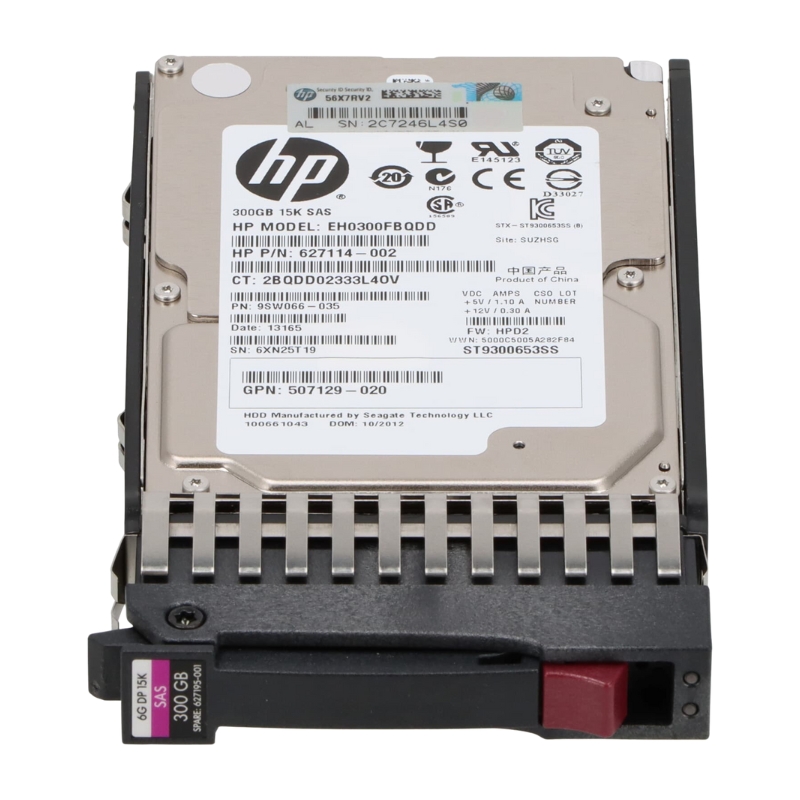


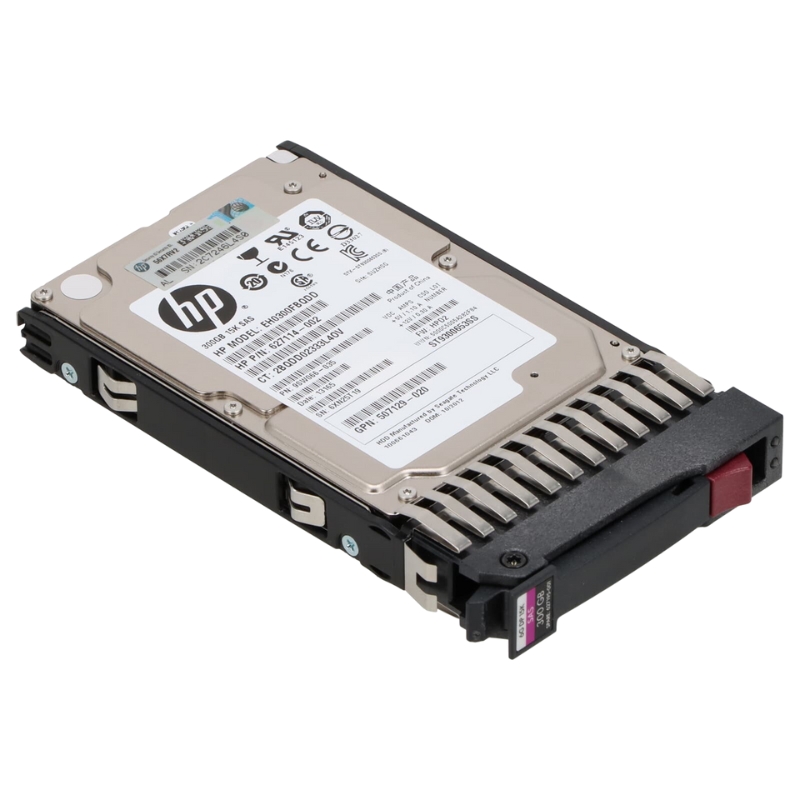
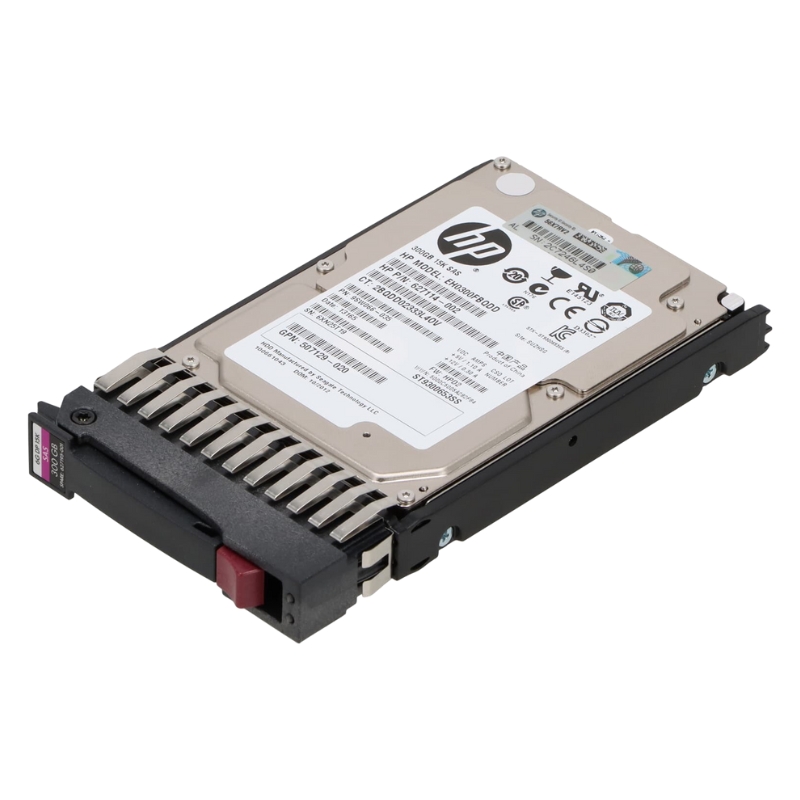
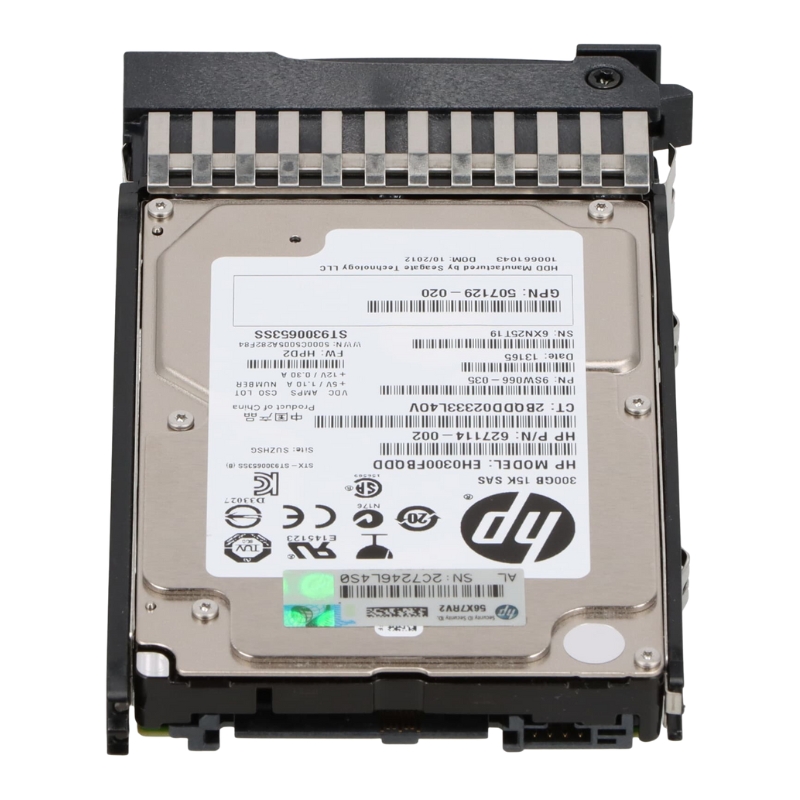
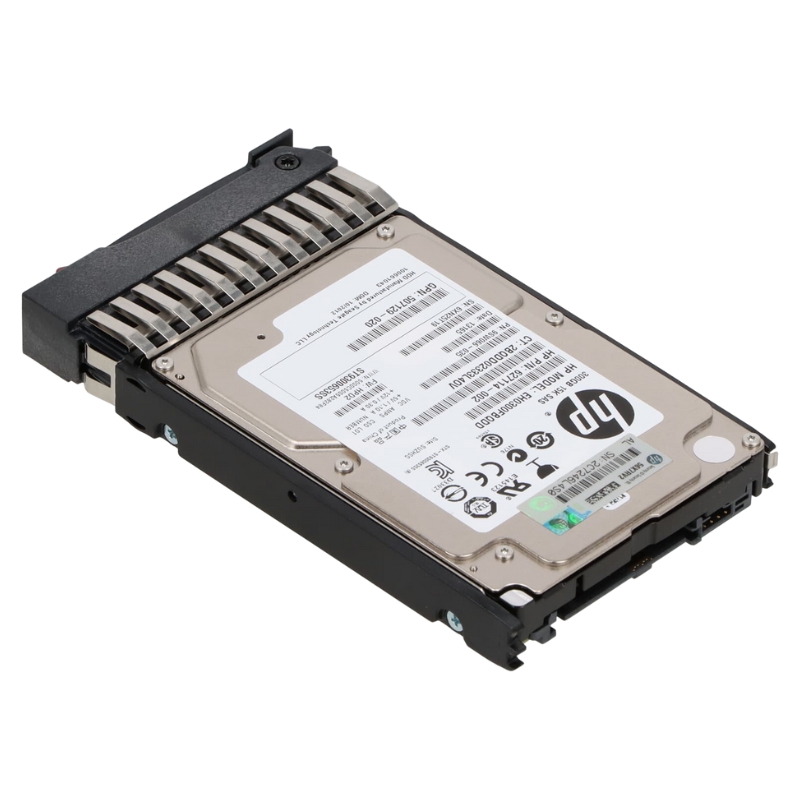
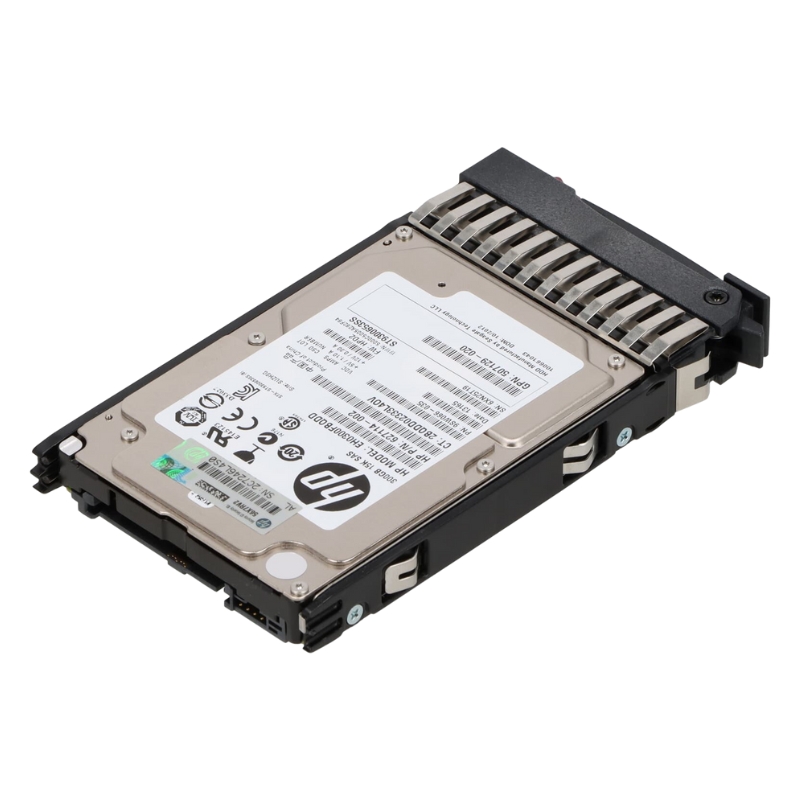
HPE EH0300FCBVC 300GB Hard Disk Drive 15K RPM 6GBPS SAS SFF Form Factor SC Enterprise Hot Swap. Excellent Refurbished with 1 year replacement warranty
| SKU/MPN | Warranty | Price | Condition | You save |
|---|---|---|---|---|
| EH0300FCBVC | 1 Year Warranty | $252.00 | Factory-Sealed New in Original Box (FSB) | You save: $88.20 (26%) |
| EH0300FCBVC | 1 Year Warranty | $70.00 | Excellent Refurbished | You save: $24.50 (26%) |
The HPE EH0300FCBVC Enterprise 300 GB SAS 12Gbps Hard Drive is engineered for enterprise workloads, offering robust performance, reliability, and scalability. With hot-swap functionality and advanced carrier technology, it is ideal for mission-critical environments.
The HPE EH0300FCBVC 300GB SAS 6Gbps 15,000 RPM 2.5-inch Small Form Factor hot swap enterprise hard drive represents a specialized storage category designed to meet the rigorous demands of modern enterprise environments. This category focuses on high-performance, mission-critical storage solutions that deliver exceptional speed, reliability, and scalability for data-intensive workloads. Built with advanced Serial Attached SCSI technology, these drives are engineered for servers, data centers, and enterprise IT infrastructures that require consistent and dependable performance under continuous operation.
Within this category, the emphasis is placed on performance optimization, durability, and compatibility with enterprise-grade systems. The 15K RPM rotational speed distinguishes these drives from lower-tier storage solutions, providing faster data access and reduced latency. The 2.5-inch small form factor ensures efficient space utilization within dense server environments, allowing businesses to maximize storage capacity without compromising performance.
The 6Gbps SAS interface is a defining characteristic of this enterprise hard drive category, offering high-speed data transfer capabilities that are essential for critical business operations. Serial Attached SCSI technology is designed to provide full-duplex communication, enabling simultaneous data transmission and reception. This ensures consistent throughput and minimizes bottlenecks in high-demand environments such as database servers, virtualization platforms, and transaction-heavy applications.
The SAS protocol is inherently more robust than consumer-grade interfaces, supporting advanced error detection, dual-port connectivity, and enhanced command queuing. These features contribute to improved system uptime and data integrity, making SAS drives a preferred choice for enterprise storage arrays and RAID configurations.
Drives in this category leverage SAS technology to deliver optimized performance across multiple workloads. The combination of high rotational speed and efficient interface communication ensures that data can be accessed and processed with minimal delay. This is particularly beneficial for applications that require rapid read and write operations, such as financial systems, enterprise resource planning software, and high-frequency transaction processing platforms.
The 15,000 RPM spindle speed is a critical factor that defines the performance capabilities of this category. Higher rotational speed reduces seek time and latency, allowing faster retrieval of data from the disk platters. This results in improved input/output operations per second, which is essential for environments that handle large volumes of concurrent requests.
Compared to standard 7,200 RPM or 10,000 RPM drives, 15K RPM drives provide significantly enhanced responsiveness. This performance advantage makes them suitable for mission-critical workloads where delays can impact productivity and operational efficiency.
Drives in this category are specifically designed to handle demanding enterprise workloads. They are optimized for continuous operation, often running 24 hours a day in data centers and server environments. The high-speed performance ensures that applications such as virtualization, cloud computing, and large-scale database management systems operate efficiently without performance degradation.
The 2.5-inch small form factor design plays a significant role in modern data center architecture. As organizations seek to maximize storage density while minimizing physical space requirements, smaller drives provide a practical solution. The compact design allows for higher drive counts within a single server chassis, enabling greater storage capacity without expanding infrastructure footprint.
This form factor is particularly advantageous in blade servers and high-density rack environments, where space optimization is critical. By using smaller drives, organizations can achieve better airflow, improved cooling efficiency, and reduced energy consumption.
In addition to space savings, the small form factor contributes to better thermal management. Smaller drives typically generate less heat compared to larger counterparts, allowing for more efficient cooling within the server environment. This not only improves system reliability but also extends the lifespan of the hardware components.
Hot swap functionality is a key feature in this enterprise hard drive category, enabling drives to be replaced or upgraded without shutting down the system. This capability is essential for maintaining continuous operations in business-critical environments where downtime can lead to significant financial and operational losses.
With hot swap support, IT administrators can perform maintenance, upgrades, or replacements quickly and efficiently, ensuring minimal disruption to services. This feature is particularly valuable in data centers, cloud infrastructure, and enterprise server deployments.
The ability to replace drives without system shutdown simplifies maintenance procedures and reduces the complexity associated with hardware management. It also enhances system availability, ensuring that applications remain accessible even during hardware servicing. This contributes to improved overall productivity and reliability within enterprise environments.
Maintaining data integrity is a critical aspect of enterprise storage solutions. Drives in this category incorporate advanced technologies to protect data from corruption and loss. Features such as error correction codes, bad sector management, and secure firmware updates contribute to reliable data storage and retrieval.
This category of hard drives is designed to integrate seamlessly with enterprise server platforms. They are compatible with a wide range of storage controllers, RAID configurations, and server architectures. This ensures flexibility and scalability for organizations looking to expand their storage infrastructure.
The standardized design and interface compatibility make it easy to deploy these drives in existing systems, reducing the need for extensive modifications or upgrades. This simplifies the process of scaling storage capacity as business requirements evolve.
Enterprise hard drives are commonly used in RAID configurations to enhance performance and data protection. The high-speed capabilities and reliability of these drives make them ideal for use in RAID arrays, where multiple drives work together to provide redundancy and improved performance.
By integrating these drives into storage arrays, organizations can achieve higher data throughput, improved fault tolerance, and efficient data management. This is essential for applications that require consistent performance and data availability.
One of the primary use cases for this category is database management. The high-speed performance and low latency make these drives suitable for handling large volumes of transactions and queries. This ensures that databases operate efficiently, providing quick access to critical information.
Virtualization platforms and cloud environments benefit significantly from the performance and reliability of these drives. They support multiple virtual machines and workloads simultaneously, ensuring consistent performance across different applications. This is essential for maintaining service quality in cloud-based infrastructures.
From enterprise resource planning systems to customer relationship management platforms, these drives support a wide range of business applications. Their ability to handle intensive workloads ensures that applications run smoothly, contributing to overall business efficiency and productivity.
The enterprise storage landscape continues to evolve, with advancements in technology driving improvements in performance and efficiency. While solid-state drives are gaining popularity, high-speed SAS hard drives remain relevant for specific use cases where cost-effectiveness and capacity are important considerations.
This category continues to play a vital role in hybrid storage environments, where a combination of SSDs and high-performance HDDs provides a balanced approach to storage management. This ensures that organizations can optimize performance while managing costs effectively.
When selecting drives from this category, it is important to consider the specific performance requirements of the application. Factors such as data access speed, workload intensity, and system compatibility should be evaluated to ensure optimal performance.
The 300GB capacity offered by this category is suitable for applications that prioritize speed over storage volume. Organizations should assess their storage needs and plan for scalability to ensure that their infrastructure can accommodate future growth.
Enterprise environments require reliable hardware and comprehensive support. Choosing drives that are designed for enterprise use ensures that systems remain operational and data remains secure. This contributes to long-term stability and efficiency in IT operations.


 Contact Us
 Information
 Catalog
 Solid State Drives (SSD)
 Network Switches
 Hard Disk Drives
 HBA & Controllers
 PC & Servers
 PC & Server Memory
 CPU & Processors
 Network Routers
 Power Supplies
 Tape Drives & Libraries
 Network Devices
 Computer & Network Cables