(7% discount is applied at checkout)
Cart is empty
Your go-to destination for cutting-edge server products
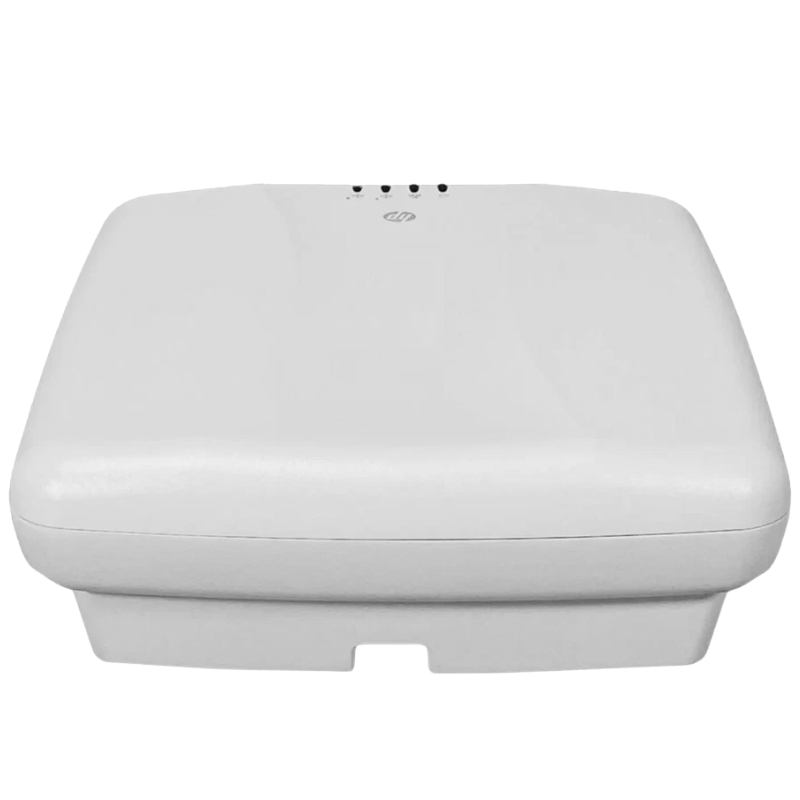


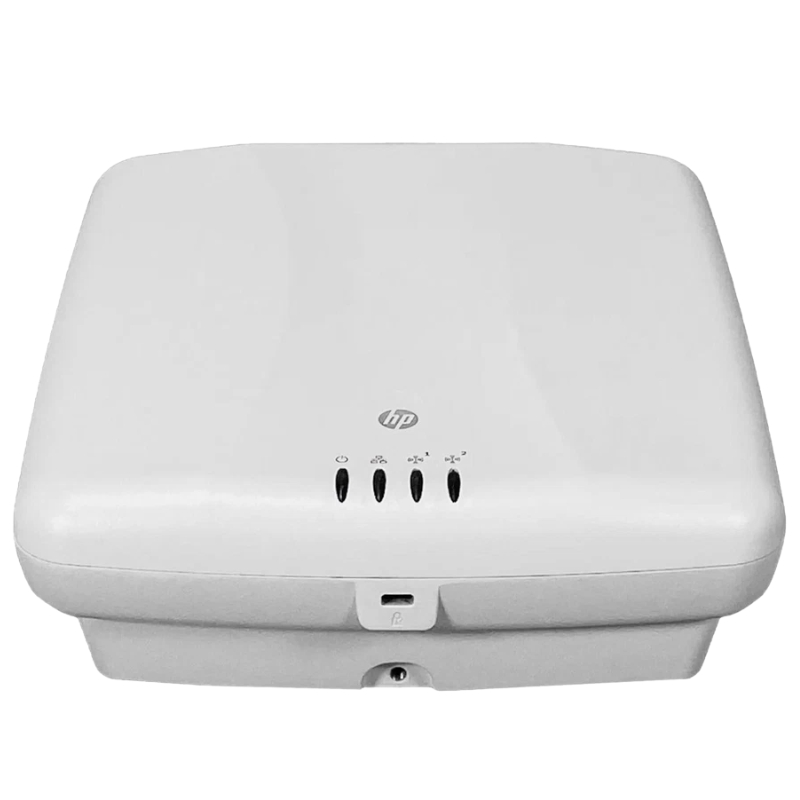
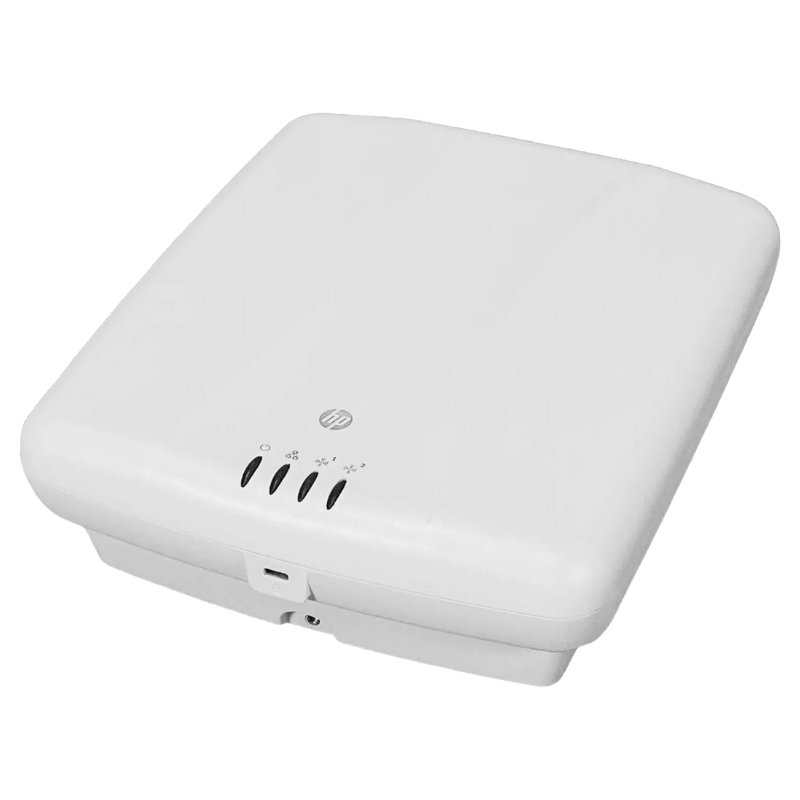
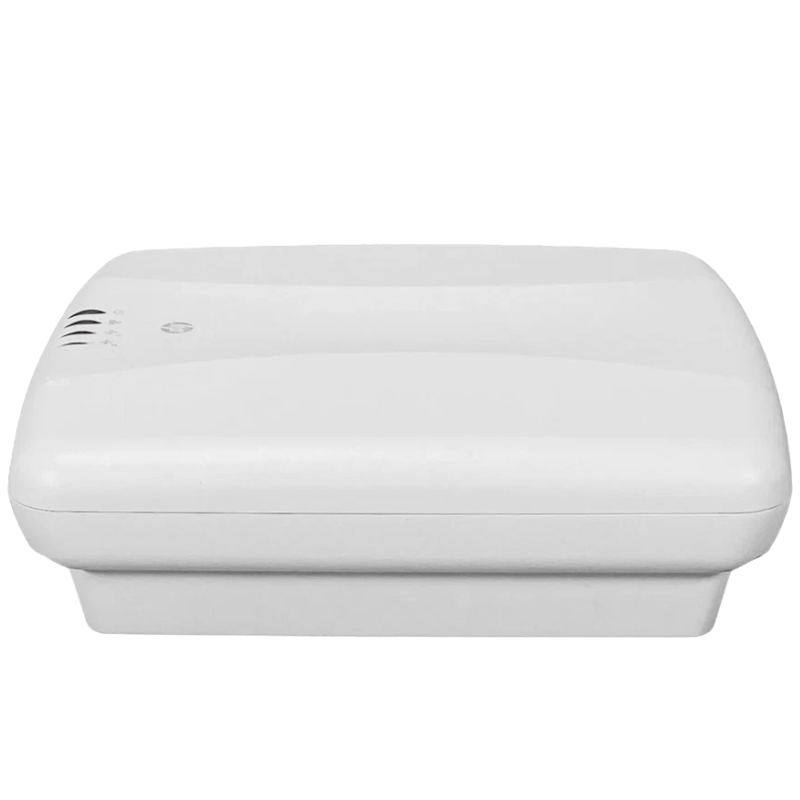
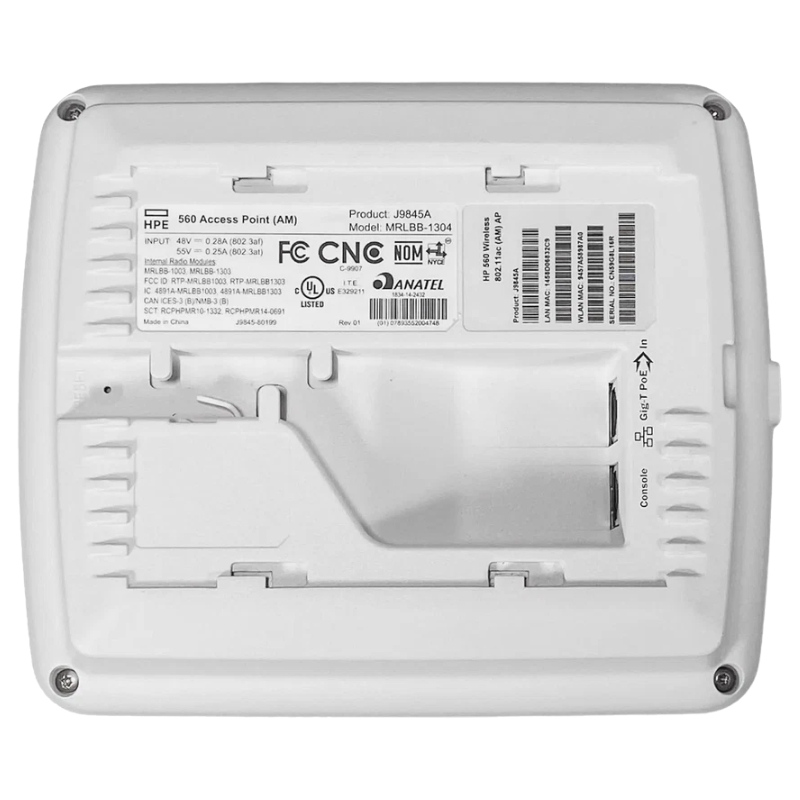
HPE J9845A 560 Wireless Dual Radio 802.11AC 1 X 1000Base-t External PoE+ 1.3GBPS Wireless Access Point. Excellent Refurbished with 1 year replacement warranty
The HPE J9845A 560 Wireless Dual Radio 802.11AC device delivers high-speed connectivity and reliable performance for enterprise environments. With advanced features and robust design, it ensures seamless wireless networking.
The HPE J9845A 560 Wireless Dual Radio 802.11ac 1 x 1000Base-T External PoE+ 1.3Gbps Wireless Access Point belongs to a high-performance enterprise networking category engineered for dense wireless environments requiring stable connectivity, predictable throughput, and scalable deployment flexibility. Developed within the enterprise networking ecosystem of , This class of wireless access points is optimized for modern organizations that depend on uninterrupted mobility services, cloud-driven applications, and unified communications infrastructure. The design prioritizes consistent client experience over raw theoretical performance alone, focusing on balanced radio utilization, interference mitigation, and centralized management compatibility.
The category of dual-radio 802.11ac access points is defined by its ability to operate simultaneously on both 2.4 GHz and 5 GHz bands, enabling segmentation of legacy devices and high-performance clients. This separation ensures optimized spectrum usage while reducing congestion in high-density environments such as corporate campuses, educational institutions, healthcare facilities, and multi-tenant office buildings.
The HPE 560 series access point is designed with enterprise-grade hardware components capable of sustaining continuous 24/7 operation under varying environmental conditions. The internal architecture emphasizes thermal efficiency, allowing the device to maintain stable RF output without performance degradation. Passive cooling mechanisms are commonly integrated to reduce mechanical failure points, ensuring long-term operational reliability in ceiling-mounted or wall-mounted deployments.
At the core of this category is a dual-radio system that enables simultaneous transmission and reception across two independent wireless channels. One radio typically operates in the 2.4 GHz spectrum, which supports legacy devices and extended range connectivity, while the second radio operates in the 5 GHz band, optimized for high-throughput applications. This structural separation significantly reduces co-channel interference and improves spatial reuse efficiency in high-density deployments.
Advanced radio coordination mechanisms dynamically balance client connections between available frequency bands. The system evaluates signal strength, client capability, and network congestion to distribute load intelligently. This ensures that bandwidth-intensive applications such as video conferencing, virtual desktop infrastructure, and cloud applications receive prioritized access to cleaner spectrum channels.
The 802.11ac standard integrated into this category of access points represents a significant advancement in wireless LAN performance. It introduces wider channel bandwidths, improved modulation techniques, and enhanced spatial stream utilization. These enhancements collectively enable theoretical throughput rates reaching up to 1.3Gbps under optimal conditions, making the platform suitable for modern enterprise workloads requiring high data transfer rates.
The implementation of 802.11ac technology allows for improved handling of simultaneous client sessions. Rather than sequential data transmission, the system supports more efficient airtime utilization, reducing latency and improving responsiveness for all connected devices. This is particularly critical in environments with high device density, such as conference centers and corporate training facilities.
Spatial stream technology enables multiple data streams to be transmitted concurrently over the same frequency band. This enhances spectral efficiency and increases aggregate throughput without requiring additional frequency resources. The system intelligently manages spatial streams based on client capability, ensuring backward compatibility while maximizing performance for advanced devices.
The inclusion of 802.3at PoE+ support simplifies deployment by allowing both power and data to be delivered over a single Ethernet cable. This eliminates the need for separate electrical wiring, reducing installation complexity and improving placement flexibility. The 1 x 1000Base-T Ethernet interface serves as the primary uplink, ensuring stable gigabit-level connectivity to the wired network infrastructure.
PoE+ capability enables the access point to be installed in locations where traditional power outlets are unavailable or impractical. Ceiling mounts, high-wall installations, and distributed campus deployments benefit significantly from this capability. Network architects can optimize coverage design without being constrained by electrical infrastructure limitations.
Power management systems dynamically adjust energy consumption based on operational load and radio activity. During periods of low traffic, non-essential subsystems may enter reduced power states while maintaining network availability. This contributes to overall energy efficiency in large-scale enterprise deployments where hundreds or thousands of access points may be deployed simultaneously.
The 1.3Gbps performance classification reflects the aggregated theoretical throughput of both radios operating under ideal conditions. This level of performance supports high-bandwidth applications such as HD video streaming, large file transfers, cloud-based collaboration platforms, and real-time analytics systems. The architecture is optimized to minimize packet loss and reduce retransmission overhead.
Low-latency performance is essential for enterprise environments where real-time communication is critical. The access point incorporates optimized packet scheduling and prioritization mechanisms to ensure minimal delay for voice and video traffic. This enhances the quality of unified communication systems and improves overall user experience.
The system ensures equitable distribution of bandwidth across multiple clients while maintaining prioritization for mission-critical applications. This prevents network starvation scenarios and ensures consistent performance even under heavy load conditions.
Security is a foundational component of enterprise wireless infrastructure. This category of access points supports advanced encryption standards designed to protect data in transit across wireless channels. Authentication mechanisms integrate with centralized identity systems, ensuring that only authorized users and devices can access the network.
Logical segmentation allows administrators to isolate traffic based on user roles, departments, or device types. This reduces the risk of lateral movement within the network and enhances compliance with organizational security policies. Guest networks can be separated from internal corporate resources to maintain data integrity.
Continuous RF monitoring enables detection of unauthorized access points, rogue devices, and suspicious activity within the wireless spectrum. The system can alert administrators to anomalies, supporting proactive network defense strategies and reducing exposure to potential threats.
In enterprise deployments, seamless roaming is essential for maintaining uninterrupted connectivity as users move throughout a facility. This category of access points supports optimized handoff mechanisms that reduce packet loss during transitions between coverage zones.
The system evaluates client device behavior and signal quality to determine optimal reassociation timing. This reduces dropped connections and improves user experience for mobile devices such as laptops, tablets, and smartphones operating in dynamic environments.
In environments such as stadiums, campuses, and corporate campuses, mobility optimization ensures that large numbers of devices can move simultaneously without overwhelming network resources. Intelligent roaming algorithms distribute load efficiently across available access points.
The HPE J9845A 560 access point category is commonly deployed in structured campus environments where consistent wireless coverage is required across multiple buildings and floors. Centralized management systems allow administrators to configure, monitor, and optimize performance across distributed infrastructure.
Healthcare facilities require uninterrupted wireless connectivity for patient monitoring systems, medical imaging, and communication platforms. The reliability and redundancy features of this access point category make it suitable for such critical applications where downtime is unacceptable.
Schools and universities benefit from high-density support capabilities that allow thousands of simultaneous connections during peak usage periods. The architecture ensures stable performance for digital learning platforms, streaming lectures, and collaborative tools.
Modern enterprise wireless deployments require centralized visibility and control. This category integrates with both cloud-based and on-premises management systems, enabling administrators to configure policies, monitor performance metrics, and deploy firmware updates efficiently across large-scale networks.
Automated provisioning reduces manual configuration errors and accelerates deployment timelines. Policy enforcement ensures that network rules remain consistent across all access points, improving security and operational stability.
Advanced analytics tools provide insight into traffic patterns, client behavior, and spectrum utilization. These insights allow network engineers to optimize placement, adjust configurations, and improve overall network efficiency.
This category is designed to support scalable network growth without degradation in performance. As organizations expand, additional access points can be integrated into the existing infrastructure seamlessly.


 Contact Us
 Information
 Catalog
 Solid State Drives (SSD)
 Network Switches
 Hard Disk Drives
 HBA & Controllers
 PC & Servers
 PC & Server Memory
 CPU & Processors
 Network Routers
 Power Supplies
 Tape Drives & Libraries
 Network Devices
 Computer & Network Cables