(7% discount is applied at checkout)
Cart is empty
Your go-to destination for cutting-edge server products
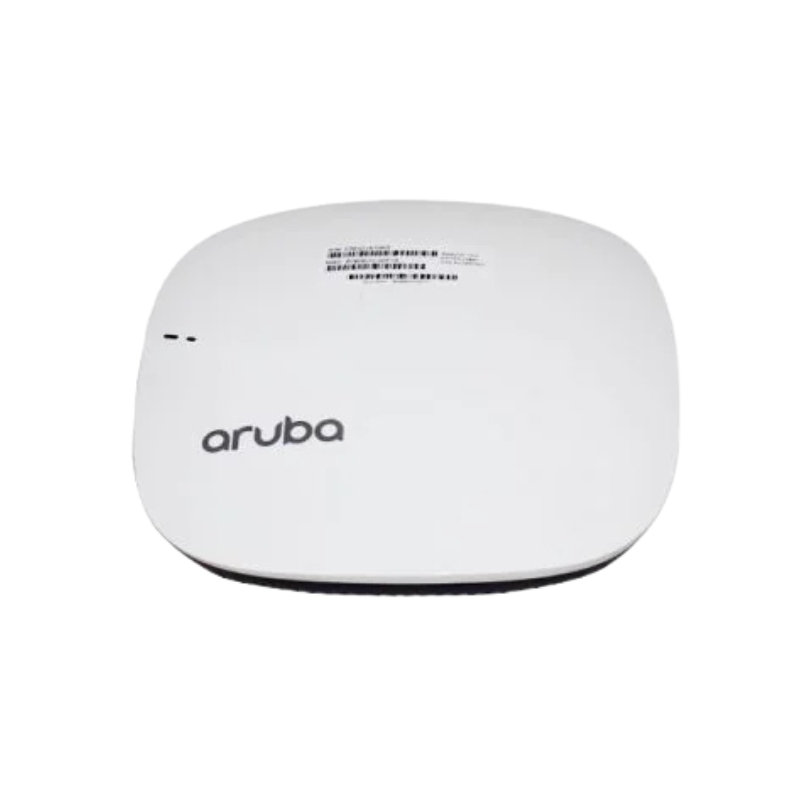


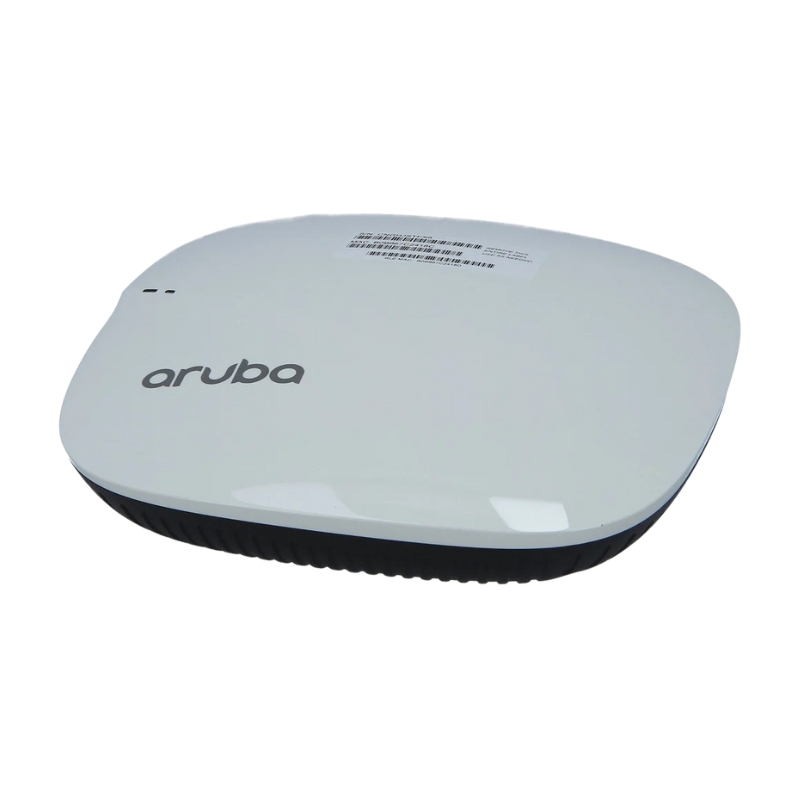
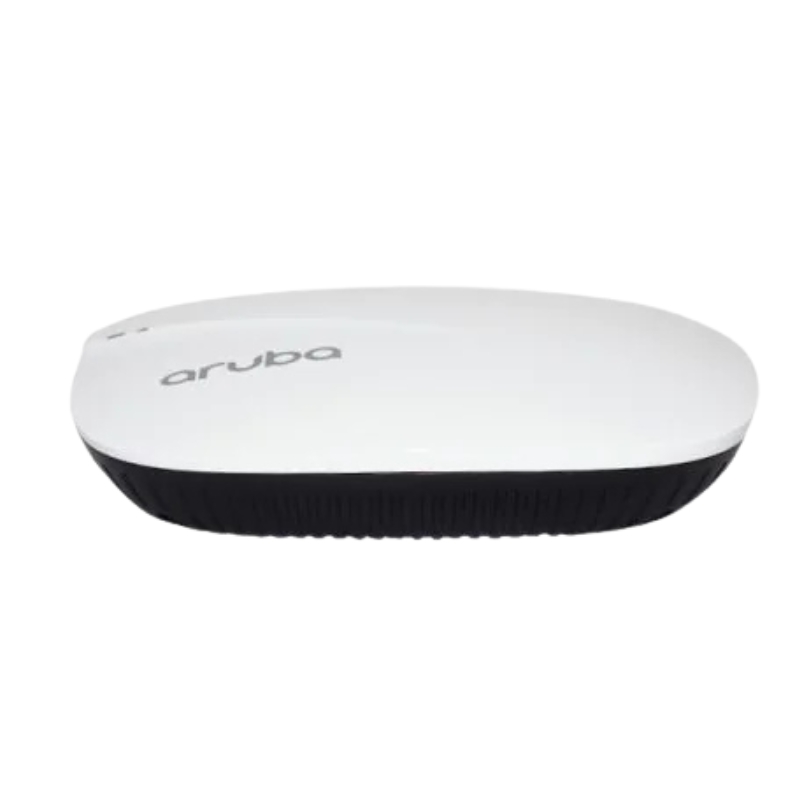
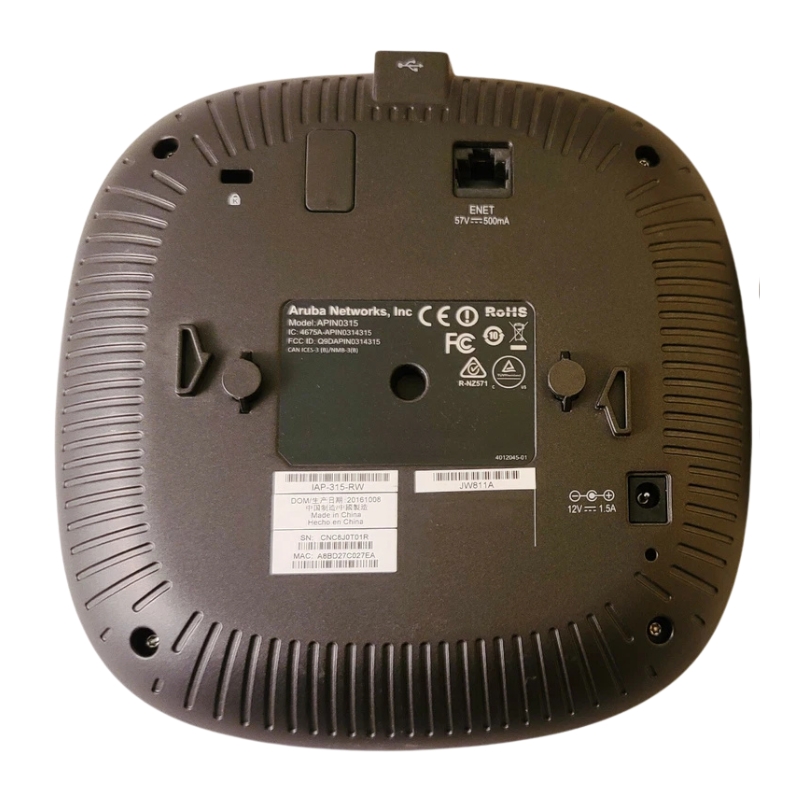
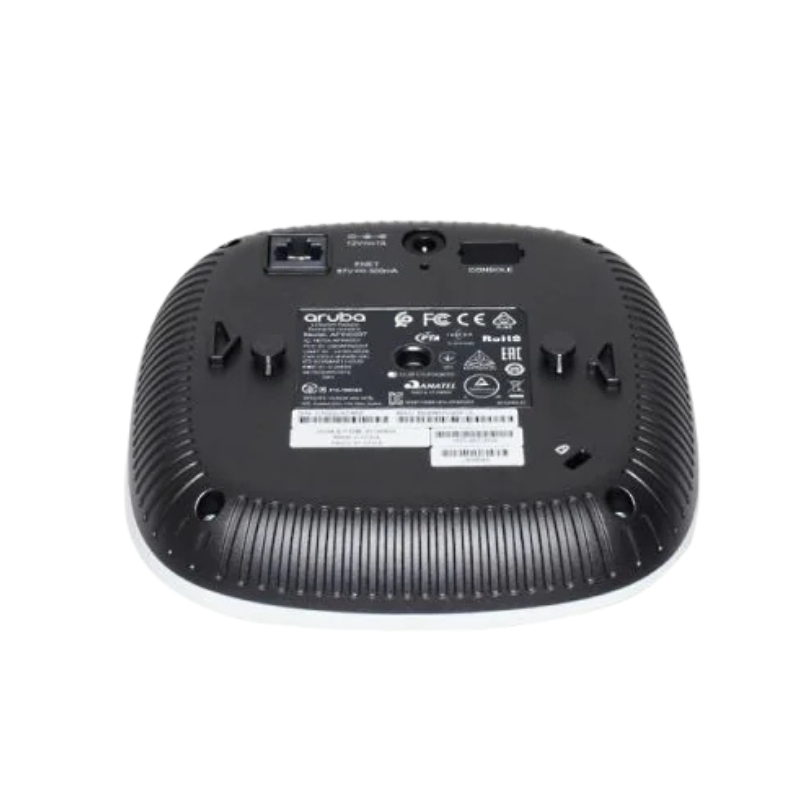
HPE JX955-61001 Dual Band 2.4GHz / 5GHz 1.3Gbps Bluetooth Wireless Access Point. New Sealed with 1-Year Replacement Warranty
The HPE JX955-61001 Dual Band Wireless Access Point delivers reliable connectivity with Bluetooth integration, offering high-speed performance across both 2.4GHz and 5GHz frequencies for enterprise and commercial environments.
The HPE JX955-61001 Dual Band 2.4GHz / 5GHz 1.3Gbps Bluetooth Wireless Access Point represents a modern enterprise-grade networking solution designed to support high-density wireless environments, seamless mobility, and secure connectivity across business-critical infrastructures. Positioned within the advanced wireless access point ecosystem from this device category focuses on delivering reliable dual-band performance, scalable deployment capabilities, and integrated Bluetooth functionality for enhanced IoT readiness and location-based services.
This category of wireless access points is widely used in enterprise campuses, educational institutions, healthcare facilities, retail environments, and smart office infrastructures where stable high-speed wireless communication is essential. With combined dual-band operation across 2.4GHz and 5GHz frequencies, the access point ensures optimized traffic distribution, reduced interference, and improved network efficiency in congested environments.
The category of dual-band 1.3Gbps wireless access points is designed to integrate seamlessly into enterprise WLAN architectures. These devices typically function as part of a centralized controller-based or cloud-managed network system, allowing IT administrators to maintain granular control over network policies, security protocols, and performance optimization.
In large-scale deployments, the HPE wireless access point category supports centralized configuration and monitoring, enabling administrators to manage multiple access points from a unified dashboard. This reduces operational complexity while improving scalability. The integration of cloud-based orchestration tools further enhances visibility into network health, client distribution, and bandwidth utilization across multiple sites.
Modern enterprise environments demand high-density wireless support. This category is optimized to handle large numbers of simultaneous client connections, including laptops, smartphones, IoT sensors, and Bluetooth-enabled devices. Through intelligent load balancing and adaptive channel selection, the access point ensures consistent performance even during peak usage periods.
The dual-band architecture of the HPE JX955-61001 category plays a critical role in ensuring network efficiency and performance stability. By operating on both 2.4GHz and 5GHz frequency bands, the access point can distribute wireless traffic intelligently based on device capability, signal strength, and environmental conditions.
The 2.4GHz band provides broader coverage and stronger wall penetration, making it ideal for general connectivity, legacy devices, and IoT endpoints. In enterprise deployments, this band is often used for devices that require stable but lower-bandwidth connections. Despite being more susceptible to interference, advanced interference mitigation technologies help maintain consistent performance.
The 5GHz band supports higher data throughput and reduced congestion, making it suitable for high-bandwidth applications such as video conferencing, cloud computing, and large file transfers. Within this category, dynamic band steering ensures capable devices are automatically directed to the 5GHz spectrum for optimal performance.
Band steering technology enables the access point to automatically guide dual-band capable clients toward the most efficient frequency band. This improves overall network efficiency, reduces congestion on the 2.4GHz band, and enhances user experience across the wireless infrastructure.
The HPE JX955-61001 category is engineered to deliver aggregate wireless throughput of up to 1.3Gbps, supporting demanding enterprise workloads. This performance level ensures that multiple users can simultaneously access high-speed network resources without degradation in service quality.
The combined throughput across both wireless bands enables efficient handling of bandwidth-intensive applications. Whether supporting unified communications platforms, virtual desktop infrastructures, or cloud-based SaaS applications, the access point category ensures low latency and stable data transmission.
Advanced Quality of Service (QoS) mechanisms prioritize critical network traffic such as voice, video, and enterprise applications. By reducing latency and jitter, the system ensures a consistent user experience across all connected devices.
Traffic prioritization within this category is dynamically managed based on application type, user role, and network policies. This ensures mission-critical services always receive adequate bandwidth even in heavily loaded environments.
One of the defining features of this access point category is integrated Bluetooth functionality. This capability extends the role of the wireless access point beyond traditional Wi-Fi connectivity, enabling advanced IoT integration and location-based services.
Bluetooth Low Energy support allows the access point to interact with proximity sensors, beacons, and IoT devices. This is particularly valuable in smart building environments where asset tracking, indoor navigation, and automated systems are required.
Enterprises can leverage Bluetooth-enabled access points for real-time asset tracking, workforce monitoring, and environmental sensing. This improves operational efficiency and provides valuable insights into space utilization and equipment movement.
With Bluetooth integration, the access point category supports indoor positioning systems that enable navigation within large facilities such as hospitals, airports, and corporate campuses. This enhances user experience and improves operational workflow efficiency.
Security is a core component of the HPE JX955-61001 wireless access point category. Designed for enterprise environments, it incorporates multiple layers of security protocols to safeguard data integrity, user authentication, and network access control.
The access point supports modern encryption protocols that ensure secure wireless communication between clients and network infrastructure. These encryption mechanisms protect against unauthorized access, data interception, and malicious attacks.
Enterprise-grade authentication systems enable secure onboarding of devices and users. Role-based access control ensures that network permissions are aligned with organizational policies, reducing security risks and improving compliance adherence.
Network segmentation capabilities allow administrators to isolate traffic between different user groups, departments, or device categories. This enhances security and reduces the risk of lateral movement in the event of a breach.
The HPE JX955-61001 category is designed with scalability in mind, supporting deployment in both small business environments and large enterprise networks. Its flexible architecture allows it to adapt to growing infrastructure demands without requiring major hardware overhauls.
In campus environments, multiple access points can be deployed across buildings and floors to create seamless wireless coverage. Roaming capabilities ensure uninterrupted connectivity as users move throughout the network area.
Mesh networking allows access points to interconnect wirelessly, extending coverage without requiring extensive cabling. This is particularly beneficial in environments where wired infrastructure is limited or impractical.
This category supports both on-premises and cloud-managed deployment models. Hybrid configurations allow organizations to balance control and flexibility while maintaining centralized visibility across distributed locations.
To maintain consistent performance in dynamic environments, the HPE JX955-61001 category incorporates adaptive technologies that continuously monitor and optimize network conditions.
Dynamic channel allocation helps reduce interference by automatically selecting optimal wireless channels based on environmental conditions. This ensures consistent performance even in congested RF environments.
The access point continuously scans for interference sources and adjusts transmission parameters accordingly. This proactive approach minimizes disruptions and maintains stable connectivity.
Load balancing ensures that client devices are distributed evenly across available access points. This prevents network congestion and improves overall system efficiency.
The versatility of the HPE JX955-61001 category makes it suitable for a wide range of industry applications, each with unique connectivity requirements and operational challenges.
In healthcare settings, reliable wireless connectivity is critical for patient monitoring systems, medical imaging devices, and electronic health records. This category ensures secure and uninterrupted connectivity for mission-critical applications.
Educational institutions benefit from high-density wireless support, enabling digital classrooms, e-learning platforms, and campus-wide connectivity for students and faculty.
Retail environments utilize wireless access points for point-of-sale systems, customer engagement platforms, and inventory management. Hospitality sectors rely on them for guest Wi-Fi and smart room technologies.
In industrial environments, wireless access points support automation systems, IoT sensors, and machine-to-machine communication, improving operational efficiency and real-time monitoring capabilities.
With increasing adoption of IoT devices, this category ensures seamless integration and management of diverse connected endpoints, supporting smart infrastructure development across industries.
Edge computing capabilities enable localized data processing, reducing latency and improving real-time decision-making in distributed environments.
As wireless technologies continue to evolve, this category is designed to support firmware upgrades and protocol enhancements, ensuring long-term investment protection for enterprise networks.


 Contact Us
 Information
 Catalog
 Solid State Drives (SSD)
 Network Switches
 Hard Disk Drives
 HBA & Controllers
 PC & Servers
 PC & Server Memory
 CPU & Processors
 Network Routers
 Power Supplies
 Tape Drives & Libraries
 Network Devices
 Computer & Network Cables