(7% discount is applied at checkout)
Cart is empty
Your go-to destination for cutting-edge server products
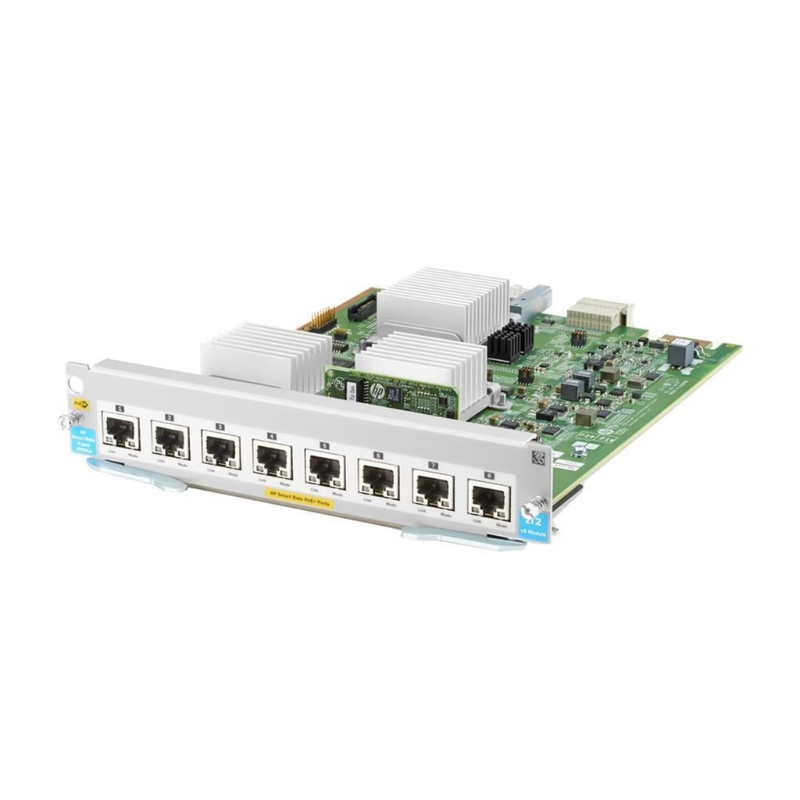


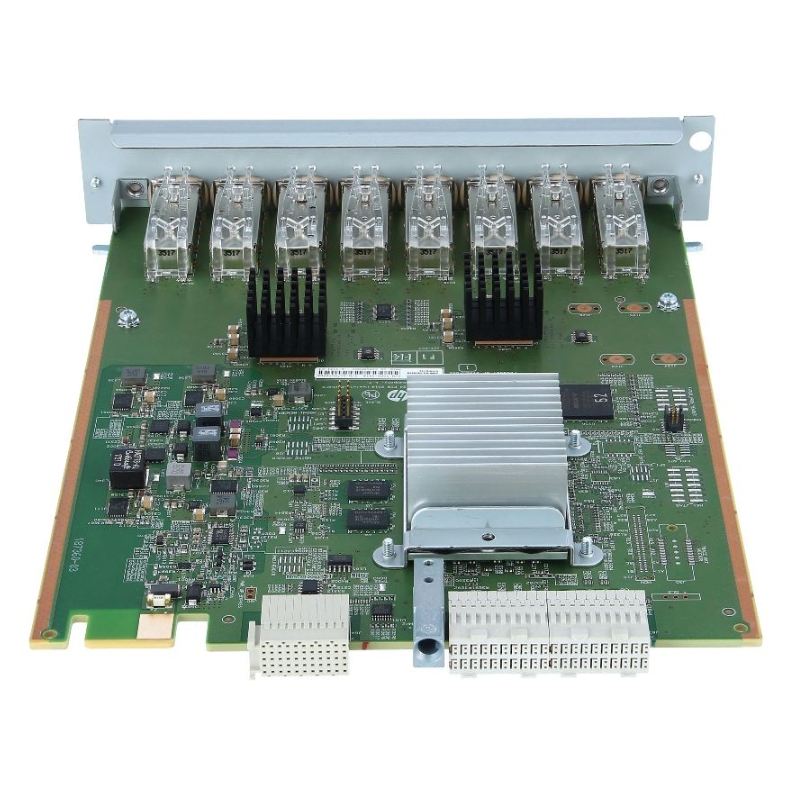
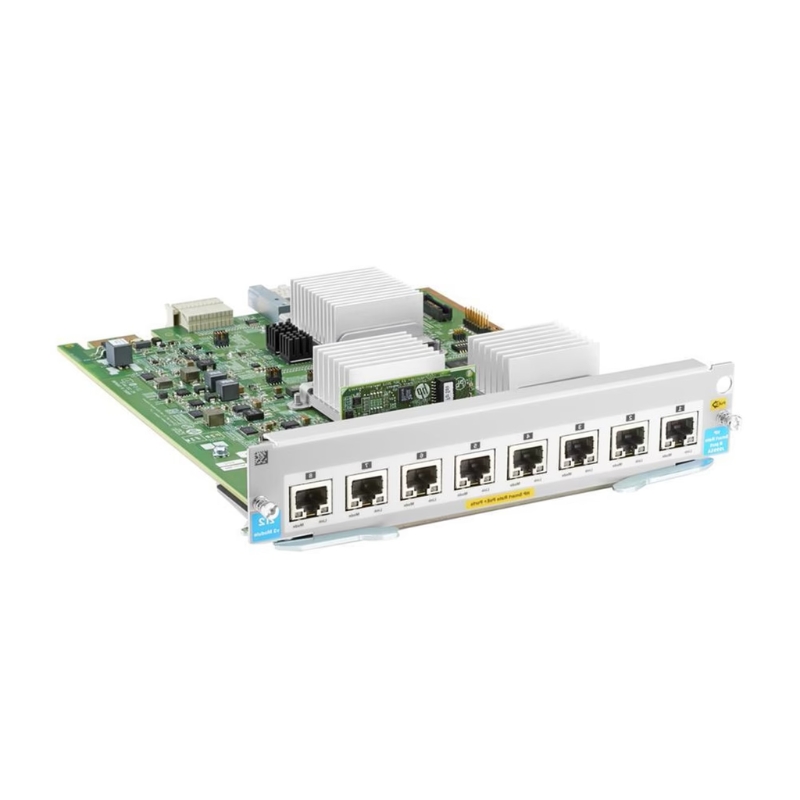
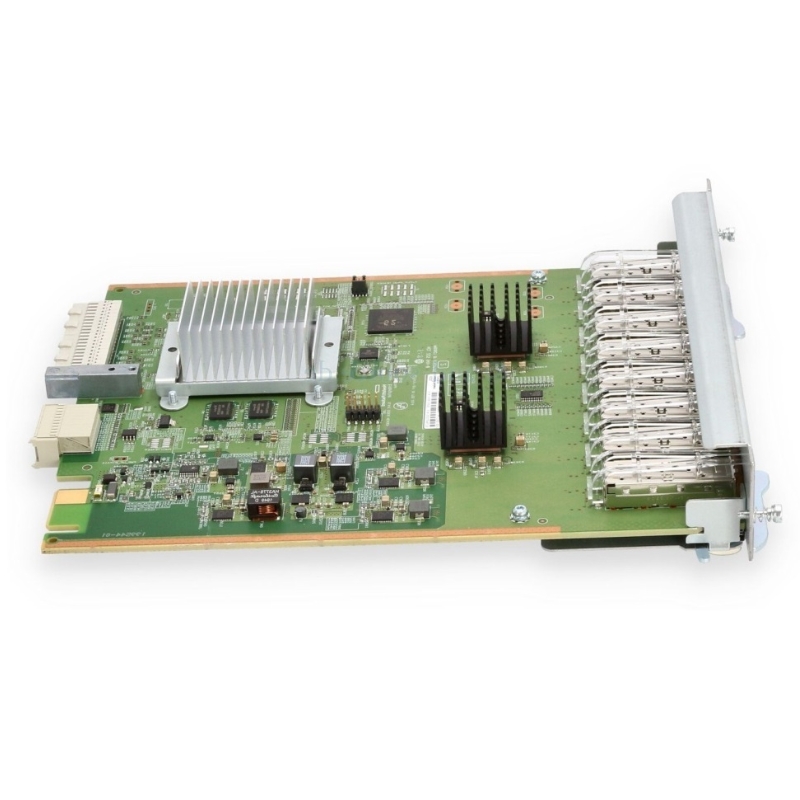
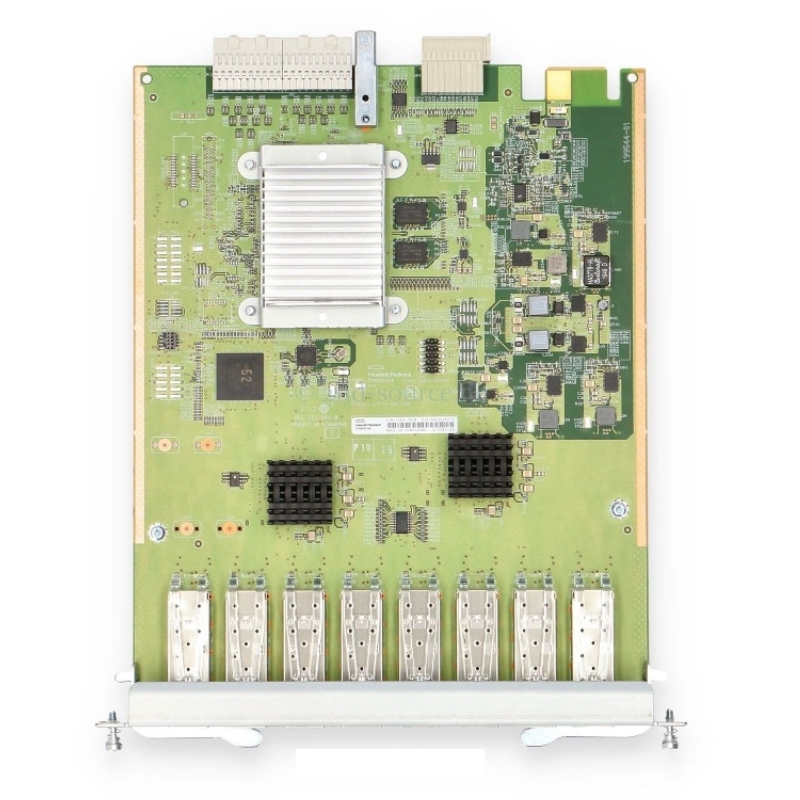
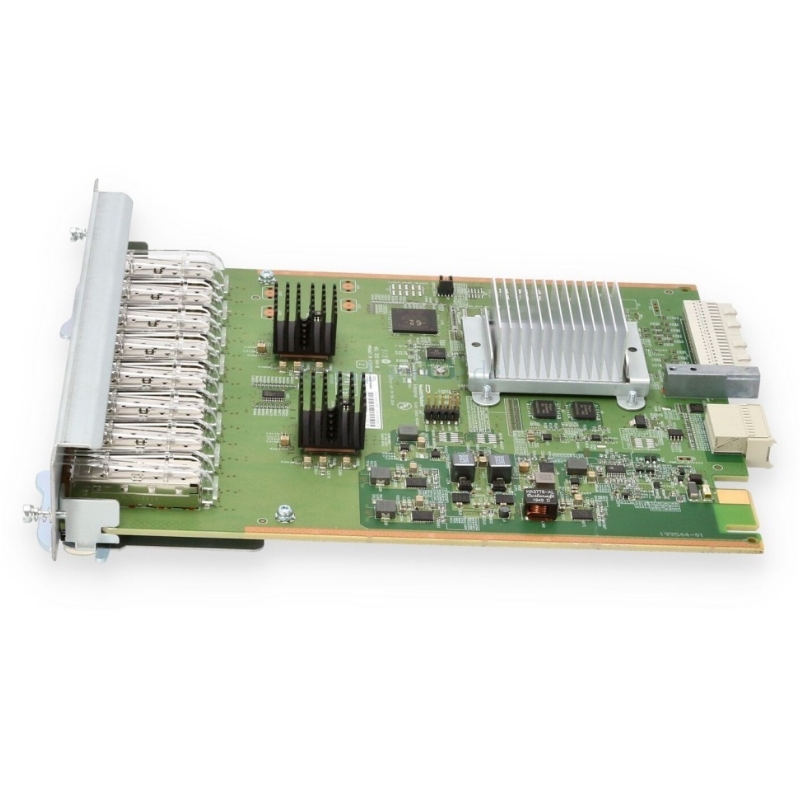
HPE J9993A 5400R 1GB 10GBE SFP+ 8 Ports Plug-in Module. New Sealed with 1 Year Replacement Warranty
The HPE J9993A 5400R 8-Port 1GB/10GBE SFP+ Expansion Module is designed to enhance networking capabilities with reliable wired connectivity and advanced features.
The HPE J9993A 5400R 8 Ports 1GB 10GBE SFP+ Expansion Module is a versatile and high‑performance networking component designed to extend the capabilities of HPE 5400R series switches. As modern networks evolve to support higher bandwidth, more connected devices, and increasingly complex application workloads, this expansion module provides a flexible way to scale connectivity while maintaining reliability and efficiency. Positioned within the broader category of enterprise‑class switch expansion modules, the J9993A offers a mix of 1 Gigabit and 10 Gigabit Ethernet SFP+ ports, enabling organizations to tailor their uplink and aggregation strategies to match current and future demands.
This category focuses on the deployment, integration, and optimization of the HPE J9993A module within campus networks, data centers, and distributed enterprise environments. It is particularly relevant for IT teams seeking to enhance throughput, improve link resiliency, and consolidate network infrastructure without sacrificing manageability. By leveraging SFP and SFP+ transceivers, the module supports a wide range of fiber and copper media options, making it suitable for diverse physical topologies and distances. Whether used for server connectivity, inter‑switch links, or high‑speed access to storage and application clusters, the HPE J9993A 5400R expansion module plays a central role in building scalable, future‑ready architectures.
Within the HPE 5400R switch family, the J9993A expansion module occupies a key position as a flexible interface card that extends port density and uplink capacity. The 5400R series is known for its modular chassis design, allowing organizations to customize their switch configuration by adding expansion modules that match specific performance and connectivity requirements. The J9993A module contributes to this modularity by providing eight SFP+ capable ports that can operate at 1 GbE or 10 GbE speeds, depending on the installed transceivers and network design. This dual‑speed capability makes it ideal for environments transitioning from legacy 1 GbE infrastructure to modern 10 GbE deployments.
In the broader category of HPE 5400R expansion modules, the J9993A stands out for its balance of port count, bandwidth, and flexibility. It can be used alongside other modules that provide copper RJ‑45 ports, PoE capabilities, or specialized interfaces, enabling a single chassis to serve multiple roles within the network. For example, an organization might deploy 5400R switches at the core of a campus network, using the J9993A module for high‑speed fiber uplinks to distribution switches or data center equipment. At the same time, other modules in the chassis can provide access‑layer connectivity to user devices, IP phones, and wireless access points. This integrated approach simplifies management and reduces the need for separate hardware platforms.
The modular design of the HPE 5400R series, combined with the capabilities of the J9993A expansion module, offers significant scalability advantages. As network traffic grows due to cloud adoption, virtualization, and multimedia applications, organizations can add additional J9993A modules or upgrade existing ports from 1 GbE to 10 GbE by changing transceivers. This incremental approach to scaling bandwidth avoids disruptive forklift upgrades and allows IT teams to align investments with actual demand. The eight‑port configuration of the module provides a practical balance between density and manageability, making it suitable for both medium‑sized and large deployments.
The category of HPE 5400R expansion modules is designed to support long‑term growth. The J9993A module can be deployed in multiple chassis within the same network, creating a consistent platform for high‑speed connectivity. This consistency simplifies configuration templates, monitoring, and troubleshooting, as network engineers can apply common policies and practices across all modules. In addition, the ability to mix and match modules within a chassis means that organizations can adapt to changing requirements, such as adding more 10 GbE uplinks for server farms or increasing 1 GbE links for branch aggregation. The J9993A module thus serves as a foundational building block for scalable, modular network architectures.
A key aspect of the J9993A module category is its compatibility with a wide range of HPE‑approved SFP and SFP+ transceivers. These transceivers allow the module to support different media types, including multimode fiber, single‑mode fiber, and copper direct‑attach cables. This versatility is essential for organizations with diverse physical layouts, such as multi‑building campuses, remote data centers, or mixed copper and fiber environments. By selecting the appropriate transceiver, IT teams can optimize link distances, signal integrity, and cost.
The use of standardized SFP and SFP+ interfaces also simplifies inventory management and deployment. Organizations can stock a common set of transceivers that work across multiple HPE modules and switches, reducing complexity and ensuring rapid replacement when needed. In addition, the ability to swap transceivers without replacing the entire module provides a cost‑effective path for upgrading links from 1 GbE to 10 GbE. This approach aligns with the broader category goal of providing flexible, future‑proof connectivity options that can evolve alongside network requirements.
The J9993A expansion module supports link aggregation technologies that allow multiple physical ports to be combined into a single logical link. This capability is crucial for optimizing bandwidth and improving resiliency in enterprise networks. By aggregating several 10 GbE ports, organizations can create high‑capacity trunks between core and distribution switches or between switches and server clusters. If one physical link in the aggregated group fails, traffic can automatically redistribute across the remaining links, minimizing disruption and maintaining service availability.
In the context of the HPE 5400R category, link aggregation on the J9993A module enables flexible design patterns. Network architects can create redundant mesh topologies, dual‑homed server connections, or resilient uplinks to storage arrays. These designs help protect against hardware failures, cable issues, or localized outages. The ability to fine‑tune aggregation settings, such as load‑balancing algorithms and failover behavior, ensures that the network can be optimized for specific traffic patterns and application needs. As a result, the J9993A module contributes to a more robust and efficient overall infrastructure.
When evaluating the category of HPE J9993A 5400R expansion modules, latency, throughput, and reliability are key performance metrics. The module is designed to operate within the high‑performance switching fabric of the 5400R chassis, minimizing latency for both 1 GbE and 10 GbE traffic. This low latency is important for real‑time applications such as voice, video conferencing, and transactional systems, where delays can impact user experience and application responsiveness. The high throughput capabilities of the module, especially when configured with multiple 10 GbE links, ensure that large data transfers, backups, and virtualization workloads can be handled efficiently.
Reliability is enhanced through features such as redundant power supplies in the chassis, hot‑swappable modules, and support for advanced protocols that maintain connectivity during failures. The J9993A module is built to enterprise standards, with rigorous testing and validation to ensure consistent performance under varying conditions. In combination with the 5400R platform’s management and monitoring tools, this reliability allows IT teams to detect issues early, perform proactive maintenance, and maintain high service levels. The category emphasis on reliability makes the J9993A module suitable for mission‑critical environments where downtime is not acceptable.
The HPE J9993A 5400R 8 Ports 1GB 10GBE SFP+ Expansion Module is used in a wide range of deployment scenarios across enterprise, education, government, and service provider networks. One common use case is as a high‑speed uplink module in campus core switches. In this scenario, the module provides 10 GbE fiber links to distribution switches located in different buildings or floors, ensuring that user traffic, wireless access, and application data can flow efficiently across the campus. The ability to mix 1 GbE and 10 GbE ports allows organizations to support both legacy segments and modern high‑bandwidth areas within the same infrastructure.
Another key use case is in data center environments, where the J9993A module can serve as an aggregation point for server and storage connectivity. By installing multiple modules in 5400R chassis, organizations can create a flexible spine‑and‑leaf architecture, with 10 GbE links connecting top‑of‑rack switches to core aggregation switches. This design supports virtualization, cloud workloads, and high‑performance applications that require consistent, low‑latency connectivity. The module’s support for advanced features such as VLANs, QoS, and security policies ensures that data center traffic can be segmented and prioritized according to business needs.
In campus and branch networks, the J9993A module category plays a crucial role in connecting multiple sites and segments. For example, a headquarters campus might use 5400R switches with J9993A modules at the core, providing 10 GbE uplinks to branch routers or regional hubs. These high‑speed links ensure that branch offices have reliable access to centralized applications, databases, and collaboration tools. At the same time, 1 GbE ports on the module can be used for dedicated links to specific departments, labs, or specialized equipment that do not yet require 10 GbE speeds.
The flexibility of the module allows organizations to design hierarchical network topologies that balance performance and cost. Core‑to‑distribution links can be configured at 10 GbE, while distribution‑to‑access links might remain at 1 GbE until demand increases. This staged approach to upgrading bandwidth aligns with budget cycles and avoids unnecessary over‑provisioning. The J9993A module’s compatibility with a variety of transceivers also makes it easier to connect branches over different media types, such as long‑distance single‑mode fiber or shorter multimode fiber runs within a building.
In data centers and server farms, the HPE J9993A 5400R expansion module is often used to provide high‑speed connectivity between core switches and server racks. The eight SFP+ ports can be populated with 10 GbE transceivers to create aggregated links that support large volumes of east‑west traffic between servers, as well as north‑south traffic to external networks and storage systems. This configuration is particularly beneficial in environments with heavy virtualization, where multiple virtual machines share physical servers and require fast, reliable access to shared resources.
The module’s support for advanced features such as link aggregation, VLANs, and QoS allows data center architects to design segmented, resilient networks that can handle diverse workloads. For example, separate VLANs can be created for production, development, and backup traffic, each with its own QoS policies to ensure that critical applications receive priority. The J9993A module’s role in this category is to provide the physical and logical connectivity needed to implement these designs, while leveraging the 5400R platform’s management capabilities for monitoring and control.
High‑bandwidth applications such as storage replication, backup, and big data analytics place significant demands on network infrastructure. The J9993A module category addresses these demands by offering 10 GbE connectivity that can handle large data transfers efficiently. When used to connect storage arrays, backup servers, or analytics clusters, the module helps ensure that data can be moved quickly and reliably between systems. This is particularly important for organizations that rely on tight backup windows, real‑time replication, or rapid data processing for business intelligence.
The ability to configure dedicated 10 GbE links for storage and backup traffic, separate from user and application traffic, helps prevent congestion and maintain performance. Network engineers can use VLANs and QoS policies to isolate and prioritize these high‑bandwidth flows, ensuring that critical operations are not impacted by other activity on the network. The J9993A module’s role in this category is to provide the physical ports and bandwidth needed to support these specialized workloads, while integrating seamlessly with the broader 5400R infrastructure.
The category of HPE 5400R expansion modules, including the J9993A, benefits from centralized configuration and automation capabilities. Administrators can use command‑line interfaces, web‑based management tools, or network management platforms to define templates and policies that apply across multiple modules and chassis. This approach reduces the risk of configuration errors and ensures consistency in how ports are set up and managed. For example, standard VLAN assignments, QoS settings, and security rules can be applied automatically to all J9993A ports used for uplinks or server connections.
Automation tools can also be used to streamline tasks such as firmware updates, configuration backups, and performance reporting. By integrating the 5400R platform with orchestration systems, organizations can implement workflows that respond to changes in demand, such as automatically provisioning additional 10 GbE links when traffic exceeds certain thresholds. The J9993A module’s role in this category is to provide the physical connectivity that these automated processes manage, ensuring that the network can adapt quickly and efficiently to evolving requirements.
Security and compliance requirements are increasingly important in modern networks, and the J9993A module category supports features that help organizations meet these obligations. Access control lists can be applied to ports to restrict traffic based on IP addresses, protocols, or other criteria, ensuring that only authorized communication is allowed. Port security features can limit the number of devices that can connect to a port, helping to prevent unauthorized access or rogue devices. Integration with network access control systems allows organizations to enforce authentication and posture assessment before granting access to network resources.
Compliance with industry regulations and internal policies often requires detailed logging and reporting of network activity. The 5400R platform’s support for logging and monitoring ensures that traffic passing through J9993A ports can be tracked and audited as needed. This visibility helps organizations demonstrate compliance with standards such as data protection regulations, financial controls, or healthcare privacy requirements. The J9993A module’s role in this category is to provide secure, manageable connectivity that aligns with broader security and compliance strategies.
The HPE J9993A 5400R 8 Ports 1GB 10GBE SFP+ Expansion Module is designed with future‑ready capabilities that protect investments and support long‑term growth. Its dual‑speed ports allow organizations to deploy 1 GbE connectivity today and upgrade to 10 GbE as demand increases, without replacing the module. This flexibility is particularly valuable in environments where budget constraints or phased projects require incremental upgrades. By choosing a module that supports both current and future speeds, organizations can avoid premature obsolescence and maximize the lifespan of their infrastructure.
The broader category of HPE 5400R expansion modules is built on a modular chassis platform that can accommodate new technologies as they emerge. As networking standards evolve and new transceiver types become available, the J9993A module can leverage these advancements through compatible SFP and SFP+ options. This adaptability ensures that the module remains relevant in the face of changing requirements, such as higher bandwidth needs, new media types, or enhanced security features. The result is a solution that provides both immediate value and long‑term investment protection.
Network demands are constantly evolving due to trends such as cloud adoption, remote work, Internet of Things, and digital transformation. The J9993A module category is well suited to adapt to these changes by providing scalable, high‑performance connectivity. As more applications move to the cloud, organizations may need to increase bandwidth between core switches and internet gateways or cloud on‑ramps. The module’s 10 GbE capabilities can support these higher traffic volumes, ensuring that users have responsive access to cloud services.
Remote work and distributed teams also place new demands on network infrastructure, as more traffic flows through VPN gateways, collaboration platforms, and remote access solutions. The J9993A module can help support these workloads by providing high‑speed links to the systems that host these services. At the same time, IoT deployments may require additional 1 GbE connectivity for sensors, controllers, and edge devices. The module’s dual‑speed ports allow organizations to balance these diverse requirements within a single, cohesive infrastructure.
Modern network architectures such as spine‑and‑leaf, software‑defined networking, and hybrid cloud environments require flexible, high‑performance connectivity components. The J9993A expansion module category integrates well with these architectures by providing the physical ports and bandwidth needed to implement them. In spine‑and‑leaf designs, the module can serve as a key component in core or aggregation switches, connecting leaf switches with 10 GbE links that support east‑west traffic. In software‑defined networking environments, the 5400R platform’s support for programmable interfaces and policy‑based management allows the J9993A module to participate in automated, dynamic configurations.
Hybrid cloud environments, where workloads are distributed between on‑premises data centers and public cloud providers, also benefit from the module’s capabilities. High‑speed links between core switches and cloud connectivity points ensure that data can move efficiently between environments, supporting applications such as backup, disaster recovery, and cloud bursting. The J9993A module’s role in this category is to provide the reliable, scalable connectivity that underpins these modern architectures, enabling organizations to innovate while maintaining control over their infrastructure.


 Contact Us
 Information
 Catalog
 Solid State Drives (SSD)
 Network Switches
 Hard Disk Drives
 HBA & Controllers
 PC & Servers
 PC & Server Memory
 CPU & Processors
 Network Routers
 Power Supplies
 Tape Drives & Libraries
 Network Devices
 Computer & Network Cables