(7% discount is applied at checkout)
Cart is empty
Your go-to destination for cutting-edge server products
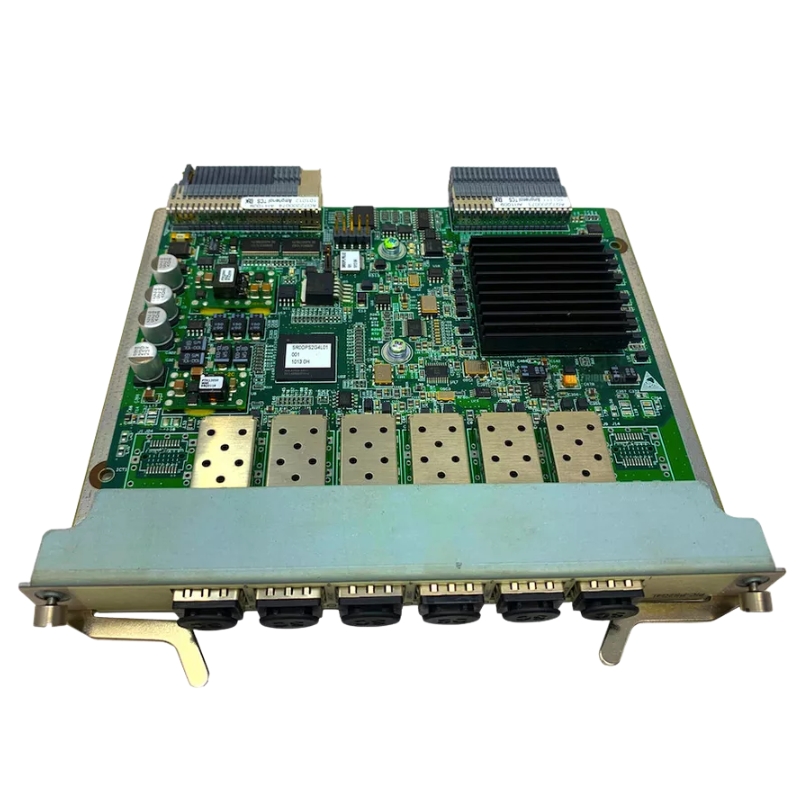


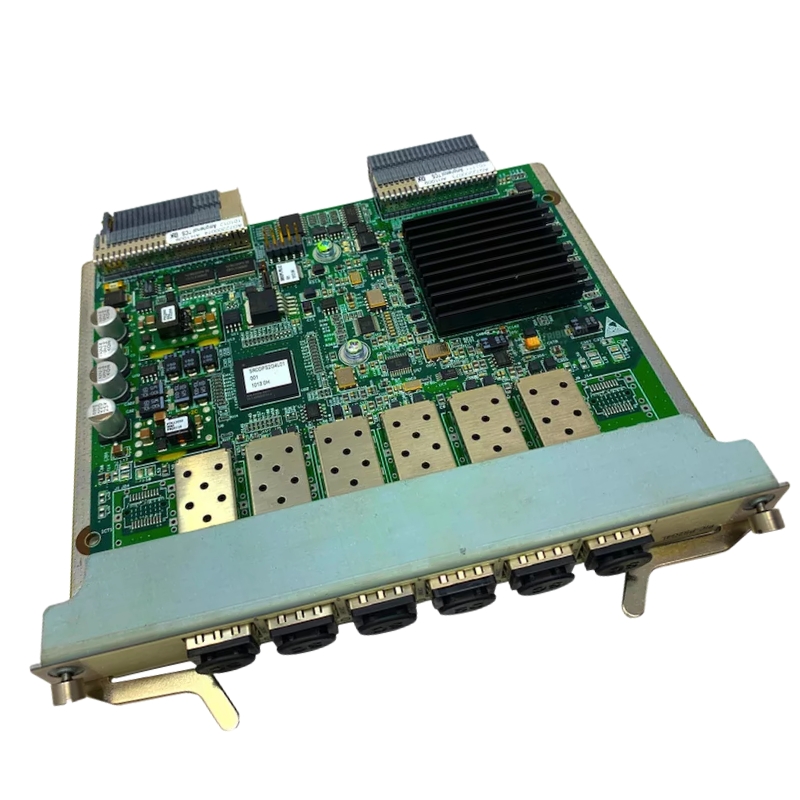
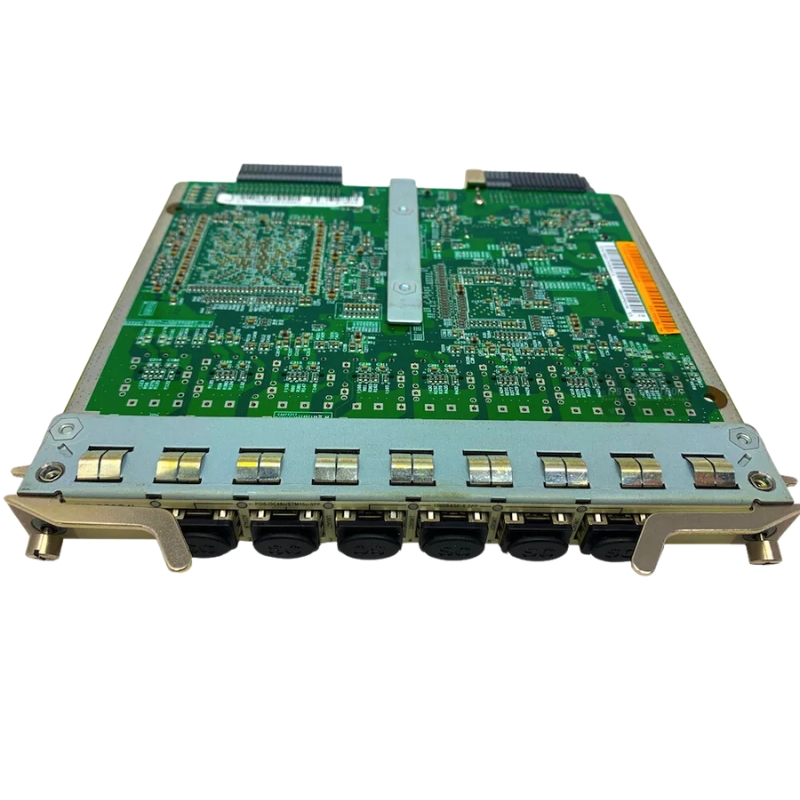
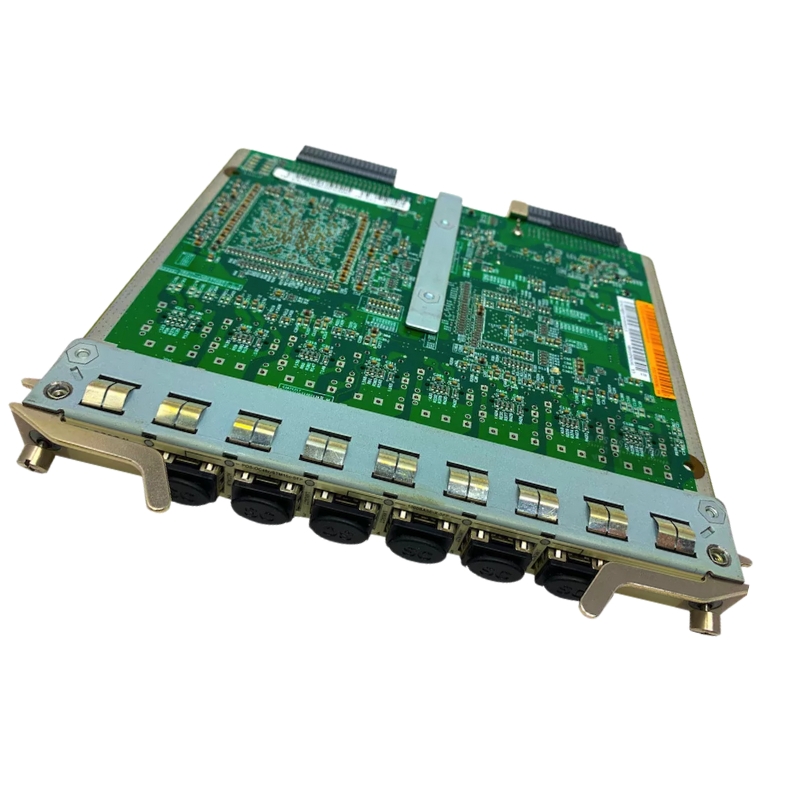
HPE JC485A 8800 2-Port OC-48c/STM-16c POS SFP Module Network Switches. Excellent Refurbished with 1 year replacement warranty
The HPE JC485A expansion module is engineered to extend enterprise switching capacity with robust optical connectivity. Designed for carrier-grade environments, it enhances backbone performance while supporting scalable high-speed data transmission across fiber infrastructure.
The HPE JC485A 8800 2-Port OC-48c/STM-16c POS SFP Module Network Switches category represents a specialized class of high-performance optical interface modules designed for carrier-grade switching environments. This module is engineered to extend the capabilities of Hewlett Packard Enterprise 8800 series switches by enabling advanced Packet over SONET/SDH (POS) connectivity through two OC-48c/STM-16c compliant ports. It is purpose-built for service providers, large enterprise WAN infrastructures, and metropolitan area networks that demand deterministic throughput, low latency transport, and high reliability in optical backbone communication systems.
The architecture of the HPE JC485A module is based on modular optical transport principles, enabling seamless integration into high-density switching chassis. Each module is designed to interface directly with the backplane of compatible HPE 8800 series switches, ensuring efficient packet forwarding and minimal processing overhead. The dual-port design enhances network flexibility, allowing simultaneous optical connections for redundancy, load distribution, or segmentation of traffic across multiple SONET/SDH rings.
This module leverages advanced optical transport optimization techniques to maintain signal integrity across long-distance fiber links. The OC-48c/STM-16c standard supports approximately 2.5 Gbps of aggregate bandwidth per port, making it suitable for high-throughput backbone applications. The module ensures precise clock recovery, jitter minimization, and error correction mechanisms that are essential for maintaining stable transmission across synchronous optical networks.
Each port on the module is capable of handling up to 2.5 Gbps of bidirectional traffic, making the dual-port configuration ideal for high-capacity data center interconnects and backbone routing paths. The module is designed to minimize latency by using hardware-based forwarding engines and optimized buffer management systems. This ensures that high-volume traffic streams such as voice, video, and mission-critical data are transmitted without degradation in quality.
The optical signal processing subsystem within the module includes advanced transceiver logic that supports long-reach and intermediate-reach optical fiber connections. The SFP-based interface allows flexibility in selecting optical transceivers based on deployment distance and fiber type. This modular approach enables network operators to tailor optical performance to specific geographic and infrastructure requirements.
The Small Form-factor Pluggable (SFP) architecture is a key component of the HPE JC485A design. This hot-swappable interface allows administrators to replace or upgrade optical transceivers without shutting down the entire system. The SFP design contributes significantly to operational efficiency by reducing downtime during maintenance and enabling rapid scalability in dynamic network environments.
Field replaceability is essential in carrier-grade environments, and the module supports full hot-swap functionality. Network engineers can replace or upgrade SFP components while the system remains operational, ensuring continuous service availability. This feature is particularly valuable in mission-critical environments such as financial trading networks and telecommunications backbone systems where downtime is not acceptable.
The HPE JC485A module is specifically designed for integration with HPE 8800 series modular switches. These switches are widely deployed in enterprise and service provider environments due to their scalability, high throughput, and robust feature sets. The module seamlessly integrates into available chassis slots, leveraging the switch’s internal switching fabric for high-speed packet processing.
Within the switch chassis, the module communicates directly with the central switching fabric, ensuring synchronized data flow across all installed modules. This architecture reduces bottlenecks and allows for efficient load distribution. The tight integration between module and chassis enhances performance consistency across all connected network interfaces.
The module is engineered for carrier-grade deployments where uptime, redundancy, and deterministic performance are critical. It supports integration into SONET and SDH ring architectures commonly used by telecommunications providers. These ring structures ensure continuous data flow even in the event of fiber cuts or node failures, maintaining uninterrupted service delivery.
Latency optimization is a core design objective of the HPE JC485A module. By utilizing hardware-based forwarding mechanisms, the module reduces the need for software-driven packet processing. This significantly decreases end-to-end transmission delays, making it suitable for latency-sensitive applications such as voice over IP, video conferencing, and real-time financial transactions.
Quality of Service (QoS) mechanisms embedded within the module allow for prioritization of critical traffic streams. Traffic classification and scheduling ensure that high-priority data receives preferential treatment over less time-sensitive packets. This guarantees consistent service levels across diverse application types operating within the same network infrastructure.
The dual-port configuration enables efficient traffic engineering strategies, allowing network administrators to distribute workloads across multiple optical paths. This enhances overall network resilience and prevents congestion in high-utilization scenarios. Traffic engineering capabilities are essential in large-scale backbone deployments where data flow must be carefully balanced.
In telecommunications environments, the HPE JC485A module is commonly deployed within backbone switching nodes that interconnect regional and national networks. Its OC-48c/STM-16c capability ensures compatibility with legacy and modern optical transport systems, enabling seamless integration into hybrid network environments. Telecom operators rely on this module to maintain high-capacity data transmission across long-distance fiber routes.
Large enterprises utilize this module to extend WAN connectivity between geographically dispersed offices and data centers. Its high throughput and reliability make it suitable for connecting mission-critical enterprise applications that require continuous availability and secure data transport. The module supports scalable WAN architectures that grow alongside organizational needs.
Metropolitan Area Networks (MANs) benefit significantly from the deployment of OC-48c/STM-16c modules due to their balance of bandwidth and cost efficiency. The HPE JC485A module enables service providers to deliver high-speed connectivity across urban regions, supporting broadband services, cloud access, and inter-business connectivity.
Reliability is a fundamental aspect of the HPE JC485A module design. It supports redundant path configurations that ensure continuous operation even in the event of hardware or fiber failures. Dual-port architecture allows automatic failover between optical links, maintaining uninterrupted service delivery under adverse conditions.
The module includes advanced fault detection systems that continuously monitor optical signal integrity, error rates, and synchronization status. In the event of a fault, automatic recovery protocols are triggered to reroute traffic or reestablish optical synchronization. This ensures minimal disruption to network services and enhances overall system stability.
Provisioning capabilities enable administrators to deploy the module across large-scale networks with consistent configuration templates. This ensures uniform performance characteristics across multiple nodes and reduces configuration complexity in distributed environments. Automated provisioning tools further streamline deployment processes in dynamic network infrastructures.
The module supports predictive maintenance features that analyze performance metrics to identify potential issues before they result in service disruption. By monitoring error rates, signal degradation, and traffic anomalies, network operators can proactively address hardware concerns and optimize system performance.
Integrated diagnostic tools provide detailed insights into module performance, including optical signal strength, packet error rates, and synchronization status. These diagnostics enable rapid identification of network issues and facilitate efficient troubleshooting procedures in complex network environments.
While the module primarily focuses on transport functionality, it plays a critical role in maintaining data integrity across optical links. Error detection and correction mechanisms ensure that transmitted data remains accurate and free from corruption. This is essential for applications requiring high levels of data fidelity.
The module supports logical segmentation of network traffic, allowing administrators to isolate different data streams within the same physical infrastructure. This enhances security by preventing unauthorized access between segmented network zones and ensures controlled data flow across enterprise environments.
As network demands continue to grow, the HPE JC485A module provides a scalable solution that supports incremental expansion without requiring complete infrastructure replacement. Its modular design allows additional capacity to be added as needed, ensuring long-term investment protection.
One of the key strengths of this module is its ability to bridge legacy SONET/SDH systems with modern IP-based networks. This interoperability ensures smooth migration paths for organizations transitioning toward next-generation network architectures while preserving existing infrastructure investments.
The module is engineered for efficient power consumption relative to its performance output. This contributes to reduced operational costs in large-scale deployments where energy efficiency is a critical consideration. Optimized thermal design further enhances system reliability and reduces cooling requirements in dense installations.


 Contact Us
 Information
 Catalog
 Solid State Drives (SSD)
 Network Switches
 Hard Disk Drives
 HBA & Controllers
 PC & Servers
 PC & Server Memory
 CPU & Processors
 Network Routers
 Power Supplies
 Tape Drives & Libraries
 Network Devices
 Computer & Network Cables