(7% discount is applied at checkout)
Cart is empty
Your go-to destination for cutting-edge server products
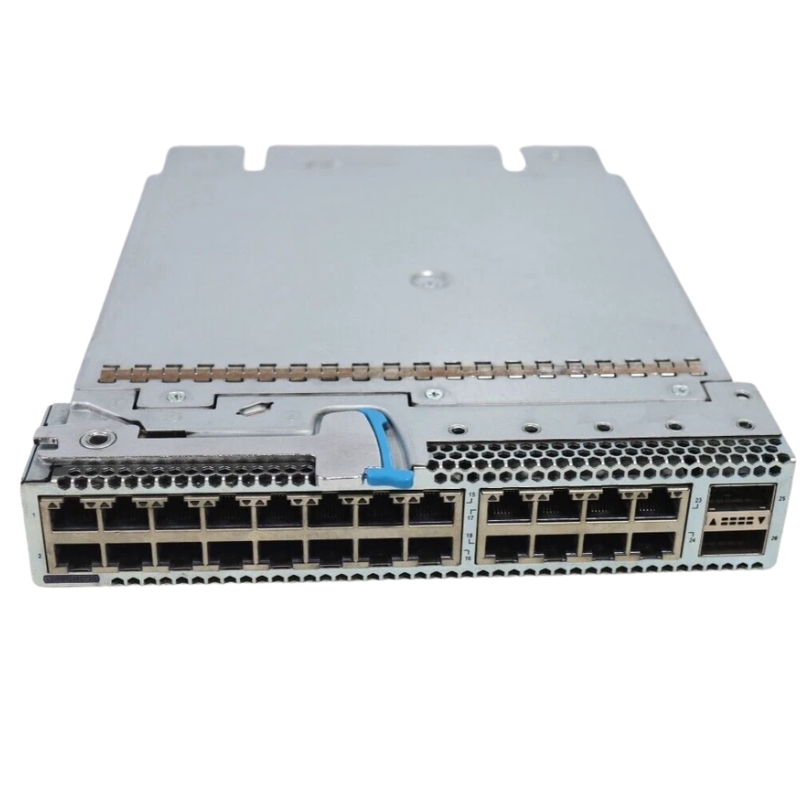


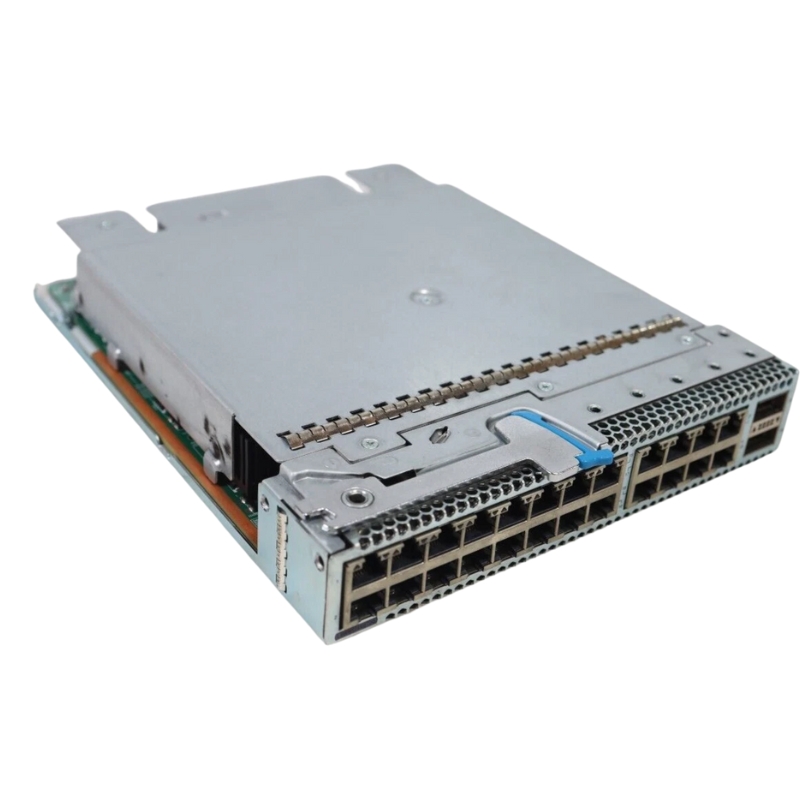
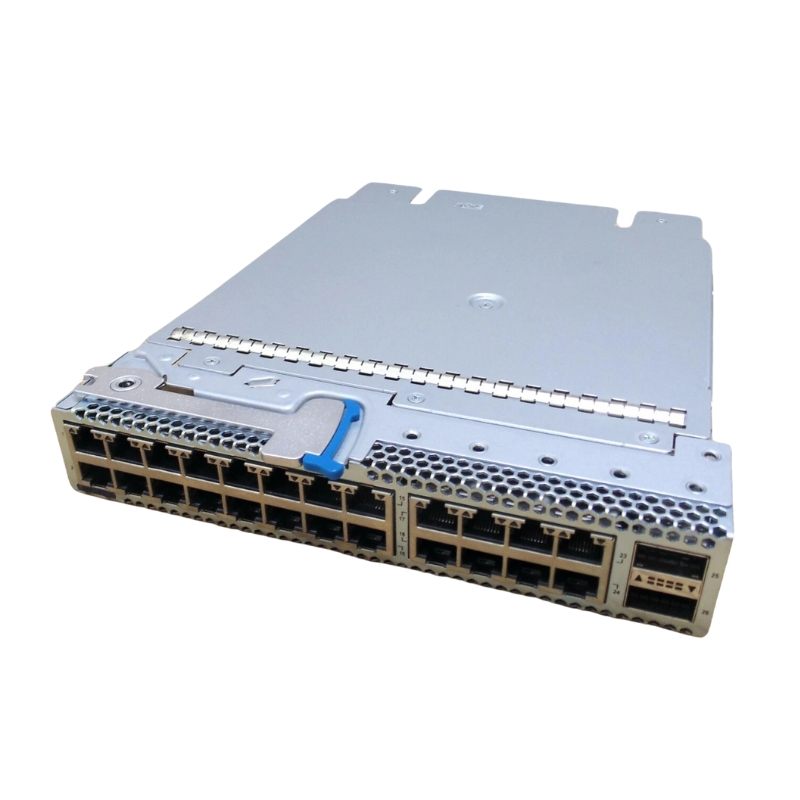
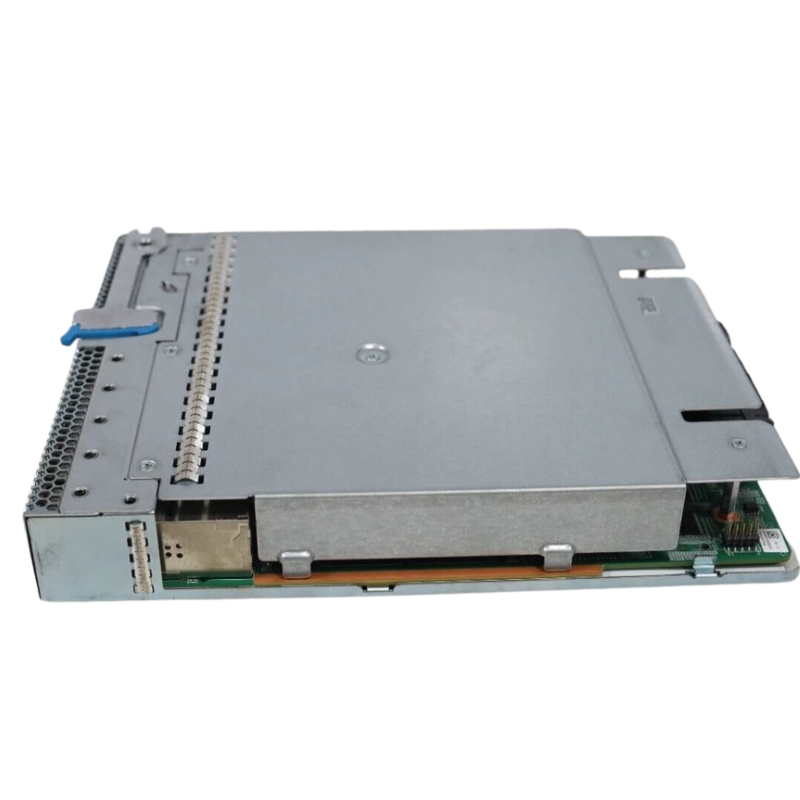
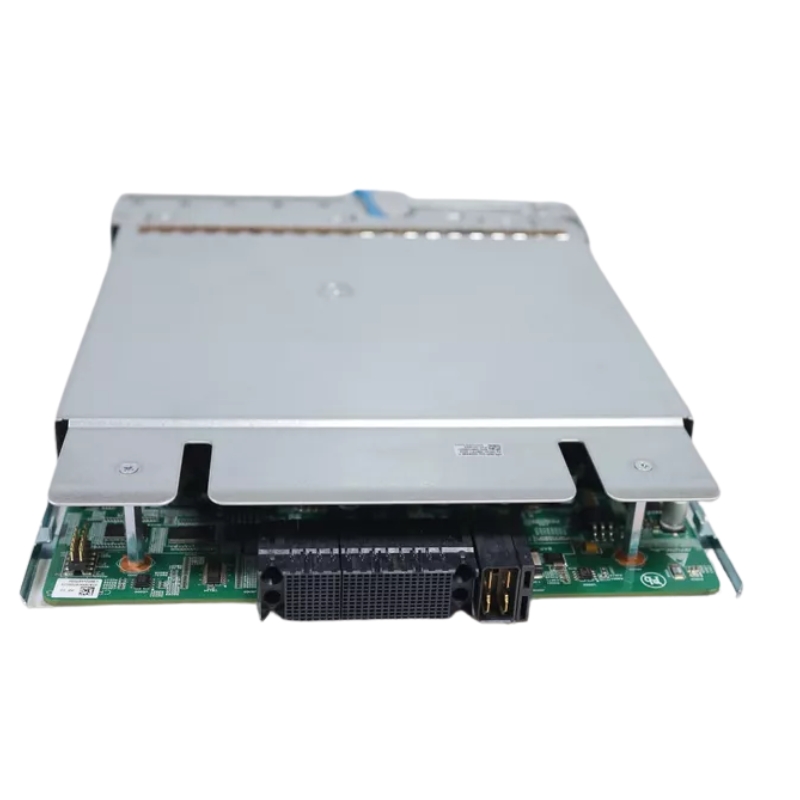
HPE JH182-61101 5930 24-Port 10Gbase-T And 2-Port Qsfp+ With Macsec Module. Excellent Refurbished with 1 year replacement warranty
Highlight of HPE JH182-61101 24-Port 10GBASE-T Module
The HPE JH182-61101 5930 24-Port 10GBASE-T and 2-Port QSFP+ with MACsec Module is a high-performance networking expansion module engineered for organizations that require dependable 10 Gigabit Ethernet connectivity, secure data transmission, and scalable network infrastructure. Designed to complement compatible HPE networking platforms, this module combines high-density copper networking with high-speed fiber uplink capabilities to support demanding enterprise, campus, and data center environments.
By integrating multiple 10GBASE-T interfaces alongside dedicated QSFP+ uplink ports, this expansion module enables businesses to simplify network growth while maintaining exceptional throughput, low latency, and reliable performance. The built-in MACsec functionality further enhances network security by encrypting data traffic directly at the Ethernet layer, helping organizations protect sensitive information as it travels across the network.
The HPE JH182-61101 5930 24-Port 10GBase‑T and 2-Port QSFP+ with MACsec Module belongs to a specialized class of high‑performance networking expansion hardware engineered to enhance switching density, strengthen security, and deliver exceptional throughput for enterprise infrastructures. This module integrates twenty‑four 10GBase‑T copper ports with two QSFP+ uplink interfaces, creating a versatile combination of high‑speed access and aggregation capabilities. Designed for HPE 5930 series switches, it supports advanced enterprise architectures, high‑density server environments, and mission‑critical workloads that demand consistent, low‑latency performance. Its inclusion of MACsec encryption elevates security by protecting data in motion at the hardware level, ensuring confidentiality and integrity across sensitive network segments.
The module’s architecture is optimized for organizations seeking to modernize their network core, expand bandwidth capacity, and implement secure, scalable connectivity. With its blend of copper and fiber uplink options, the HPE JH182-61101 module supports flexible deployment scenarios ranging from data center access layers to campus distribution networks. Its robust engineering, reliable throughput, and seamless integration with HPE’s switching ecosystem make it a strategic component for enterprises aiming to build resilient, future‑ready infrastructures capable of supporting virtualization, cloud computing, storage networking, and high‑density user environments.
The HPE JH182-61101 module is engineered with a focus on performance, reliability, and security. Its twenty‑four 10GBase‑T ports provide high‑speed copper connectivity suitable for servers, workstations, and high‑bandwidth devices. These ports support auto‑negotiation and deliver consistent throughput across short‑distance copper cabling, making them ideal for rack‑level deployments and dense server clusters. The two QSFP+ uplink ports offer flexible 40GbE connectivity options, enabling high‑speed aggregation, inter‑switch links, and uplinks to core network layers.
A defining feature of this module is its support for MACsec, a hardware‑level encryption protocol designed to secure data traveling across Ethernet links. MACsec ensures that sensitive information remains protected from interception, tampering, and unauthorized access. This makes the module particularly valuable for financial institutions, government agencies, healthcare environments, and enterprises with strict compliance requirements. The combination of high‑speed connectivity and embedded security creates a powerful foundation for modern network architectures.
The module’s design emphasizes operational stability, efficient heat dissipation, and long‑term reliability. Its construction supports continuous 24/7 operation, ensuring that mission‑critical networks maintain consistent performance even under heavy workloads. Integration with HPE 5930 switches ensures full compatibility with advanced switching features, intelligent management tools, and enterprise‑grade network operating systems.
The twenty‑four 10GBase‑T ports provide high‑bandwidth copper connectivity suitable for environments where short‑distance cabling is preferred. These ports support modern server architectures, high‑density rack deployments, and bandwidth‑intensive applications. Copper connectivity offers flexibility, cost efficiency, and ease of installation, making it ideal for data center access layers and enterprise wiring closets.
The ports support auto‑negotiation, ensuring seamless interoperability with a wide range of devices. Their ability to deliver stable 10GbE throughput across standard copper cabling simplifies deployment and reduces infrastructure complexity. This makes the module a practical choice for organizations seeking to expand bandwidth without transitioning entirely to fiber‑based connectivity.
The two QSFP+ uplink ports provide high‑speed 40GbE connectivity options that support aggregation, inter‑switch links, and uplinks to core network layers. QSFP+ interfaces offer exceptional throughput, low latency, and flexible deployment options, making them ideal for modern enterprise and data center architectures. These uplinks enable organizations to create high‑capacity backbone connections that support virtualization, cloud workloads, and large‑scale data transfers.
QSFP+ uplinks also support breakout configurations, allowing multiple 10GbE links to be derived from a single QSFP+ port. This flexibility enables network designers to tailor uplink configurations to match specific performance requirements and architectural designs.
MACsec support is one of the most significant features of the HPE JH182-61101 module. MACsec provides hardware‑level encryption for Ethernet links, ensuring that data traveling across the network remains secure from interception, tampering, and unauthorized access. This encryption operates at Layer 2, offering protection for traffic regardless of higher‑layer protocols.
MACsec is essential for industries that handle sensitive information, including finance, healthcare, government, and enterprise environments with strict compliance requirements. By integrating MACsec directly into the module, HPE ensures that organizations can deploy secure connectivity without relying solely on software‑based encryption solutions. This enhances performance, reduces overhead, and ensures consistent protection across critical network segments.
The module’s MACsec capabilities support secure inter‑switch links, encrypted uplinks, and protected access layers. This ensures that data remains confidential even when traveling across shared or vulnerable network paths. The combination of high‑speed connectivity and embedded security makes the module a powerful tool for building resilient, secure infrastructures.
The HPE JH182-61101 module is suitable for a wide range of deployment scenarios across enterprise, campus, and data center environments. Its blend of copper and fiber uplink options, combined with MACsec security, makes it ideal for organizations seeking to modernize their network infrastructure while maintaining strong security and high performance.
In data centers, the module’s twenty‑four 10GBase‑T ports provide high‑speed connectivity for servers, storage devices, and virtualization platforms. These ports support dense rack deployments and bandwidth‑intensive workloads, ensuring that data flows smoothly between compute nodes and storage arrays. The QSFP+ uplinks enable high‑speed aggregation to core switches, supporting modern spine‑and‑leaf architectures.
MACsec ensures that sensitive data traveling between servers and switches remains protected, making the module suitable for environments that handle confidential information or require compliance with strict security standards.
In campus networks, the module supports high‑speed connectivity for distribution and aggregation layers. Its copper ports provide flexible connectivity for wiring closets, departmental switches, and high‑density user environments. The QSFP+ uplinks enable fast, reliable connections to core switches, ensuring smooth traffic flow across multiple buildings and departments.
MACsec enhances security across campus backbones, ensuring that data traveling between buildings remains protected from unauthorized access. This is particularly valuable for universities, corporate campuses, and government facilities.
The module’s combination of high‑speed connectivity and MACsec security makes it ideal for enterprise core networks and secure segments. Organizations can deploy the module to support sensitive workloads, secure inter‑switch links, and protected access layers. Its robust performance ensures that mission‑critical applications receive the bandwidth and security they require.
The module supports modern enterprise architectures, including cloud integration, virtualization, and distributed workloads. Its flexibility and reliability make it a strategic component for organizations seeking to build secure, scalable infrastructures.
The HPE JH182-61101 module is engineered with enterprise‑grade durability and reliability. Its construction supports continuous operation under demanding workloads, ensuring that mission‑critical networks maintain consistent performance. Efficient heat dissipation and robust component design contribute to long‑term stability and reduced risk of hardware failure.
The module integrates seamlessly with HPE 5930 switches, ensuring full compatibility with advanced switching features, intelligent management tools, and enterprise‑grade network operating systems. This integration simplifies deployment, reduces configuration complexity, and ensures reliable operation across diverse environments.
The module is designed specifically for HPE 5930 series switches, ensuring seamless integration with their hardware architecture and software features. This compatibility ensures that organizations can deploy the module without concerns about interoperability or performance limitations.
Integration with HPE’s switching ecosystem ensures support for advanced features such as intelligent traffic management, QoS optimization, and centralized network monitoring. This enhances operational efficiency and simplifies network administration.
Organizations choose the HPE JH182-61101 module for its ability to deliver high‑speed connectivity, strong security, and flexible deployment options. Its combination of copper and fiber uplinks, MACsec encryption, and enterprise‑grade reliability makes it a strategic addition to modern network infrastructures.
The module’s twenty‑four 10GBase‑T ports provide high‑density connectivity suitable for server clusters, storage networks, and high‑bandwidth devices. This enables organizations to expand bandwidth capacity without transitioning entirely to fiber‑based connectivity.
The QSFP+ uplinks support high‑speed aggregation and inter‑switch links, enabling organizations to build scalable, high‑capacity backbones that support modern workloads.
MACsec encryption ensures that data traveling across Ethernet links remains protected from interception and tampering. This hardware‑level security enhances performance, reduces overhead, and ensures consistent protection across critical network segments.
Organizations benefit from secure inter‑switch links, encrypted uplinks, and protected access layers, making the module suitable for environments with strict compliance requirements.
As digital transformation accelerates, networks must evolve to support higher bandwidth, increased device density, and more complex workloads. The HPE JH182-61101 module ensures that organizations remain prepared for future demands by offering scalable, high‑speed connectivity options and embedded security features.
Its flexibility, reliability, and performance make it a strategic component for organizations seeking to modernize their infrastructure and support emerging technologies.
The module enhances operational efficiency by reducing bottlenecks, improving traffic flow, and enabling faster data movement across the network. Its high‑speed ports allow administrators to optimize network performance without extensive hardware changes.
Organizations benefit from improved responsiveness, reduced latency, and enhanced user experience across bandwidth‑intensive applications.


 Contact Us
 Information
 Catalog
 Solid State Drives (SSD)
 Network Switches
 Hard Disk Drives
 HBA & Controllers
 PC & Servers
 PC & Server Memory
 CPU & Processors
 Network Routers
 Power Supplies
 Tape Drives & Libraries
 Network Devices
 Computer & Network Cables