(7% discount is applied at checkout)
Cart is empty
Your go-to destination for cutting-edge server products
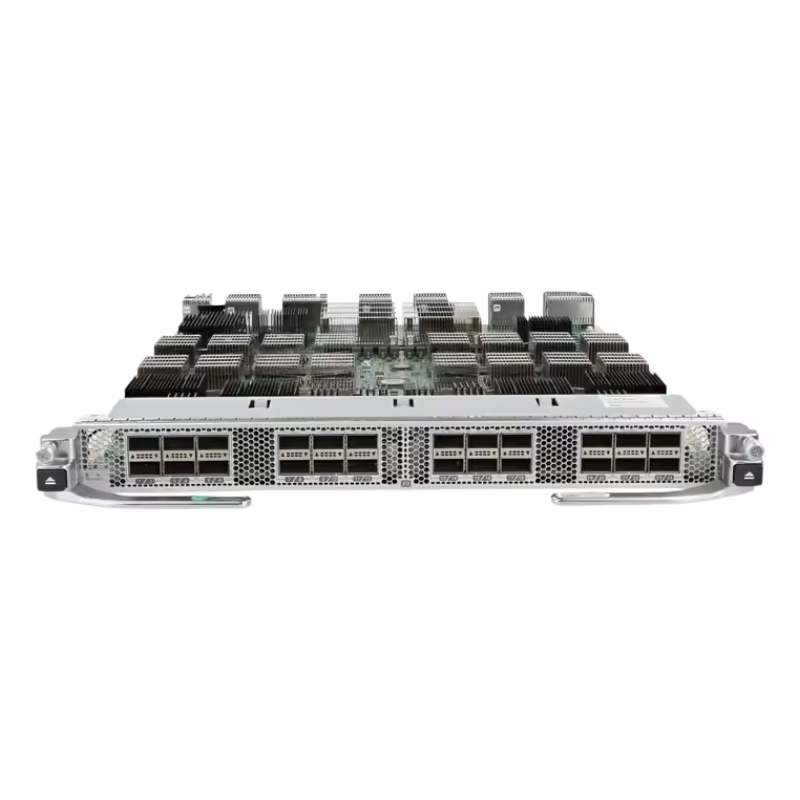


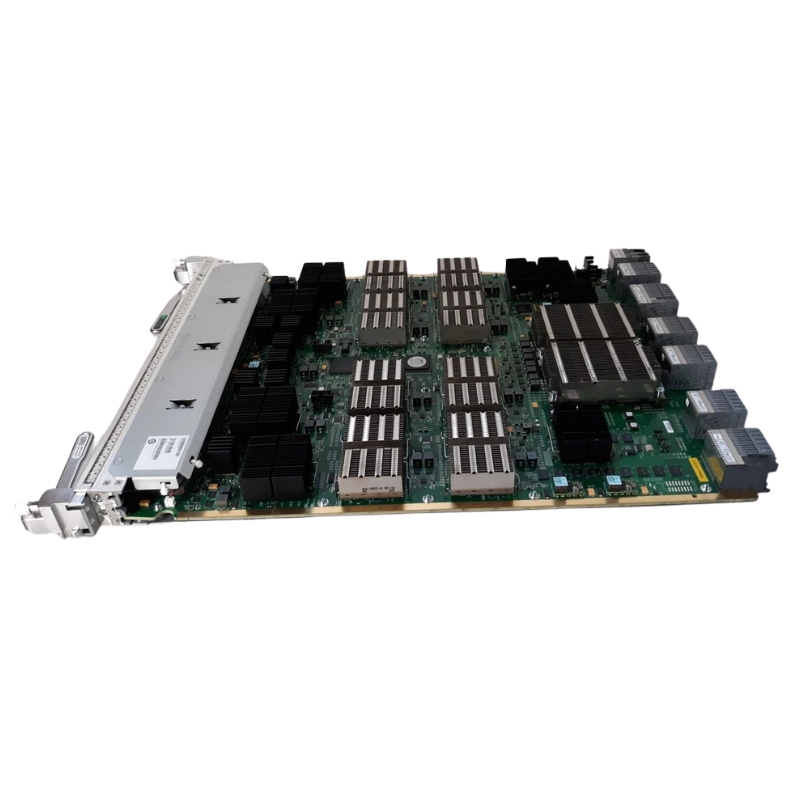
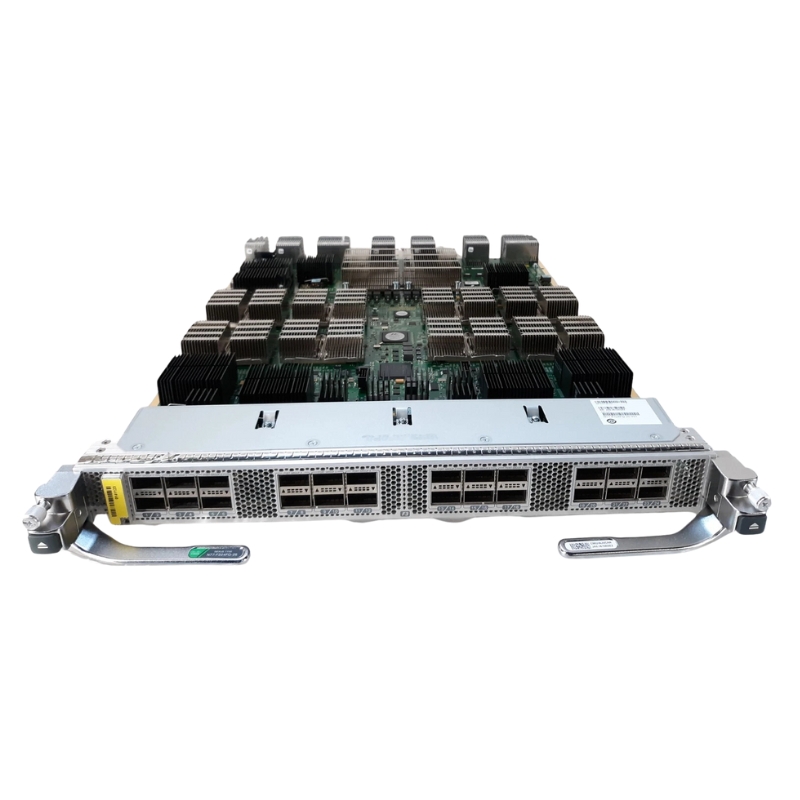
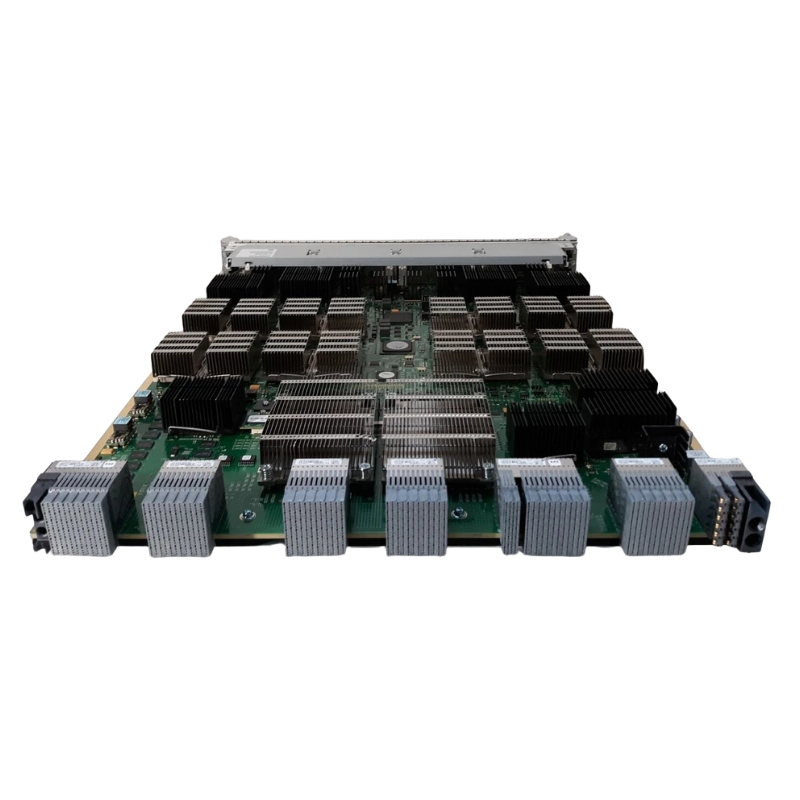
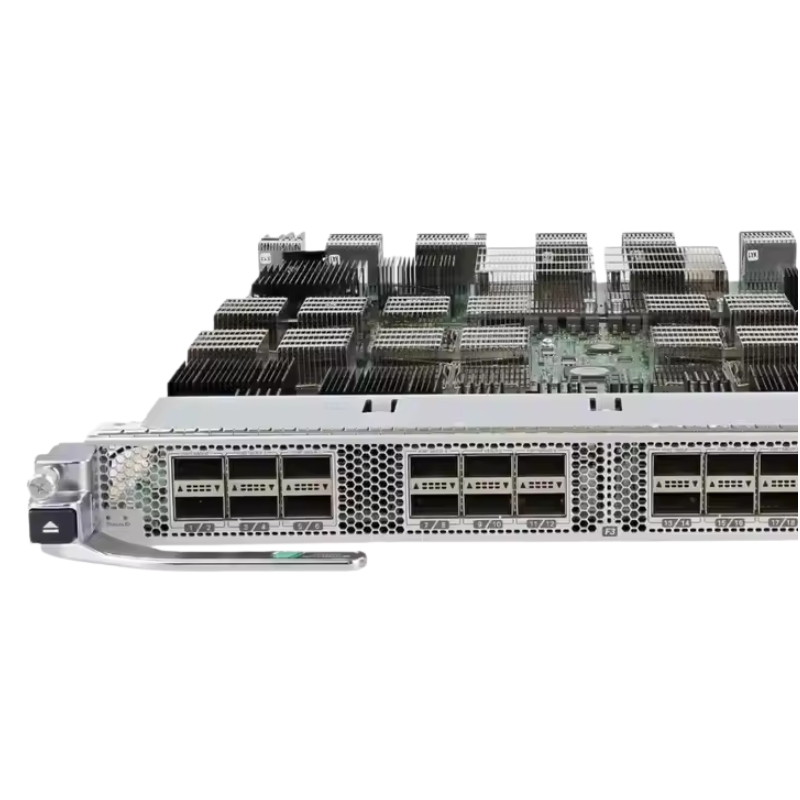
Cisco N77-F324FQ-25 Nexus 24-Ports Expansion Module. Factory-Sealed New in Original Box (FSB) with 1-Year Replacement Warranty
| SKU/MPN | Warranty | Price | Condition | You save |
|---|---|---|---|---|
| N77-F324FQ-25 | 1 Year Warranty | $6,850.00 | Factory-Sealed New in Original Box (FSB) | You save: $2,397.50 (26%) |
| N77-F324FQ-25 | 1 Year Warranty | $150.00 | Excellent Refurbished | You save: $52.50 (26%) |
The module belongs to the broader category of Cisco Nexus data center expansion and line card solutions. Products in this category are intended to extend the capabilities of modular switching systems by providing additional physical interfaces and supporting high-bandwidth network designs. The N77-F324FQ-25 is suited to environments where reliable east-west and north-south traffic movement is necessary, including server aggregation, data center interconnection, high-performance computing, cloud infrastructure, and large-scale application environments.
The N77-F324FQ-25 Cisco Nexus 24-Port Expansion Module is a high-density networking component designed for scalable data center environments that require dependable connectivity, flexible infrastructure expansion, and efficient traffic handling. Built for compatible Cisco Nexus modular switching platforms, this expansion module helps organizations extend network capacity while maintaining the operational consistency expected from enterprise-class switching architecture. It is particularly relevant for data centers, cloud environments, large enterprise networks, service provider infrastructures, virtualization platforms, and other demanding deployments where port density and modular scalability are important considerations.
As network traffic continues to grow, organizations need switching infrastructure that can accommodate additional servers, storage systems, appliances, and interconnected network resources without requiring a complete platform replacement. The N77-F324FQ-25 Cisco Nexus 24-Port Expansion Module supports this modular approach by adding a substantial number of high-speed interfaces to a compatible chassis. This capability allows network administrators to increase connectivity in a structured manner and align infrastructure investment with actual deployment requirements.
One of the defining characteristics of the N77-F324FQ-25 Cisco Nexus Expansion Module is its 24-port configuration. High port density can help data center operators consolidate connectivity within a modular chassis, reducing the need to deploy multiple separate switching devices solely to accommodate additional network connections. A consolidated architecture can simplify rack planning, cabling organization, equipment management, and future capacity expansion.
The 24-port design provides administrators with greater flexibility when connecting servers, network appliances, storage resources, and other compatible infrastructure. Rather than replacing an existing modular switch when additional interfaces are required, organizations can expand the system by installing an appropriate module in an available compatible slot. This modular model can improve infrastructure longevity and provide a more adaptable approach to changing network requirements.
Dense connectivity is particularly valuable in modern data centers, where virtualization and application consolidation can generate significant traffic between physical hosts. A single server may support numerous virtual machines, containers, or application workloads, increasing the importance of capable network connectivity. Expansion modules such as the N77-F324FQ-25 contribute to an architecture designed to accommodate these demanding traffic patterns while preserving centralized management within the Cisco Nexus ecosystem.
The Cisco Nexus product family is widely associated with data center switching architectures that require scalability, high availability, and centralized network operations. The N77-F324FQ-25 Cisco Nexus 24-Port Expansion Module is designed as part of this modular infrastructure approach, allowing compatible systems to be configured according to specific deployment needs.
Modular data center switches differ from fixed-configuration switches because they provide a chassis-based platform that can accept various expansion components. This design enables organizations to select modules according to port requirements, interface types, bandwidth expectations, and network architecture. The N77-F324FQ-25 provides an expansion option for environments requiring additional high-density connectivity within an appropriate Cisco Nexus chassis.
This approach is especially useful for organizations that anticipate continued infrastructure growth. A data center may begin with a particular number of servers and network connections but require additional capacity as new applications, departments, customers, or cloud services are introduced. A modular switching platform allows the network to evolve by adding compatible components instead of replacing the entire switching system.
Scalability is an essential consideration when designing enterprise and data center networks. Infrastructure that meets current requirements may become insufficient as traffic volumes, connected devices, and application demands increase. The N77-F324FQ-25 Cisco Nexus Expansion Module supports a scalable architecture by allowing compatible switching systems to gain additional port capacity.
Organizations can use modular expansion to create a network growth strategy based on actual requirements. Additional interfaces can be introduced as new servers are installed, storage environments expand, or new network segments are created. This approach can help reduce unnecessary initial overprovisioning while preserving a practical path for future expansion.
For large-scale environments, scalability also involves operational consistency. Adding standalone switches can increase the number of devices that administrators must configure, monitor, update, and troubleshoot. Expanding an existing modular platform can help maintain a more consolidated infrastructure model. The N77-F324FQ-25 supports this concept by integrating additional connectivity into a compatible Cisco Nexus system.
Modern data centers process large quantities of information across servers, storage systems, virtualization clusters, application platforms, and external networks. The N77-F324FQ-25 Cisco Nexus 24-Port Expansion Module is positioned for environments where high-speed connectivity is necessary to support these demanding workloads. Its port configuration makes it suitable for network designs that need substantial aggregate connectivity within a modular switching architecture.
High-speed interfaces can be used for numerous purposes, including server uplinks, switch-to-switch connections, aggregation links, storage networking, and infrastructure interconnection. The exact deployment depends on the compatible Cisco Nexus platform, installed transceivers, cabling, software configuration, and overall network design. Administrators should verify all relevant compatibility requirements before implementation.
In virtualized environments, high-speed connectivity is particularly important because multiple workloads may share the resources of a single physical server. Traffic generated by virtual machines and containers can create significant bandwidth requirements. A capable modular switching architecture can help provide the connectivity needed to move this traffic efficiently between hosts, storage platforms, application services, and external destinations.
A major advantage of modular switching architecture is the ability to expand network resources incrementally. The N77-F324FQ-25 Cisco Nexus 24-Port Expansion Module can provide additional connectivity within a compatible platform, helping organizations respond to changing requirements without immediately replacing the entire chassis.
This flexibility can be valuable when infrastructure growth occurs gradually. A business may add new server racks, deploy additional storage resources, introduce new applications, or expand its virtualization environment over time. Instead of purchasing a completely new switching platform for every increase in connectivity demand, a compatible expansion module can provide a more targeted capacity upgrade.
Modular expansion can also support long-term infrastructure planning. Network architects can select a chassis with room for future growth and populate available slots according to current needs. As requirements increase, additional compatible modules can be installed. The N77-F324FQ-25 can form part of such a strategy by supplying 24 additional ports in supported configurations.
A modular network architecture provides organizations with greater control over infrastructure design and capacity planning. Rather than being restricted to the fixed port count of an individual switch, administrators can configure a compatible chassis with expansion modules that match operational requirements. This can help create a more tailored network environment.
Another advantage is the ability to consolidate resources. Multiple modules can operate within a shared chassis architecture, depending on platform design and compatibility. This may reduce the number of individual switching devices required in a deployment and can simplify physical infrastructure planning. Power, cooling, rack space, cabling, and administrative requirements can all influence the value of a modular approach.
The N77-F324FQ-25 Cisco Nexus 24-Port Expansion Module supports this architecture by providing a high-density interface option. When deployed in a supported system, it can help organizations increase connectivity while retaining the management and operational framework of the existing Cisco Nexus environment.
Data center traffic patterns have evolved significantly as applications have become more distributed. Traditional networks often focused heavily on traffic moving between internal systems and external users. Modern environments also generate substantial east-west traffic between servers, virtual machines, databases, storage platforms, and application services.
The N77-F324FQ-25 Cisco Nexus Expansion Module can be incorporated into network designs intended to support these complex traffic patterns. By increasing available port capacity within a compatible modular switch, the module helps network architects connect more infrastructure resources to a centralized switching platform.
This capability can be important in environments running multi-tier applications. A single application transaction may involve communication between web servers, application servers, databases, authentication systems, storage platforms, and other services. Reliable network connectivity between these resources is essential for maintaining responsive application performance.
Virtualization has transformed the way organizations deploy computing resources. Instead of dedicating one physical server to a single application, enterprises can run many virtual workloads on shared hardware. This improves resource utilization but can also increase network traffic density. The N77-F324FQ-25 Cisco Nexus 24-Port Expansion Module can support the physical network infrastructure required by large virtualized environments.
Cloud architectures create similar requirements. Private clouds, hybrid environments, and service provider platforms may contain large numbers of compute nodes that require reliable network connectivity. As the number of nodes increases, additional switching ports may be necessary. A modular expansion strategy allows organizations to increase connectivity as cloud infrastructure grows.
The module can also contribute to environments using automation and software-defined operational practices. While specific capabilities depend on the host platform and software configuration, Cisco Nexus infrastructure is commonly deployed in data centers where centralized management and automated provisioning are important operational objectives.
Network availability is a critical requirement for data centers because applications and services depend on continuous connectivity. Expansion components used in enterprise switching platforms must therefore be selected with compatibility, operational stability, and infrastructure resilience in mind. The N77-F324FQ-25 Cisco Nexus Expansion Module is intended for enterprise-class modular switching environments where dependable operation is a major consideration.
Reliability is influenced by the complete network design rather than a single component. Redundant switching paths, appropriate power architecture, compatible transceivers, quality cabling, correct software versions, monitoring, and maintenance procedures all contribute to service availability. The N77-F324FQ-25 can function as part of such a carefully designed infrastructure.
Modular systems can also simplify certain maintenance and capacity-planning processes because expansion occurs within an established chassis architecture. Administrators can plan module deployment according to available slots, platform requirements, traffic forecasts, and redundancy objectives. Proper planning helps ensure that additional capacity contributes effectively to overall network performance.
Managing a large data center network involves configuration, monitoring, troubleshooting, capacity analysis, security policy implementation, and lifecycle management. A modular platform can help administrators maintain a more consolidated infrastructure compared with a design that relies on numerous independent devices.
The N77-F324FQ-25 adds port capacity within a compatible Cisco Nexus environment, allowing administrators to expand connectivity while preserving a familiar operational model. This can reduce the complexity associated with introducing an entirely separate switching platform simply to gain additional interfaces.
Standardization can also benefit technical teams. When an organization uses a consistent family of networking equipment, administrators may be able to apply established procedures for installation, documentation, monitoring, and troubleshooting. The exact operational experience depends on the deployed platform and configuration, but modular expansion can support a more unified infrastructure strategy.
Physical space is an important resource in data center environments. Every rack unit used by networking equipment affects the space available for servers, storage systems, power equipment, and other infrastructure. High-density expansion modules such as the N77-F324FQ-25 can help organizations increase connectivity within an existing compatible chassis footprint.
Instead of adding multiple standalone switches as port requirements increase, administrators may be able to populate available chassis slots with appropriate expansion modules. This approach can increase the number of available interfaces without proportionally increasing the number of separate devices installed in the rack.
Rack-space efficiency can also influence cabling design. Consolidating multiple ports within a modular platform may help create more organized connection pathways, although proper cable management remains essential. Clear labeling, appropriate cable lengths, structured routing, and accurate documentation can improve maintainability and reduce troubleshooting time.
The N77-F324FQ-25 Cisco Nexus 24-Port Expansion Module can support a broad range of connectivity roles within a properly designed data center network. Ports may be used to connect compatible servers, switches, appliances, storage-related infrastructure, or other network devices according to the capabilities of the host platform and selected interfaces.
Server connectivity is one of the most common requirements in high-density data centers. As organizations deploy additional compute nodes, they require corresponding network interfaces. A 24-port expansion module can provide a substantial increase in connection capacity, making it suitable for environments that need to expand server access or aggregation infrastructure.
Storage traffic can also place considerable demands on a network. Modern applications frequently access large datasets, and virtualized environments may depend on centralized storage resources. Appropriate network design is necessary to ensure that storage-related traffic receives sufficient capacity and predictable connectivity. The N77-F324FQ-25 can form part of a broader infrastructure strategy designed to support these data-intensive operations.
Organizations modernizing older data center environments often need to increase network capacity while minimizing unnecessary disruption. The N77-F324FQ-25 Cisco Nexus Expansion Module may be relevant to upgrade projects involving compatible Cisco Nexus modular platforms. Adding expansion capacity can help accommodate newer servers, higher-density workloads, and evolving application requirements.
Network modernization does not always require a complete replacement of every infrastructure component. In modular environments, organizations can evaluate existing chassis capabilities and determine whether compatible expansion modules can address current requirements. This approach may help extend the useful life of existing infrastructure while supporting incremental improvements.
Upgrade planning should include a detailed assessment of hardware compatibility, software support, interface requirements, traffic growth, redundancy, power, cooling, and lifecycle considerations. The module part number should be verified carefully to ensure that the selected component matches the intended platform and configuration.
Before deploying the N77-F324FQ-25, network teams should review the technical requirements of the target environment. Compatibility is one of the most important factors because modular switching components are designed for specific platforms and configurations. The chassis model, supervisor architecture, software release, available slots, transceiver requirements, and network design should all be evaluated.
Administrators should also assess expected traffic levels. Adding more ports increases physical connectivity, but the complete system architecture must be capable of supporting the intended traffic patterns. Oversubscription, uplink capacity, redundancy, and application behavior should be considered during network planning.
A documented deployment process can improve implementation quality. Port assignments, cable identifiers, connected systems, transceiver types, and configuration details should be recorded. Accurate documentation makes future troubleshooting, maintenance, and capacity planning more efficient.
The N77-F324FQ-25 Cisco Nexus 24-Port Expansion Module provides value in environments where network growth, port density, and modular flexibility are important. Enterprises frequently need to expand connectivity without redesigning the entire data center network. A compatible expansion module can help increase available interfaces while preserving an established switching architecture.
Large organizations may operate hundreds or thousands of connected systems across multiple racks and data center facilities. In these environments, efficient port utilization and infrastructure planning become essential. High-density modules can help network architects create scalable designs that accommodate both present requirements and anticipated growth.
Service providers and hosting environments may also benefit from modular expansion because customer and workload requirements can change rapidly. Additional compute resources often require corresponding network capacity. A chassis-based switching platform equipped with appropriate expansion modules can provide a structured way to increase connectivity as demand develops.
Enterprise applications depend on network infrastructure for communication between users, servers, databases, storage platforms, and external services. The N77-F324FQ-25 Cisco Nexus Expansion Module can provide additional physical connectivity for environments supporting business-critical workloads.
Applications such as enterprise resource planning platforms, customer relationship management systems, database clusters, analytics solutions, virtual desktop environments, and internal cloud services can generate substantial network traffic. As these platforms expand, the underlying network must scale accordingly.
By adding port capacity to a compatible Cisco Nexus modular switch, the N77-F324FQ-25 can help organizations connect additional infrastructure resources without introducing an entirely separate switching architecture. This can support a more consistent approach to network expansion and lifecycle management.
Application requirements rarely remain static. New services are introduced, existing platforms grow, and workloads may move between physical, virtual, and cloud environments. Network infrastructure must therefore provide enough flexibility to accommodate change.
The modular nature of the N77-F324FQ-25 supports this requirement by enabling compatible systems to expand their physical interface capacity. Organizations can adapt network connectivity as infrastructure requirements evolve, subject to chassis capacity and platform compatibility.
This flexibility can be especially useful during data center consolidation or migration projects. As workloads are moved from one environment to another, temporary or permanent increases in connectivity may be required. Modular expansion can provide additional capacity within an existing architecture.
High-availability data center designs typically use redundant network paths to reduce the impact of individual component or link failures. The N77-F324FQ-25 can be incorporated into a broader resilient architecture where multiple connections, switches, and network paths are configured according to business continuity requirements.
Additional port capacity can make it easier to connect systems using redundant interfaces. Servers, appliances, and other infrastructure may use multiple network connections to separate traffic or provide alternative communication paths. The specific configuration depends on the capabilities of connected devices and the overall network design.
Resilience requires careful planning beyond simply adding ports. Administrators should consider physical path diversity, power redundancy, chassis architecture, upstream connectivity, configuration consistency, and monitoring. The expansion module serves as one component within this larger availability strategy.
Capacity planning allows organizations to anticipate future infrastructure requirements rather than reacting only after resources become constrained. The N77-F324FQ-25 Cisco Nexus 24-Port Expansion Module can be included in a growth strategy for compatible modular switching environments.
Network teams can monitor port utilization, traffic patterns, application growth, server deployment plans, and infrastructure projects to determine when additional connectivity will be required. Installing expansion capacity at an appropriate stage can help prevent port shortages from delaying server or application deployments.
Future planning should account for more than the immediate number of required connections. Organizations should consider expected workload growth, technology refresh cycles, redundancy requirements, data center consolidation, and potential changes in network architecture. A modular platform provides flexibility because capacity can be adjusted through compatible hardware additions.
Selecting the correct expansion module requires an understanding of both immediate connectivity requirements and the capabilities of the existing network platform. The N77-F324FQ-25 should be evaluated according to chassis compatibility, port requirements, interface strategy, software support, and expected traffic patterns.
Organizations should avoid selecting networking hardware solely on the basis of port count. The complete platform architecture determines whether a module is appropriate for a particular deployment. Network administrators and procurement teams should coordinate to ensure that technical requirements are clearly defined before purchasing.
When sourcing the N77-F324FQ-25 for an established environment, accurate inventory records can simplify the process. Existing chassis models, installed modules, software versions, transceiver types, and available slots should be documented. This information helps technical teams verify the suitability of additional hardware and plan installation with greater precision.
The N77-F324FQ-25 Cisco Nexus 24-Port Expansion Module represents a practical category of modular data center networking hardware intended to increase connectivity within supported Cisco Nexus switching platforms. Its 24-port configuration makes it relevant for organizations that need to connect additional servers, network appliances, infrastructure systems, and other resources while maintaining a consolidated chassis-based architecture.
High-density expansion can support enterprise data centers, cloud platforms, virtualized environments, service provider networks, application hosting systems, and other infrastructure where network requirements continue to grow. By adding connectivity through a compatible module, organizations can adapt an existing switching platform to changing operational demands.
The module is particularly relevant to network designs that prioritize scalability and infrastructure flexibility. Rather than treating switching capacity as a fixed resource, modular architecture enables organizations to increase connectivity according to actual requirements. This approach can support phased expansion, equipment lifecycle planning, data center modernization, and long-term capacity management.
Successful deployment of the N77-F324FQ-25 Cisco Nexus 24-Port Expansion Module depends on careful planning and validation. Enterprise network environments often contain multiple hardware generations, software releases, transceiver types, and cabling standards. Every component should be evaluated as part of the complete system rather than in isolation.
Network teams should begin by confirming the exact host chassis and supported module configuration. They should then evaluate the required interfaces, expected traffic, connected equipment, redundancy model, and available infrastructure resources. Installation should follow established technical procedures, and the module should be tested before production workloads depend on the new connections.
Monitoring after deployment is equally important. Port utilization, traffic patterns, errors, and overall system behavior should be observed to ensure that the expanded configuration operates as expected. Capacity data collected over time can also help administrators determine when additional network resources may be required.
The growth of digital services continues to increase pressure on data center networks. More applications, users, devices, virtual machines, containers, and data-intensive services create demand for additional network capacity. The N77-F324FQ-25 Cisco Nexus 24-Port Expansion Module provides a modular method of increasing physical connectivity within a compatible Cisco Nexus platform.
This expansion capability can help organizations align network infrastructure with changing business requirements. New projects can be supported by adding connectivity where the existing platform permits, while established environments can maintain consistent hardware architecture. The result is a more adaptable approach to data center network growth.
For organizations operating large-scale infrastructure, modularity can provide significant operational advantages. Capacity can be planned in stages, physical resources can be consolidated, and compatible components can be introduced as requirements evolve. The N77-F324FQ-25 serves as a high-density expansion option within this broader modular networking strategy.
The N77-F324FQ-25 is more than an additional set of network ports when deployed as part of a properly planned modular architecture. It can contribute to capacity growth, equipment consolidation, network modernization, server expansion, cloud infrastructure, and long-term data center planning. Its role should therefore be evaluated in relation to the complete switching environment and organizational technology strategy.
Enterprises seeking to maintain scalable network infrastructure can benefit from hardware that allows capacity to evolve over time. The 24-port configuration provides a meaningful increase in connectivity, while the modular format supports integration with compatible Cisco Nexus systems. This combination makes the N77-F324FQ-25 relevant for demanding environments where fixed connectivity limits could otherwise restrict infrastructure growth.
Careful compatibility verification remains essential when selecting any Cisco Nexus expansion module. Buyers should confirm the exact N77-F324FQ-25 part number, supported chassis, software requirements, interface components, and intended network topology. With appropriate planning, the module can support a structured expansion strategy for high-density enterprise and data center networking environments.
I can also produce a more product-specification-focused version, a keyword-denser e-commerce version, or an HTML version with a different heading and bullet structure.


 Contact Us
 Information
 Catalog
 Solid State Drives (SSD)
 Network Switches
 Hard Disk Drives
 HBA & Controllers
 PC & Servers
 PC & Server Memory
 CPU & Processors
 Network Routers
 Power Supplies
 Tape Drives & Libraries
 Network Devices
 Computer & Network Cables