(7% discount is applied at checkout)
Cart is empty
Your go-to destination for cutting-edge server products
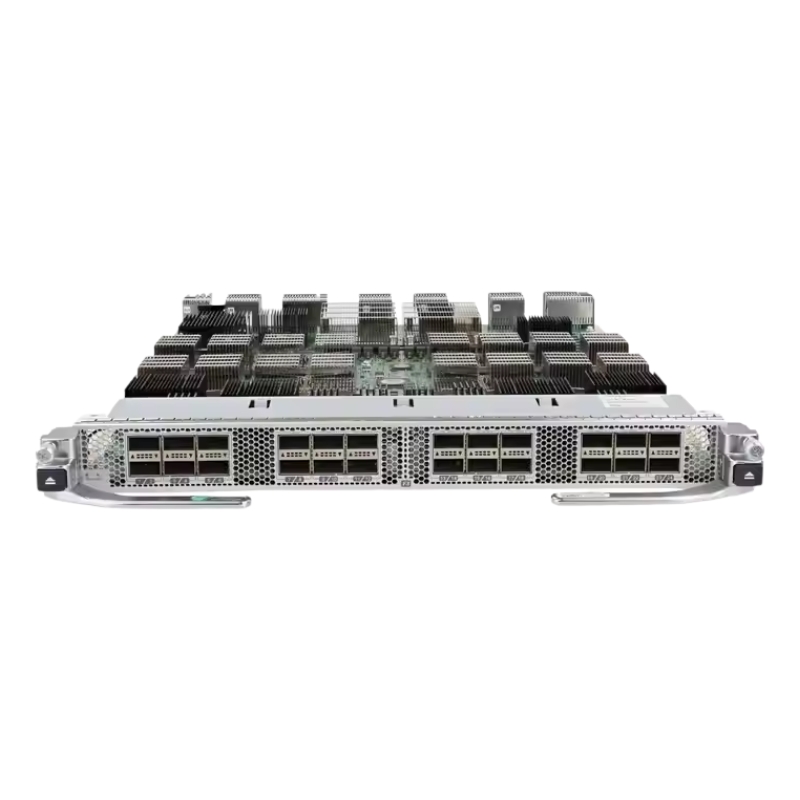


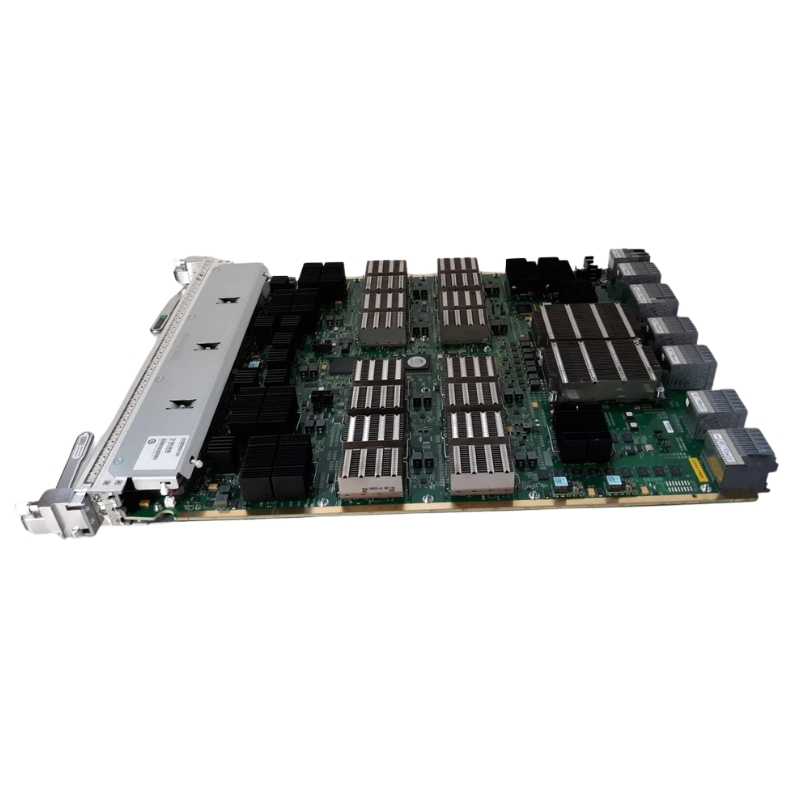
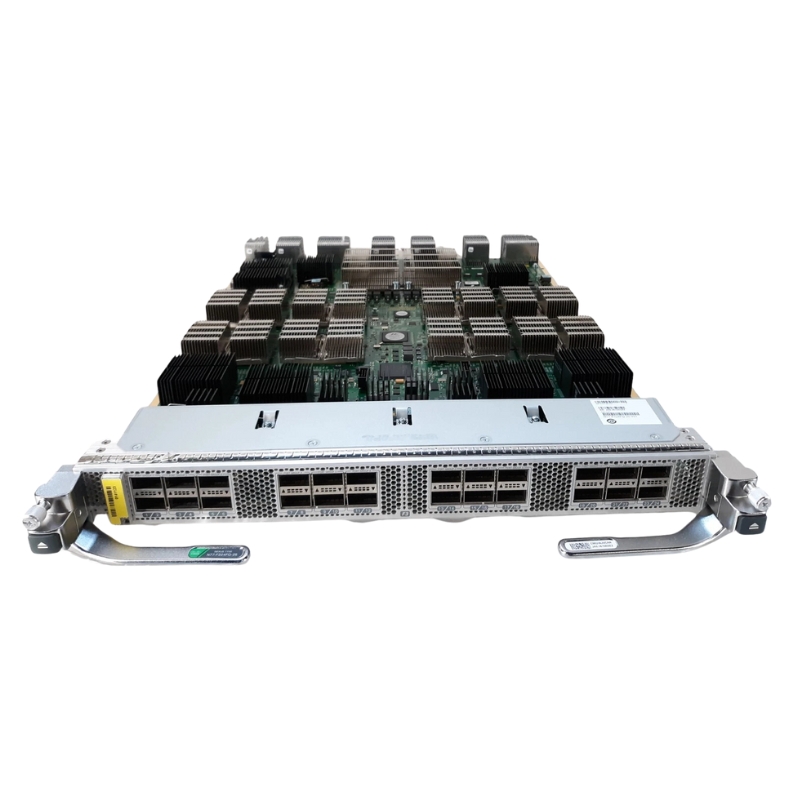
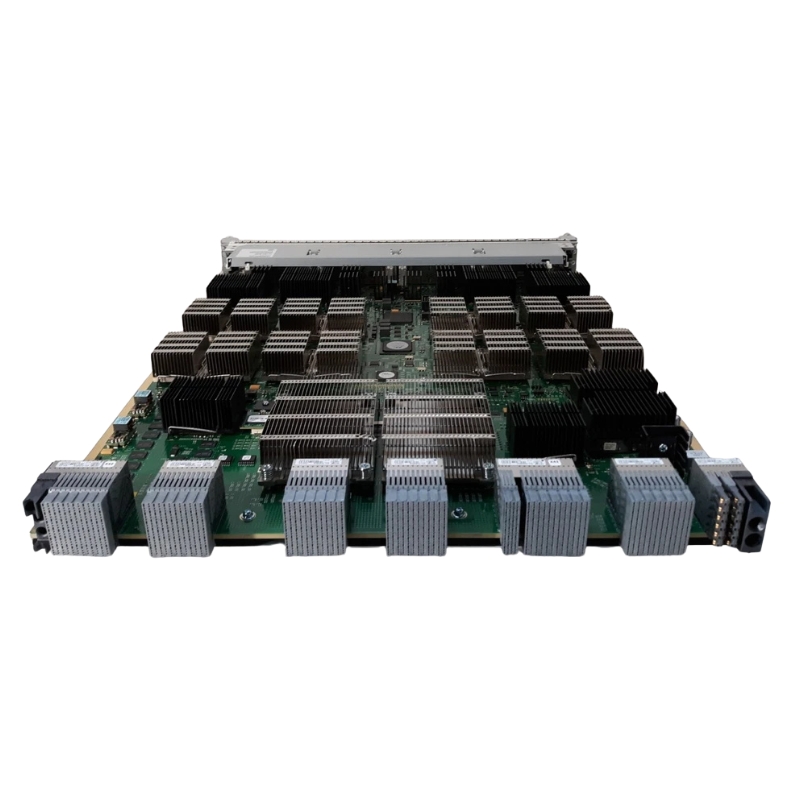
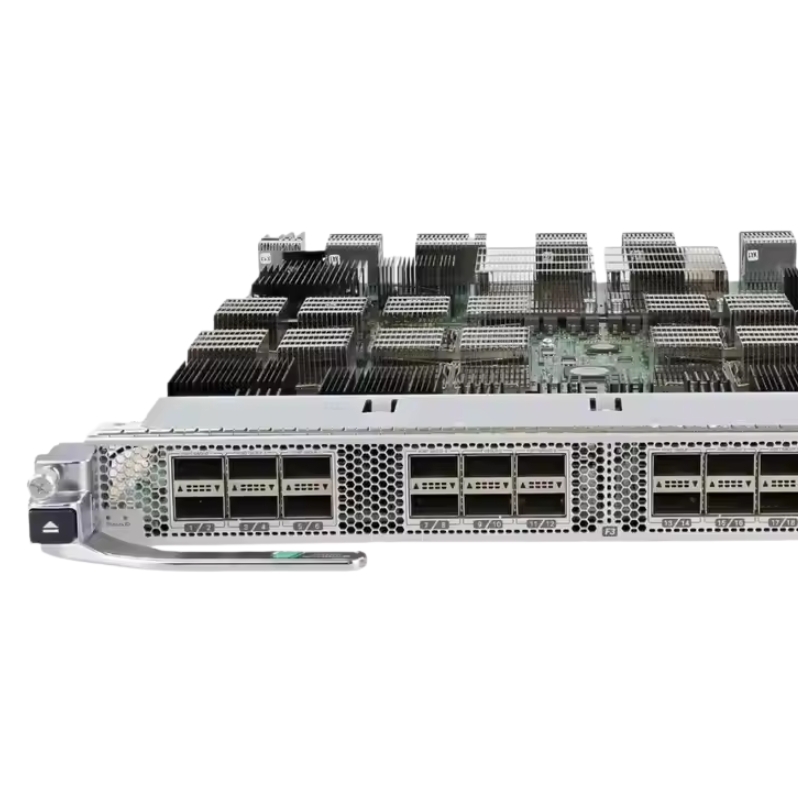
Cisco N77-F324FQ-25 Nexus 24-Ports Expansion Module. Excellent Refurbished with 1 year replacement warranty
| SKU/MPN | Warranty | Price | Condition | You save |
|---|---|---|---|---|
| N77-F324FQ-25 | 1 Year Warranty | $6,850.00 | Factory-Sealed New in Original Box (FSB) | You save: $2,397.50 (26%) |
| N77-F324FQ-25 | 1 Year Warranty | $150.00 | Excellent Refurbished | You save: $52.50 (26%) |
The N77-F324FQ-25 Cisco Nexus 24-Port Expansion Module is a high-performance networking component designed for scalable, high-density data center environments that require substantial bandwidth, dependable connectivity, and flexible infrastructure expansion. Built for compatible Cisco Nexus modular switching platforms, this expansion module enables organizations to increase network interface capacity while maintaining the performance characteristics expected from enterprise, cloud, service provider, and large-scale computing environments. Its 24-port architecture provides a practical foundation for connecting servers, storage systems, aggregation infrastructure, and other high-speed network resources within demanding data center deployments.
Modern data centers depend on modular switching systems that can adapt to changing bandwidth requirements without forcing organizations to replace an entire chassis. The N77-F324FQ-25 Cisco Nexus 24-Port Expansion Module supports this modular approach by adding a substantial number of high-speed interfaces to a compatible Nexus switching environment. This capability helps network architects expand port density, accommodate infrastructure growth, and create more efficient connectivity designs while continuing to use an established modular switching platform.
As applications become more data intensive and virtualization increases the amount of east-west traffic moving between systems, network infrastructure must provide consistent throughput and sufficient interface capacity. The Cisco N77-F324FQ-25 expansion module is positioned for environments where network scalability, predictable performance, and operational flexibility are important. Its modular form factor allows administrators to build switching capacity according to current requirements and expand the infrastructure as workloads, users, servers, and connected services increase.
A central characteristic of the N77-F324FQ-25 Cisco Nexus Expansion Module is its 24-port configuration. High port density is particularly valuable in data centers where rack space, chassis capacity, and infrastructure efficiency must be carefully managed. By providing multiple interfaces through a single expansion module, the unit helps organizations consolidate connectivity and make more effective use of compatible modular switch resources.
The 24-port design can support a broad range of network architectures. Depending on the configuration of the compatible Cisco Nexus platform and the requirements of the deployment, these interfaces may be incorporated into server access, aggregation, inter-switch connectivity, storage networking, or other high-bandwidth data center applications. This flexibility makes the N77-F324FQ-25 suitable for organizations that need to balance immediate connectivity requirements with future expansion plans.
High-density modules can also simplify physical network planning. Instead of distributing connectivity across a larger number of standalone switches, organizations can centralize substantial interface capacity within a modular chassis. This approach can reduce equipment sprawl, simplify structured cabling strategies, and provide a more organized foundation for network growth. For facilities with limited rack space or rapidly increasing connectivity requirements, the N77-F324FQ-25 offers a valuable expansion path.
The N77-F324FQ-25 is designed as part of the broader Cisco Nexus modular networking ecosystem. Cisco Nexus switching platforms are widely associated with data center infrastructure, where high throughput, scalability, availability, and flexible deployment options are essential. A compatible expansion module allows organizations to extend the capabilities of an existing modular switch by adding interfaces according to workload and topology requirements.
Modular network architecture provides several advantages over fixed-port designs. A fixed switch has a predetermined interface capacity, whereas a modular chassis can generally be configured with appropriate expansion components to address specific connectivity requirements. The N77-F324FQ-25 contributes to this flexibility by providing a dedicated 24-port expansion option for supported environments.
This modular approach can be particularly useful when data center requirements evolve over time. An organization may initially deploy a chassis with enough connectivity for current servers and applications, then add expansion capacity when new racks, virtualization hosts, storage systems, or network services are introduced. Rather than redesigning the entire switching environment, administrators can expand a compatible platform through appropriate modules.
Scalability is a fundamental consideration in contemporary network architecture. Data center environments rarely remain static, and increasing application demand can rapidly create requirements for additional ports and greater aggregate bandwidth. The Cisco N77-F324FQ-25 24-Port Expansion Module provides a scalable method of extending compatible network infrastructure while preserving a modular architecture.
Organizations operating private clouds, virtualized computing clusters, large enterprise applications, analytics platforms, and high-volume storage systems may experience continuous growth in network traffic. Additional servers create new connection requirements, while distributed applications increase communication between systems. A high-density expansion module can help address these demands by making additional network interfaces available within an established switching platform.
The ability to scale through modular expansion may also improve long-term infrastructure planning. Network administrators can design a chassis-based architecture with future capacity in mind and deploy expansion modules as business requirements develop. This can provide greater flexibility than purchasing excessive fixed capacity at the beginning of a project or replacing switches whenever interface requirements increase.
The N77-F324FQ-25 Cisco Nexus 24-Port Expansion Module is intended for network environments where performance is a major operational priority. Data center applications frequently generate substantial traffic between compute nodes, storage platforms, databases, application tiers, and external network resources. A properly designed switching infrastructure must be capable of handling these traffic patterns efficiently while supporting the required number of connected devices.
High-performance expansion capacity can be especially important for east-west traffic. Traditional enterprise networks often focused heavily on north-south communication between internal systems and external destinations. Modern data centers, however, frequently process significant volumes of traffic between servers located within the same facility or cloud environment. Virtual machines, containers, distributed databases, and clustered applications may communicate continuously across the network.
By adding 24 interfaces to a compatible Cisco Nexus platform, the N77-F324FQ-25 can contribute to a network design capable of supporting these intensive communication patterns. The module can be incorporated into architectures that prioritize interface density, efficient traffic distribution, and scalable switching capacity.
High-bandwidth applications require network infrastructure that can accommodate large volumes of data without creating unnecessary bottlenecks. The N77-F324FQ-25 can be used in environments supporting virtualization, cloud computing, enterprise databases, large-scale storage, content delivery, analytics, and other bandwidth-intensive workloads.
Virtualized data centers can place particularly demanding requirements on physical network infrastructure. A single physical server may host numerous virtual machines or application instances, concentrating traffic onto fewer physical network connections. As server density increases, switching systems must provide sufficient connectivity and bandwidth to accommodate aggregated workload demands.
Storage environments may also benefit from high-performance modular connectivity. Data transfers between application servers and storage resources can generate sustained traffic, especially during backup operations, replication, data migration, and large database transactions. A scalable expansion module helps network architects create connectivity arrangements that align with these demanding operational requirements.
The N77-F324FQ-25 Cisco Nexus Expansion Module can support a variety of deployment models depending on the compatible chassis, network architecture, and organizational requirements. It may be incorporated into enterprise data centers, cloud facilities, telecommunications infrastructure, research environments, managed hosting platforms, and other installations that rely on modular switching technology.
This deployment flexibility allows network designers to use the module as part of broader infrastructure strategies. Whether the objective is to increase access-layer connectivity, strengthen aggregation capacity, or accommodate additional high-speed devices, modular expansion can provide an efficient route to greater network scale.
Enterprise networking requirements extend beyond raw interface counts. Organizations need infrastructure that can support operational continuity, manageable growth, and efficient use of existing technology investments. The N77-F324FQ-25 Cisco Nexus 24-Port Expansion Module addresses these requirements by providing an expansion option within a modular switching framework.
Large organizations often operate complex environments containing thousands of physical and virtual endpoints. These networks must support business applications, internal services, storage platforms, security systems, collaboration tools, and numerous other resources. As infrastructure expands, the ability to add network capacity without redesigning the complete architecture becomes increasingly valuable.
A modular expansion strategy can also support phased infrastructure projects. Rather than deploying maximum capacity immediately, organizations can install the resources needed for current operations and add further modules when growth requires them. This approach can improve hardware utilization and provide greater control over capital expenditure planning.
Data center space is a valuable resource, and efficient hardware density can influence both operational cost and infrastructure design. The 24-port configuration of the N77-F324FQ-25 helps increase network connectivity within the footprint of a compatible modular chassis. This can be advantageous in facilities where rack availability is limited or where organizations want to consolidate switching resources.
Higher port density can reduce the need to deploy numerous separate network devices simply to obtain additional interfaces. Consolidating connectivity within a modular switching platform may help simplify rack layouts, power planning, cabling arrangements, and equipment management. It can also create a cleaner infrastructure model in environments where network scale is expected to increase.
Efficient chassis utilization is especially relevant for large data centers with many racks and interconnected systems. When network designers can add substantial port capacity through a single expansion module, they gain more flexibility in planning connections between computing, storage, and networking equipment.
One of the primary advantages of modular switching is the ability to increase capabilities without replacing the entire network platform. The N77-F324FQ-25 is designed to provide additional connectivity within a supported Cisco Nexus chassis, allowing organizations to expand network capacity while continuing to use their existing compatible infrastructure.
Replacing a complete switching platform can involve significant operational complexity. It may require new hardware procurement, cabling changes, configuration migration, testing, maintenance windows, and potential service disruption. Modular expansion can offer a more focused alternative when the primary requirement is additional interface capacity.
By installing an appropriate expansion module, organizations can extend the useful capacity of a compatible chassis and adapt it to changing requirements. This can help preserve infrastructure investments and provide a more gradual path toward larger network deployments.
The availability of 24 ports on a single expansion module enables organizations to consolidate multiple network connections into a manageable modular configuration. This is useful for environments with large numbers of servers or devices that must be connected to a central switching platform.
Connectivity consolidation can simplify infrastructure planning by reducing fragmentation across numerous independent devices. Administrators can organize network resources around a modular chassis and expand interface capacity as necessary. This architecture can also help establish consistent operational procedures for equipment management, troubleshooting, and future upgrades.
Network expansion is most effective when it follows a structured architecture. Adding standalone switches whenever additional ports are required can eventually create a fragmented environment with increased management complexity. The N77-F324FQ-25 provides a modular alternative that allows connectivity growth to remain integrated with a compatible Cisco Nexus platform.
This structured approach is beneficial for organizations planning multi-stage data center development. New computing resources can be added over time, while the switching platform grows through appropriate modular expansion. The result can be a more consistent network architecture with clearly defined capacity and upgrade paths.
Virtualization and cloud computing have transformed data center traffic patterns. Modern workloads may move between physical hosts, access distributed storage, communicate with microservices, and scale dynamically according to demand. These activities create substantial network requirements that must be addressed through scalable switching infrastructure.
The N77-F324FQ-25 Cisco Nexus 24-Port Expansion Module can contribute to the connectivity foundation required for these environments. By increasing available interface capacity within a compatible modular platform, the module helps support additional compute hosts, network appliances, storage resources, and interconnected infrastructure.
Virtualized servers can host numerous workloads on a single physical system, increasing the importance of reliable network connectivity. Traffic from multiple virtual machines may share physical interfaces, and application communication can generate considerable east-west data movement. High-density switching capacity allows network architects to connect more virtualization hosts while maintaining a scalable infrastructure model.
The N77-F324FQ-25 can be incorporated into environments where server consolidation has increased network traffic concentration. Additional port capacity provides flexibility when deploying new hosts, expanding clusters, or reorganizing network connections to meet changing application requirements.
Cloud environments are designed around scalability, making modular network infrastructure particularly relevant. As compute and storage resources grow, the underlying network must expand accordingly. The N77-F324FQ-25 offers an approach to increasing connectivity within supported Cisco Nexus switching systems.
Private cloud deployments can use modular expansion to align physical network capacity with changing workload demand. Service providers and hosting organizations may also benefit from the ability to increase connectivity as customer infrastructure expands. The 24-port design supports higher device density and can help accommodate the continuous growth commonly associated with cloud-based services.
Data center networks often rely on multiple architectural layers to connect access systems, aggregation infrastructure, and core resources. The exact topology varies according to organizational requirements, but high-density modular interfaces can play an important role in creating efficient interconnections between network components.
The N77-F324FQ-25 Cisco Nexus 24-Port Expansion Module provides interface capacity that can be integrated into suitable data center network designs. Network architects may use modular expansion to increase the number of available connections between switches, server groups, storage systems, or other infrastructure components.
As traffic volumes increase, aggregation infrastructure must be able to accommodate communication from numerous connected devices. A high-density expansion module helps provide the physical connectivity needed to build scalable aggregation architectures. This can be particularly useful in environments with large server populations or multiple network segments.
East-west traffic has become a defining characteristic of modern data centers. Distributed applications frequently communicate across multiple servers, and virtualized workloads may exchange data continuously. Traditional network designs that primarily emphasized traffic entering or leaving the data center may not provide the optimal architecture for these communication patterns.
By expanding the number of available high-speed interfaces within a compatible Cisco Nexus platform, the N77-F324FQ-25 can support network designs intended to handle greater volumes of internal data center traffic. Additional connectivity provides architects with more options for distributing network resources and reducing potential points of congestion.
Storage infrastructure is another area where network capacity can become critical. Enterprise storage systems, backup platforms, replication services, and data protection solutions may transfer large quantities of information across the network. These workloads can create sustained bandwidth demand and require carefully planned connectivity.
The N77-F324FQ-25 can provide additional interfaces for environments that need to connect storage-related resources through a compatible Nexus switching platform. A modular approach allows organizations to expand connectivity as storage capacity and data movement requirements increase.
Modular network components provide more than additional ports. They can also support a more flexible operational model by allowing infrastructure teams to adapt hardware configurations according to changing business and technical requirements. The N77-F324FQ-25 contributes to this model by providing 24-port expansion capacity within an appropriate Cisco Nexus environment.
Capacity planning can be difficult because future infrastructure demand is not always predictable. Business growth, application launches, acquisitions, virtualization projects, and cloud initiatives can rapidly increase network requirements. A modular switching platform provides an opportunity to reserve expansion capability and add resources when they are actually needed.
The N77-F324FQ-25 can support this strategy by providing a defined block of additional interface capacity. Organizations can evaluate existing port utilization, anticipated growth, and application requirements before expanding the chassis. This enables more deliberate infrastructure planning than continuously adding unrelated standalone equipment.
Standardization is important for large IT environments. Using a consistent switching architecture can simplify operational procedures, staff training, documentation, spare equipment planning, and troubleshooting. Expansion modules designed for an established platform allow organizations to increase capacity while remaining within a familiar infrastructure ecosystem.
The Cisco N77-F324FQ-25 can therefore be valuable for organizations already operating compatible Cisco Nexus modular switching systems. Rather than introducing a different platform solely to obtain more ports, administrators may be able to expand the existing environment with an appropriate module.
Modular hardware can improve long-term utilization by allowing chassis resources to evolve with demand. An organization does not necessarily need to deploy every possible interface at the initial installation stage. Instead, expansion modules can be introduced according to growth requirements and available chassis capacity.
This approach may help organizations balance performance objectives with infrastructure budgets. It can also extend the practical usefulness of a modular switching investment by providing additional capacity when required.
Before deploying the N77-F324FQ-25 Cisco Nexus 24-Port Expansion Module, organizations should verify compatibility with the intended Cisco Nexus chassis, system configuration, software environment, and overall network design. Modular networking components are engineered for specific platform families and operational requirements, making compatibility verification an essential part of procurement and installation planning.
Administrators should evaluate existing chassis capacity, available module slots, power requirements, cooling considerations, software support, and interface requirements. The surrounding infrastructure should also be assessed to ensure that connected devices, cabling, and transceiver components are appropriate for the planned deployment.
High-performance networking equipment operates within carefully designed power and thermal environments. When adding an expansion module, data center teams should consider the effect on chassis power consumption, cooling demand, and airflow configuration. Maintaining appropriate environmental conditions is important for stable long-term operation.
Data center airflow strategies vary according to rack layout and equipment design. Administrators should ensure that the complete chassis configuration aligns with facility cooling practices and manufacturer-supported deployment requirements. Proper planning can help maintain predictable equipment operation as network density increases.
The N77-F324FQ-25 can address a wide range of infrastructure requirements where additional network connectivity is needed within a compatible modular platform. Its 24-port configuration makes it relevant to both expansion projects and replacement hardware requirements.
Enterprises frequently add servers, storage arrays, security appliances, and application infrastructure as business requirements evolve. The N77-F324FQ-25 can provide additional interface capacity for organizations expanding a compatible Cisco Nexus environment. This allows new equipment to be integrated into the network without necessarily introducing an entirely separate switching platform.
Hosting providers and cloud infrastructure operators often need to scale hardware capacity in response to customer growth. Additional compute nodes and service infrastructure create corresponding network requirements. A 24-port expansion module can provide a practical increase in connectivity while supporting a modular growth strategy.
High-performance computing environments depend on substantial communication between compute nodes, storage systems, and supporting infrastructure. Although the exact network requirements vary according to workload, high-density connectivity is often a key consideration. The N77-F324FQ-25 can contribute additional interface capacity within an appropriate Cisco Nexus deployment.
Organizations modernizing data center infrastructure may choose to expand existing modular platforms as part of a phased upgrade strategy. Adding suitable expansion modules can provide additional connectivity while broader network improvements are implemented over time.
The N77-F324FQ-25 may also be required as replacement hardware for an existing compatible deployment. Maintaining appropriate spare components can help organizations prepare for hardware servicing requirements and reduce delays when replacement equipment is needed. Accurate part-number identification is particularly important when sourcing components for established enterprise networks.
Network administrators are responsible for balancing performance, scalability, availability, and manageability. The N77-F324FQ-25 Cisco Nexus 24-Port Expansion Module provides a hardware expansion option that can support these objectives within a compatible environment.
Additional port capacity can reduce immediate connectivity constraints and provide more flexibility when allocating interfaces to servers and network resources. Modular deployment can also simplify long-term infrastructure planning because capacity can be expanded within an established chassis-based architecture.
Adaptability is essential because network requirements can change rapidly. New applications may require additional bandwidth, virtualization projects may increase traffic concentration, and organizational growth may create demand for more physical connections. The N77-F324FQ-25 provides an expansion mechanism that can help compatible Cisco Nexus infrastructure adapt to these changes.
A modular architecture also gives network teams more options when designing future upgrades. Rather than treating each capacity increase as an independent project, administrators can incorporate expansion into a broader chassis-based strategy. This can create a more predictable path for infrastructure development.
High-density data centers require careful coordination of computing, storage, networking, power, cooling, and physical space. The N77-F324FQ-25 Cisco Nexus 24-Port Expansion Module addresses the networking component of this challenge by providing substantial interface capacity within a modular format.
For organizations operating dense server racks or consolidated infrastructure, increasing the number of available network ports without adding excessive standalone hardware can be valuable. A 24-port module enables additional connections while taking advantage of an existing compatible chassis environment.
This density can also support more organized cabling and equipment planning. When connectivity is centralized within modular switching infrastructure, administrators can establish structured connection patterns and maintain clearer documentation of network resources.
Future-ready network planning requires sufficient flexibility to accommodate technologies and workloads that may not yet be deployed. While exact requirements can be difficult to predict, modular infrastructure provides a method of increasing capacity as needs emerge. The N77-F324FQ-25 can form part of such a strategy by adding a substantial block of network interfaces when expansion becomes necessary.
Organizations can use this flexibility to support new server generations, increased virtualization density, larger storage systems, expanded cloud services, and additional network appliances. The ability to grow within a compatible modular platform can reduce the need for disruptive infrastructure changes solely because existing port capacity has been exhausted.
When sourcing an N77-F324FQ-25 Cisco Nexus 24-Port Expansion Module, buyers should carefully verify the exact part number, hardware condition, compatibility, included components, and supplier information. Enterprise networking hardware can have configuration-specific requirements, so accurate product identification is essential.
Organizations purchasing hardware for an existing environment should compare the module designation with current equipment records and supported chassis information. Procurement teams may also need to consider whether the module is intended for immediate deployment, inventory stocking, system expansion, or replacement purposes.
A 24-port expansion architecture offers a practical balance between connectivity density and modular flexibility. It provides a meaningful increase in available interfaces while allowing organizations to retain control over how a compatible chassis is populated. The N77-F324FQ-25 is therefore relevant to network designs that prioritize scalable capacity rather than fixed, inflexible configurations.
For data centers experiencing steady growth, adding 24 ports can provide sufficient capacity for a new group of servers, infrastructure devices, or network connections. The module can also support broader consolidation strategies where organizations want to centralize connectivity within fewer modular systems.
Modular expansion is particularly valuable when infrastructure requirements develop incrementally. Organizations can align hardware deployment with actual operational demand instead of committing to a completely new switching platform whenever additional connectivity is needed. This approach can improve planning flexibility and help maintain architectural consistency across the data center.
The combination of scalability and density is central to the value of the N77-F324FQ-25 Cisco Nexus 24-Port Expansion Module. High-density connectivity helps maximize the usefulness of available chassis and rack resources, while modular scalability allows the network to grow according to changing requirements.
Infrastructure efficiency also involves reducing unnecessary complexity. A well-planned modular switching environment can provide a clearer expansion path than a collection of unrelated fixed switches added over time. By increasing interface capacity within a compatible platform, the N77-F324FQ-25 can support a more cohesive network architecture.
The N77-F324FQ-25 Cisco Nexus 24-Port Expansion Module is suited to demanding networking environments where connectivity requirements extend beyond basic office networking. Data centers, cloud platforms, service providers, and large enterprises need hardware that can fit into scalable architectures and support substantial numbers of connected systems.
Its 24-port configuration provides additional capacity for network growth, while the modular design enables integration into an appropriate Cisco Nexus switching environment. This combination makes the module relevant for organizations seeking to increase network density, accommodate additional infrastructure, and maintain a structured approach to expansion.
From virtualized server farms and cloud infrastructure to storage networks and enterprise application environments, the N77-F324FQ-25 can serve as an important component of a broader data center connectivity strategy. Careful compatibility verification, deployment planning, and infrastructure design can help organizations make effective use of its expansion capabilities while supporting current and future networking requirements.


 Contact Us
 Information
 Catalog
 Solid State Drives (SSD)
 Network Switches
 Hard Disk Drives
 HBA & Controllers
 PC & Servers
 PC & Server Memory
 CPU & Processors
 Network Routers
 Power Supplies
 Tape Drives & Libraries
 Network Devices
 Computer & Network Cables