(7% discount is applied at checkout)
Cart is empty
Your go-to destination for cutting-edge server products
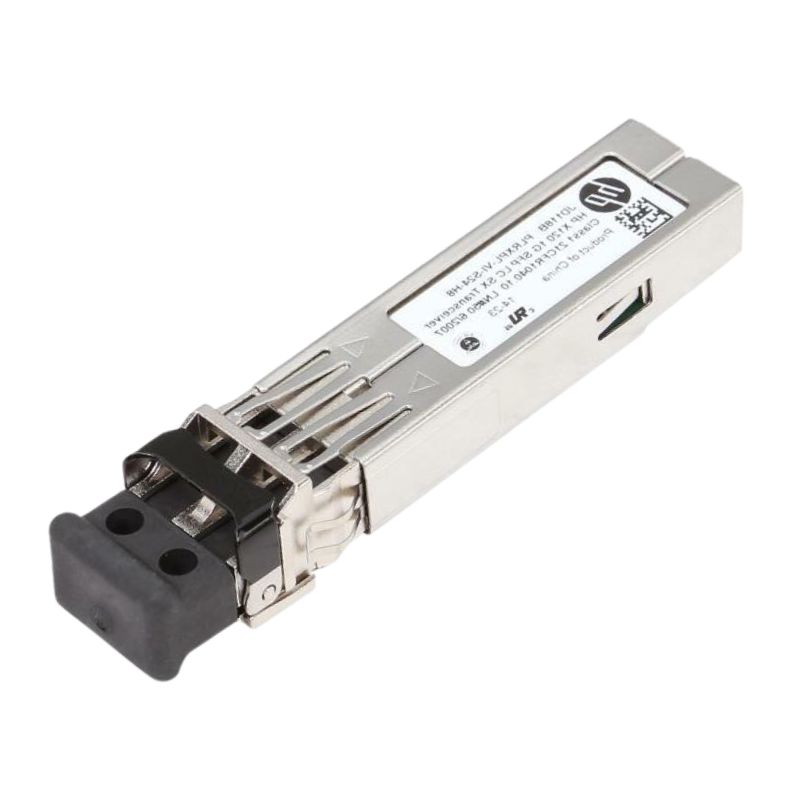


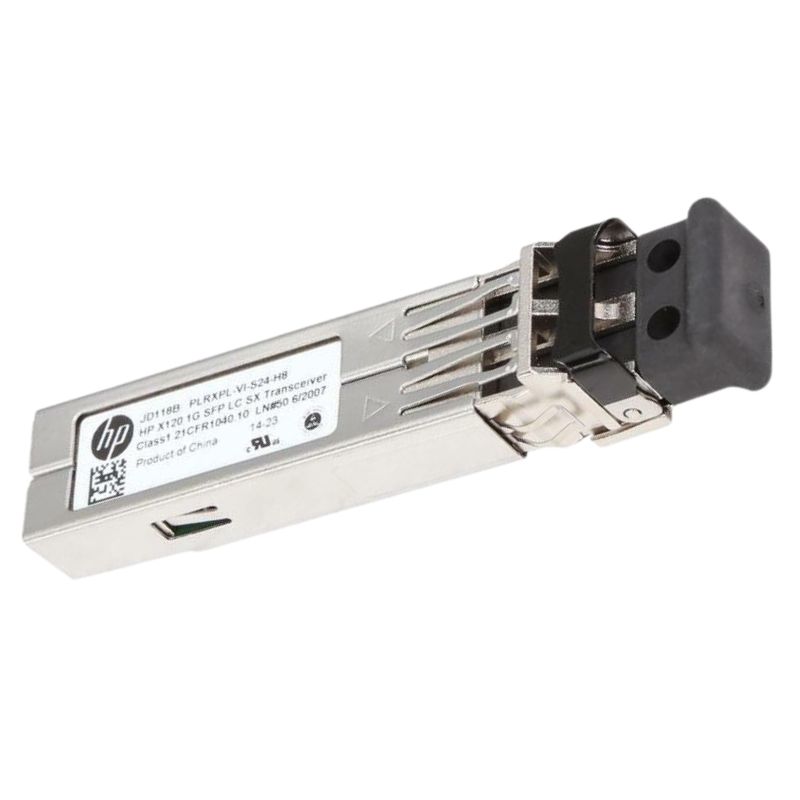
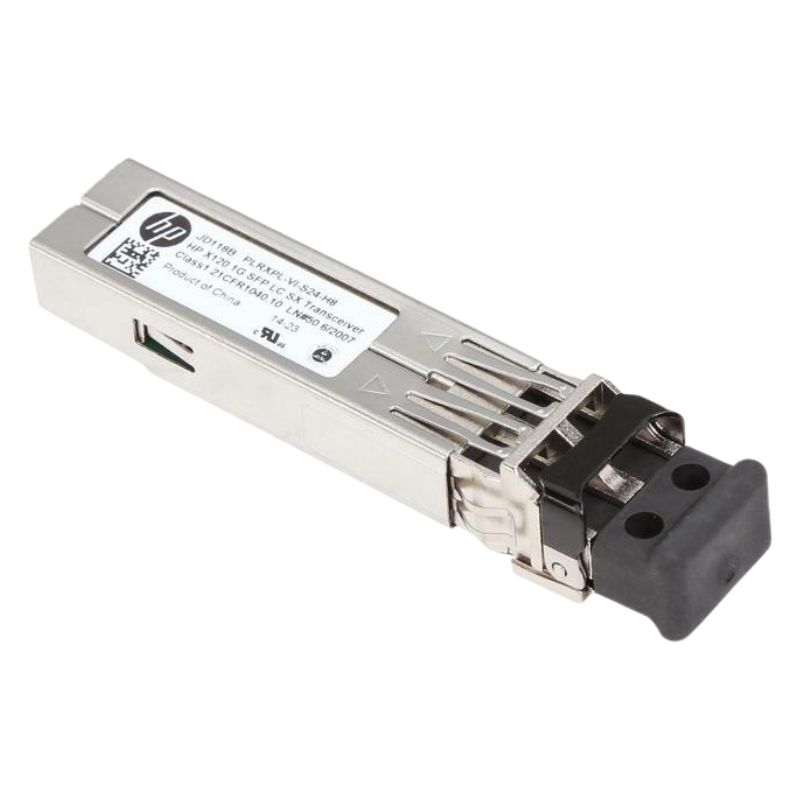
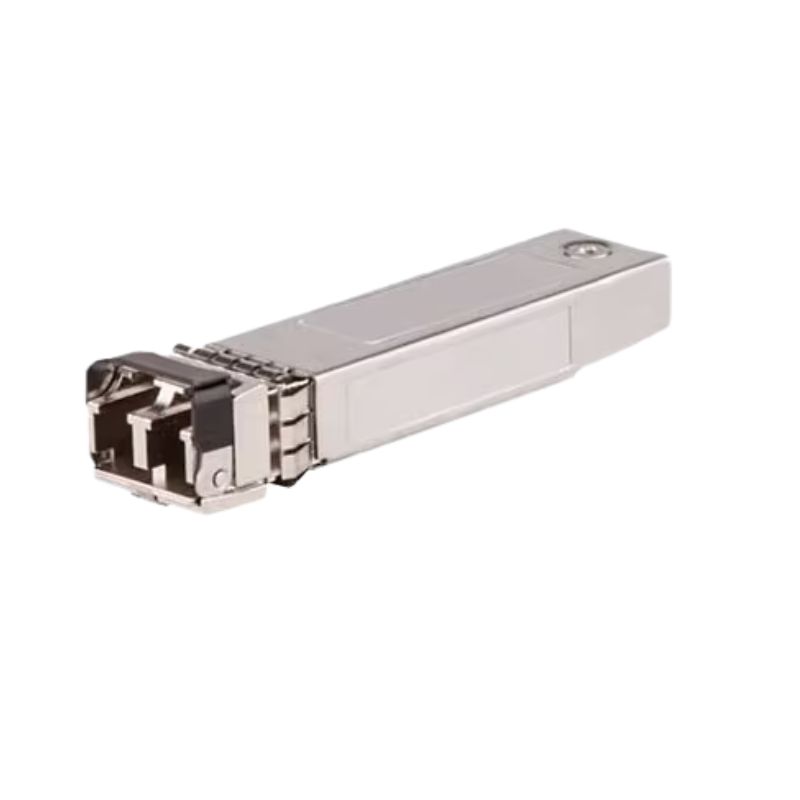
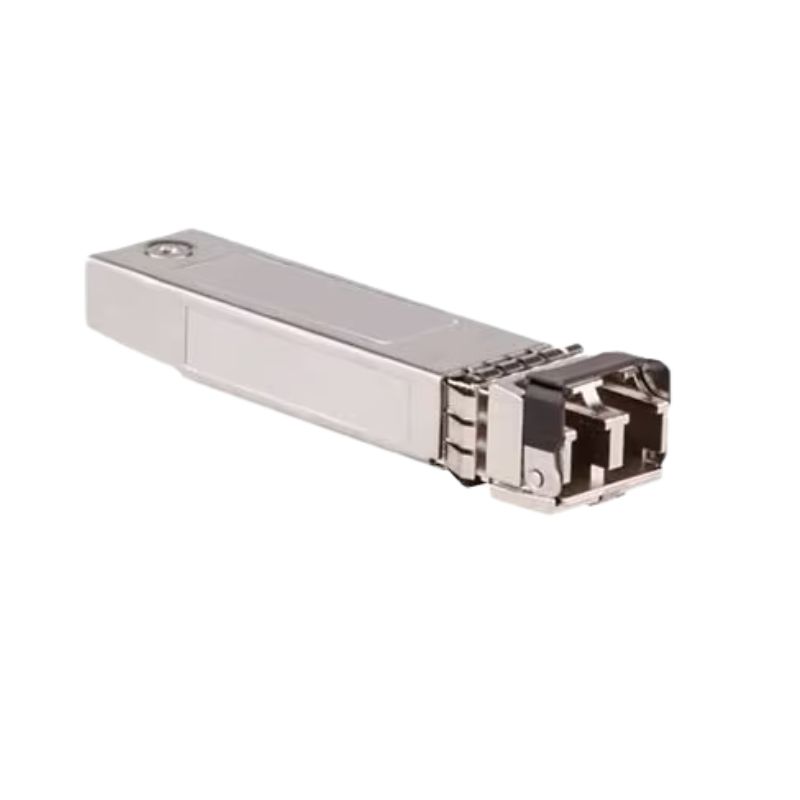
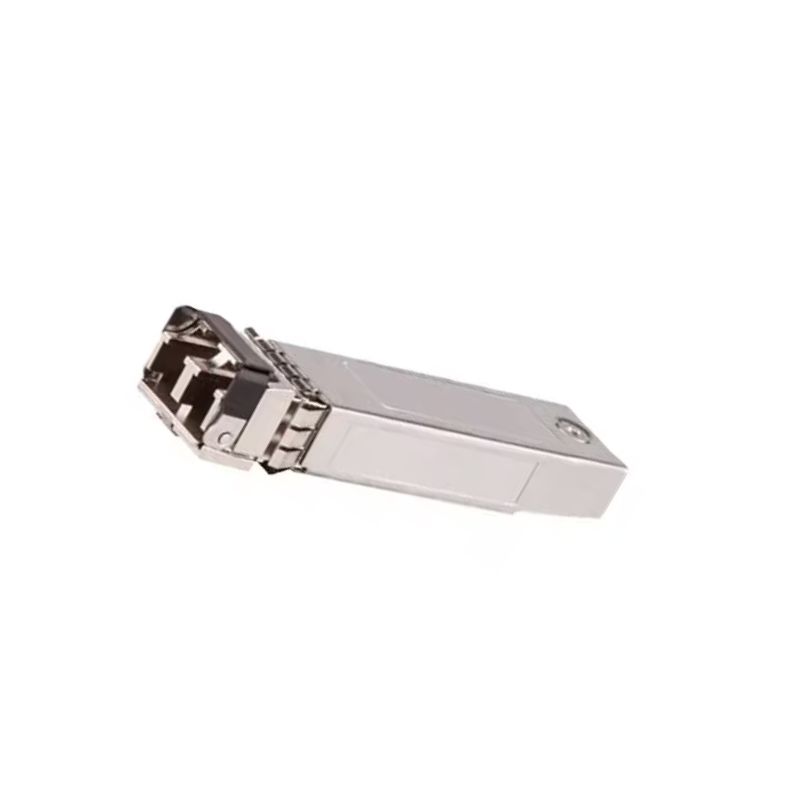
HPE JL240A SFP (mini-GBIC) LC Transceiver Module Plug-in Module. New Sealed with 1 year replacement warranty
The HPE JL240A SFP (mini‑GBIC) LC Transceiver Module is a compact plug‑in optical solution designed to deliver dependable gigabit‑speed connectivity across fiber‑based network infrastructures. Engineered for high‑performance data transmission, this module supports 1000Base‑SX cabling and ensures stable, low‑latency communication for enterprise switches, aggregation points, and high‑bandwidth applications requiring reliable wired networking.
The SFP LC transceiver module ecosystem represents a foundational component in modern optical networking infrastructures, enabling high-speed data transmission across fiber optic cabling with compact, modular hardware design. The HPE JL240A SFP LC transceiver module plug-in device is engineered to serve as a hot-swappable interface between network switches, routers, and fiber optic media, delivering efficient optical signal conversion with high reliability and stability. This category of transceiver modules is widely adopted in enterprise switching environments, campus networks, metropolitan fiber links, and data center interconnect systems where scalability and consistent throughput are essential for continuous operations.
At its core, the SFP form factor is designed to support modular networking expansion, allowing administrators to adapt infrastructure without replacing entire switching systems. The LC connector interface, commonly utilized in fiber optic communications, ensures low-loss coupling and secure physical alignment between fiber strands and transceiver optics. This combination of compact hardware design and optical precision supports both short-range and long-range communication depending on the fiber type and optical wavelength employed within the network environment.
The HPE JL240A module is developed to integrate seamlessly into compatible HPE networking equipment, supporting high-speed optical transmission in enterprise-grade environments. Its plug-in architecture allows administrators to install or replace the module without interrupting overall system operation, contributing to minimal downtime and enhanced operational continuity. The module is built with precision optical alignment components that ensure accurate signal transmission and reception between connected fiber optic links.
Internally, the transceiver incorporates photonic components responsible for converting electrical signals into optical pulses and vice versa. These components are designed for stability under continuous load conditions, ensuring that signal degradation is minimized even over extended transmission distances. The mechanical housing of the module provides electromagnetic shielding, protecting sensitive optical elements from external interference that may arise in dense rack environments or industrial networking locations.
Fiber optic communication relies on the transmission of light through thin strands of glass or plastic fiber, allowing data to be carried over long distances with minimal attenuation. The HPE JL240A SFP module leverages these principles by using laser or LED-based light sources depending on the operational specification. The LC connector interface ensures precise alignment of the fiber cores, which is essential for maintaining signal integrity and reducing insertion loss.
Light propagation within fiber optic cables occurs through total internal reflection, enabling signals to travel efficiently without electrical resistance issues common in copper-based networks. This characteristic makes SFP LC transceivers ideal for environments where electromagnetic interference would otherwise degrade performance. The optical path within the module is carefully engineered to maintain consistent modulation of light signals, ensuring that data integrity is preserved throughout transmission cycles.
The deployment of HPE JL240A SFP LC transceiver modules spans a wide range of enterprise networking environments, including data centers, campus networks, storage area networks, and high-performance computing clusters. In these environments, consistent bandwidth and low latency are critical requirements, and optical transceivers provide the necessary infrastructure to meet these demands.
In data center architectures, these modules facilitate inter-switch connectivity, enabling high-speed data aggregation and distribution across server racks. In campus environments, they support backbone connectivity between buildings, ensuring stable communication across geographically distributed network segments. In storage networks, they are used to maintain reliable data transfer rates between storage arrays and compute nodes, supporting mission-critical applications that require uninterrupted data access.
The HPE JL240A SFP LC transceiver module is designed for compatibility with a range of HPE networking switches and routing platforms that support SFP interfaces. Compatibility ensures that the module can operate within predefined optical and electrical parameters established by the host device, maintaining consistent communication standards across network layers.
Proper compatibility ensures that optical wavelength, transmission distance, and data rate specifications align between the transceiver module and the connected network infrastructure. This alignment is essential for avoiding signal mismatch conditions that could lead to packet loss or degraded performance. Network administrators typically evaluate compatibility based on switch model specifications, supported transceiver types, and intended fiber optic cable classifications.
Signal integrity is a critical factor in optical networking, and the HPE JL240A SFP LC module is engineered to maintain high performance under varying operational conditions. Optical transceivers must manage factors such as dispersion, attenuation, and reflection, all of which can influence the quality of transmitted data.
The module’s optical design incorporates calibrated emission and detection components that maintain consistent light intensity and reception sensitivity. This ensures that even in environments with long fiber runs or multiple connection points, the signal remains stable and free from excessive distortion. The use of LC connectors further enhances this stability by providing a secure physical interface that minimizes micro-reflections and alignment errors.
Scalability is a fundamental requirement in modern network design, and SFP-based transceivers such as the HPE JL240A support flexible infrastructure expansion without requiring complete system redesigns. By enabling modular upgrades, network operators can incrementally increase bandwidth capacity or extend network reach as organizational requirements evolve.
In large-scale deployments, multiple transceiver modules are often used in parallel to support aggregated bandwidth across core switching layers. This modular approach allows enterprises to balance performance, cost, and expansion flexibility while maintaining consistent network architecture standards. The ability to replace or upgrade individual modules also contributes to long-term sustainability of network infrastructure investments.
Reliability is a core requirement for enterprise-grade transceiver modules, and the HPE JL240A is designed with durability in mind. The module undergoes rigorous testing to ensure consistent performance under varying environmental and operational conditions. These tests evaluate factors such as vibration resistance, temperature tolerance, and long-term optical stability.
The robust construction of the module housing protects internal optical components from physical stress and environmental contamination. This ensures that performance remains stable even in demanding installations such as industrial network environments or high-density server racks where physical access is limited and operational continuity is critical.
Modern enterprise networks rely heavily on optimized signal distribution to support high-volume data traffic across multiple endpoints. The HPE JL240A SFP LC module contributes to this optimization by ensuring efficient conversion and transmission of optical signals with minimal latency.
Efficient signal distribution reduces bottlenecks within network architecture, allowing for smoother data flow between servers, switches, and storage systems. This is particularly important in environments that support virtualization, cloud computing, and real-time data analytics, where consistent network responsiveness is essential.
The evolution of optical networking continues to emphasize higher data rates, improved energy efficiency, and greater modular flexibility. SFP LC transceiver modules such as the HPE JL240A remain relevant within this evolving landscape due to their adaptability and widespread compatibility across enterprise hardware ecosystems.
As network demands increase, modular transceiver systems provide a foundation for scalable upgrades without requiring full infrastructure replacement. This approach supports long-term investment protection while enabling organizations to adopt emerging networking technologies at a controlled and efficient pace.


 Contact Us
 Information
 Catalog
 Solid State Drives (SSD)
 Network Switches
 Hard Disk Drives
 HBA & Controllers
 PC & Servers
 PC & Server Memory
 CPU & Processors
 Network Routers
 Power Supplies
 Tape Drives & Libraries
 Network Devices
 Computer & Network Cables