(7% discount is applied at checkout)
Cart is empty
Your go-to destination for cutting-edge server products
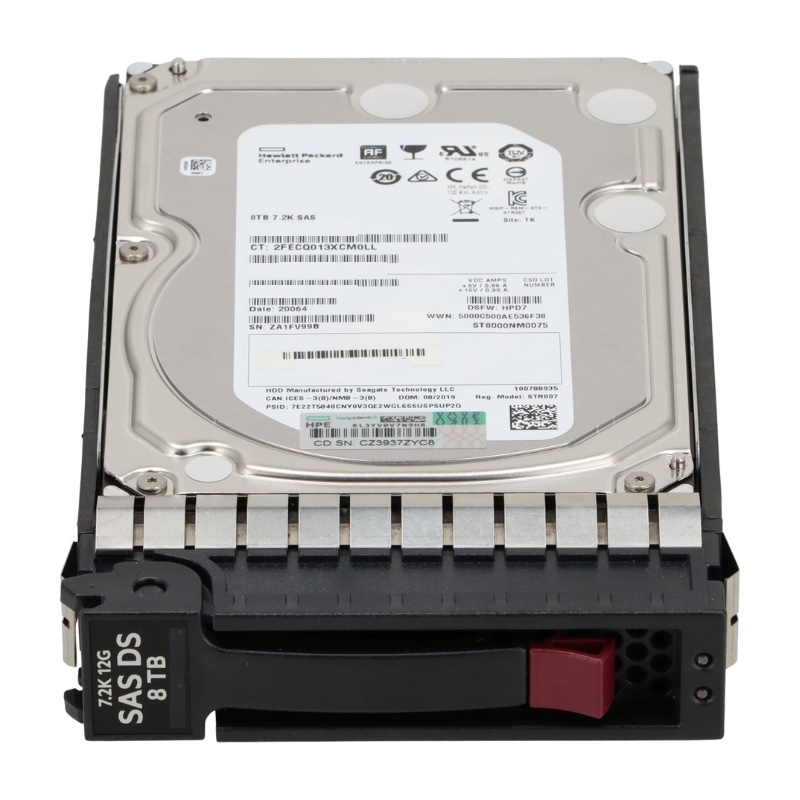


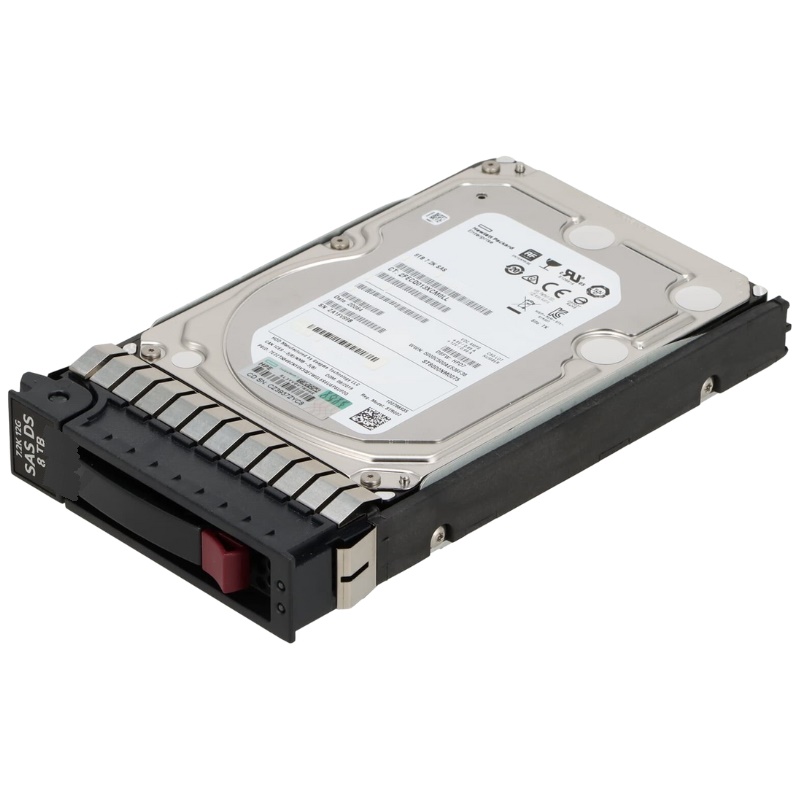
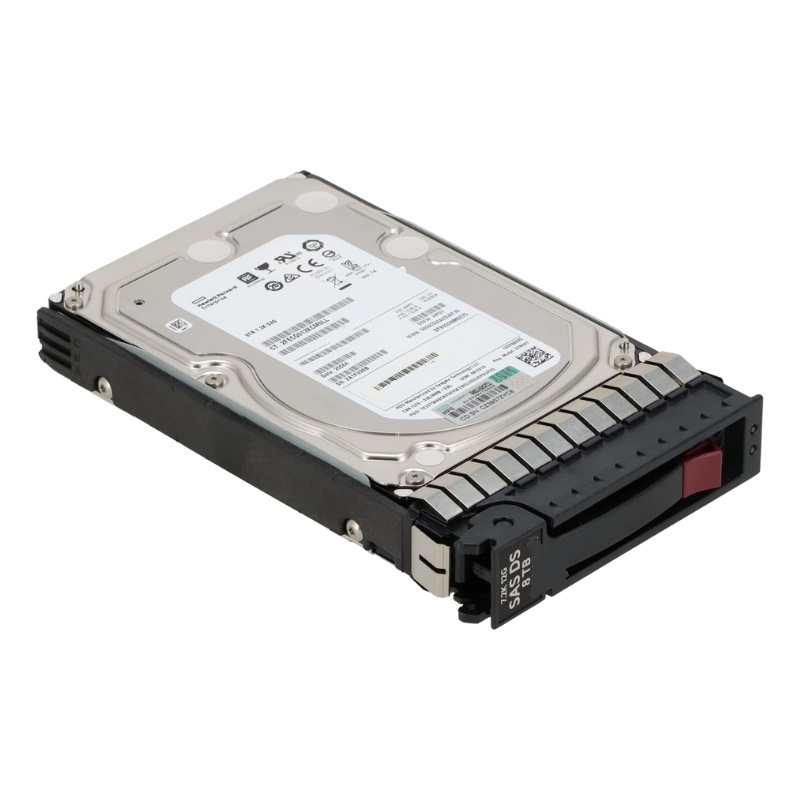
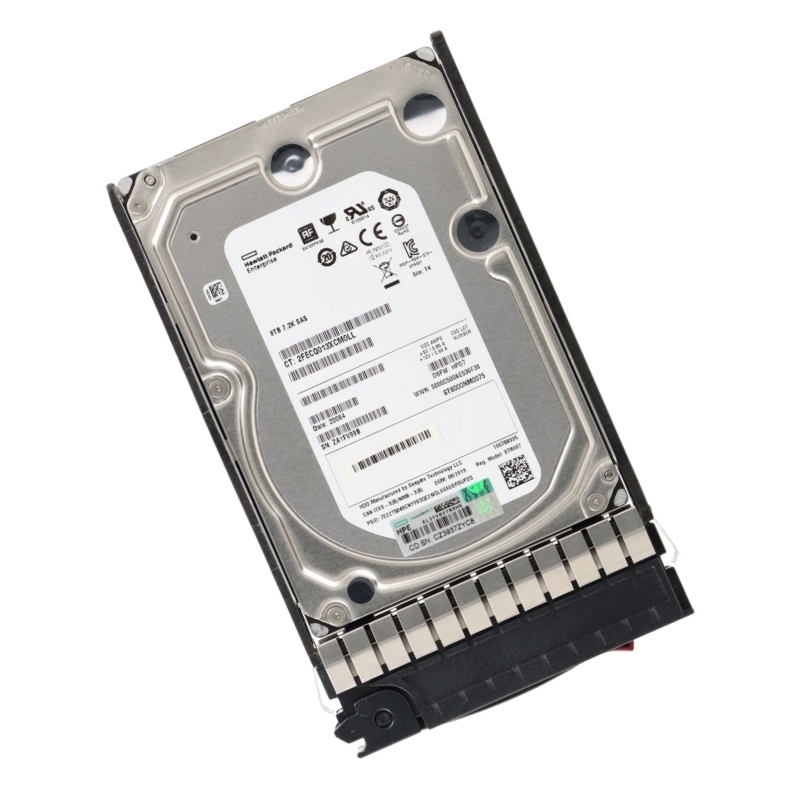
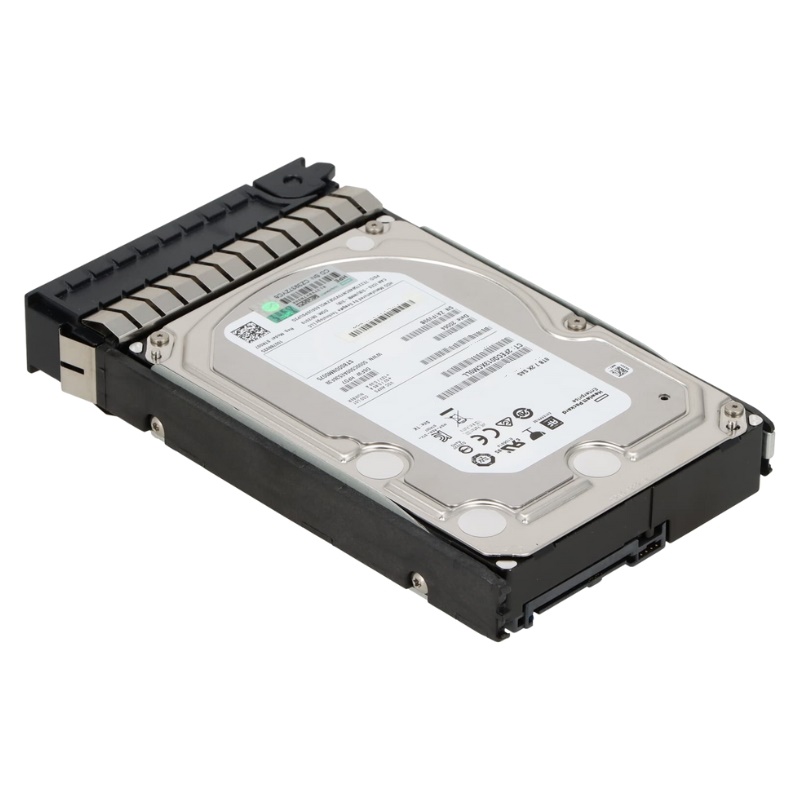
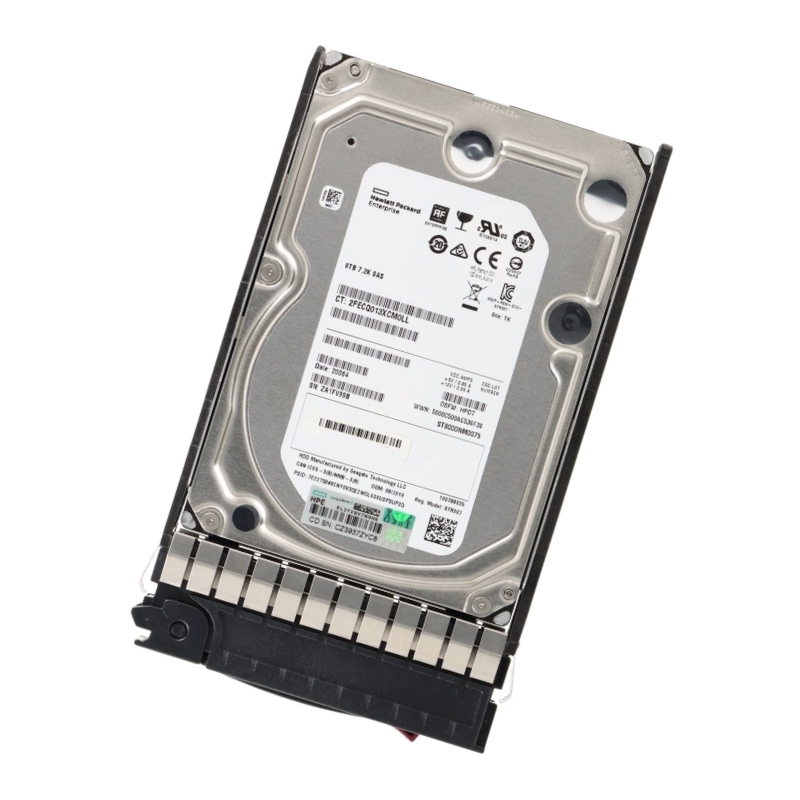
HPE MB008000JWRTD SAS 12GBPS LFF SC 8TB 7.2K RPM Hard Drive With Tray. Excellent Refurbished with 1-Year Replacement Warranty
| SKU/MPN | Warranty | Price | Condition | You save |
|---|---|---|---|---|
| MB008000JWRTD | 1 Year Warranty | $330.00 | Excellent Refurbished | You save: $115.50 (26%) |
| MB008000JWRTD | 1 Year Warranty | $594.00 | New Sealed in Box (NIB). | You save: $207.90 (26%) |
Engineered for enterprise storage environments, this 8TB HPE hard drive offers a reliable combination of capacity, efficiency, and consistent throughput. Built for midline applications, it is well-suited for handling large volumes of data, ensuring smooth performance across server and storage systems.
The HPE MB008000JWRTD SAS 12Gbps LFF SC 8TB 7.2K RPM Hard Drive with tray belongs to a specialized category of enterprise-grade storage devices designed to meet the evolving needs of modern data-driven organizations. Positioned within the midline SAS storage segment, this drive delivers a compelling balance between performance, reliability, and high-capacity storage. Businesses operating in environments where consistent throughput, fault tolerance, and scalability are essential will find this category particularly valuable.
Unlike standard desktop-class hard drives, enterprise SAS drives are engineered for continuous operation in demanding server and data center environments. The 12Gbps SAS interface significantly enhances data transfer speeds and reliability compared to SATA alternatives, making this category ideal for mission-critical applications. The large form factor design ensures compatibility with enterprise server bays while maximizing storage density.
Serial Attached SCSI technology has long been a cornerstone of enterprise storage infrastructure. Drives in this category leverage SAS architecture to provide dual-port connectivity, enhanced error handling, and superior command queuing capabilities. These features are essential for maintaining consistent performance in multi-user and high-transaction environments.
Compared to SATA drives, SAS hard drives offer improved reliability and scalability. This makes them a preferred choice for businesses that require robust storage solutions capable of handling intensive workloads without compromising data integrity or system stability.
With an 8TB storage capacity, this category of hard drives is designed to support organizations dealing with massive data volumes. Whether it is structured databases, unstructured media files, or archival data, these drives provide ample space to accommodate growing storage requirements. The ability to store large datasets on fewer drives simplifies infrastructure management and reduces hardware complexity.
High-capacity drives are particularly beneficial for industries such as media production, healthcare, finance, and cloud services, where data growth is continuous and often exponential. By consolidating storage resources, businesses can improve efficiency while maintaining easy access to critical information.
One of the primary advantages of this category is its ability to facilitate efficient data consolidation. Instead of managing numerous smaller drives, organizations can rely on fewer high-capacity units to achieve the same or greater storage output. This not only reduces physical space requirements but also minimizes power consumption and cooling demands.
The large form factor design further enhances storage density, allowing enterprises to maximize the use of available server space. This is especially important in data centers where optimizing rack space is a key consideration.
The 7.2K RPM rotational speed is a defining characteristic of midline enterprise drives. While not as fast as high-performance 10K or 15K RPM drives, this speed provides a balanced approach that prioritizes capacity and efficiency over extreme performance. This makes the category ideal for workloads that require consistent data access rather than ultra-low latency.
Applications such as backup storage, archival systems, and nearline data access benefit significantly from this balanced performance profile. The drive’s ability to deliver steady throughput ensures reliable operation even under sustained workloads.
Nearline storage refers to data that is not accessed frequently but must remain readily available when needed. Drives in this category are specifically optimized for such use cases, providing a cost-effective solution for storing large volumes of data without sacrificing accessibility.
This makes them an excellent choice for organizations implementing tiered storage strategies, where data is categorized based on access frequency and stored accordingly. By leveraging midline SAS drives, businesses can achieve an optimal balance between performance and cost.
The inclusion of a smart carrier tray enhances the usability and functionality of this hard drive category. Designed for seamless integration into compatible enterprise servers, the tray allows for quick installation and removal without the need for additional tools. This simplifies maintenance and reduces downtime during hardware upgrades or replacements.
Hot-swapping capability is another critical feature, enabling administrators to replace or upgrade drives without shutting down the system. This is particularly important in mission-critical environments where continuous operation is essential.
Smart carrier technology often includes LED indicators and monitoring features that provide real-time information about drive status and activity. This allows IT administrators to quickly identify potential issues and take corrective action before they escalate into serious problems.
These management features contribute to improved system reliability and operational efficiency, making the category well-suited for enterprise environments where uptime is a top priority.
Energy efficiency is an important consideration for data centers and enterprise environments. The 7.2K RPM design helps reduce power consumption compared to higher-speed drives, contributing to lower operational costs. This is especially beneficial for large-scale deployments where energy usage can have a significant impact on overall.
In addition to energy savings, the high capacity of these drives reduces the need for additional hardware, further lowering costs. This makes the category an attractive option for organizations looking to optimize their storage investments.
Reliability is a cornerstone of enterprise storage, and this category of SAS hard drives is built to deliver consistent performance under demanding conditions. Designed for 24/7 operation, these drives undergo rigorous testing to ensure they can withstand the stresses of continuous use.
Advanced error correction technologies and robust firmware contribute to maintaining data integrity, even in high-load scenarios. This is critical for applications where data accuracy and availability are non-negotiable.
Data loss can have significant consequences for businesses, ranging from financial to reputational damage. Drives in this category incorporate multiple layers of protection to safeguard data against corruption and loss. These include error detection algorithms, vibration tolerance, and thermal management features.
As organizations expand, their storage requirements evolve. This category of hard drives is designed with scalability in mind, allowing businesses to increase storage capacity without major infrastructure changes. The compatibility with enterprise storage arrays and servers makes it easy to integrate additional drives as needed.
Scalability is particularly important in cloud computing and virtualization environments, where storage demands can fluctuate rapidly. By choosing drives that support seamless expansion, organizations can future-proof their storage infrastructure.


 Contact Us
 Information
 Catalog
 Solid State Drives (SSD)
 Network Switches
 Hard Disk Drives
 HBA & Controllers
 PC & Servers
 PC & Server Memory
 CPU & Processors
 Network Routers
 Power Supplies
 Tape Drives & Libraries
 Network Devices
 Computer & Network Cables