(7% discount is applied at checkout)
Cart is empty
Your go-to destination for cutting-edge server products
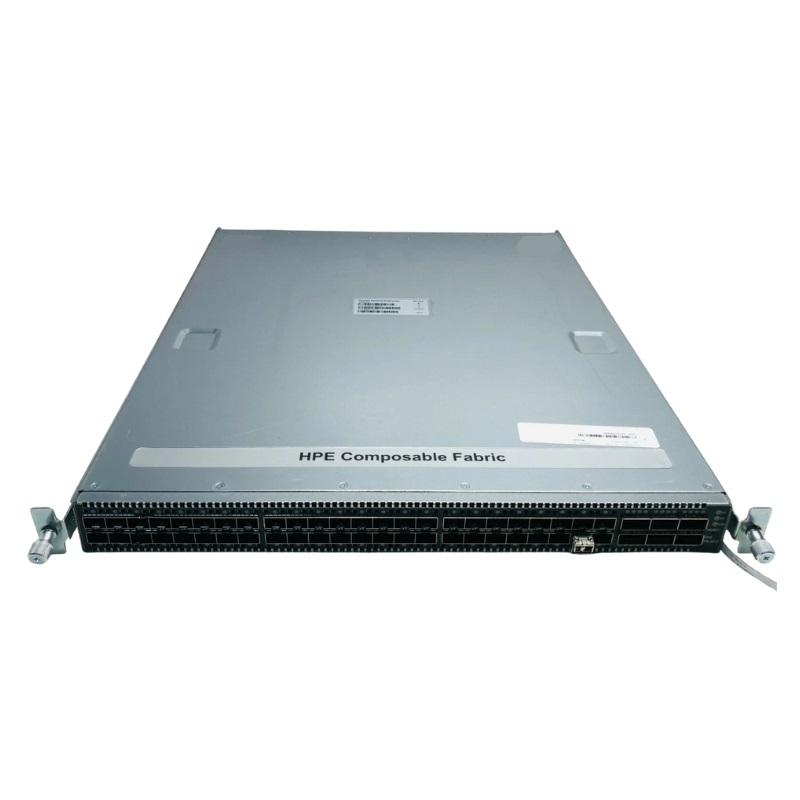


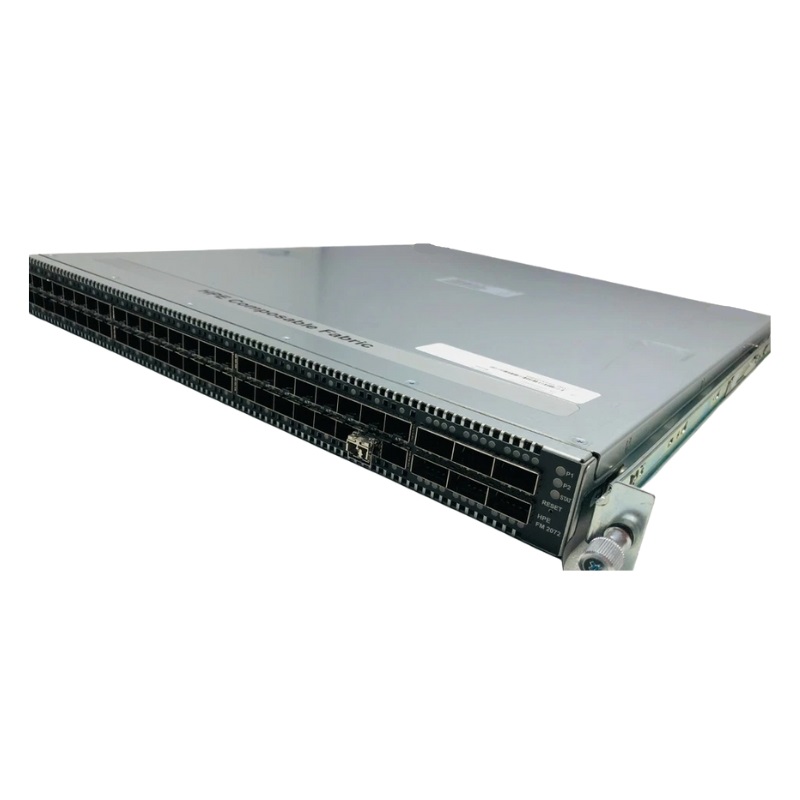
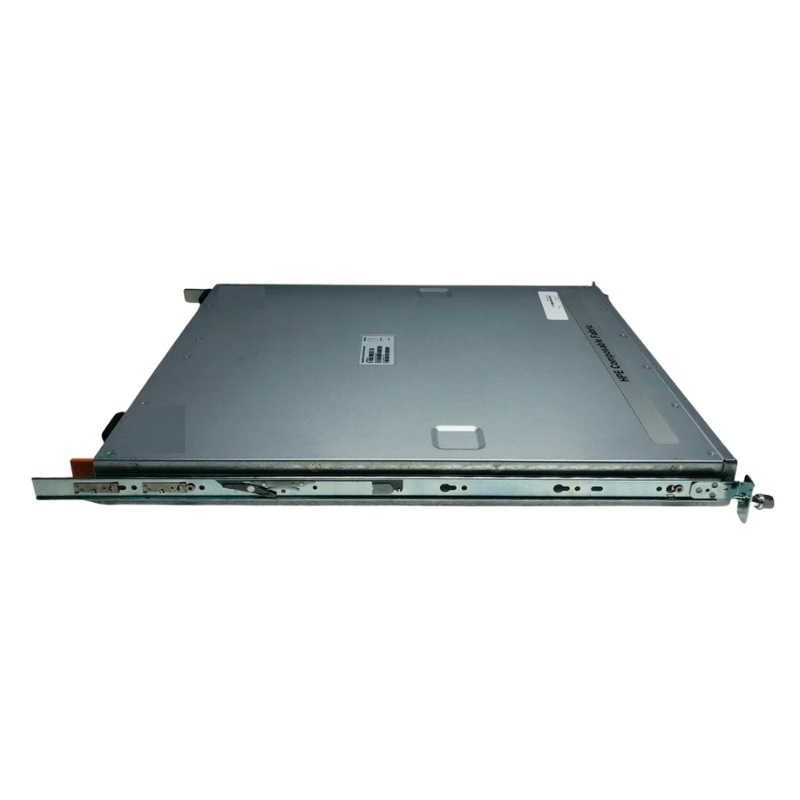
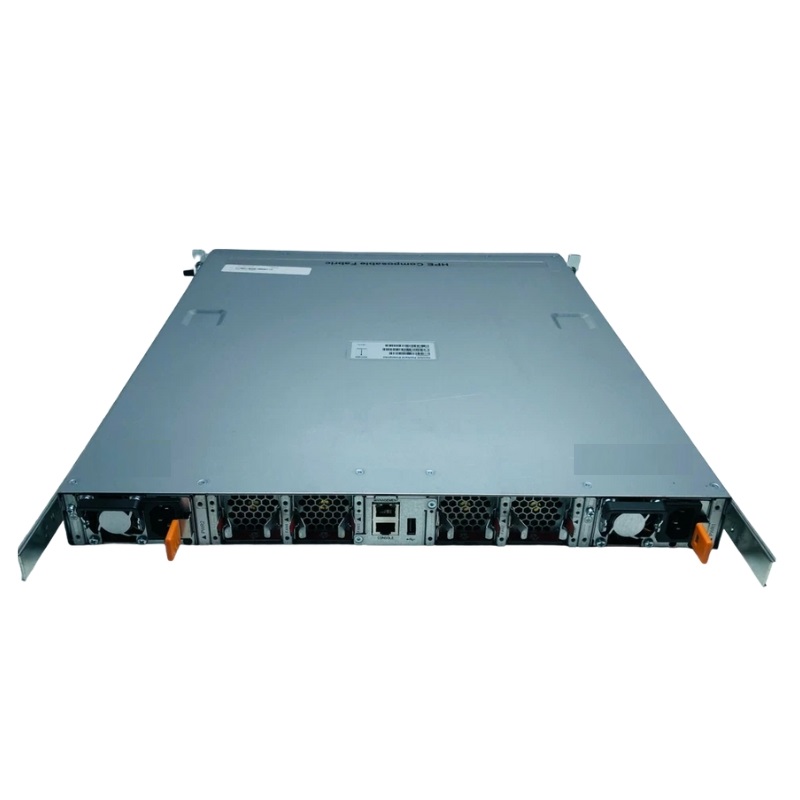
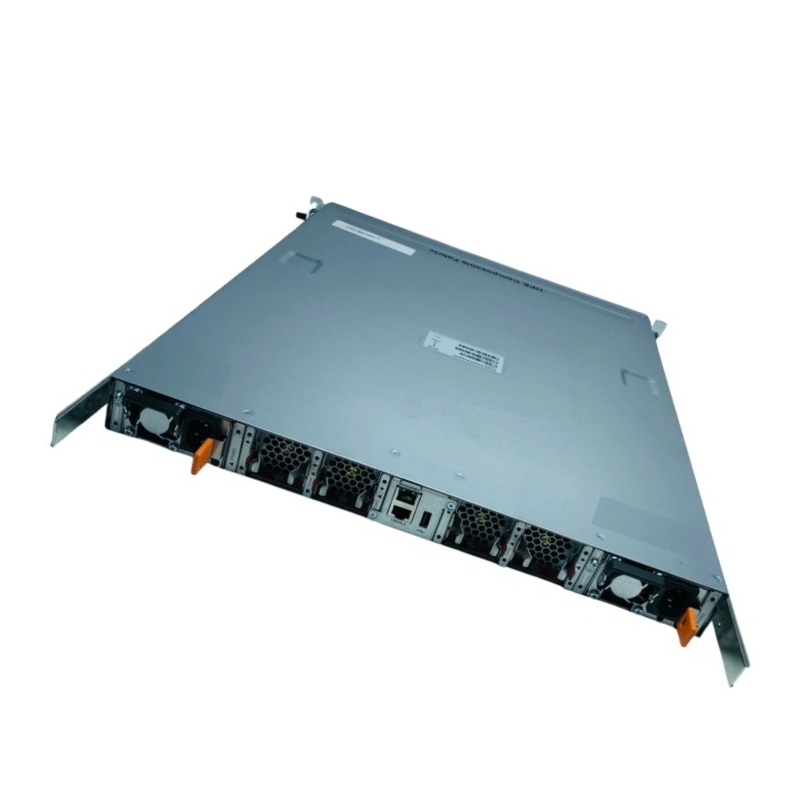
HPE P11590-001 Composable 48-PORT SFP+ Fabric Fm 2072 6-PORT QSFP Back To Front Module. Excellent Refurbished with 1 year Replacement Warranty
The HPE P11590-001 Composable Fabric Module delivers high‑performance connectivity with a versatile mix of SFP+ and QSFP ports, engineered for scalable data center infrastructures and modern enterprise networking.
The HPE P11590-001 Composable 48-Port SFP+ Fabric FM 2072 6-Port QSFP Back To Front Module represents a critical category within high-performance composable networking solutions designed for modern, software-defined data centers. This category focuses on modular, fabric-based networking components that seamlessly integrate compute, storage, and networking resources into a unified, programmable infrastructure. The emphasis of this category lies in scalability, low latency, deterministic performance, and deep integration with composable platforms that enable IT teams to dynamically provision and reconfigure resources based on workload requirements.
Within this category, fabric modules are engineered to deliver predictable east-west traffic performance while supporting the high port density required for virtualization, containerization, and cloud-native workloads. The design philosophy prioritizes non-blocking throughput, efficient airflow, and consistent signal integrity across high-speed links. By leveraging SFP+ and QSFP interfaces, this category enables flexible connectivity models that accommodate both legacy 10GbE environments and evolving high-bandwidth interconnect demands.
A defining characteristic of this category is the dense port configuration that supports large-scale deployments without compromising performance. The 48-port SFP+ fabric design allows organizations to connect numerous servers, storage nodes, or interconnect switches within a compact footprint. This density is essential in environments where rack space optimization and cable management directly impact operational efficiency and cooling effectiveness.
The inclusion of multiple QSFP ports within this category further enhances aggregation and uplink capabilities. QSFP interfaces support higher bandwidth connections that consolidate traffic from multiple SFP+ ports, enabling efficient fabric expansion and seamless interconnection between network tiers. This architectural approach ensures that as workloads scale horizontally, the underlying fabric maintains consistent throughput and low latency characteristics.
This category plays a foundational role in composable infrastructure strategies by providing the networking fabric that binds resources together. Composable environments rely on the ability to dynamically allocate and reallocate resources through software-defined controls. Fabric modules in this category are designed to integrate tightly with orchestration platforms, enabling rapid provisioning and policy-driven network configuration.
The networking components within this category support abstraction layers that decouple physical hardware from logical network constructs. This allows IT teams to define networks programmatically, aligning connectivity with application lifecycles rather than static hardware configurations. As a result, organizations can accelerate deployment times, reduce configuration errors, and improve overall agility.
Compatibility with software-defined networking frameworks is a key attribute of this category. By exposing programmable interfaces and supporting automation tools, these fabric modules enable centralized control and visibility across the network. This integration simplifies tasks such as traffic segmentation, quality of service enforcement, and security policy implementation.
The category supports advanced telemetry and monitoring capabilities that provide real-time insights into network performance. These insights empower administrators to proactively identify bottlenecks, optimize traffic flows, and ensure service-level objectives are consistently met.
Dynamic resource allocation is a cornerstone of composable infrastructure, and the networking category represented by this module is engineered to support it. By enabling rapid reconfiguration of network paths and bandwidth allocation, these fabric modules ensure that workloads receive the connectivity resources they need when they need them.
This capability is particularly valuable in environments with fluctuating demand, such as development and testing platforms, private clouds, and high-performance computing clusters. The ability to adapt the network fabric in real time enhances utilization efficiency and reduces the need for overprovisioning.
Performance optimization is a primary focus of this category, with particular attention given to minimizing latency and maximizing throughput. Fabric modules are designed to support line-rate forwarding across all ports, ensuring that data flows smoothly even during peak usage periods. Low-latency switching fabrics are essential for applications such as real-time analytics, financial trading platforms, and distributed databases.
The category emphasizes cut-through forwarding techniques and optimized buffering strategies that reduce packet processing delays. These design choices contribute to consistent end-to-end latency performance, which is critical for maintaining application responsiveness and user experience.
A non-blocking architecture is a defining feature of this category, ensuring that all ports can operate at full capacity simultaneously without contention. This is achieved through high-capacity internal switching fabrics and intelligent traffic management algorithms. The result is predictable performance even as network utilization approaches maximum levels.
Advanced traffic management features within this category support congestion avoidance and flow control mechanisms. These capabilities help maintain stable performance under heavy load conditions and prevent packet loss that could impact application reliability.
Scalability is a fundamental consideration within this category, enabling organizations to grow their infrastructure without disruptive upgrades. The modular nature of fabric components allows incremental expansion as capacity requirements increase. By adding or upgrading modules, organizations can extend network reach and bandwidth while preserving existing investments.
The category is designed with future technologies in mind, supporting evolving standards and higher-speed interfaces as they become available. This forward-looking approach helps organizations maintain compatibility with emerging workloads and networking paradigms.
Investment protection is a key benefit of this category, as modular fabric components can be replaced or upgraded independently of the broader infrastructure. This reduces total cost of ownership and simplifies lifecycle management by allowing targeted enhancements rather than wholesale replacements.
The category supports standardized management tools and processes that streamline maintenance and firmware updates. These capabilities reduce operational complexity and help ensure consistent performance and security throughout the product lifecycle.
Enterprise environments demand high levels of reliability and availability, and this category is designed to meet those expectations. Fabric modules incorporate robust hardware design, redundant pathways, and rigorous validation processes to ensure continuous operation. These attributes are critical for supporting mission-critical workloads that cannot tolerate downtime.
The category emphasizes fault isolation and rapid recovery mechanisms that minimize the impact of component failures. By maintaining network resilience, organizations can uphold service continuity and meet stringent uptime requirements.
Thermal stability is closely linked to reliability, and the back to front airflow design within this category contributes to consistent operating temperatures. Effective heat dissipation reduces thermal stress on components, extending their operational lifespan and maintaining performance consistency.
The category is suitable for deployment in high-density racks where thermal management is a primary concern, supporting sustained performance under demanding conditions.
This category is widely applicable across enterprise deployment scenarios, including private cloud infrastructures, high-performance computing environments, and large-scale virtualization platforms. The combination of high port density, composable integration, and robust performance characteristics makes it a versatile choice for organizations seeking to modernize their data centers.
By aligning networking capabilities with composable infrastructure principles, this category enables organizations to respond quickly to changing business requirements while maintaining control, performance, and reliability.


 Contact Us
 Information
 Catalog
 Solid State Drives (SSD)
 Network Switches
 Hard Disk Drives
 HBA & Controllers
 PC & Servers
 PC & Server Memory
 CPU & Processors
 Network Routers
 Power Supplies
 Tape Drives & Libraries
 Network Devices
 Computer & Network Cables