(7% discount is applied at checkout)
Cart is empty
Your go-to destination for cutting-edge server products
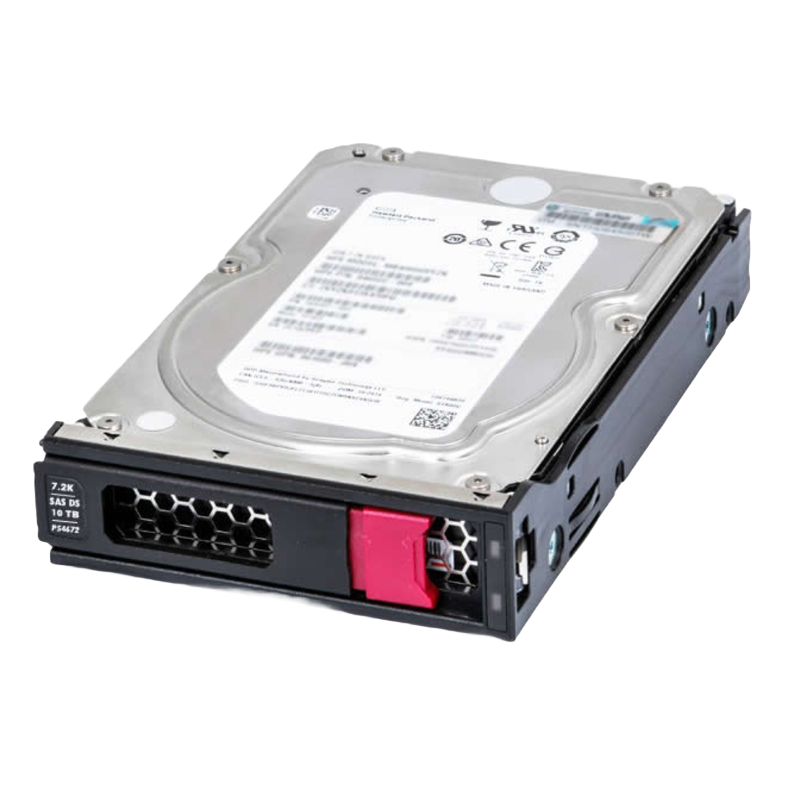


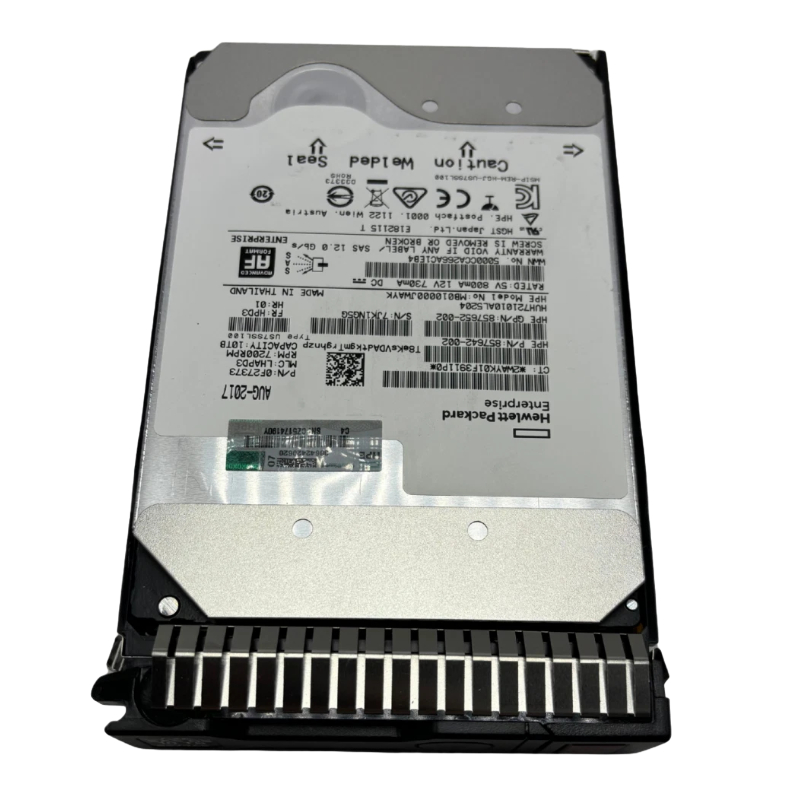
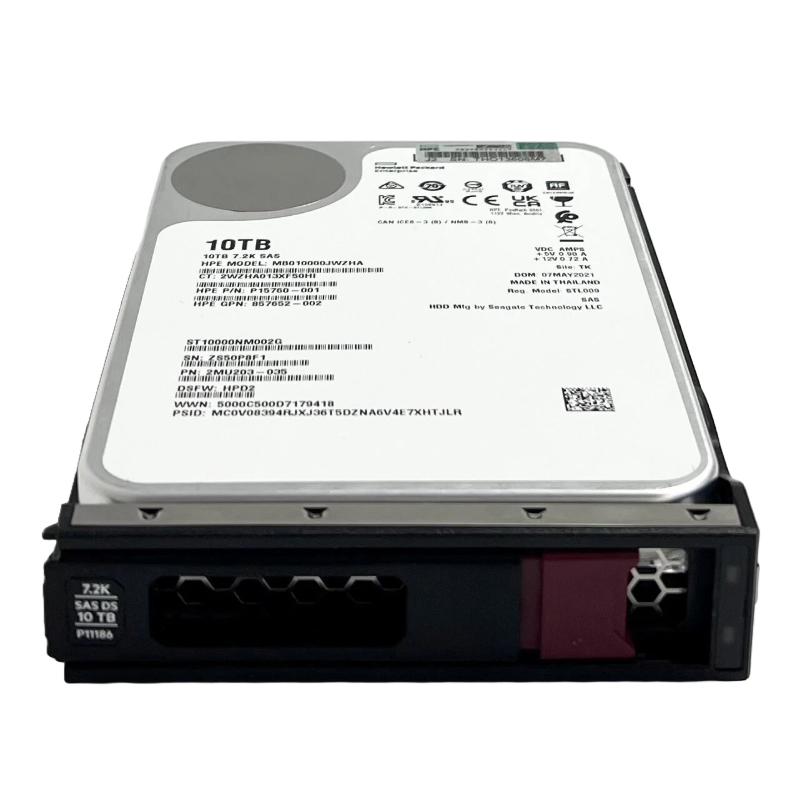
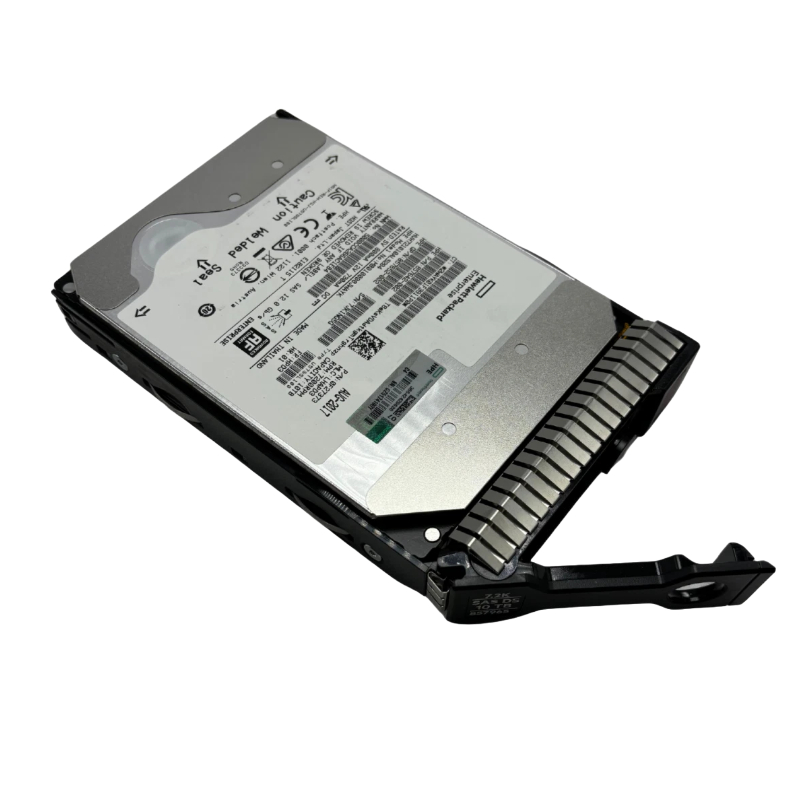
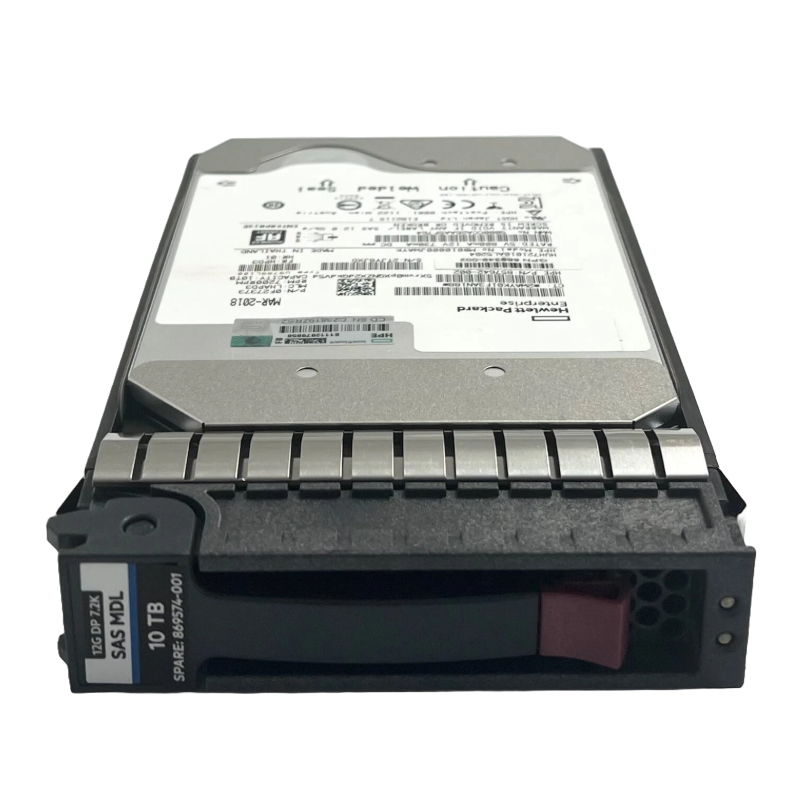
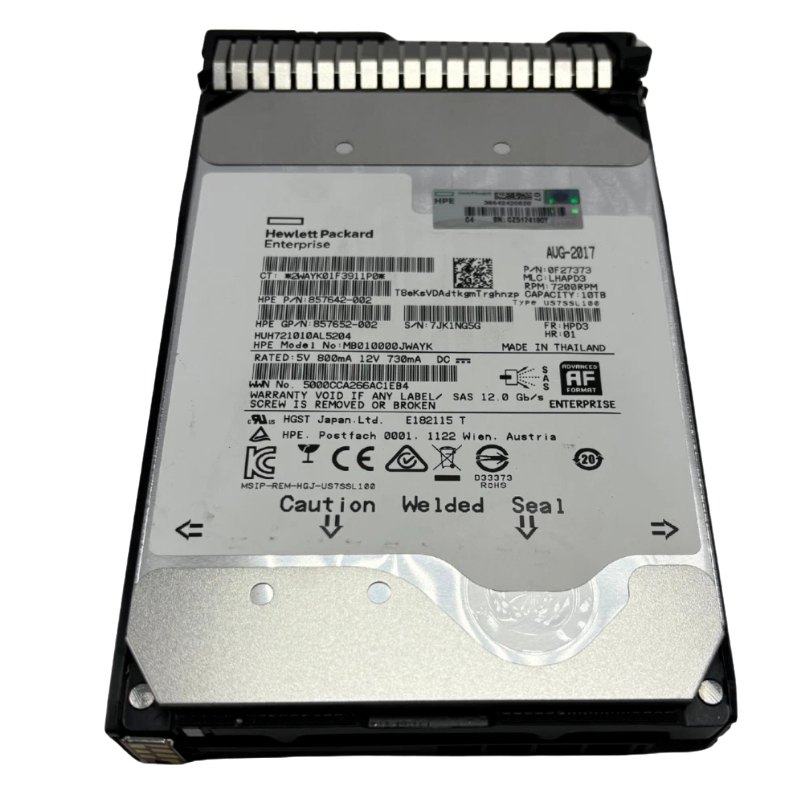
HPE P54672-001 Proliant 10TB SAS-12GBPS 7200 RPM LFF BC Helium Hot-swap Hard Drive. Excellent Refurbished with 1-Year Replacement Warranty
| SKU/MPN | Warranty | Price | Condition | You save |
|---|---|---|---|---|
| P54672-001 | 1 Year Warranty | Contact us for a price | Excellent Refurbished | |
| P54672-001 | 1 Year Warranty | $660.00 | Factory-Sealed New in Original Box (FSB) | You save: $231.00 (26%) |
The HPE P54672-001 ProLiant 10TB SAS 12Gbps 7200 RPM LFF Business Critical Helium Hot-Swap Hard Drive is a robust enterprise-class storage device designed for demanding server environments. Built for reliability, scalability, and performance, this drive is optimized for HPE ProLiant servers and mission-critical workloads that require consistent uptime and high data integrity.
The HPE P54672-001 ProLiant 10TB SAS 12Gbps 7200 RPM LFF BC Helium Hot-Swap Hard Drive belongs to a high-capacity enterprise storage category designed for mission-critical environments where scalability, reliability, and sustained performance are essential. This class of enterprise hard drives is engineered specifically for HPE ProLiant server infrastructures, delivering a balanced combination of storage density, data integrity, and operational efficiency in modern data centers.
As enterprise workloads continue to expand due to virtualization, cloud computing, big data analytics, and large-scale backup systems, this category of helium-filled SAS hard drives provides a strategic solution. The integration of 10TB capacity in a Large Form Factor (LFF) chassis ensures maximum storage efficiency while maintaining compatibility with enterprise server bays and hot-swap architectures.
The design philosophy behind the HPE P54672-001 ProLiant 10TB SAS drive focuses on long-term durability and consistent performance under continuous workloads. Unlike consumer-grade storage devices, this category is optimized for 24/7 operational environments where downtime is not acceptable. Every component is engineered to support sustained input/output operations while maintaining predictable latency characteristics.
One of the defining features of this category is the helium-sealed enclosure technology. Helium, being significantly less dense than air, reduces internal turbulence within the drive chamber. This allows for lower friction between spinning platters, resulting in improved power efficiency, reduced heat generation, and increased storage density. The 10TB capacity is achieved without compromising physical reliability, making helium technology a core innovation in enterprise SAS drives.
The reduced internal resistance also enables the integration of more platters within the same enclosure size. This directly contributes to higher capacity per drive while maintaining consistent rotational stability. The outcome is a storage device that can support dense server configurations without excessive thermal or mechanical stress.
The Large Form Factor design of the HPE P54672-001 ensures compatibility with enterprise-grade server chassis, particularly within HPE ProLiant systems. LFF drives provide a physical advantage in terms of capacity expansion and cooling efficiency compared to smaller form factors. This category is often preferred in environments where storage density per rack unit must be carefully balanced with thermal management requirements.
The structural rigidity of LFF drives also enhances vibration resistance, which is critical in multi-drive server arrays. When multiple drives operate simultaneously, mechanical vibrations can affect performance consistency. The LFF architecture mitigates these challenges through reinforced chassis design and enterprise-grade mounting mechanisms.
The Serial Attached SCSI (SAS) 12Gbps interface is a defining characteristic of this storage category. It delivers significantly higher bandwidth compared to older SAS generations, enabling faster data transfer rates and improved system responsiveness in high-demand environments.
With a 12Gbps interface, this category of hard drives supports rapid sequential and random read/write operations. This is particularly beneficial in database environments, virtualization clusters, and analytics workloads where data access speed directly impacts system performance. The reduced latency ensures that applications can retrieve and store data with minimal delay, contributing to smoother operational workflows.
The SAS architecture also provides dual-port connectivity, which enhances redundancy and failover capabilities. In enterprise systems, this ensures continuous data availability even in the event of a path failure, making it a critical feature for high-availability infrastructure.
The HPE P54672-001 is commonly deployed within RAID-configured storage arrays. RAID technology enhances redundancy, performance, and fault tolerance across multiple drives. The 12Gbps SAS interface ensures that RAID controllers can efficiently manage large volumes of data without becoming a bottleneck.
In large-scale deployments, this category of drives supports horizontal scaling, allowing organizations to expand storage capacity without disrupting existing infrastructure. This makes it ideal for evolving enterprise environments where data growth is continuous and unpredictable.
The 7200 RPM spindle speed represents a balanced approach between performance and energy efficiency. While higher RPM drives offer faster access times, they typically consume more power and generate additional heat. The 7200 RPM configuration in this category is optimized for sustained enterprise workloads where reliability and efficiency are prioritized over extreme speed.
Enterprise environments require storage systems capable of handling continuous read/write cycles without performance degradation. The 7200 RPM design ensures consistent throughput across extended operational periods. This makes the drive suitable for backup systems, archival storage, and large-scale data repositories where stability is more important than peak speed.
The rotational speed also plays a significant role in power consumption. By operating at 7200 RPM, the drive maintains a balance between performance output and energy efficiency. This contributes to lower operational costs in data center environments where hundreds or thousands of drives may be deployed simultaneously.
Hot-swap capability is a critical feature in enterprise storage systems, allowing drives to be replaced or upgraded without shutting down the server. The HPE P54672-001 supports seamless hot-swapping, ensuring uninterrupted system availability during maintenance operations.
In enterprise environments, downtime can result in significant operational and financial losses. Hot-swap functionality eliminates the need for system shutdowns during drive replacement. This ensures continuous service availability, particularly in cloud platforms, financial systems, and enterprise databases.
Hot-swap drives are typically deployed in redundant arrays where data is mirrored or distributed across multiple disks. When a drive fails, it can be replaced immediately without affecting system performance. This redundancy is essential for maintaining data integrity and operational resilience.
The application scope of the HPE P54672-001 ProLiant 10TB SAS drive spans across multiple enterprise-level use cases. Its high capacity and reliability make it suitable for structured and unstructured data storage environments.
In modern data centers, this category of drives is widely used for primary and secondary storage layers. Its high capacity per drive reduces the total number of units required, thereby optimizing rack space and power consumption. This is particularly important in hyperscale environments where efficiency directly impacts operational costs.
Cloud infrastructure relies heavily on scalable and reliable storage systems. The HPE P54672-001 supports virtualization workloads where multiple virtual machines access shared storage pools. Its consistent performance ensures smooth VM migration, snapshot creation, and data synchronization processes.
For backup and archival systems, capacity and reliability are more important than raw speed. The 10TB storage capability allows organizations to consolidate large datasets into fewer drives, simplifying management and improving storage efficiency. This makes it ideal for compliance-driven environments requiring long-term data retention.
Reliability is a cornerstone of enterprise storage design. The HPE P54672-001 is built to withstand continuous operation under demanding conditions, ensuring minimal failure rates and consistent performance over extended lifecycles.
Enterprise drives are designed with high MTBF ratings, indicating long operational lifespan under typical workloads. This category benefits from rigorous testing and validation processes that simulate real-world enterprise conditions, ensuring long-term durability.
In dense server environments, vibration is a significant factor affecting drive performance. The structural design of this category minimizes vibration-induced errors through enhanced mechanical balancing and reinforced housing. This improves overall system stability in multi-drive configurations.
Data integrity is critical in enterprise storage systems. The HPE P54672-001 incorporates advanced error correction mechanisms to ensure that stored data remains accurate and consistent over time.
These mechanisms include real-time error detection and correction algorithms that actively monitor data streams during read and write operations. This reduces the risk of silent data corruption and ensures that enterprise applications operate on reliable datasets.
Thermal efficiency is essential in environments where multiple high-capacity drives operate simultaneously. The helium-sealed design contributes to lower operating temperatures, reducing the burden on cooling systems within data centers.
By minimizing internal friction and optimizing airflow dynamics within the drive enclosure, this category reduces overall energy consumption. This contributes to lower total cost of ownership (TCO) and improved sustainability metrics for enterprise infrastructure.
Deploying the HPE P54672-001 within enterprise environments requires careful planning to maximize performance and efficiency. Factors such as RAID configuration, workload distribution, and storage tiering must be considered during implementation.
The modular nature of enterprise storage systems allows for incremental expansion. This drive category supports scalable architectures where additional drives can be integrated without disrupting existing operations. This is essential for organizations experiencing rapid data growth.
Efficient data distribution across multiple drives ensures consistent performance and reduces the risk of bottlenecks. The SAS interface and enterprise firmware support intelligent load balancing strategies that optimize throughput across storage arrays.


 Contact Us
 Information
 Catalog
 Solid State Drives (SSD)
 Network Switches
 Hard Disk Drives
 HBA & Controllers
 PC & Servers
 PC & Server Memory
 CPU & Processors
 Network Routers
 Power Supplies
 Tape Drives & Libraries
 Network Devices
 Computer & Network Cables