(7% discount is applied at checkout)
Cart is empty
Your go-to destination for cutting-edge server products
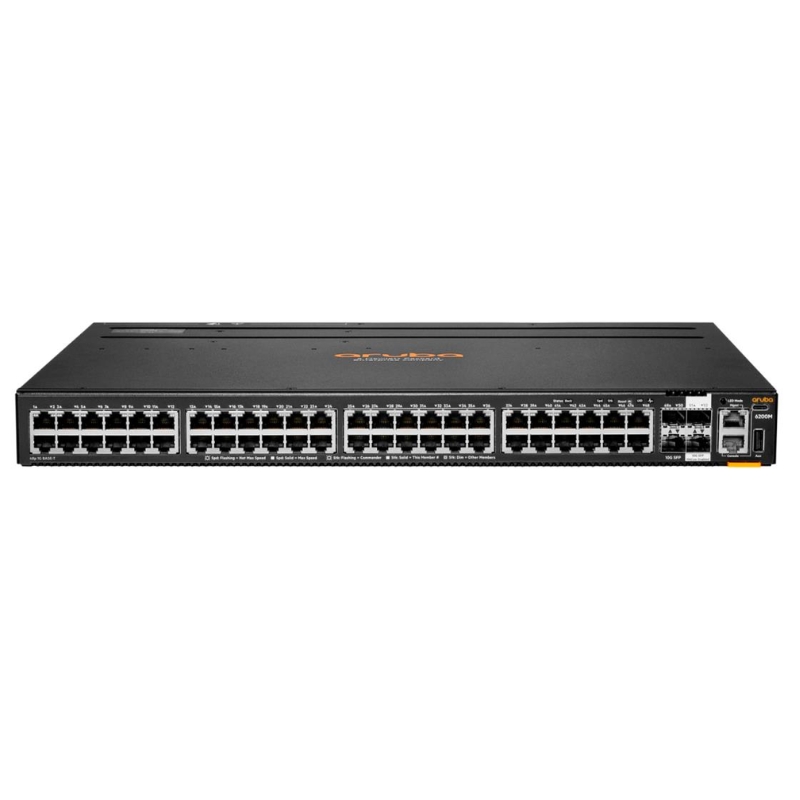


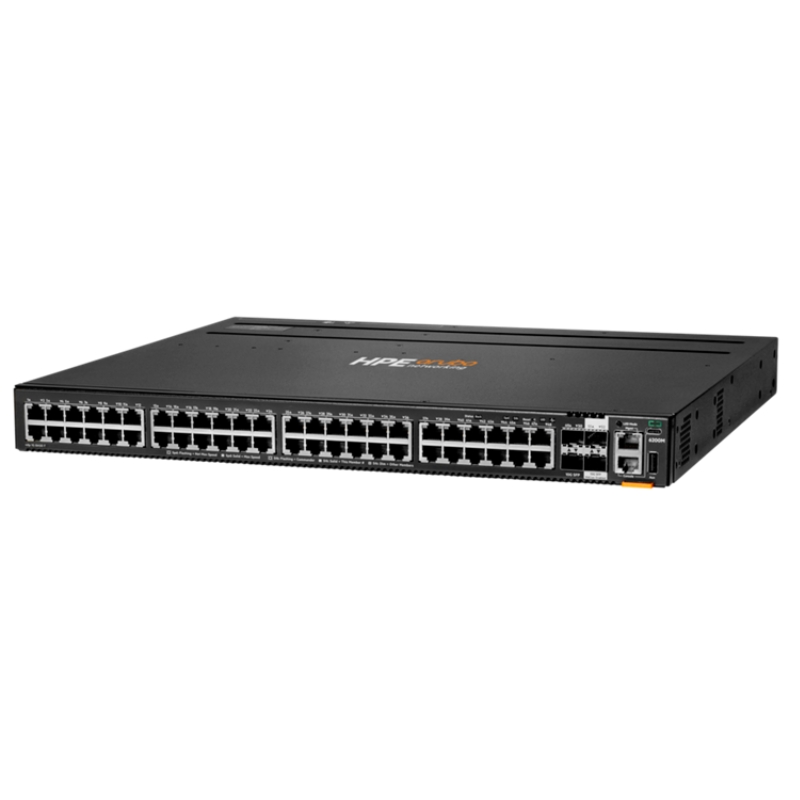
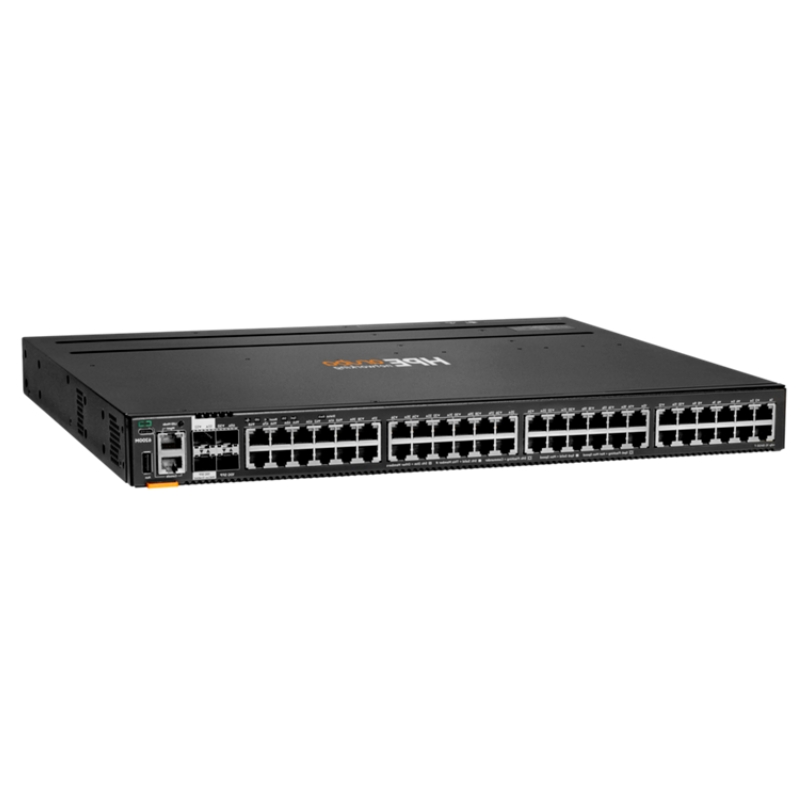
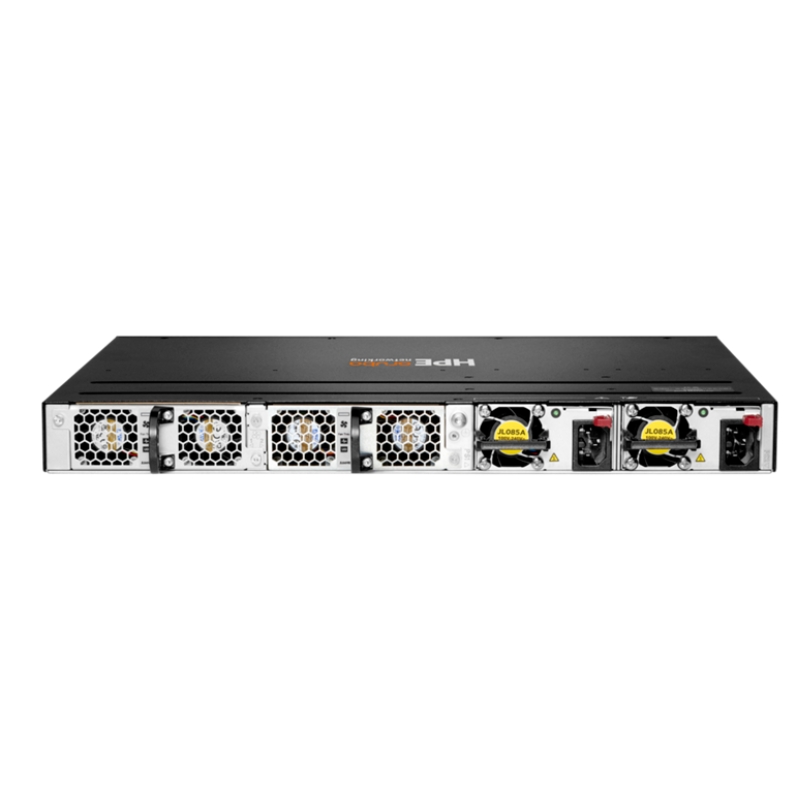
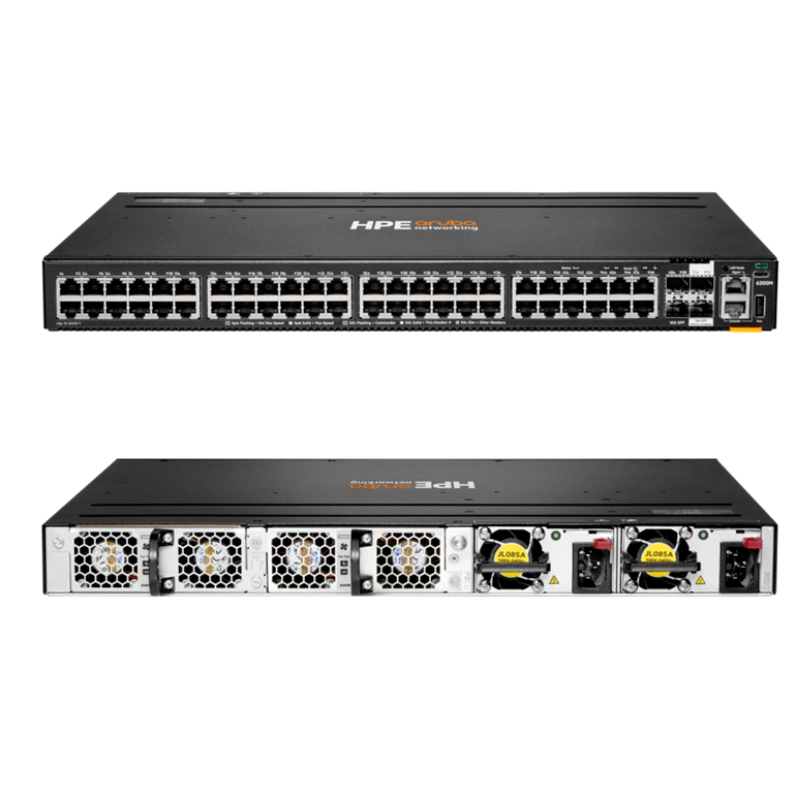
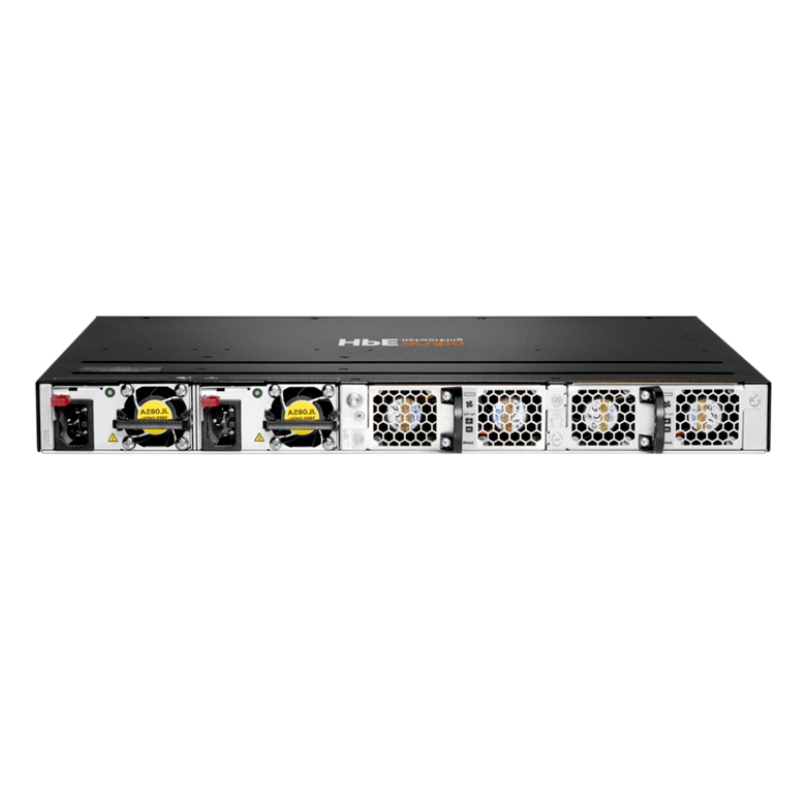
HPE R9Y04-61021 Aruba 48 Ports L3 Class4 Gigabit Ethernet PoE 4SFP+ 740W Manageable Switch. New Sealed with 1 Year Replacement Warranty
The HPE Aruba CX 6100 R9Y04-61021 is a high-performance managed Gigabit Ethernet switch engineered for modern business networks requiring reliable connectivity, advanced Layer 2 functionality, and extensive Power over Ethernet capabilities. Featuring 48 PoE+ access ports, four high-speed 10G SFP+ uplinks, and a substantial 740W PoE power budget, this switch is designed to support demanding enterprise, campus, branch office, and edge networking environments.
The HPE R9Y04-61021 Aruba 48 Ports L3 Class4 Gigabit Ethernet PoE 4SFP+ 740W Manageable Switch is designed to address the growing requirements of modern enterprise networks that demand reliability, scalability, security, and high-performance connectivity. Organizations operating across diverse industries require switching solutions capable of supporting increasing numbers of connected devices while maintaining uninterrupted communication and consistent network performance. This manageable switch delivers extensive Gigabit Ethernet connectivity, advanced Layer 3 capabilities, Power over Ethernet functionality, and high-speed uplink options that help organizations build efficient and future-ready infrastructures.
As businesses continue adopting cloud-based applications, collaboration platforms, wireless networks, IoT devices, surveillance systems, and advanced communication technologies, network infrastructure must evolve accordingly. The Aruba switch platform provides a comprehensive foundation that enables network administrators to deploy secure, intelligent, and highly manageable network environments capable of adapting to changing business demands.
The switch features 48 Gigabit Ethernet ports that support high-density network deployments in enterprise offices, educational institutions, healthcare facilities, retail environments, government organizations, and industrial locations. These ports provide reliable connectivity for a wide range of devices including desktop computers, laptops, printers, IP phones, wireless access points, surveillance cameras, and network storage systems.
Gigabit Ethernet technology enables high-speed data transmission that supports modern bandwidth-intensive applications. Organizations can benefit from faster file transfers, improved access to centralized resources, seamless multimedia streaming, and enhanced communication between departments and remote locations. The high port density allows businesses to connect numerous devices from a single switching platform while simplifying infrastructure management and reducing deployment complexity.
Businesses often experience continual growth in connected devices and network requirements. The 48-port architecture provides substantial room for expansion without requiring immediate investments in additional switching hardware. This flexibility supports evolving operational needs while helping organizations maintain efficient resource utilization and infrastructure planning.
As an access-layer networking solution, the switch serves as a critical connection point between endpoint devices and the broader network infrastructure. Consistent Gigabit performance helps ensure responsive application access, stable communication services, and reliable user experiences across the organization.
Layer 3 functionality significantly enhances network intelligence by enabling routing capabilities directly within the switch. Rather than relying solely on external routers for traffic management, the switch can efficiently process inter-VLAN routing and optimize traffic flow between network segments.
Organizations implementing network segmentation can benefit from improved performance, reduced bottlenecks, and simplified network architecture. Layer 3 capabilities contribute to enhanced scalability by supporting larger network deployments with multiple departments, user groups, and operational zones.
Modern enterprise networks frequently separate traffic into distinct VLANs to improve security, performance, and management efficiency. The Layer 3 architecture facilitates communication between these VLANs while maintaining controlled traffic flows. This capability supports departmental separation, guest network isolation, IoT segmentation, and application-specific network policies.
Intelligent routing decisions help direct traffic through the most efficient network paths. This optimization contributes to reduced latency, improved application responsiveness, and enhanced overall network performance, particularly in environments with significant data movement and communication requirements.
Organizations planning future expansion benefit from Layer 3 switching because it supports increasingly complex infrastructures without introducing unnecessary management challenges. Network administrators can create flexible topologies that accommodate organizational growth while maintaining operational efficiency.
Power over Ethernet technology simplifies device deployment by delivering electrical power and network connectivity through a single Ethernet cable. The Class 4 PoE support available on this Aruba switch enables organizations to power a broad range of network-connected devices without requiring separate electrical infrastructure at each installation location.
This approach reduces installation complexity, lowers deployment costs, and increases placement flexibility for connected devices. Network administrators can install equipment in locations where traditional power outlets may not be readily available while maintaining centralized control over power distribution.
IP phones represent a critical component of modern business communications. The switch can provide power and connectivity to numerous VoIP devices simultaneously, simplifying deployment and supporting unified communications strategies. Centralized power delivery also improves manageability and operational reliability.
Wireless networking continues to play a crucial role in digital transformation initiatives. PoE-enabled connectivity allows Aruba wireless access points and compatible devices to be deployed throughout facilities without requiring local power adapters. This flexibility helps organizations create comprehensive wireless coverage across offices, campuses, and public spaces.
Surveillance systems often require installation in locations that may not have convenient electrical access. PoE functionality simplifies camera deployment by supplying both power and data connectivity through a single cable infrastructure. This streamlined approach supports efficient security implementations and easier maintenance procedures.
Administrators can remotely manage power delivery to connected devices, enabling troubleshooting, scheduled power cycling, and energy management initiatives. This capability contributes to operational efficiency while reducing the need for physical intervention.
The substantial 740W PoE power budget provides sufficient capacity to support numerous powered devices simultaneously. Organizations deploying large numbers of wireless access points, IP cameras, access control devices, and VoIP phones benefit from the available power resources without compromising performance or scalability.
High power availability ensures that growing device ecosystems can be accommodated without immediate concerns regarding power allocation limitations. This makes the switch particularly suitable for environments with extensive network-connected equipment and evolving infrastructure requirements.
The available power budget enables simultaneous operation of various endpoint categories. Businesses can deploy a combination of communication devices, surveillance systems, wireless infrastructure, and specialized network equipment while maintaining reliable operation across the network.
As organizations continue integrating advanced technologies, power requirements often increase. The robust PoE budget helps ensure long-term infrastructure readiness by supporting future device deployments and technology upgrades without requiring immediate hardware replacement.
The inclusion of four SFP+ uplink ports enhances network flexibility by providing high-speed connectivity options for aggregation, backbone, and data center connections. These uplinks support efficient traffic movement between network segments and help prevent congestion in environments with substantial data transfer requirements.
High-bandwidth uplinks are increasingly important as organizations expand their digital operations and rely on cloud services, centralized applications, and distributed workforce connectivity. The SFP+ interfaces support fiber connectivity that can extend network reach while maintaining exceptional performance characteristics.
Organizations can connect the switch to aggregation switches or core network infrastructure through high-speed uplinks that support efficient data transmission. This architecture helps maintain consistent performance throughout the network while supporting scalability objectives.
Many businesses maintain centralized servers, storage platforms, and virtualization environments that require substantial bandwidth. SFP+ uplinks facilitate efficient communication between access-layer infrastructure and critical data center resources.
Fiber-based uplinks provide numerous benefits, including extended transmission distances, electromagnetic interference resistance, improved reliability, and enhanced bandwidth capabilities. These advantages contribute to dependable enterprise networking performance.
Manageable switches provide administrators with extensive control over network operations. The Aruba platform includes sophisticated management capabilities that help organizations monitor performance, configure policies, troubleshoot issues, and optimize resource utilization.
Centralized visibility allows IT teams to gain detailed insights into network activity, device connectivity, traffic patterns, and operational status. This visibility contributes to proactive management and improved service delivery across the organization.
Network administrators can customize switch behavior according to organizational requirements. Configuration options support VLAN creation, routing policies, access controls, quality of service settings, security enforcement, and traffic prioritization strategies.
Continuous monitoring capabilities provide valuable information regarding network health and utilization trends. Administrators can identify potential bottlenecks, evaluate bandwidth consumption, and implement optimization measures that enhance overall efficiency.
Advanced management tools reduce operational complexity by providing intuitive interfaces and centralized control mechanisms. These capabilities help streamline administrative tasks and support efficient network operations.
Network security remains a top priority for organizations of all sizes. The Aruba switch platform incorporates security features that help protect infrastructure, connected devices, and sensitive organizational data from unauthorized access and potential threats.
Modern security strategies require multiple layers of protection, including authentication controls, traffic segmentation, policy enforcement, and continuous monitoring. The switch supports these objectives through comprehensive security capabilities that integrate seamlessly with broader cybersecurity initiatives.
Segmentation enables organizations to isolate users, devices, applications, and operational environments into distinct network zones. This approach reduces risk exposure and limits the potential impact of security incidents while supporting compliance requirements.
Granular access controls help ensure that users and devices receive appropriate network permissions. Administrators can implement policies that align with organizational security objectives and operational requirements.
By controlling traffic flows and enforcing security policies, the switch contributes to the protection of servers, databases, applications, and other mission-critical assets that support organizational operations.
Business environments increasingly rely on applications that require predictable network performance. Voice communications, video conferencing, cloud services, enterprise resource planning systems, and real-time collaboration platforms all benefit from intelligent traffic prioritization mechanisms.
Quality of Service features allow administrators to assign priority levels to specific traffic categories. Critical applications receive appropriate network resources even during periods of elevated utilization, helping maintain service quality and user productivity.
Unified communications platforms require low latency and minimal packet loss to deliver high-quality user experiences. Traffic prioritization helps maintain clear voice calls and smooth video conferencing sessions across the organization.
As businesses continue adopting cloud-based services, network infrastructure must efficiently handle external application traffic. Intelligent traffic management contributes to responsive cloud experiences and consistent access to hosted resources.
Large and medium-sized office environments require dependable connectivity for employees, communication systems, printers, wireless networks, and business applications. The switch supports these requirements through extensive port density, PoE functionality, and advanced management capabilities.
Schools, colleges, universities, and training centers often support large populations of students, faculty, and administrative personnel. The Aruba switch provides connectivity for classrooms, administrative offices, wireless networks, surveillance systems, and digital learning resources.
Hospitals, clinics, laboratories, and healthcare networks depend on reliable connectivity for patient management systems, medical devices, communication platforms, and security infrastructure. High-performance switching helps ensure operational continuity and efficient information access.
Retail organizations require connectivity for point-of-sale systems, inventory management platforms, security cameras, wireless access points, and customer service applications. The switch supports these diverse operational requirements while maintaining performance and security.
Government agencies frequently operate complex infrastructures supporting administrative functions, citizen services, communication platforms, and secure information systems. The switch provides the scalability and management capabilities needed to support these environments effectively.
The HPE R9Y04-61021 Aruba 48 Ports L3 Class4 Gigabit Ethernet PoE 4SFP+ 740W Manageable Switch represents a strategic infrastructure investment for organizations seeking long-term network stability and growth potential. Its combination of Gigabit access connectivity, Layer 3 intelligence, extensive PoE resources, high-speed uplinks, advanced management features, and enterprise security capabilities enables businesses to build resilient network environments capable of supporting current operational requirements and future technological advancements.


 Contact Us
 Information
 Catalog
 Solid State Drives (SSD)
 Network Switches
 Hard Disk Drives
 HBA & Controllers
 PC & Servers
 PC & Server Memory
 CPU & Processors
 Network Routers
 Power Supplies
 Tape Drives & Libraries
 Network Devices
 Computer & Network Cables