(7% discount is applied at checkout)
Cart is empty
Your go-to destination for cutting-edge server products
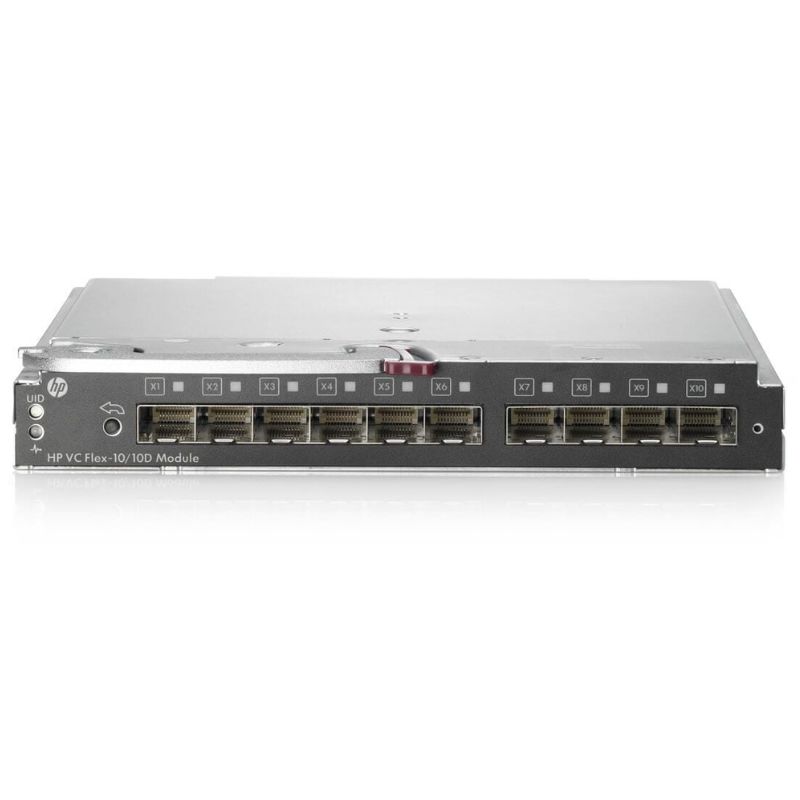


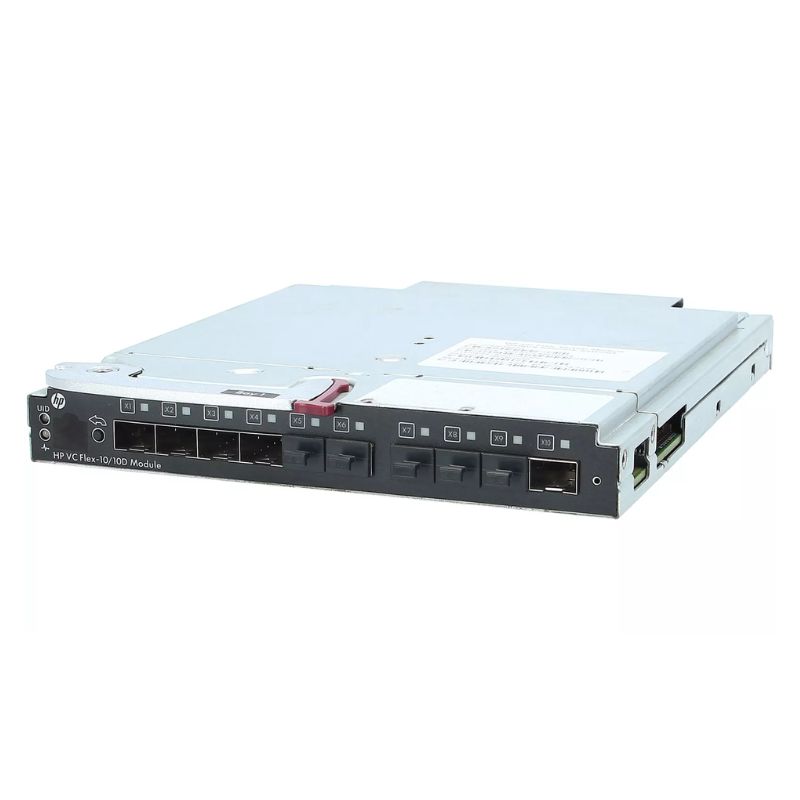
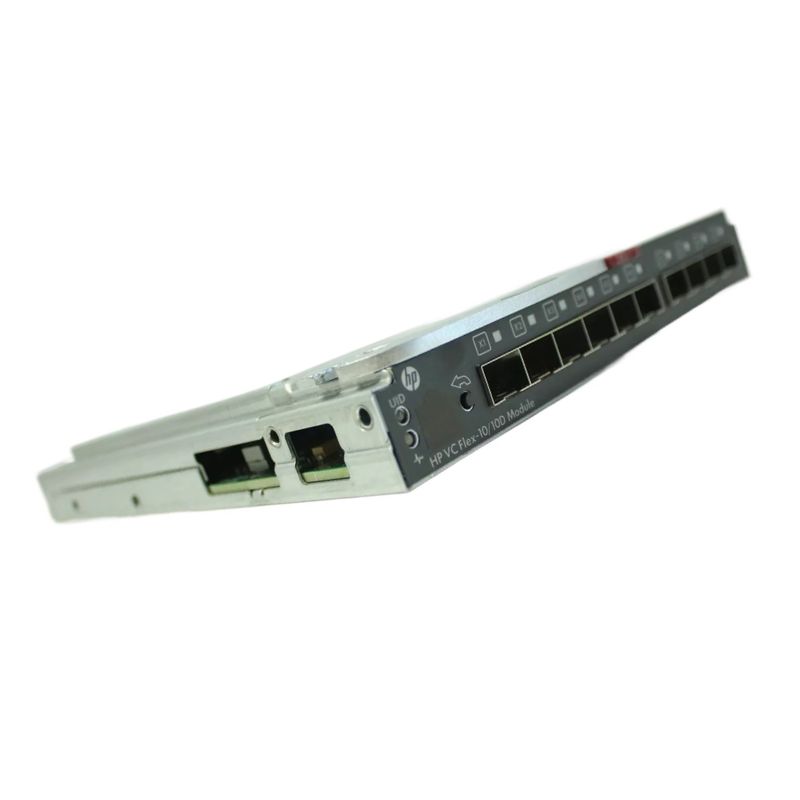
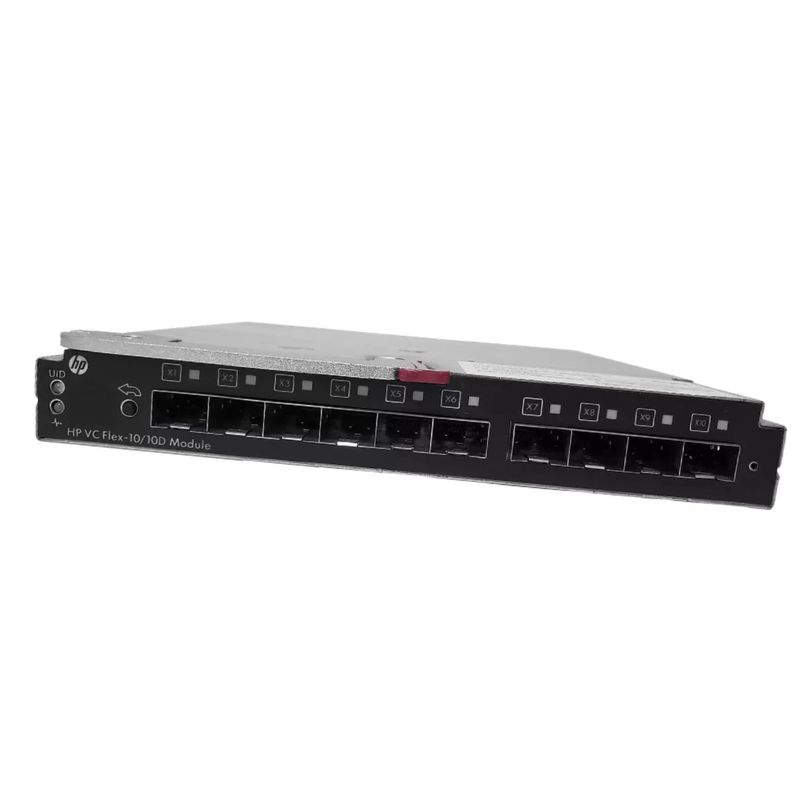
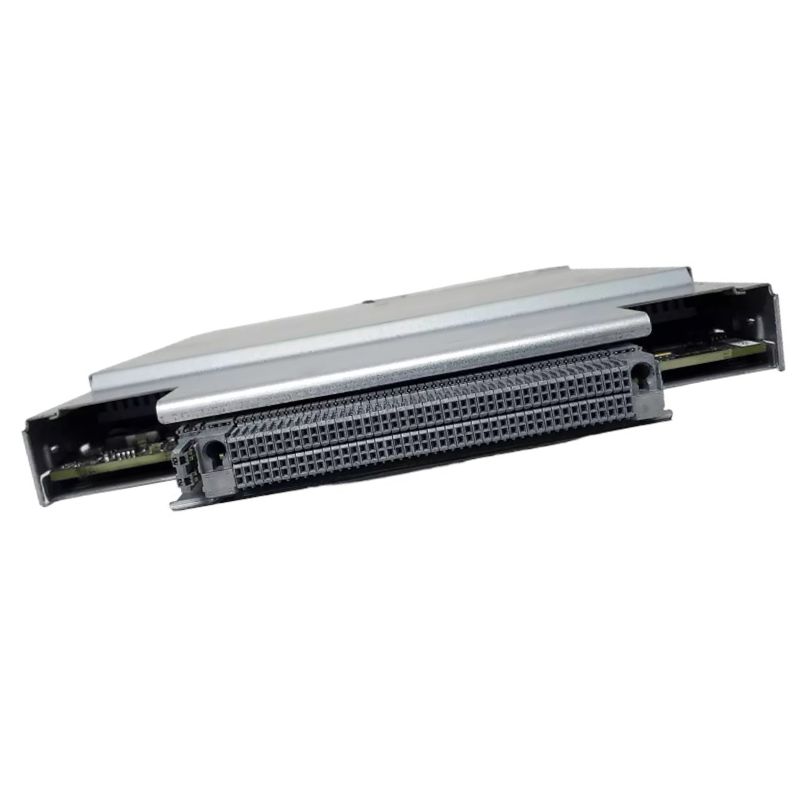
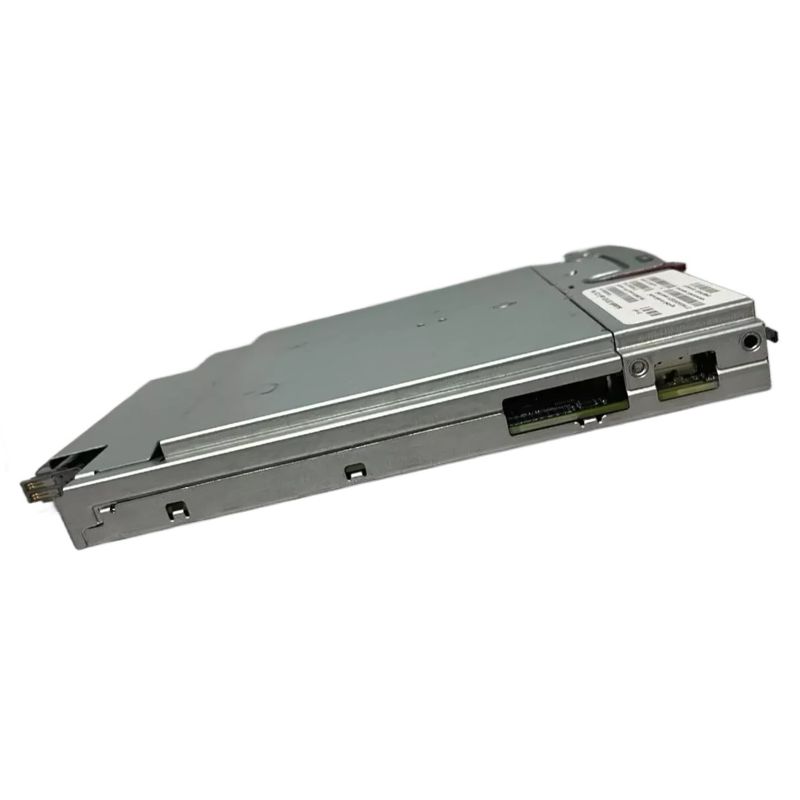
HPE 638527-B21 Virtual Connect 10 GBPS Module Load Balancer. Excellent Refurbished with 1 year replacement warranty
Core Functionality
The HPE 638527-B21 Virtual Connect 10Gbps Module Load Balancer represents a high-performance interconnect and network optimization component designed for enterprise-class blade server environments. It is engineered to support virtualization-heavy infrastructures where dynamic workload distribution and high availability are essential for operational continuity.
Modern data centers demand highly scalable and low-latency networking solutions that can handle virtualization, cloud computing workloads, and distributed applications. The HPE Virtual Connect 10Gbps Load Balancer module fits into this landscape by acting as an abstraction layer between blade servers and upstream network fabrics. This abstraction reduces the complexity traditionally associated with MAC address management, VLAN configuration, and uplink mapping.
Within HPE BladeSystem architectures, the module functions as an integrated interconnect component that replaces multiple layers of traditional Ethernet switching. Instead of relying on numerous external switches and manual cabling structures, administrators can manage server connectivity profiles centrally. This significantly reduces configuration overhead while increasing agility in workload deployment.
Network virtualization is a key advantage provided by this module. By decoupling physical server hardware from network identity, it allows administrators to assign network profiles dynamically. This ensures that workloads can be moved, scaled, or reconfigured without requiring physical rewiring or extensive network reconfiguration.
The architecture of the HPE Virtual Connect 10Gbps Load Balancer module is based on high-throughput switching fabrics optimized for blade enclosure environments. It integrates hardware-based load balancing mechanisms with embedded firmware intelligence that distributes network traffic efficiently across uplinks.
The embedded switching fabric is designed to handle multiple 10 Gigabit Ethernet channels simultaneously. This allows the module to support high-density virtual machine environments where east-west traffic between servers is significant. The internal switching logic ensures minimal packet loss and reduced latency.
Integration with the blade enclosure backplane enables direct communication between server blades and the Virtual Connect module. This architecture reduces the number of external network hops, thereby improving throughput consistency and reducing bottlenecks in heavily virtualized environments.
Advanced signal optimization techniques are employed to maintain data integrity across the backplane. These include error correction logic and adaptive signal balancing that ensures stable performance even under peak traffic conditions.
One of the most significant features of the HPE 638527-B21 module is its intelligent load balancing functionality. It distributes traffic across multiple uplinks based on predefined policies and real-time network conditions.
Dynamic traffic distribution ensures that no single uplink becomes a bottleneck. The module continuously monitors bandwidth utilization and redirects traffic flows to maintain optimal performance. This is particularly important in environments running clustered applications or virtual machine farms.
The load balancer is capable of maintaining session awareness, meaning it can track active connections and ensure consistent routing for uninterrupted application performance. Flow control mechanisms prevent congestion and packet loss during traffic spikes.
By minimizing unnecessary packet traversal and optimizing path selection, the module significantly reduces latency. This is essential for time-sensitive applications such as financial systems, database clusters, and real-time analytics platforms.
Virtual Connect technology is a cornerstone of HPE’s blade networking strategy. It simplifies infrastructure by abstracting physical network hardware into logical profiles.
Server profiles define how individual blade servers connect to network resources. These profiles can include MAC addresses, WWNs, VLAN assignments, and bandwidth allocations. Once defined, they can be applied or migrated across physical servers seamlessly.
By consolidating multiple network functions into a single module, organizations can significantly reduce network sprawl. This leads to simplified cabling, fewer external switches, and reduced points of failure within the infrastructure.
Operational efficiency is enhanced through centralized management interfaces. Administrators can perform large-scale network configuration changes without physically accessing individual hardware components.
The 10 Gigabit Ethernet capability of the HPE 638527-B21 module ensures that it meets the demands of high-throughput enterprise applications. It supports data-intensive workloads such as virtualization clusters, big data processing, and cloud services.
High bandwidth utilization allows multiple virtual machines to operate concurrently without network degradation. This is particularly important in environments where workload density is high and data transfer requirements are substantial.
Security is an integral aspect of the HPE Virtual Connect architecture. The module provides network isolation capabilities that help protect sensitive workloads and data traffic.
VLAN segmentation allows administrators to isolate traffic between different departments, applications, or security zones. This reduces the risk of unauthorized access and improves compliance with security policies.
Access control mechanisms ensure that only authorized server profiles can interact with designated network segments. This helps maintain a secure and structured data center environment.
Data integrity is maintained through consistent packet handling and error detection processes that minimize corruption risks during transmission.
A centralized management interface allows administrators to configure multiple modules and server profiles from a single control point. This reduces administrative overhead and improves response times for configuration changes.
Automation compatibility ensures that the module can be integrated into orchestration tools and infrastructure-as-code frameworks. This is particularly beneficial for large-scale data centers adopting DevOps methodologies.
By minimizing manual configuration steps, the system reduces the likelihood of human error, improving overall network reliability and consistency.
Redundant uplink paths allow traffic to be rerouted automatically in case of link failure. This ensures uninterrupted service delivery for mission-critical applications.
Failover mechanisms are built into the system to detect failures and shift traffic instantly to alternative routes without manual intervention.
These resilience features ensure that enterprise workloads remain operational even during hardware or network disruptions, reducing downtime risks.
The module is designed to integrate seamlessly with HPE BladeSystem environments and compatible networking infrastructure components.
It supports interoperability with various enterprise networking protocols and hardware configurations, enabling smooth deployment in heterogeneous environments.
Organizations can deploy the module in single-enclosure or multi-enclosure configurations depending on workload requirements and infrastructure size.
Performance optimization is achieved through a combination of hardware acceleration and intelligent traffic routing algorithms embedded within the module.
Efficient load distribution ensures that network resources are utilized optimally, preventing congestion and improving overall throughput.
Adaptive bandwidth allocation allows the system to dynamically adjust resource distribution based on workload demands and application priorities.
In cloud environments, the module supports scalable virtual machine provisioning and efficient resource allocation across distributed systems.
The operational lifecycle of the module is optimized for long-term enterprise deployment with minimal maintenance requirements.
Firmware updates can be deployed centrally, ensuring consistent performance improvements and security enhancements across all connected modules.
By enabling early detection of faults and streamlined maintenance workflows, the module helps minimize system downtime and operational disruption.


 Contact Us
 Information
 Catalog
 Solid State Drives (SSD)
 Network Switches
 Hard Disk Drives
 HBA & Controllers
 PC & Servers
 PC & Server Memory
 CPU & Processors
 Network Routers
 Power Supplies
 Tape Drives & Libraries
 Network Devices
 Computer & Network Cables