(7% discount is applied at checkout)
Cart is empty
Your go-to destination for cutting-edge server products


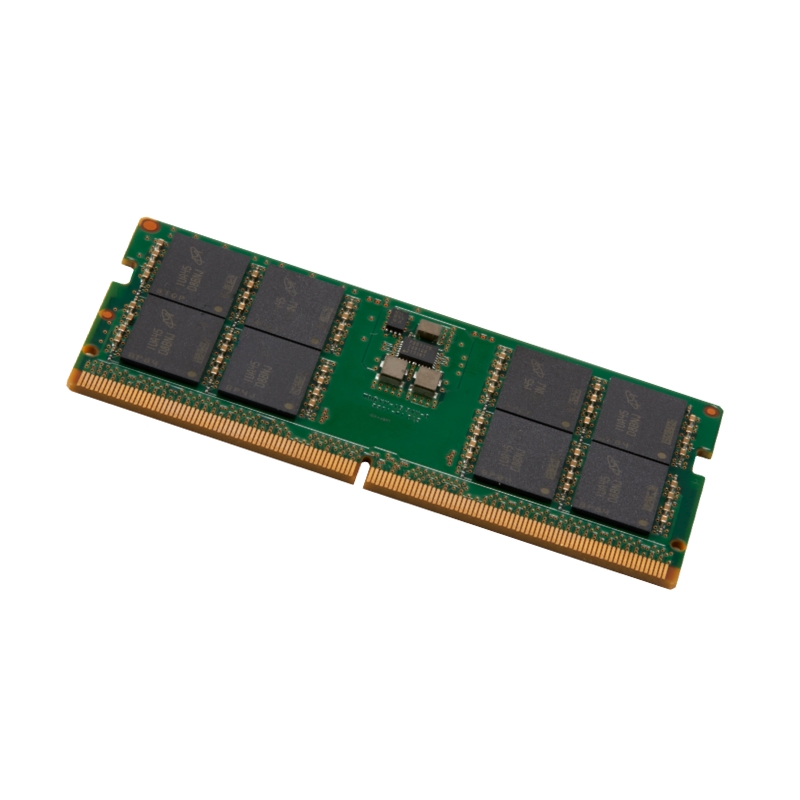
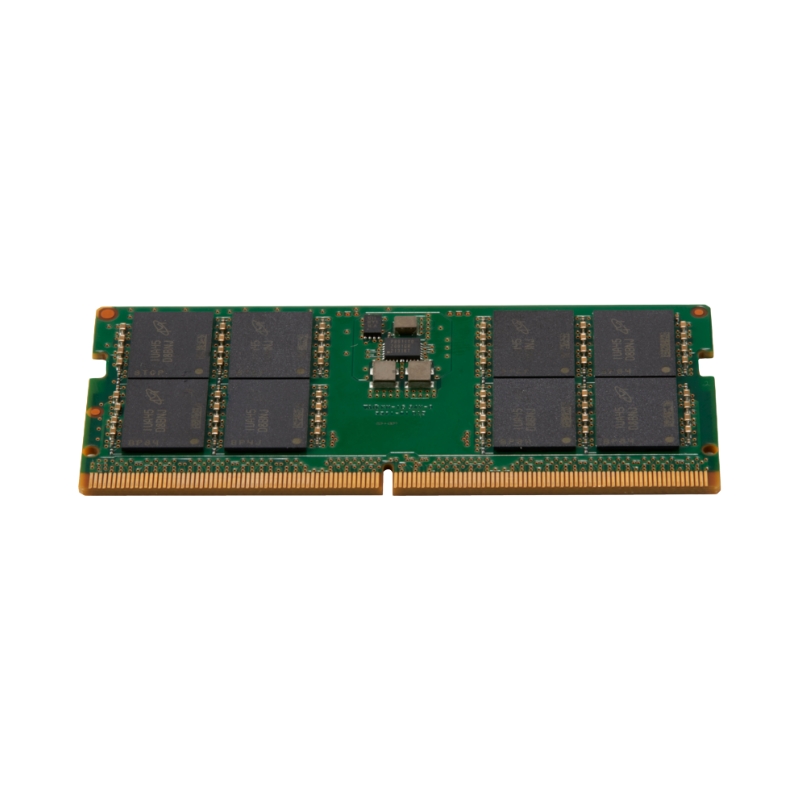
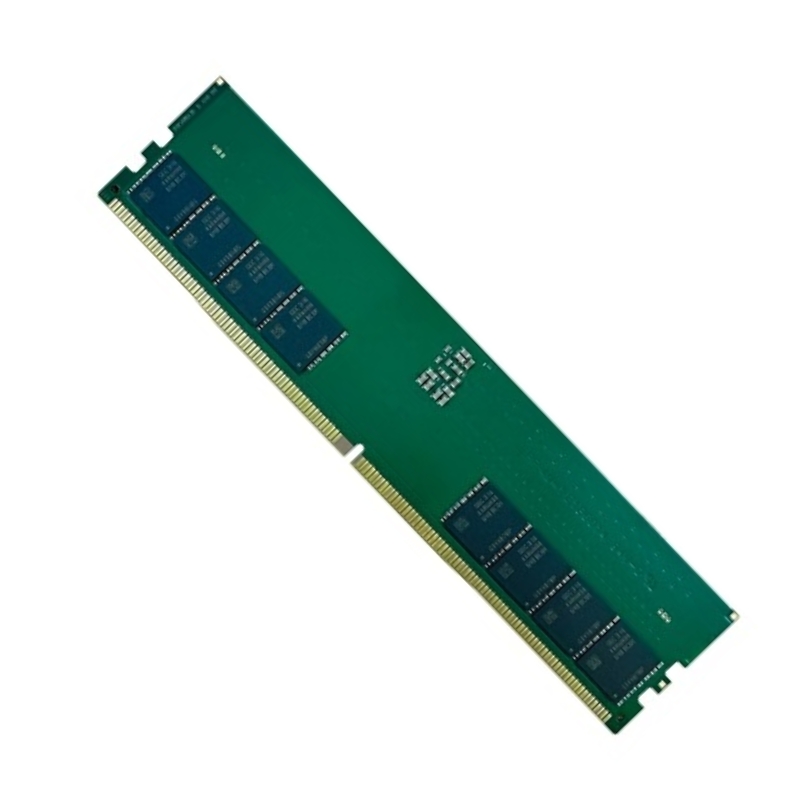
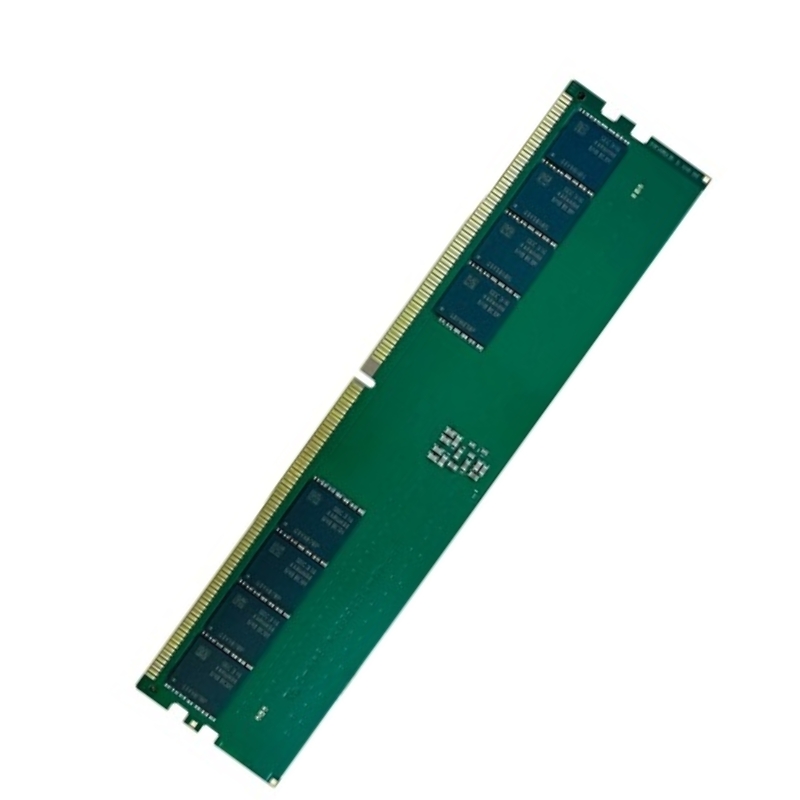
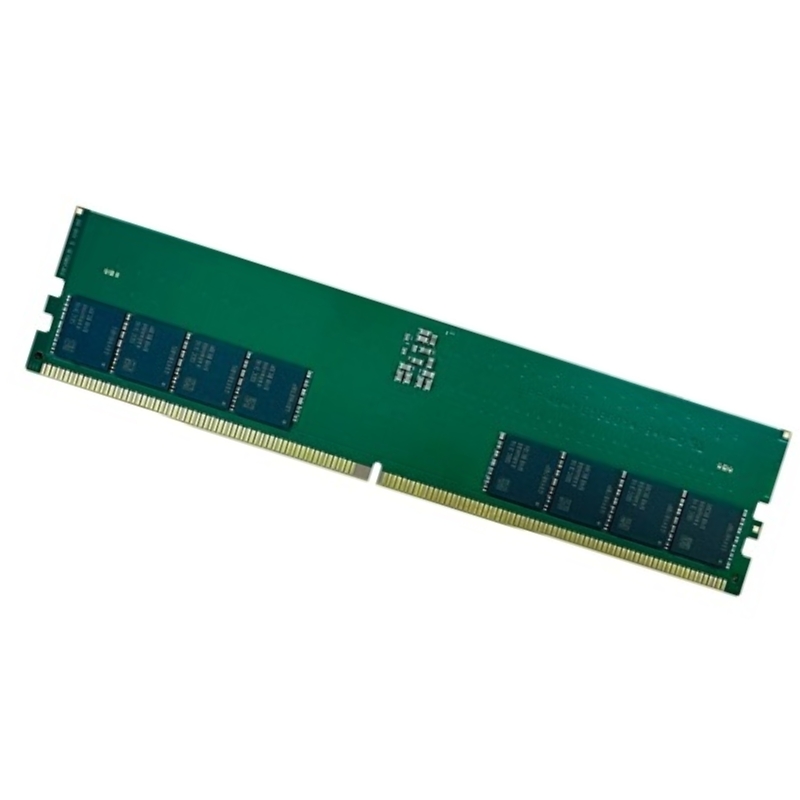
Supermicro MEM-DR548L-CL01-ER56 48GB DDR5 5600MT/s ECC Registered DIMM Memory. New Sealed in Box (NIB) - Micron Version - Call
Boost server performance and reliability with the Supermicro MEM-DR548L-CL01-ER56 an enterprise-grade 48GB DDR5 ECC RDIMM designed for high-throughput, low-latency workloads. This registered DIMM leverages next‑gen DDR5 architecture to deliver accelerated bandwidth, advanced error correction, and stable scalability across modern platforms.
The Supermicro MEM-DR548L-CL01-ER56 48GB 5600MT/s PC5-44800 CL46 Registered DIMM DDR5 memory module represents a high-density enterprise memory category designed for modern data center, cloud, virtualization, and AI-driven server platforms. This category of DDR5 RDIMM memory modules is engineered to support next-generation server architectures that demand higher bandwidth, improved efficiency, and increased reliability compared to previous DDR4-based solutions. DDR5 Registered DIMMs play a central role in scaling memory performance across multi-socket server systems, ensuring stability under sustained workloads and mission-critical operations.
DDR5 RDIMM memory introduces a refined architecture that separates command and data buses, allowing improved signaling integrity and higher operating frequencies. With a data transfer rate of 5600MT/s and PC5-44800 classification, this memory category is optimized for enterprise servers that require fast data access, reduced latency variance, and consistent throughput under heavy multi-threaded workloads. The registered memory design ensures signal buffering between the memory controller and DRAM chips, reducing electrical load and enabling greater memory capacity per channel.
The registered DIMM architecture is fundamental to enterprise server environments where reliability, scalability, and uptime are essential. Unlike unbuffered memory, RDIMM modules such as the Supermicro MEM-DR548L-CL01-ER56 include a register chip that re-drives command and address signals. This design minimizes signal degradation and allows server platforms to support larger memory populations without compromising system stability.
In multi-DIMM per channel configurations, registered DDR5 memory significantly improves system signal integrity. This category is ideal for dual-socket and quad-socket server platforms that support large memory footprints for virtualization clusters, database servers, and in-memory analytics engines. The 48GB capacity per module enables balanced memory configurations while maintaining optimal channel utilization.
The 5600MT/s data rate positions this DDR5 memory category among high-performance server memory solutions. Compared to earlier DDR4 memory standards, DDR5 delivers substantially higher bandwidth, enabling faster data transfers between the CPU and memory subsystems. This increased bandwidth is essential for workloads such as real-time analytics, AI inference, machine learning pipelines, and high-frequency transactional databases.
PC5-44800 memory classification indicates a theoretical peak bandwidth of 44.8GB/s per module. This performance level allows enterprise servers to handle parallel workloads efficiently, reducing memory bottlenecks that can limit CPU utilization. In modern data center environments, memory throughput plays a crucial role in overall system performance, particularly when running containerized applications or virtual machines at scale.
The CL46 CAS latency rating reflects a balance between high-frequency operation and enterprise-grade stability. While DDR5 operates at significantly higher speeds than previous generations, the latency profile is optimized to deliver predictable response times across sustained workloads. This makes the Supermicro DDR5 registered memory category suitable for latency-sensitive applications such as financial modeling, real-time data processing, and large-scale virtualization.
In server environments, consistency and predictability are often more important than raw latency figures. DDR5 CL46 memory provides stable timing characteristics that align with enterprise BIOS configurations and platform firmware, ensuring reliable performance under continuous operation.
The 48GB capacity of this DDR5 RDIMM module addresses a growing need for higher-density memory configurations in enterprise servers. This category bridges the gap between standard 32GB and higher-capacity 64GB modules, offering flexibility for memory planning and cost optimization. System architects can design balanced memory layouts that maximize channel utilization without overprovisioning.
In virtualization and cloud computing environments, memory density directly impacts consolidation ratios. A 48GB DDR5 registered DIMM allows administrators to allocate sufficient memory resources to virtual machines while maintaining efficient slot usage. This capacity is particularly beneficial in systems with limited DIMM slots per CPU, where achieving higher total memory capacity requires higher-density modules.
Multi-socket server platforms benefit significantly from higher-capacity DDR5 RDIMM modules. The 48GB configuration supports symmetrical memory layouts across CPUs, improving NUMA performance and reducing cross-socket memory access penalties. This memory category is well-suited for enterprise servers running large databases, ERP systems, and analytics platforms that require balanced memory access patterns.
As server processors continue to increase core counts, memory capacity per core becomes increasingly important. DDR5 48GB RDIMM modules help maintain optimal memory-to-core ratios, preventing performance degradation caused by memory starvation in compute-dense environments.
DDR5 memory introduces significant improvements in power management compared to previous generations. One of the defining characteristics of this memory category is the inclusion of on-module power management integrated circuits. These PMIC components regulate voltage locally on the DIMM, improving power delivery efficiency and reducing electrical noise.
The Supermicro MEM-DR548L-CL01-ER56 DDR5 RDIMM operates at lower voltage levels while delivering higher performance, contributing to overall data center energy efficiency. Reduced power consumption per gigabyte of memory helps organizations manage operational costs and thermal output, especially in high-density server deployments.
Enterprise DDR5 memory modules are designed to maintain thermal stability under continuous, high-load operation. The advanced power regulation and improved signaling efficiency reduce heat generation compared to earlier memory technologies. This is critical in dense server environments where airflow and cooling resources must be carefully managed.
Thermal consistency ensures that memory performance remains stable even during extended workloads, minimizing the risk of throttling or error conditions. This category of DDR5 registered memory is engineered to meet the demands of 24/7 data center operation.
Error correction is a foundational requirement in enterprise memory solutions. The Supermicro DDR5 registered memory category includes ECC functionality to detect and correct single-bit memory errors in real time. ECC memory is essential for preventing data corruption, system crashes, and silent data errors in mission-critical applications.
DDR5 ECC implementation benefits from improved internal architecture, enabling enhanced error detection and correction capabilities. This ensures higher data integrity for applications that process sensitive or business-critical information, such as financial systems, healthcare platforms, and large-scale enterprise databases.
In environments where downtime and data loss are unacceptable, ECC DDR5 RDIMM memory provides an additional layer of protection. The registered design further enhances reliability by isolating the memory controller from electrical load variations. This combination of ECC and registered architecture makes this memory category suitable for enterprise-grade servers with strict uptime requirements.
System administrators and IT professionals rely on ECC memory to maintain data accuracy and system stability, particularly in long-running workloads where memory errors can accumulate over time.
The 288-pin DDR5 RDIMM form factor is standardized for modern server motherboards that support DDR5 memory technology. This ensures compatibility with current-generation server platforms from Supermicro and other enterprise hardware vendors. The physical design aligns with DDR5 slot specifications, providing secure installation and optimal electrical connectivity.
Server platforms designed for DDR5 memory include updated memory controllers and BIOS firmware that fully support the advanced features of DDR5 RDIMM modules. This category is intended for systems that explicitly support DDR5 registered memory and is not backward compatible with DDR4 slots.
Supermicro memory modules are typically validated for compatibility with Supermicro server systems, ensuring seamless integration and predictable performance. This validation process includes extensive testing under various workloads and configurations to confirm stability and reliability. Using validated memory modules reduces the risk of compatibility issues and simplifies system deployment.
Enterprise IT teams benefit from standardized memory configurations that align with server vendor recommendations, improving overall system reliability and simplifying maintenance.
This category of DDR5 48GB registered memory is well-suited for a wide range of enterprise and data center use cases. Virtualization platforms benefit from increased memory bandwidth and capacity, enabling higher virtual machine density and improved performance isolation. Cloud service providers can leverage DDR5 RDIMM memory to support scalable infrastructure with predictable performance.
High-performance computing workloads also benefit from DDR5 memory advancements. Scientific simulations, engineering applications, and data analytics workloads require fast, reliable memory access to process large datasets efficiently. The high bandwidth and stability of DDR5 registered memory support these demanding applications.
In-memory databases and real-time analytics platforms rely heavily on memory performance. DDR5 5600MT/s registered memory reduces query latency and improves transaction throughput by providing faster access to frequently used data. AI and machine learning workloads also benefit from improved memory bandwidth when processing large training datasets and inference models.
As data volumes continue to grow, memory becomes a critical resource for maintaining application performance. This DDR5 memory category is designed to support data-intensive workloads with consistent performance characteristics.
DDR5 registered memory represents a forward-looking investment for enterprise infrastructure. As server processors evolve to support higher memory speeds and capacities, DDR5 RDIMM modules ensure compatibility with emerging platforms. The Supermicro MEM-DR548L-CL01-ER56 memory module aligns with industry trends toward higher performance, greater efficiency, and improved reliability.
Organizations upgrading to DDR5-based server platforms gain access to enhanced memory capabilities that support future workload growth. This memory category provides a foundation for scalable infrastructure that can adapt to evolving business and technology requirements.
Enterprise memory investments are often evaluated based on longevity, reliability, and total cost of ownership. DDR5 registered memory offers long-term value by supporting higher performance per watt and increased capacity per module. This reduces the need for frequent hardware upgrades while maintaining competitive performance levels.
By choosing high-quality DDR5 RDIMM memory modules, organizations can build resilient server infrastructures that support both current and future workloads with confidence.
The Supermicro DDR5 registered memory category emphasizes consistency across deployments, ensuring that performance and reliability remain predictable regardless of workload intensity. This consistency is critical for enterprise IT environments where standardized configurations and repeatable performance are essential.
Compatibility with modern server platforms and adherence to DDR5 specifications ensure that this memory category integrates seamlessly into enterprise ecosystems. From data centers to private cloud environments, DDR5 RDIMM memory continues to define the standard for high-performance server memory solutions.


 Contact Us
 Information
 Catalog
 Solid State Drives (SSD)
 Network Switches
 Hard Disk Drives
 HBA & Controllers
 PC & Servers
 PC & Server Memory
 CPU & Processors
 Network Routers
 Power Supplies
 Tape Drives & Libraries
 Network Devices
 Computer & Network Cables