(7% discount is applied at checkout)
Cart is empty
Your go-to destination for cutting-edge server products
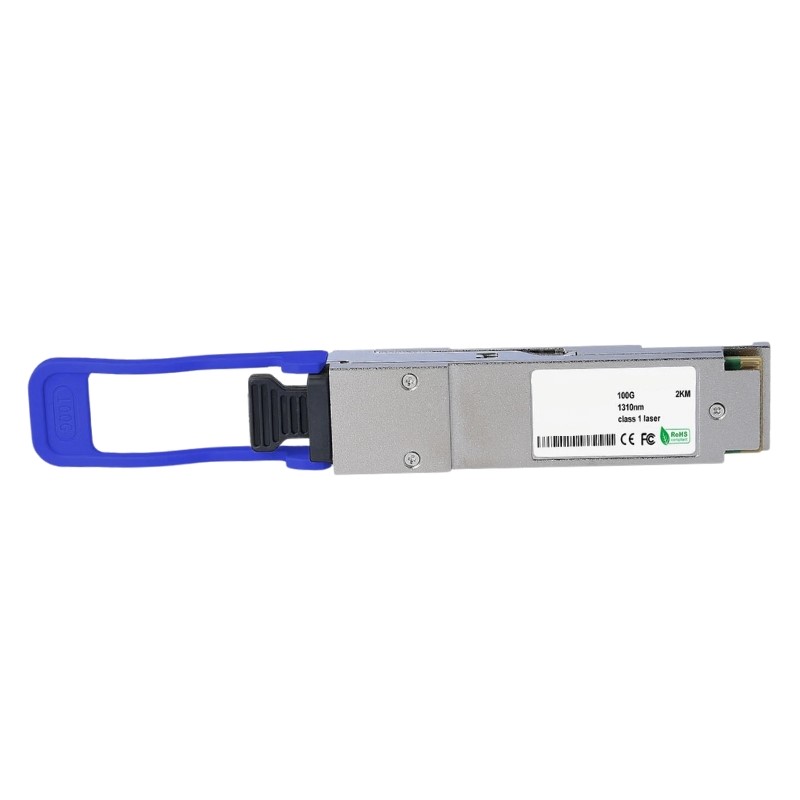


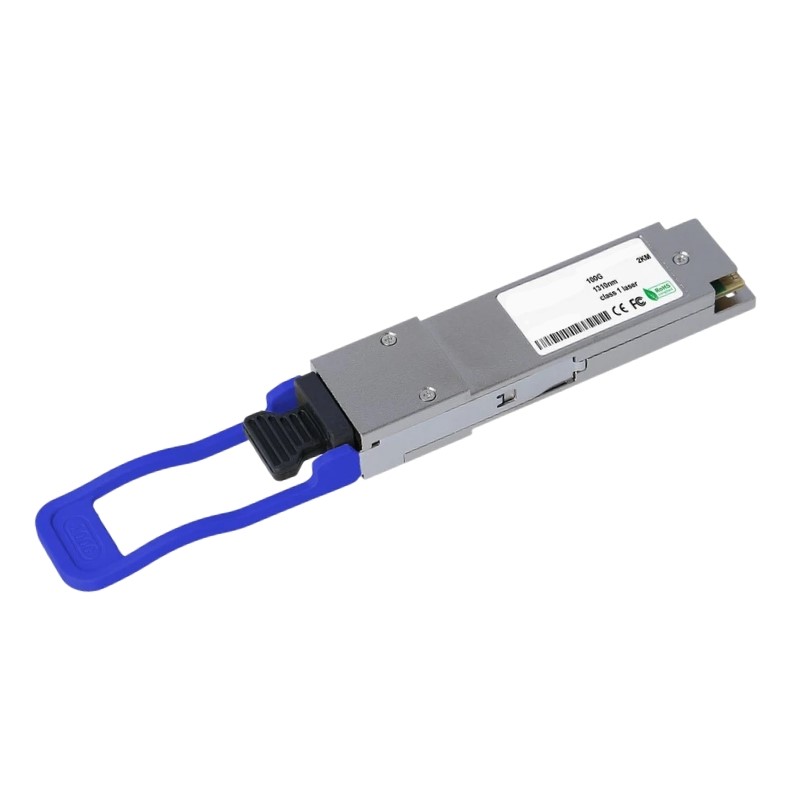
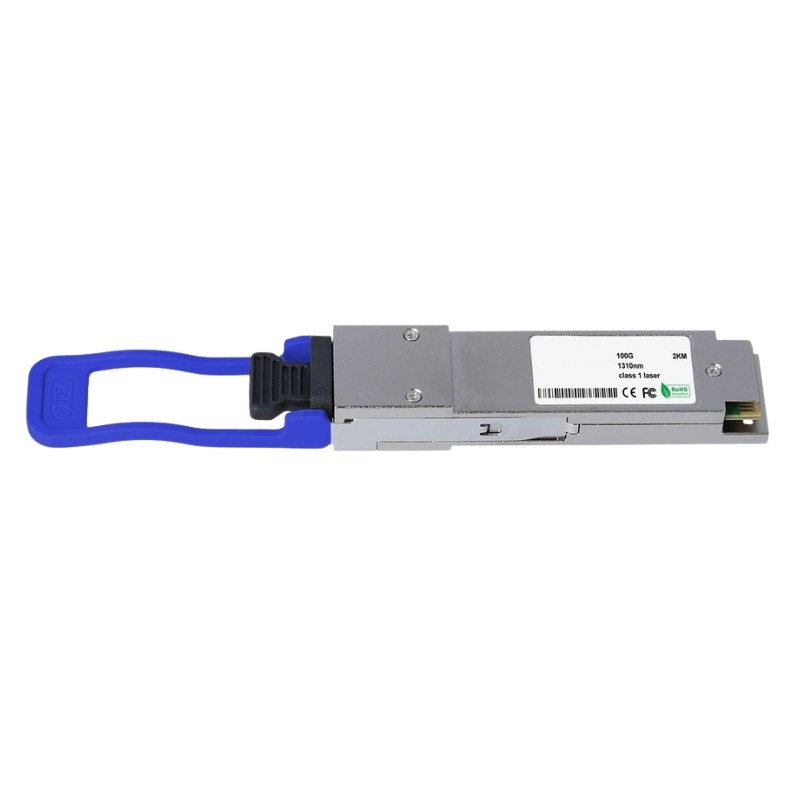
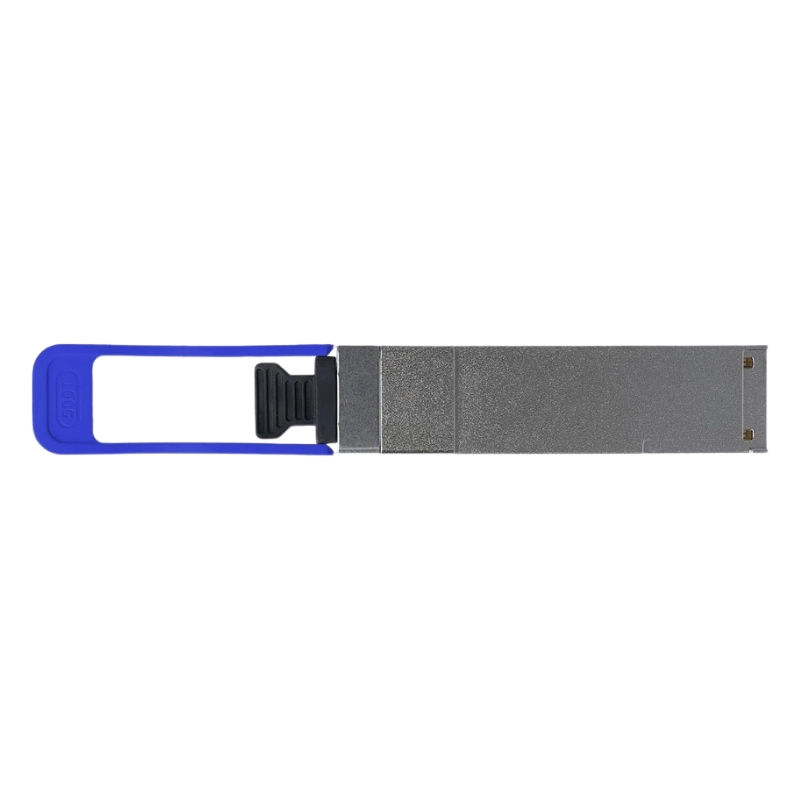
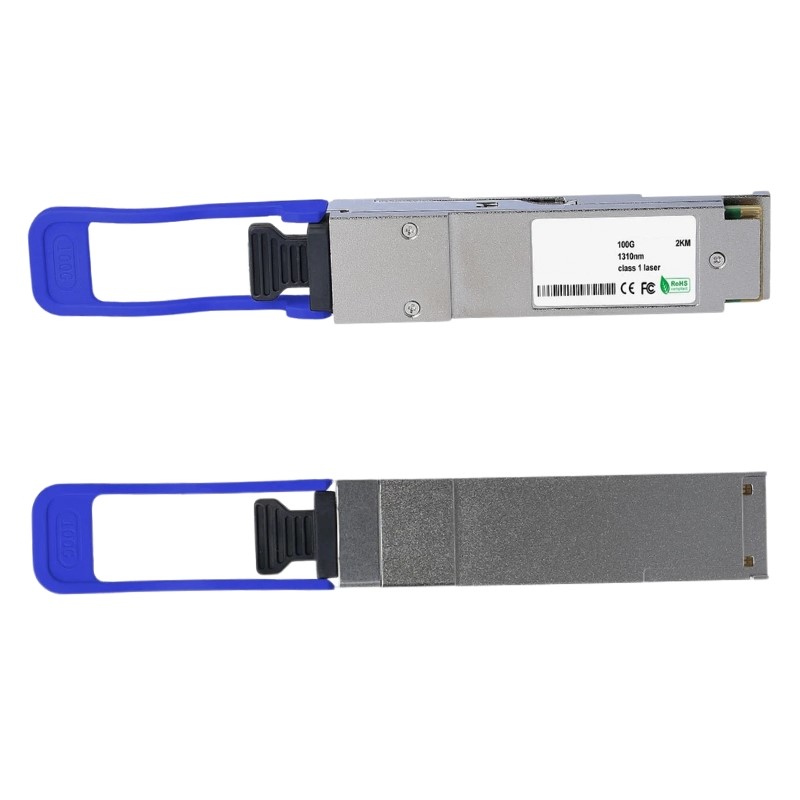
Juniper Networks QSFP-100G-FR QSFP28 100 Gigabit Ethernet FR Duplex Lc Pc/upc Transceiver Module. Excellent Refurbished with 1 year Replacement Warranty
The Juniper Networks QSFP-100G-FR is a high-performance QSFP28 100 Gigabit Ethernet transceiver engineered for reliable data center and enterprise networking. Designed for long-reach optical communication, this module delivers up to 2 km transmission distance over single-mode fiber (SMF) with Duplex LC PC/UPC connectors. With support for 100GBASE-FR1 applications, it provides exceptional signal integrity, low latency, and robust monitoring features.
This 100G FR transceiver is optimized for next-generation Ethernet infrastructures, ensuring high-bandwidth connectivity without the need for breakout cabling. With CAUI-4 support and compliance with SFF-8665 specifications, the module integrates effortlessly into modern high-capacity switches, routers, and aggregation platforms.
The QSFP-100G-FR includes Digital Diagnostic Monitoring (DDM), allowing administrators to track critical parameters for network stability and predictive maintenance:
Engineered with precision optics, the module ensures superior signal clarity. Key wavelength and power specifications include:
The Juniper QSFP-100G-FR transceiver is widely adopted in data centers, service provider networks, and cloud infrastructures where 100G Ethernet performance is critical. Designed to work with single-mode fiber optic cabling, it ensures error-free data transmission for:
The Juniper Networks QSFP-100G-FR QSFP28 100 Gigabit Ethernet FR Duplex LC PC/UPC Transceiver Module category includes high-performance optical modules designed for 100GbE FR (100 Gigabit Ethernet — FE long reach) links using QSFP28 form factor. These transceivers use duplex LC connectors with PC or UPC polished ferrules, and are engineered for reliable metro and long-haul connectivity where single-wavelength 100G over fiber is required. This category page groups compatible FR optics, replacement modules, and cross-vendor equivalents suited for Juniper platforms and other QSFP28-capable switches and routers.
Modules in this category conform to the QSFP28 mechanical and electrical specification for 100 Gigabit Ethernet, providing a compact quad-lane optics solution with enhanced thermal and signal integrity properties. QSFP-100G-FR transceivers are typically pin-compatible with other QSFP28 modules and support the QSFP MSA (Multi-Source Agreement) interface. While QSFP28 is optimized for 25 Gbps per lane signaling, FR modules implement a single-wavelength 100G serial or specific PAM4/NRZ modulation as required by the vendor.
The duplex LC connector pair is the physical fiber interface for these FR modules. Two variants are commonly encountered: PC (Physical Contact) and UPC (Ultra Physical Contact). UPC offers a finer surface finish and lower back reflection compared to standard PC, which can be beneficial in applications sensitive to reflectance. The category includes both PC and UPC polished options; product pages clearly indicate polishing type to guide high-performance optical network planning.
“FR” denotes a focus on medium-to-long reach performance over single-mode fiber (SMF). Typical link budgets and transceiver characteristics for FR-class modules include:
When selecting a QSFP-100G-FR module, verify the following electrical and protocol capabilities:
Datasheet items you should pay special attention to include transmitter wavelength, extinction ratio, receiver sensitivity, guaranteed link length (km), optical budget (dB), and recommended fiber type. Cross-reference these with your existing fiber plant (attenuation per km, connectors, splices) and duplex LC connector polishing (PC vs UPC) when designing or validating a link.
This category emphasises modules certified or confirmed to work with Juniper devices. Many Juniper routers and switches accept Juniper-branded QSFP-100G-FR modules and may also allow third-party optics. When planning purchases for Juniper hardware, consider:
Third-party or multi-vendor QSFP28 FR modules can function in heterogeneous environments when they conform to QSFP MSA and IEEE optical/electrical specifications. Interoperability points to verify:
For short- to medium-distance data center interconnects where a low-latency 100GbE link is needed across campus or metro fiber, QSFP-100G-FR transceivers offer a balance of cost and reach. They are frequently used to connect aggregation or spine switches across campus buildings, to link multi-rack systems, or as a step-up from 40G systems.
Carrier and service provider networks that require 100GbE links between aggregation nodes or central offices may choose FR optics to traverse metro fiber with limited dispersion and manageable attenuation. FR modules are also suitable for business services that require dedicated 100G links across a city network.
Enterprises deploying 100GbE as a campus backbone can use QSFP28 FR modules to upgrade existing fiber paths without replacing fiber infrastructure, provided the fiber attenuation and connectors meet the module’s optical budget.
QSFP28 FR modules dissipate power which can affect switch thermal design. When populating multiple ports, ensure the host has adequate airflow and ambient temperature allowances. Over-populating high-power optics in a single chassis location may require redistributing modules to avoid hot spots.
Forward Error Correction (FEC) modes can improve reach and reduce BER but add latency. Determine whether your application tolerates the added latency (typically microseconds) to benefit from improved error rates and greater achievable distance. For carrier or long reach deployments, FEC is commonly enabled to meet error-rate targets.
High-speed 100G links are sensitive to connector quality, splices, and age-related fiber loss. Replace suspect patch cords that show high insertion loss, and use APC/UPC matching where necessary. For DWDM-integrated FR modules, check channel spacing and optical filtering requirements.
To map an equivalent SKU, compare the vendor datasheet tables side-by-side: link budget (dB), transmitter/receiver specs, operating temp, and supported host platforms. Keep a record of tested combinations that are known-good in your environment.
QSFP28 transceivers contain laser sources that may be classified under IEC 60825-1. Always follow safe handling practices: do not stare into optical ports, and use protective dust caps. Ensure installations comply with local and international safety regulations.
Many vendors certify compliance with RoHS (hazardous substances) and REACH regulations. Verify product pages for declarations of conformity if your procurement requires regulatory documentation.
When planning upgrades from 10/40/100G, evaluate these common classes:
Always consult the official Juniper datasheets, platform release notes, and optics compatibility matrices before making final purchasing or deployment decisions. These documents provide the definitive values for optical budgets, supported host platforms, and software prerequisites.
For larger rollouts, consult network design guides that cover 100GbE architectures, QSFP28 thermal planning, fiber selection (OS1 vs OS2), and DWDM considerations if future wavelength multiplexing is anticipated.
Field experiences from network engineering communities often highlight real-world interoperability tips and specific firmware versions known to work with third-party optics. Use these as supplemental references but prioritize vendor documentation for production decisions.


 Contact Us
 Information
 Catalog
 Solid State Drives (SSD)
 Network Switches
 Hard Disk Drives
 HBA & Controllers
 PC & Servers
 PC & Server Memory
 CPU & Processors
 Network Routers
 Power Supplies
 Tape Drives & Libraries
 Network Devices
 Computer & Network Cables