(7% discount is applied at checkout)
Cart is empty
Your go-to destination for cutting-edge server products
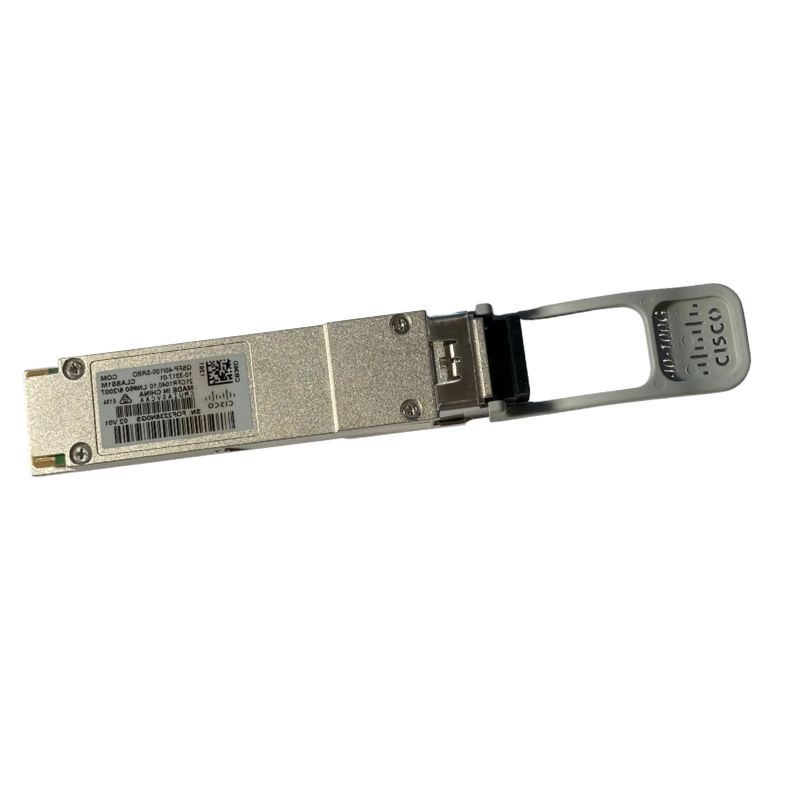


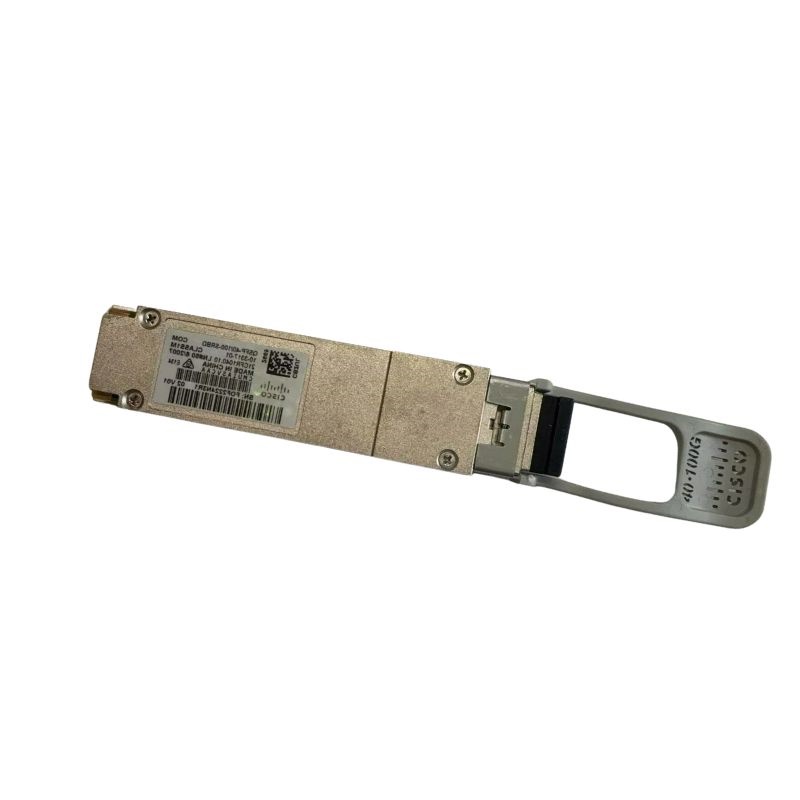
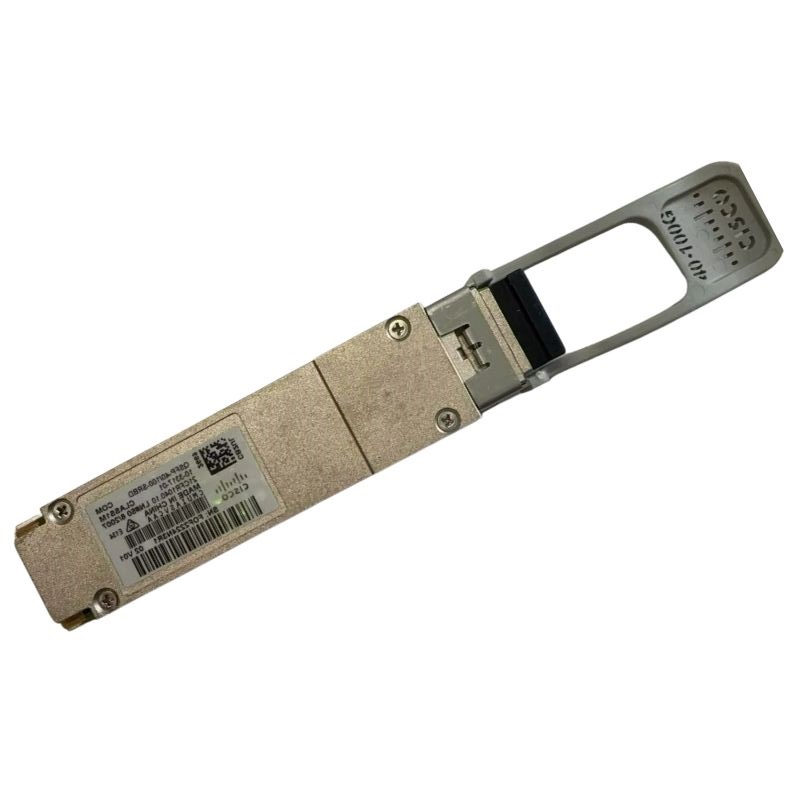
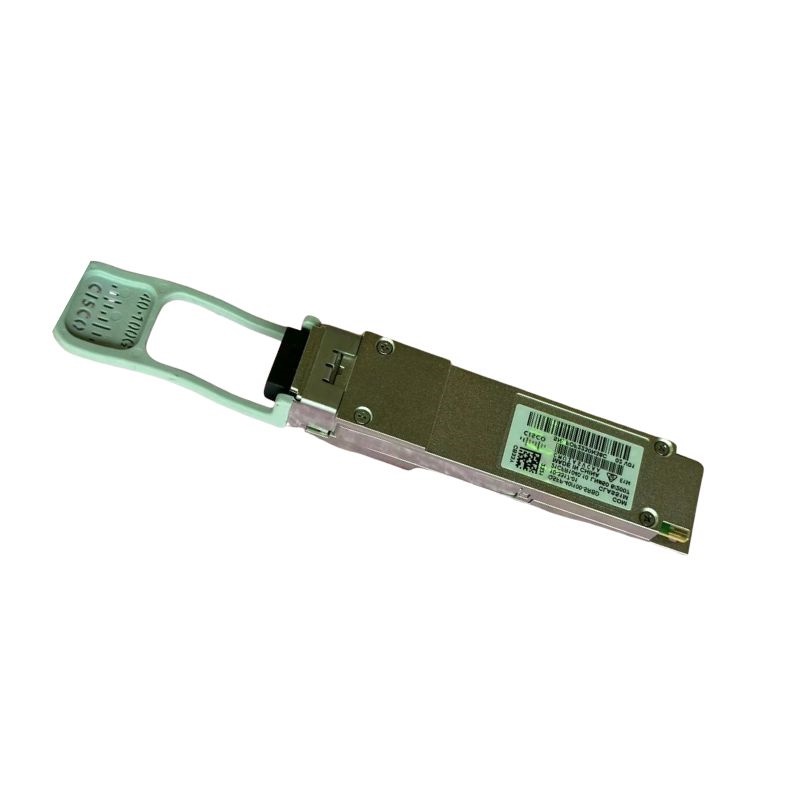
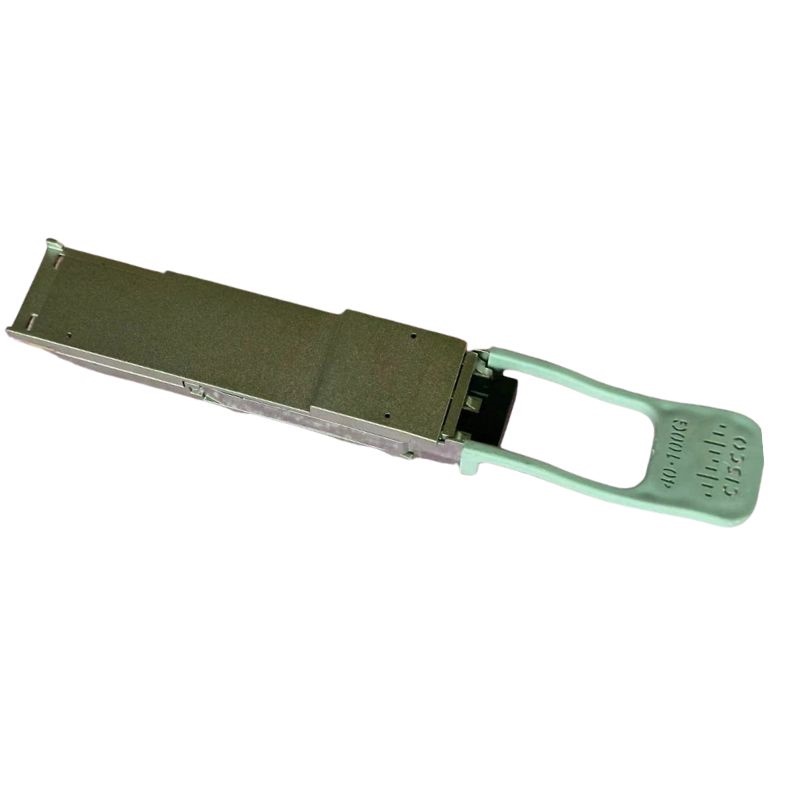
Cisco 10-3317-01 100 GBPS LC Multi-Mode QSFP+ Transceiver Module. Excellent Refurbished with 1 year replacement warranty
| SKU/MPN | Warranty | Price | Condition | You save |
|---|---|---|---|---|
| 10-3317-01 | 1 Year Warranty | $160.00 | Excellent Refurbished | You save: $56.00 (26%) |
| 10-3317-01 | 1 Year Warranty | $198.00 | Factory-Sealed New in Original Box (FSB) | You save: $69.30 (26%) |
The Cisco 10-3317-01 is a high-performance optical transceiver designed for modern high-speed networking environments. Built to support both 40Gbps and 100Gbps data transmission, this dual-rate QSFP28/QSFP+ module delivers flexible, efficient, and scalable connectivity for data centers, enterprise networks, and cloud infrastructure deployments.
The Cisco 10-3317-01 100Gbps LC Multi-Mode QSFP+ Transceiver Module represents a critical advancement in high-speed optical networking technology designed for modern data center architectures, enterprise backbone infrastructure, and high-performance computing environments. This category of optical transceivers is engineered to deliver ultra-high bandwidth connectivity using multi-mode fiber (MMF) technology combined with QSFP+ (Quad Small Form-factor Pluggable Plus) standards, enabling reliable, scalable, and low-latency data transmission across short to medium-range optical links. As network demands continue to expand due to cloud computing, virtualization, artificial intelligence workloads, and big data processing, modules like the Cisco 10-3317-01 play a foundational role in ensuring that infrastructure can meet performance expectations without compromising stability or efficiency.
This category encompasses high-density optical modules designed for 100Gbps Ethernet environments where LC multi-mode fiber connectors are used to optimize connectivity within structured cabling systems. It is widely adopted in environments requiring consistent throughput, predictable latency, and strong interoperability with Cisco switching and routing ecosystems. The design philosophy behind this category prioritizes energy efficiency, thermal stability, and compact integration into QSFP+ ports while maintaining enterprise-grade reliability.
The architectural design of the Cisco 10-3317-01 100Gbps QSFP+ transceiver module integrates advanced photonic components, electrical interface circuitry, and precision-engineered optical alignment systems. At its core, the module is designed to convert high-speed electrical signals into optical signals and vice versa, enabling efficient data transmission over multi-mode fiber channels. This conversion process relies on integrated laser diodes, photodetectors, and signal conditioning circuitry that ensures minimal signal degradation across transmission paths.
The QSFP+ form factor plays a central role in enabling high-density deployment, allowing multiple 100Gbps connections within a compact footprint. This architecture is particularly important in modern data centers where space optimization and port density are key design considerations. The Cisco 10-3317-01 module is designed to maintain compatibility with standardized QSFP+ cages, ensuring interoperability across a wide range of Cisco networking devices and supported third-party platforms.
The optical signal processing system within this transceiver category is engineered to ensure minimal latency and high signal integrity. By using multi-mode fiber, the module can transmit data over relatively short distances within data center environments while maintaining high bandwidth efficiency. The signal processing pipeline includes modulation, encoding, transmission, reception, and decoding stages that work in real time to support 100Gbps throughput.
The integration of LC connectors ensures stable physical coupling between fiber strands and the transceiver interface. This improves insertion loss performance and enhances alignment precision, which is critical for maintaining signal quality in high-speed optical environments. The architecture is optimized to reduce jitter, minimize bit error rates, and ensure consistent throughput even under high network loads.
The QSFP+ form factor used in the Cisco 10-3317-01 module is a highly optimized interface standard designed for high-speed networking applications. It supports four channels of high-speed data transmission, each capable of carrying significant portions of the overall 100Gbps bandwidth. This parallel transmission architecture enhances scalability and enables efficient bandwidth aggregation.
The compact design allows network engineers to deploy dense switching configurations without excessive power consumption or thermal overhead. Additionally, the hot-swappable nature of QSFP+ modules ensures minimal downtime during upgrades or maintenance operations. This makes the category particularly suitable for mission-critical environments where continuous uptime is essential.
Multi-mode fiber technology is a defining characteristic of this transceiver category, enabling high-speed data transmission over relatively short distances typically found within data center racks or adjacent network rows. The larger core diameter of multi-mode fiber allows multiple light paths to propagate simultaneously, which is essential for short-range high-bandwidth communication.
The Cisco 10-3317-01 module leverages optimized laser transmission techniques designed specifically for multi-mode fiber environments. These techniques ensure that modal dispersion is minimized, preserving signal clarity and reducing attenuation over distance. The use of LC connectors further enhances signal stability by providing precise fiber alignment and low-loss connectivity.
The optical characteristics of this category are carefully engineered to balance reach, bandwidth, and signal integrity. Multi-mode fiber typically supports shorter transmission distances compared to single-mode fiber, but it offers cost efficiency and simplified installation in structured environments. Cisco’s engineering approach ensures that the transceiver maintains optimal performance within its intended operating range.
The module incorporates advanced error correction and signal equalization techniques to ensure consistent data delivery. These technologies help compensate for potential signal degradation caused by modal dispersion, connector loss, and environmental variations. As a result, network administrators benefit from stable performance even in high-density deployments.
Thermal efficiency is a critical consideration in high-speed optical modules. The Cisco 10-3317-01 transceiver category is designed with low-power consumption architecture that reduces heat generation while maintaining maximum throughput. Effective thermal management ensures long-term reliability and prevents performance degradation due to overheating.
The QSFP+ module housing is constructed with materials that facilitate efficient heat dissipation. Additionally, system-level cooling strategies within networking hardware further enhance thermal stability. This combination of module-level and system-level thermal design ensures sustained performance under continuous operation.
The performance profile of the Cisco 10-3317-01 category is defined by its ability to deliver 100Gbps data rates with high reliability and minimal latency. This performance is essential in environments where large volumes of data must be transmitted quickly and accurately. The module is optimized for low latency switching environments, making it suitable for financial trading systems, cloud computing infrastructures, and real-time analytics platforms.
Signal integrity is maintained through advanced modulation techniques and precise optical alignment. The module’s internal circuitry ensures that electrical-to-optical conversion occurs with minimal delay, allowing for near-instantaneous data transmission across network links. This is particularly important in distributed computing environments where synchronization and responsiveness are critical.
Bandwidth efficiency in this category is achieved through parallel data channel processing and optimized encoding schemes. Each channel within the QSFP+ architecture contributes to the overall throughput, ensuring balanced load distribution and minimizing bottlenecks. The result is a stable and predictable data transmission environment that supports mission-critical applications.
Throughput stability is further enhanced by Cisco’s proprietary signal processing enhancements, which reduce packet loss and ensure consistent performance under variable network conditions. This makes the module suitable for environments with fluctuating traffic patterns and high concurrency demands.
Latency is a key performance metric in 100Gbps optical transceivers. The Cisco 10-3317-01 category is designed to minimize latency by reducing processing overhead within the optical-electrical conversion process. The architecture ensures that data packets move efficiently through the transceiver without unnecessary buffering or delay.
This low-latency performance is especially valuable in applications such as high-frequency trading, real-time data analytics, and cloud service orchestration where microsecond-level delays can significantly impact outcomes.
The Cisco 10-3317-01 100Gbps LC Multi-Mode QSFP+ transceiver module category is widely deployed across multiple networking environments. Its versatility allows it to be used in enterprise data centers, hyperscale cloud infrastructures, and high-performance computing clusters. The module’s compatibility with multi-mode fiber makes it particularly effective in intra-building and intra-rack connectivity scenarios.
In data center environments, this category is often used to interconnect top-of-rack switches, aggregation switches, and core switching layers. The high bandwidth capacity ensures that data flows efficiently between compute nodes, storage systems, and network appliances without congestion.
Enterprise networks rely on stable and scalable optical connectivity to support business-critical applications. The Cisco 10-3317-01 module category enables enterprises to build resilient network architectures that can handle increasing data loads from digital transformation initiatives. This includes cloud migration, unified communications, and large-scale virtualization deployments.
The module’s compatibility with Cisco networking equipment ensures seamless integration into existing infrastructure, reducing deployment complexity and operational overhead. This makes it a preferred choice for organizations seeking to upgrade their network backbone to 100Gbps capabilities.
High-performance computing (HPC) environments require extremely fast and reliable interconnects to support parallel processing workloads. The Cisco 10-3317-01 category supports these requirements by delivering high-bandwidth, low-latency communication between compute nodes.
Cloud service providers also benefit from this technology, as it enables efficient resource sharing, load balancing, and distributed computing across large-scale infrastructures. The scalability of QSFP+ architecture makes it ideal for rapidly expanding cloud environments.
Maintaining signal integrity requires controlled environmental conditions, including proper temperature regulation, dust-free environments, and stable power supply systems. The Cisco 10-3317-01 category is designed to operate within defined environmental thresholds to ensure consistent performance.
Electromagnetic interference shielding within networking equipment also contributes to maintaining signal clarity and reducing external noise impact. These combined factors ensure that data transmission remains stable and reliable over long operational periods.
The Cisco 10-3317-01 100Gbps LC Multi-Mode QSFP+ transceiver module category represents an important milestone in the evolution of high-speed optical networking. As global data consumption continues to grow exponentially, the need for efficient, scalable, and high-performance interconnect technologies becomes increasingly critical.
This category reflects the ongoing shift toward higher bandwidth density, lower latency communication, and energy-efficient networking solutions. It aligns with industry trends such as software-defined networking, cloud-native architectures, and hyper-converged infrastructure systems.
The future of 100Gbps optical transceivers lies in further miniaturization, increased energy efficiency, and expanded interoperability across heterogeneous network environments. Innovations in photonic integration and silicon photonics are expected to enhance performance while reducing cost and power consumption.
As networking demands continue to evolve, categories like the Cisco 10-3317-01 will remain foundational components in building next-generation digital infrastructure capable of supporting emerging technologies such as edge computing, artificial intelligence workloads, and immersive digital experiences.


 Contact Us
 Information
 Catalog
 Solid State Drives (SSD)
 Network Switches
 Hard Disk Drives
 HBA & Controllers
 PC & Servers
 PC & Server Memory
 CPU & Processors
 Network Routers
 Power Supplies
 Tape Drives & Libraries
 Network Devices
 Computer & Network Cables