(7% discount is applied at checkout)
Cart is empty
Your go-to destination for cutting-edge server products
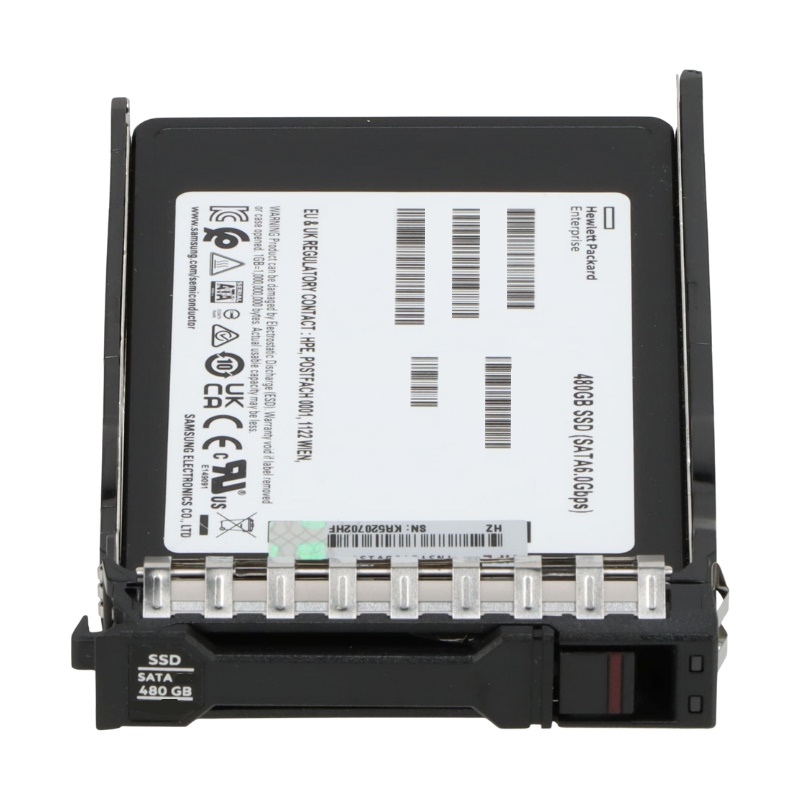


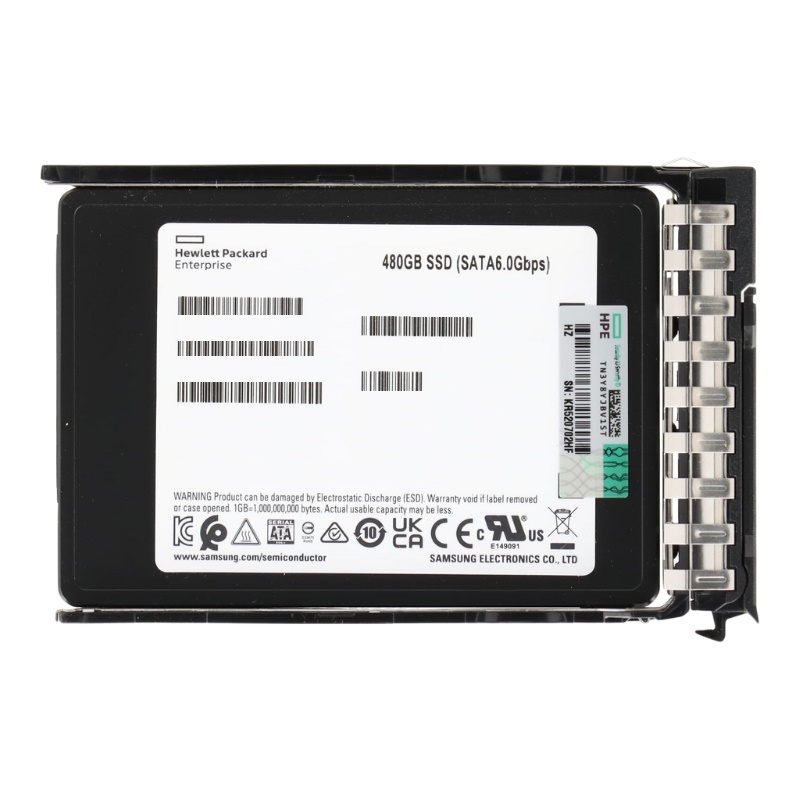
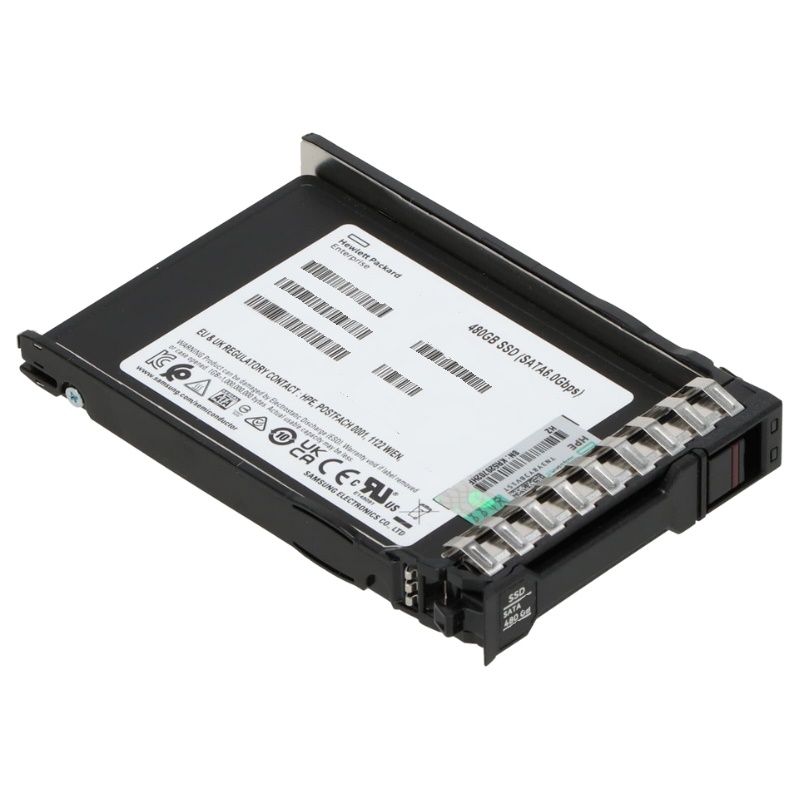
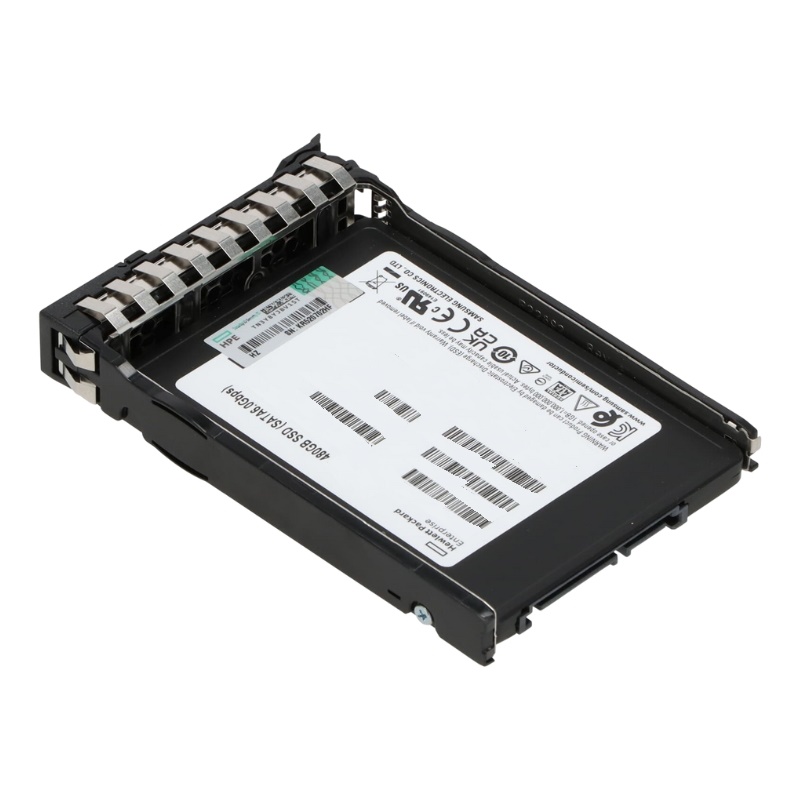
HPE 789359-001 480GB SATA 6GBPS Read Intensive(RI) SFF Solid State Drive. New (System) Pull with 1 year replacement warranty
The HPE 789359-001 480GB SATA 6Gbps Read Intensive (RI) Small Form Factor (SFF) Solid State Drive delivers dependable enterprise-class storage performance. Built for read-focused applications, this drive offers exceptional reliability, cost-efficiency, and fast access speeds. With a 2.5-inch form factor and SATA 6Gbps interface, it provides an excellent balance of performance and affordability, making it suitable for datacenters, servers, and virtualization workloads.
This SSD is optimized for read-heavy workloads, where applications demand fast data retrieval with fewer write operations. It is ideal for virtualization, media streaming, analytics, and boot operations, ensuring low latency and high system responsiveness.
The SATA 6Gbps interface supports effective transfer speeds of up to 600 MB/s, providing quick response times for read-focused applications. This ensures optimized efficiency for business operations where performance is critical.
The 2.5-inch small form factor allows maximum storage density within enterprise servers. Its compact build makes it perfect for high-performance computing environments where space optimization and energy efficiency are important.
The SATA 6Gbps interface ensures transfer speeds up to 600 MB/s, offering faster boot times and reduced data access delays. Its read-intensive design supports applications that require quick and repeated data retrieval, such as virtualization platforms, analytics, and cloud-based content delivery.
This SSD is engineered for workloads where reads dominate writes. Businesses using applications with frequent data queries, boot volumes, or analytics dashboards can achieve consistent performance while minimizing costs. Unlike write-intensive drives, read-intensive SSDs like this model balance endurance and affordability.
By consuming less power than mechanical drives, the 789359-001 SSD helps reduce operational expenses while contributing to greener IT infrastructure. Lower heat generation also improves server cooling efficiency, enhancing overall data center performance.
Traditional hard drives rely on mechanical platters, resulting in slower response times and higher failure rates. In contrast, the HPE 789359-001 SSD delivers faster speeds, improved durability, and reduced power consumption. It enables faster booting, quicker application launches, and improved end-user experiences.
SAS SSDs often provide dual-port connectivity and higher transfer rates but come with a higher price tag. The SATA-based 789359-001 offers a balance between affordability and dependable enterprise-class performance, making it ideal for businesses focused on cost-effective solutions.
NVMe SSDs outperform SATA SSDs in terms of raw speed, but they are typically more expensive and may require modern server compatibility. The HPE 789359-001 offers stable performance at a lower cost, making it suitable for organizations scaling gradually without heavy infrastructure changes.
In virtualized environments, this SSD enhances server responsiveness, reduces latency, and supports fast boot cycles. For businesses relying on cloud applications, it ensures efficient and scalable data access.
The 789359-001 SSD provides consistent throughput for caching and content delivery networks. Businesses offering streaming services, media platforms, or e-commerce websites benefit from reduced latency and faster user experiences.
The 2.5-inch SFF design allows IT managers to maximize storage capacity in compact server environments. This enables scalability and flexibility for businesses expanding their data infrastructure.
The 789359-001 SSD is fully validated for use with HPE ProLiant servers and HPE storage arrays. This ensures easy deployment, reliable performance, and enterprise-class support for mission-critical workloads.


 Contact Us
 Information
 Catalog
 Solid State Drives (SSD)
 Network Switches
 Hard Disk Drives
 HBA & Controllers
 PC & Servers
 PC & Server Memory
 CPU & Processors
 Network Routers
 Power Supplies
 Tape Drives & Libraries
 Network Devices
 Computer & Network Cables