(7% discount is applied at checkout)
Cart is empty
Your go-to destination for cutting-edge server products
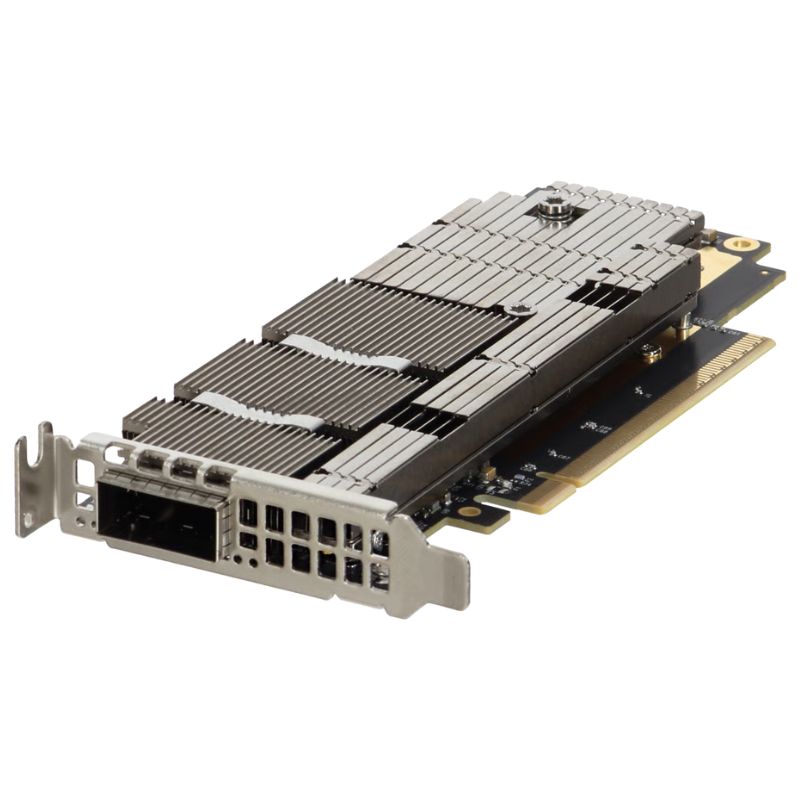


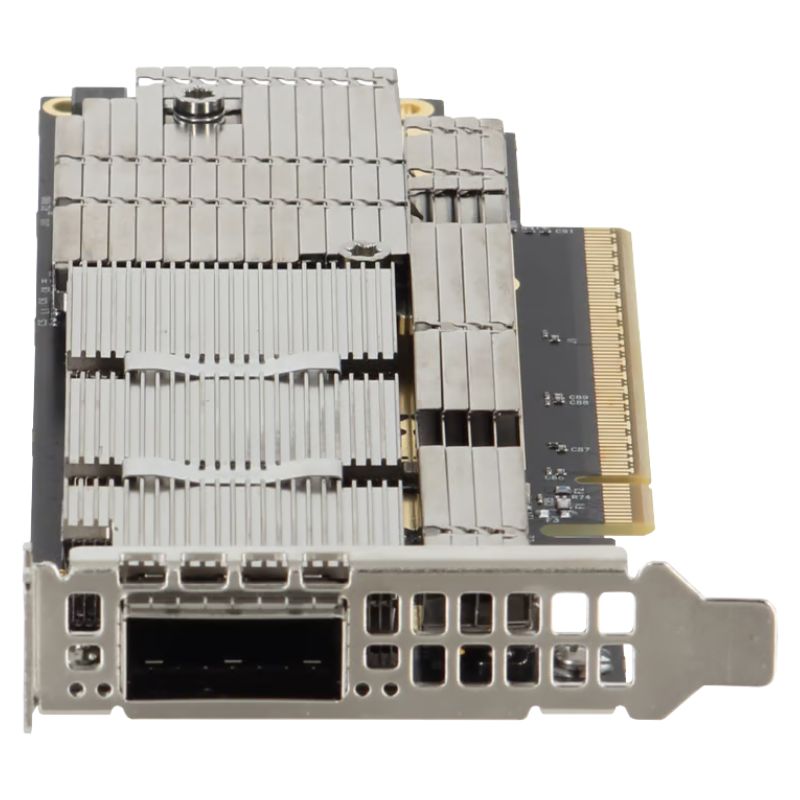
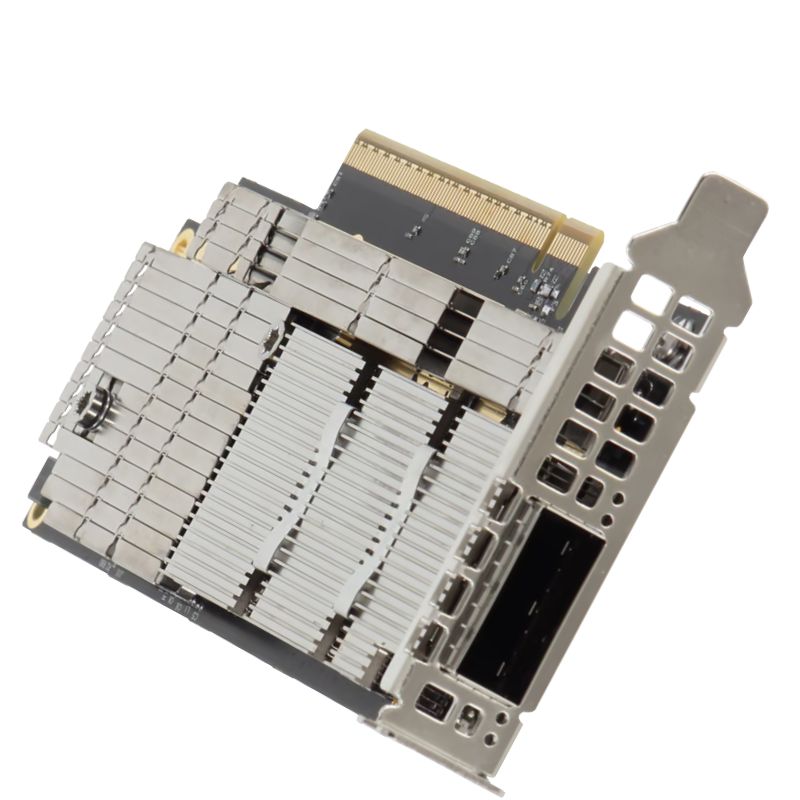
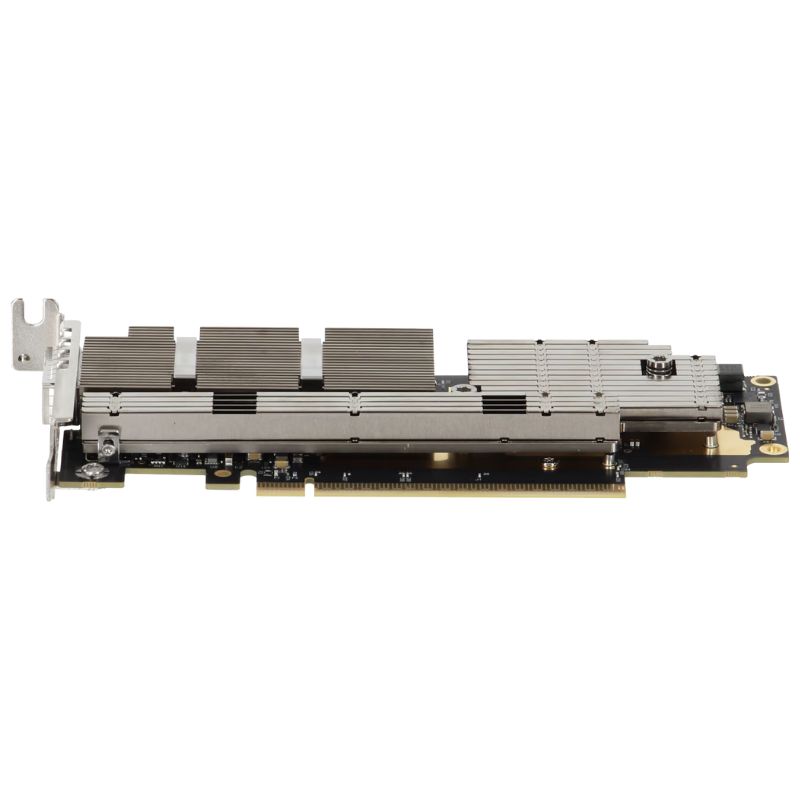
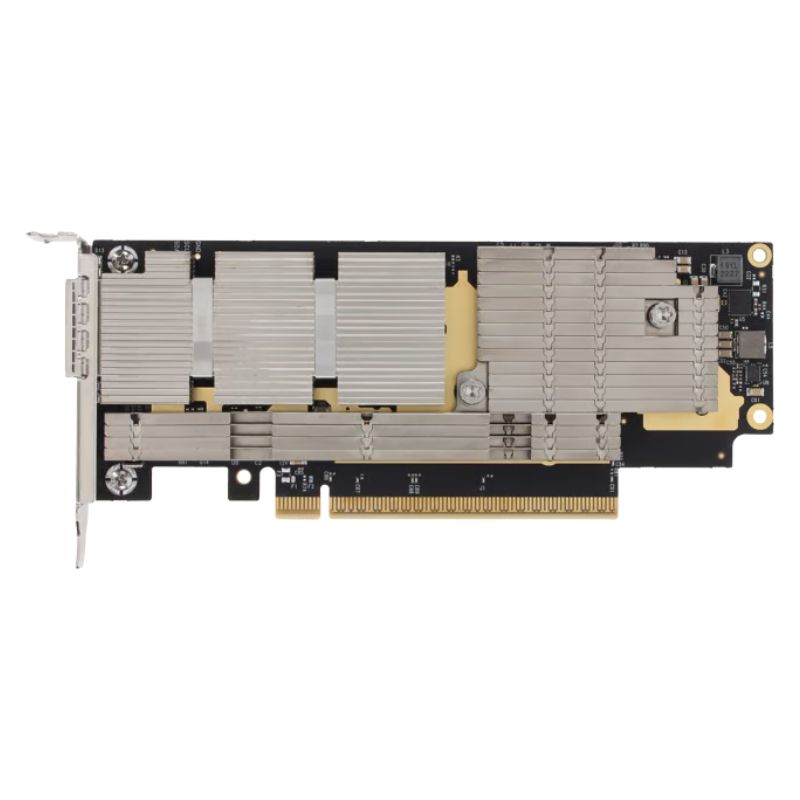
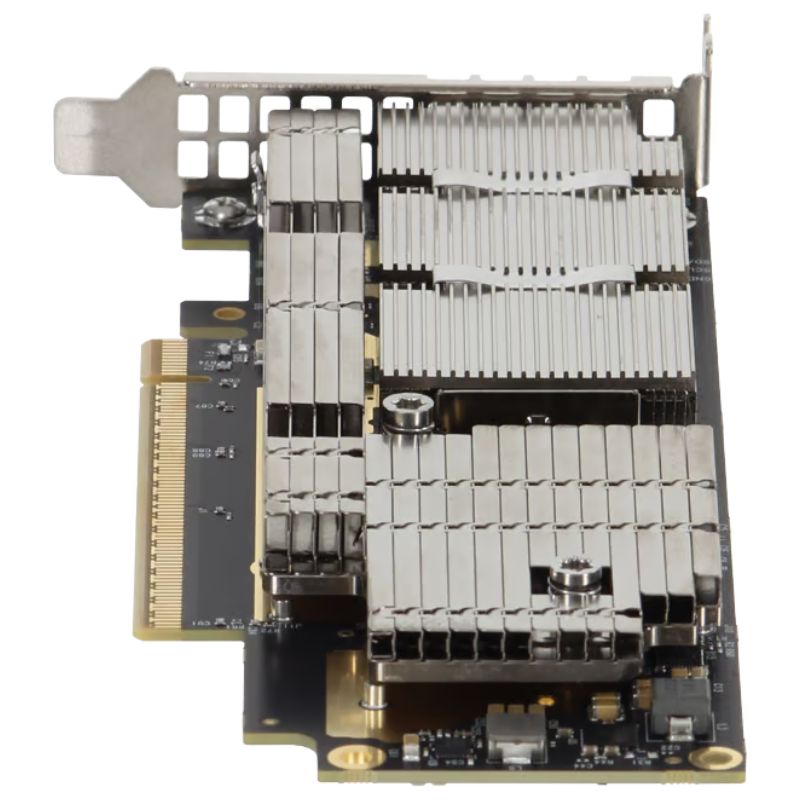
Nvidia 900-9X766-003N-SQ0 ConnectX-7 NDR IB Single-Port 400GBPS OSFP PCIe 5.0 X16 Network Adapter. Excellent Refurbished with 1 year replacement warranty
| SKU/MPN | Warranty | Price | Condition | You save |
|---|---|---|---|---|
| 900-9X766-003N-SQ0 | 1 Year Warranty | $1,565.00 | Excellent Refurbished | You save: $547.75 (26%) |
| 900-9X766-003N-SQ0 | 1 Year Warranty | $1,757.00 | Factory-Sealed New in Original Box (FSB) | You save: $614.95 (26%) |
The Nvidia 900-9X766-003N-SQ0 ConnectX-7 is a high-performance single-port network interface card designed for cutting-edge datacenter environments. Offering 400Gbps NDR InfiniBand and advanced Ethernet connectivity, this PCIe 5.0 x16 adapter delivers next-level bandwidth for modern workloads, cloud computing, artificial intelligence, and HPC clusters.
900-9X766-003N-SQ0 Nvidia ConnectX-7 NDR IB High Level
The 900-9X766-003N-SQ0 Nvidia ConnectX-7 NDR IB Single-Port 400GBPS OSFP PCIe 5.0 X16 Network Adapter represents a top-tier class of data center and high-performance computing (HPC) network interface cards (NICs). Designed for ultra-low latency, high-throughput environments, and heavy I/O workloads, this adapter is built around Nvidia's ConnectX-7 family and targets demanding use cases like AI/ML training, large-scale virtualization, telco infrastructure, and financial trading platforms.
The adapter is rated for 400 Gbps per port using an OSFP form factor. It leverages PCIe 5.0 x16 to minimize host-bus bottlenecks and to sustain line-rate transfers for multi-gigabyte workloads. Key bandwidth-related features include:
Programmable match/action pipelines and integration with Data Processing Units (DPUs) enable advanced networking functions such as in-network telemetry, flow steering, and custom packet processing. ConnectX-7 fits into the broader Nvidia ecosystem for DPUs and accelerators.
Below is a structured summary of the most important technical specifications for the 900-9X766-003N-SQ0 ConnectX-7 adapter, useful for capacity planning and system design.
Before purchasing, confirm the server platform supports PCIe 5.0 x16 and has sufficient physical clearance for an OSFP module. While PCIe 5.0 backward compatibility with PCIe 4.0/3.0 exists, reduced host bandwidth will cap overall achievable throughput if the server does not implement PCIe 5.0 lanes.
This adapter integrates with modern leaf-spine switches that support 400GbE or InfiniBand fabrics. Verify switch OSFP port support, transceiver compatibility (QSFP-DD vs OSFP differences), and whether passive or active cables and optics are required.
OSFP modules can use direct-attach cables (DAC), active optical cables (AOC), or transceiver modules. Match the adapter’s optical and electrical specifications when selecting cables — using incorrect interconnects will limit performance or prevent link-up.
900-9X766-003N-SQ0 For training deep learning models across many GPU nodes, this adapter provides the bandwidth and RDMA offload required for efficient parameter synchronization and off-host communication. Typical deployments:
NVMe-oF deployments benefit from RDMA and hardware acceleration to achieve low-latency, high-IOPS storage networks. Use the ConnectX-7 adapter as an accelerator for NVMe targets and initiators to boost storage fabric performance.
In cloud and telco environments where multi-tenancy, DPDK acceleration, and SR-IOV are crucial, ConnectX-7’s virtualization offloads and representor support reduce hypervisor overhead and increase VM-to-network throughput.
Keep firmware and drivers up to date: performance patches, security fixes, and stability improvements often come through driver and firmware releases. Best practices include:
Increasing MTU (jumbo frames) reduces per-packet CPU overhead and can improve throughput for large sequential transfers. However, ensure all fabric elements — switches, routers, and end-hosts — support the chosen MTU.
Use hardware-enforced isolation features like SR-IOV for tenant separation in virtualized environments. Leverage ACLs and flow steering to isolate management traffic from data traffic. Keep firmware signed and only install vendor-provided, validated firmware to avoid supply-chain risks.
Integrate NIC-level logs with centralized log systems. Configure alerts for link flaps, CRC errors, and thermal throttling events to allow proactive remediation.


 Contact Us
 Information
 Catalog
 Solid State Drives (SSD)
 Network Switches
 Hard Disk Drives
 HBA & Controllers
 PC & Servers
 PC & Server Memory
 CPU & Processors
 Network Routers
 Power Supplies
 Tape Drives & Libraries
 Network Devices
 Computer & Network Cables