(7% discount is applied at checkout)
Cart is empty
Your go-to destination for cutting-edge server products
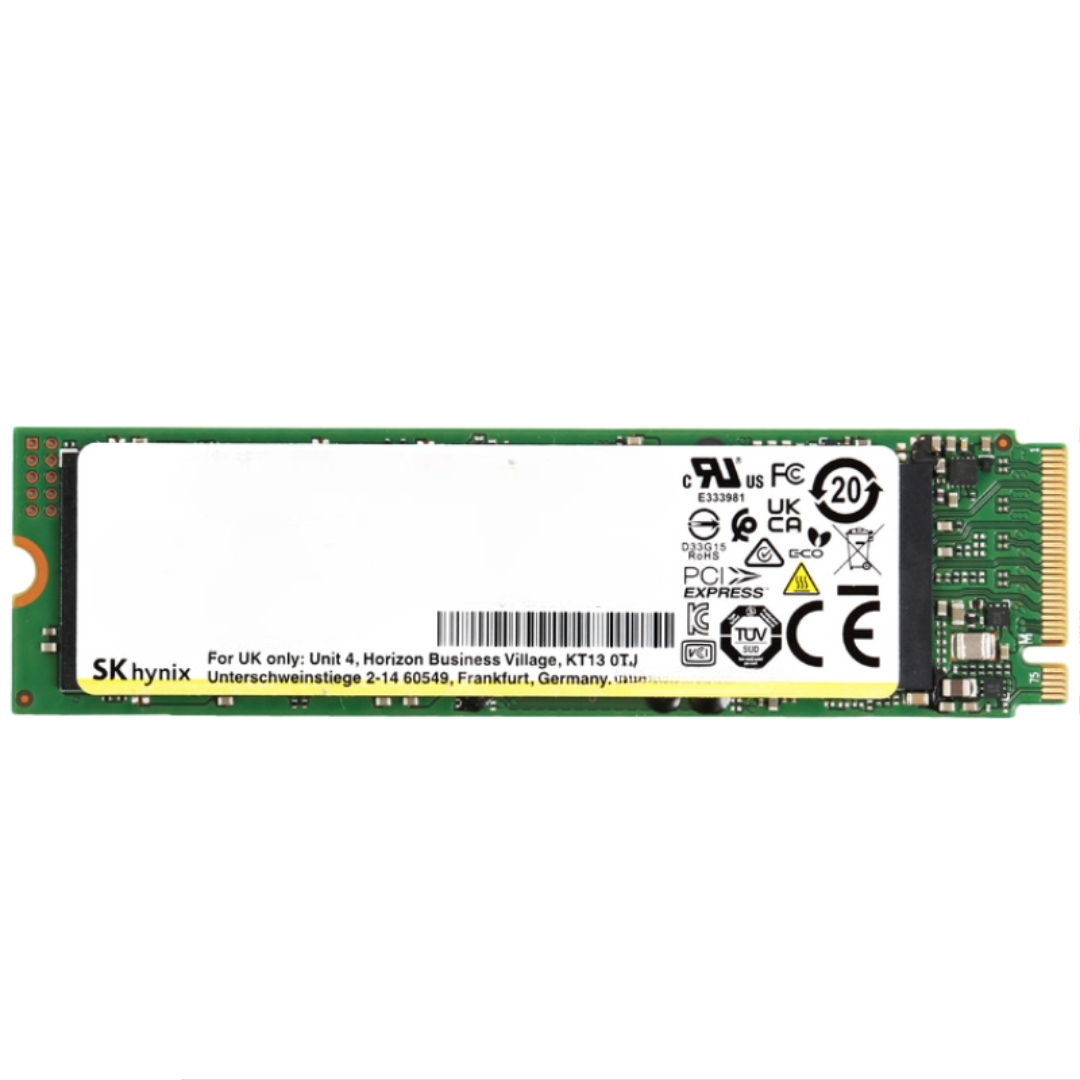


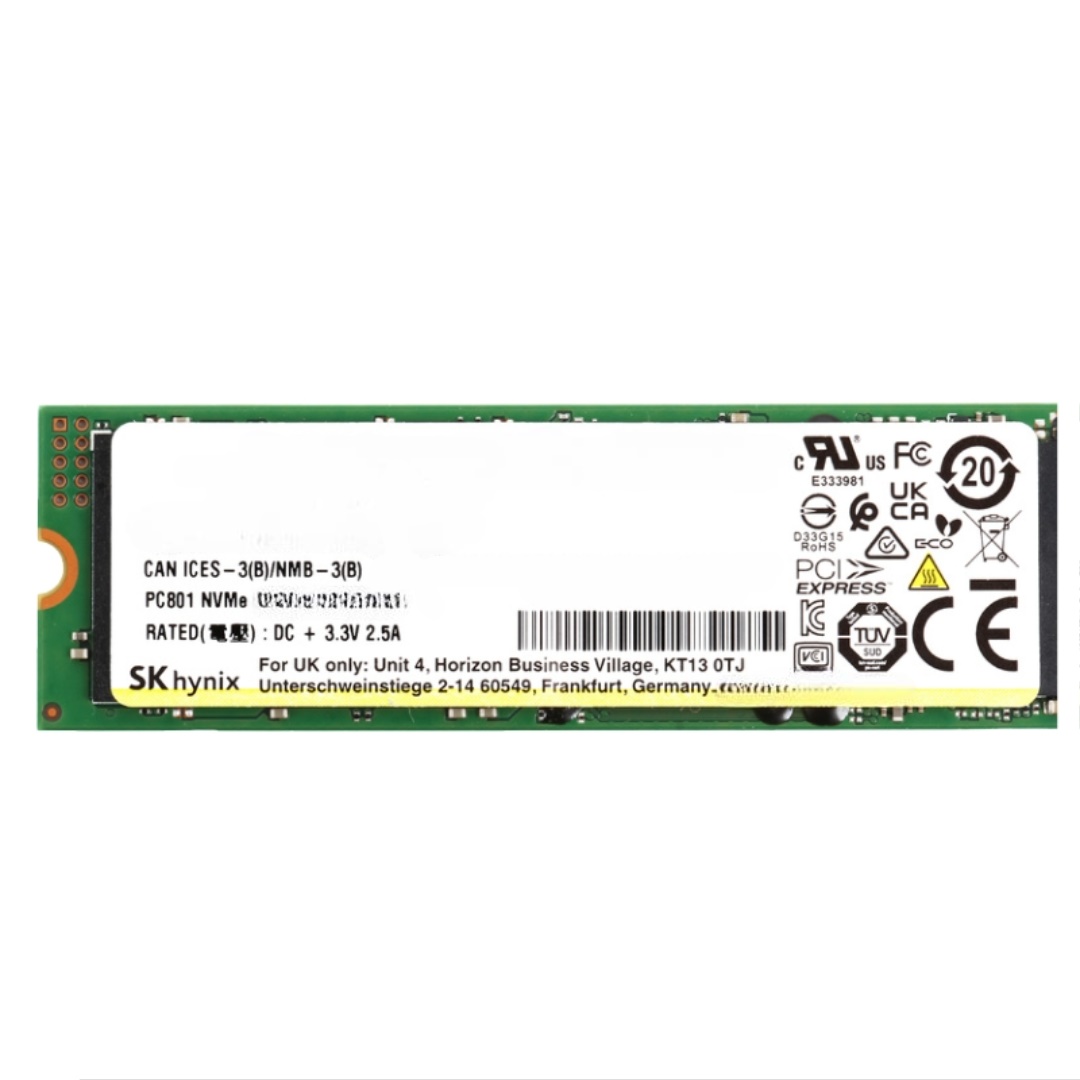
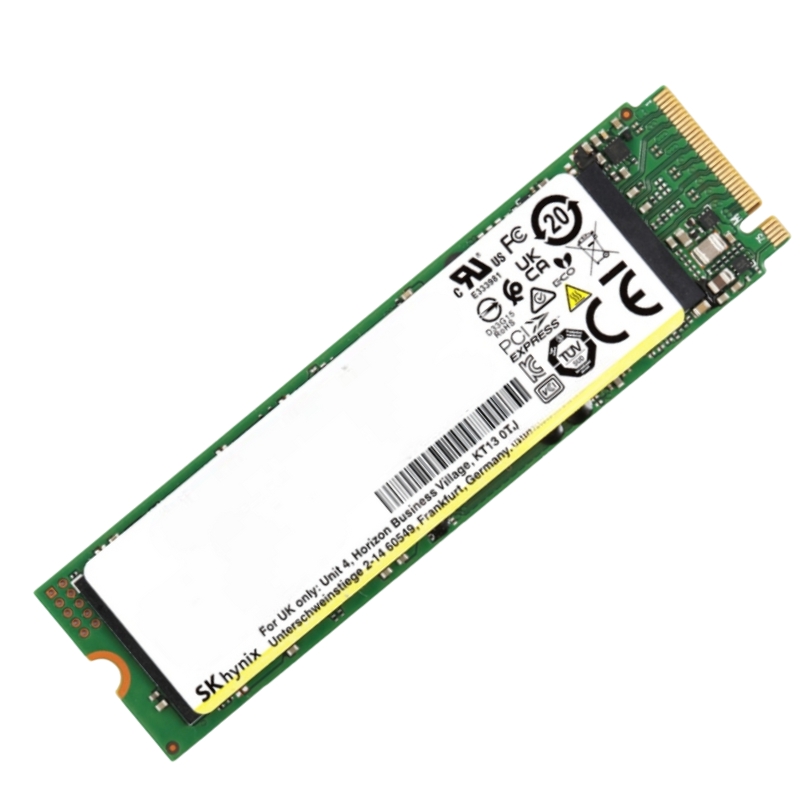
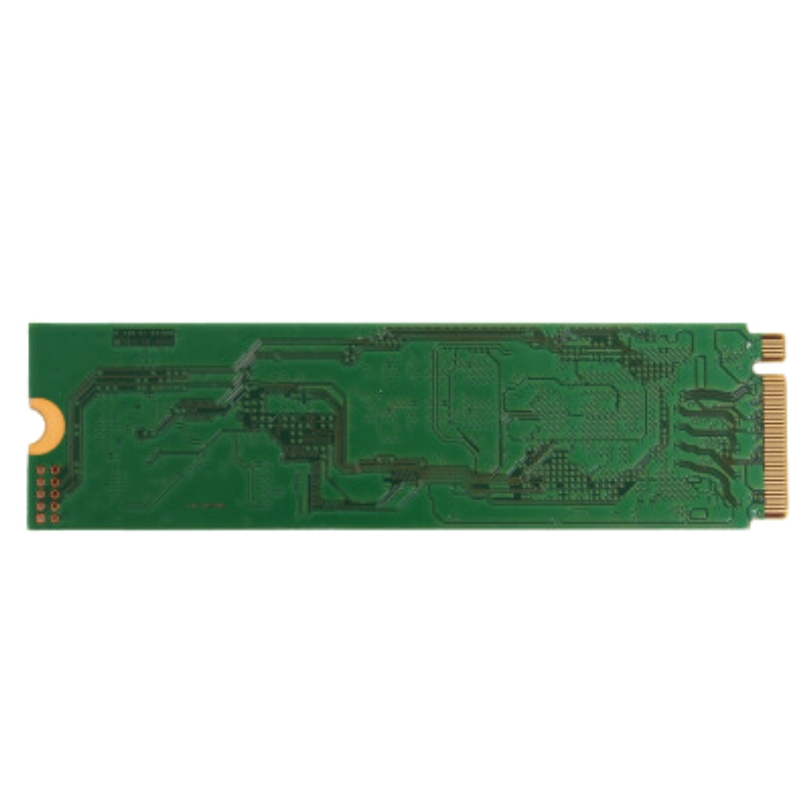
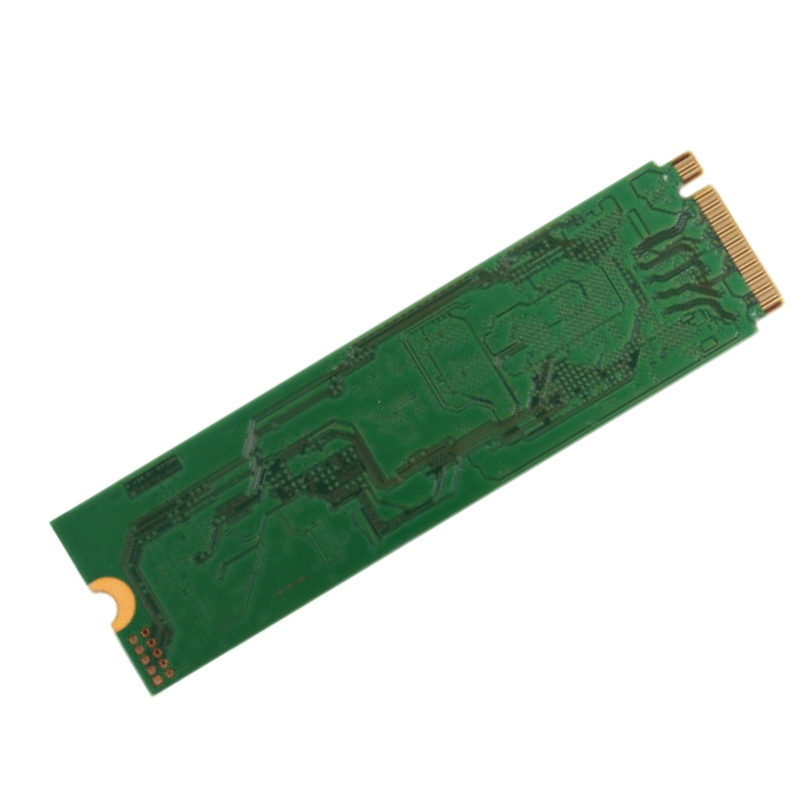
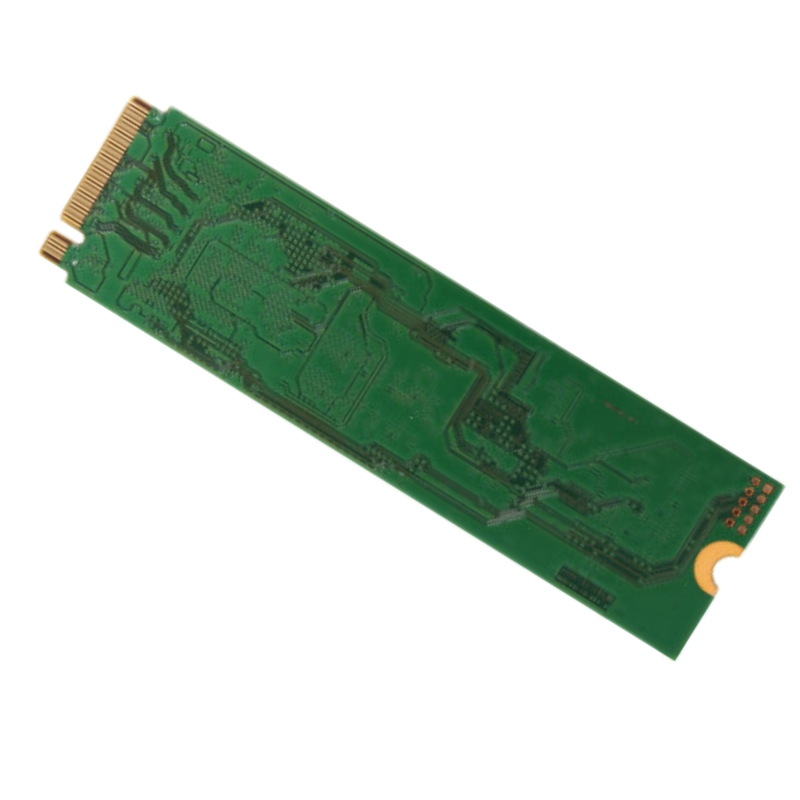
Hynix HFS1T9GDE0X098N 1.92TB Pe8110 Series PCIE Gen3 X4 NVMe M.2 22110 Read Intensive Internal Enterprise SSD. Excellent Refurbished with 1-Year Replacement Warranty
The Hynix HFS1T9GDE0X098N 1.92TB PCIe NVMe Gen3 x4 Read Intensive M.2 Solid State Drive is engineered for enterprise workloads requiring high-speed data access, consistent reliability, and efficient power usage. This internal SSD from the PE8110 series offers superior performance for servers and storage systems.
The enterprise solid state storage category represented by the Hynix HFS1T9GDE0X098N 1.92TB Pe8110 Series PCIe Gen3 x4 NVMe M.2 22110 Read Intensive Internal SSD is designed to meet the growing demands of modern data-centric infrastructures. This category focuses on compact yet powerful NVMe-based storage solutions optimized for consistent read performance, predictable latency, and long-term reliability in professional server and embedded enterprise environments. As data volumes continue to expand across virtualization platforms, cloud services, analytics engines, and content delivery systems, enterprise NVMe M.2 SSDs have become a foundational component for achieving efficiency and scalability without sacrificing endurance.
This class of storage emphasizes balanced performance, power efficiency, and firmware-level reliability enhancements that distinguish enterprise-grade solutions from consumer NVMe drives. The Pe8110 Series, built on PCI Express Gen3 x4 architecture, exemplifies how this category delivers high throughput while maintaining compatibility with a broad range of existing server platforms and embedded systems. The use of the M.2 22110 form factor allows dense deployments in space-constrained environments such as blade servers, edge computing appliances, and hyperscale infrastructure nodes.
The Hynix Pe8110 Series occupies a strategic position within the enterprise NVMe SSD category, particularly targeting read-intensive applications where performance stability and predictable quality of service are essential. Unlike write-heavy or mixed-use enterprise SSDs, this category prioritizes sustained read operations, making it suitable for workloads that involve frequent data retrieval rather than constant data modification. Examples include boot drives for servers, operating system volumes for hypervisors, metadata storage layers, and read-focused databases.
Within the broader enterprise storage taxonomy, the Pe8110 Series aligns with NVMe-based M.2 enterprise SSDs that emphasize low latency and efficient power usage. This classification enables IT architects to deploy high-speed storage at scale without the thermal and power overhead associated with larger add-in cards or U.2 form factor drives. The 1.92TB capacity point further reinforces its role as a mainstream enterprise option, offering a balance between usable capacity and endurance suited for long operational lifecycles.
Read intensive SSDs are categorized based on their ability to deliver high read IOPS, fast sequential read throughput, and low latency while maintaining sufficient endurance for limited write activity. The Hynix HFS1T9GDE0X098N fits squarely into this classification by leveraging advanced NAND flash technology and optimized firmware algorithms that minimize write amplification and reduce wear during read-dominant usage patterns.
This classification is especially relevant in environments where data is written infrequently but accessed repeatedly, such as content caching layers, web hosting infrastructure, and analytics dashboards. In these scenarios, the read intensive enterprise SSD category provides cost efficiency compared to high-end mixed-use drives while still offering the reliability, power-loss protection mechanisms, and firmware validation expected in enterprise deployments.
The PCIe Gen3 NVMe segment remains a critical component of enterprise storage strategies due to its widespread platform support and mature ecosystem. While newer PCIe Gen4 and Gen5 interfaces offer higher peak bandwidth, PCIe Gen3 x4 NVMe SSDs like the Pe8110 Series continue to deliver ample performance for many enterprise workloads without introducing compatibility or thermal management challenges.
This segment benefits organizations seeking dependable performance with proven interoperability across multiple server generations. The NVMe protocol ensures parallel command execution, reduced latency, and efficient CPU utilization, all of which are essential characteristics of enterprise-class storage. By operating within the PCIe Gen3 category, the Pe8110 Series provides a stable and predictable performance profile suitable for long-term infrastructure planning.
The M.2 22110 form factor represents an important subcategory within enterprise SSD design, offering a longer PCB length compared to standard M.2 2280 drives. This extended size allows for higher NAND density, improved thermal distribution, and enhanced power management components, all of which contribute to sustained performance and reliability in enterprise workloads.
In dense server configurations, the M.2 22110 format enables direct motherboard integration, reducing cabling complexity and improving airflow management. This category is particularly valuable in modern server architectures that prioritize modularity, serviceability, and high component density. The Hynix Pe8110 Series leverages this form factor to deliver enterprise-grade performance in a compact footprint that aligns with contemporary hardware design trends.
Thermal management is a critical consideration in the enterprise M.2 SSD category, as sustained high-performance operations can generate significant heat. The longer 22110 form factor provides additional surface area for heat dissipation, allowing for more consistent performance under continuous workloads. This design characteristic reduces the likelihood of thermal throttling, which can negatively impact application responsiveness and service-level agreements.
Enterprise SSDs in this category are engineered to operate within specified thermal envelopes, often supported by server chassis airflow and motherboard-integrated heatsinks. The Pe8110 Series benefits from these design considerations, making it suitable for continuous operation in data center and edge computing environments where temperature stability is essential.
The enterprise M.2 22110 SSD category supports high storage density by enabling multiple drives to be installed directly on server motherboards. This approach maximizes usable storage capacity per rack unit while minimizing the physical footprint of the storage subsystem. For organizations seeking to optimize space utilization, this category offers a compelling alternative to traditional 2.5-inch SSD deployments.
By reducing the need for additional drive bays and backplanes, M.2 enterprise SSDs contribute to streamlined server designs and lower total cost of ownership. The Hynix HFS1T9GDE0X098N exemplifies how this category supports scalable storage architectures without compromising performance or reliability.
Performance is a defining attribute of the enterprise NVMe SSD category, and the Pe8110 Series is engineered to deliver consistent throughput and low latency under read-intensive conditions. This category emphasizes predictable performance metrics rather than peak benchmark numbers, ensuring that applications experience stable response times even during sustained workloads.
The PCIe Gen3 x4 interface provides sufficient bandwidth to support high sequential read speeds and strong random read IOPS, making this category suitable for a wide range of enterprise applications. The NVMe protocol further enhances performance by enabling deep command queues and parallel processing, which are essential for multi-threaded server environments.
Low latency is a critical requirement for enterprise applications such as virtualization platforms, in-memory databases, and real-time analytics systems. The enterprise NVMe SSD category addresses this requirement through optimized controller architectures and firmware algorithms that minimize command processing overhead.
The Pe8110 Series benefits from these optimizations, delivering fast access times that contribute to improved application responsiveness and user experience. By maintaining consistent latency profiles, this category supports predictable performance outcomes, which are essential for capacity planning and workload optimization.
Enterprise environments often require storage solutions that can maintain performance over extended periods without degradation. The read intensive NVMe SSD category focuses on sustained throughput rather than short-duration bursts, ensuring that workloads such as content delivery and data warehousing can operate efficiently around the clock.
The Hynix Pe8110 Series is designed to sustain high read throughput while managing background operations such as garbage collection and wear leveling. This balance enables the drive to deliver reliable performance throughout its service life, aligning with the expectations of enterprise IT operations.
Reliability is a cornerstone of the enterprise SSD category, and read intensive NVMe drives are engineered to meet stringent durability and data integrity requirements. This category incorporates advanced error correction, firmware validation processes, and endurance management techniques to ensure long-term operational stability.
The 1.92TB capacity point within this category is optimized to deliver sufficient endurance for read-dominant workloads while maintaining cost efficiency. Enterprise SSDs like the Pe8110 Series are validated for continuous operation, making them suitable for mission-critical applications where downtime and data loss are unacceptable.
Enterprise NVMe SSDs employ sophisticated error correction codes and data path protection mechanisms to safeguard information throughout the storage lifecycle. These technologies detect and correct errors at multiple stages, from NAND flash memory to the host interface, ensuring data accuracy and reliability.
The Pe8110 Series integrates these enterprise-grade protections, aligning with the expectations of data center operators and system integrators. This category prioritizes data integrity as a fundamental requirement, supporting compliance with enterprise reliability standards.
Although read intensive SSDs experience fewer write cycles than mixed-use drives, effective wear management remains essential for long-term reliability. The enterprise SSD category incorporates wear leveling algorithms that distribute write activity evenly across NAND cells, reducing the risk of premature failure.
By optimizing endurance characteristics for read-focused workloads, the Pe8110 Series delivers a balanced lifespan that meets enterprise deployment requirements. This approach ensures predictable replacement cycles and simplifies storage lifecycle management.
The enterprise NVMe M.2 read intensive SSD category is well-suited for a diverse range of applications that prioritize fast data access and consistent performance. The Hynix HFS1T9GDE0X098N aligns with these use cases by offering a combination of capacity, speed, and reliability tailored to professional environments.
Common deployment scenarios include server boot volumes, hypervisor installations, virtual desktop infrastructure, and read-heavy database systems. In each of these contexts, the category delivers tangible benefits in terms of reduced latency, improved system responsiveness, and efficient power consumption.
Virtualized environments place unique demands on storage subsystems, requiring low latency and high IOPS to support multiple concurrent virtual machines. The enterprise NVMe SSD category addresses these demands by providing fast access times and efficient parallel processing capabilities.
The Pe8110 Series supports virtualization platforms by delivering consistent read performance that enhances VM boot times, application responsiveness, and overall system stability. This makes the category an attractive option for private and hybrid cloud deployments.
Edge computing environments often operate under space, power, and thermal constraints, making compact and efficient storage solutions essential. The M.2 22110 enterprise SSD category is particularly well-suited for these scenarios, offering high performance in a small footprint.
The Hynix Pe8110 Series enables edge systems to process and retrieve data quickly, supporting real-time analytics, content delivery, and IoT applications. This category bridges the gap between centralized data centers and distributed edge nodes, providing consistent storage performance across diverse deployment models.
The Pe8110 Series benefits from Hynix’s enterprise firmware development practices, which emphasize stability, interoperability, and predictable behavior. This category supports standardized NVMe command sets and management features, simplifying integration into existing infrastructure.
Enterprise NVMe SSD categories are designed to integrate seamlessly with industry-standard server architectures and operating systems. This compatibility ensures that organizations can deploy storage solutions without extensive customization or validation efforts.
The PCIe Gen3 x4 interface and M.2 22110 form factor of the Pe8110 Series support broad platform compatibility, making it suitable for a wide range of enterprise hardware configurations. This flexibility reduces deployment risk and accelerates time to value.
Effective storage management is essential for maintaining performance and reliability in enterprise environments. The NVMe enterprise SSD category supports monitoring and management capabilities that enable administrators to track health metrics, usage patterns, and potential issues.
The Pe8110 Series aligns with these management expectations, allowing organizations to incorporate the drive into their existing monitoring frameworks. This category emphasizes transparency and control, empowering IT teams to optimize storage performance proactively.


 Contact Us
 Information
 Catalog
 Solid State Drives (SSD)
 Network Switches
 Hard Disk Drives
 HBA & Controllers
 PC & Servers
 PC & Server Memory
 CPU & Processors
 Network Routers
 Power Supplies
 Tape Drives & Libraries
 Network Devices
 Computer & Network Cables