(7% discount is applied at checkout)
Cart is empty
Your go-to destination for cutting-edge server products
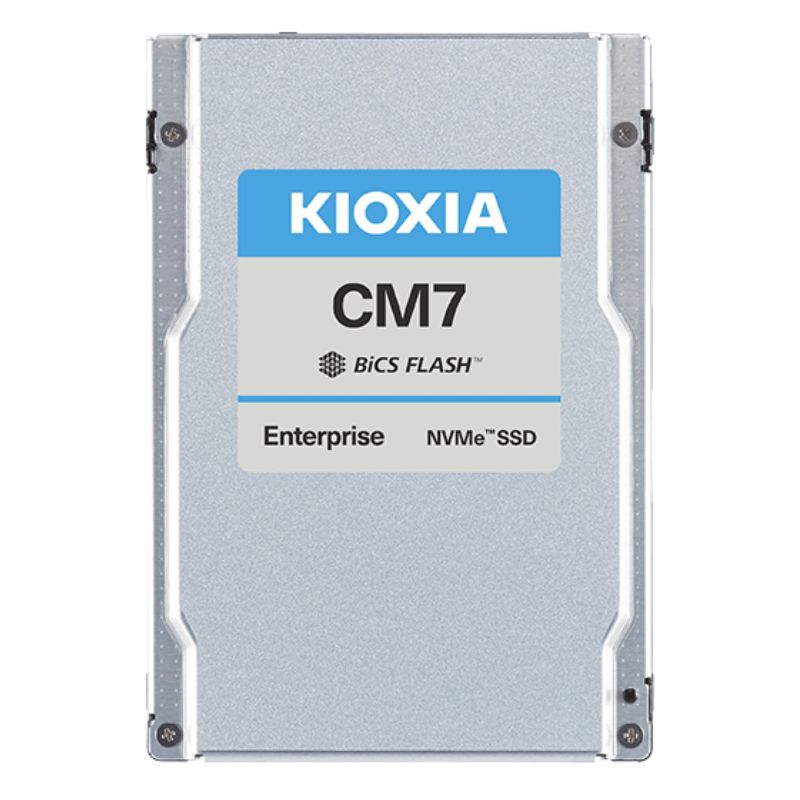


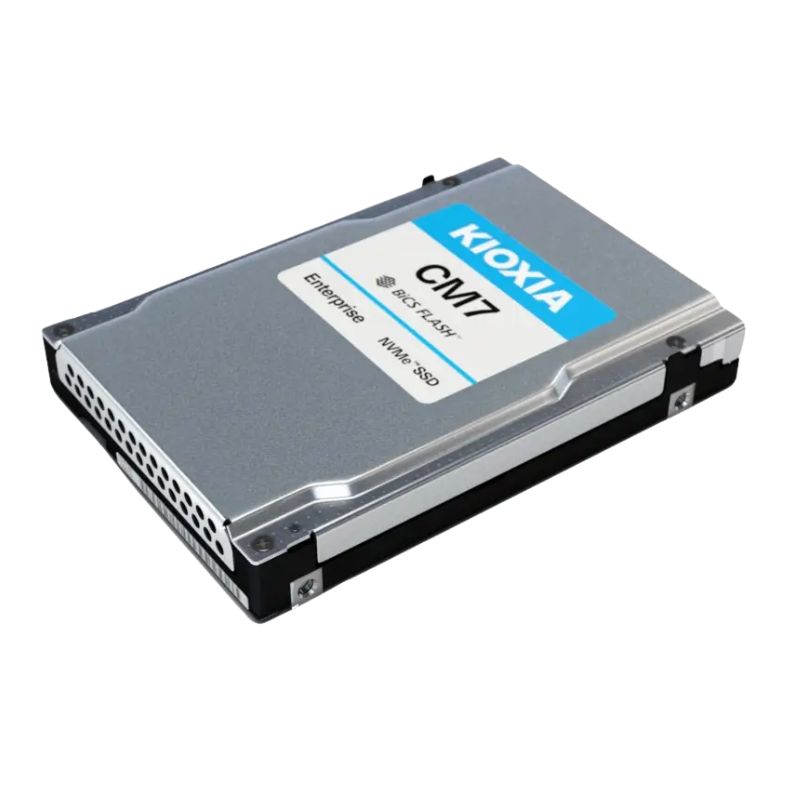
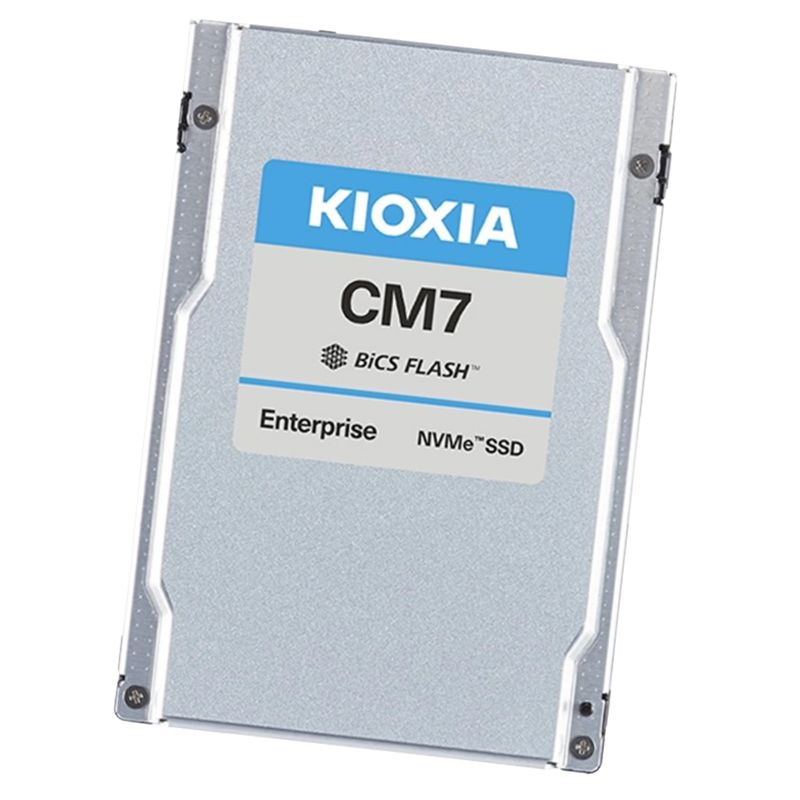
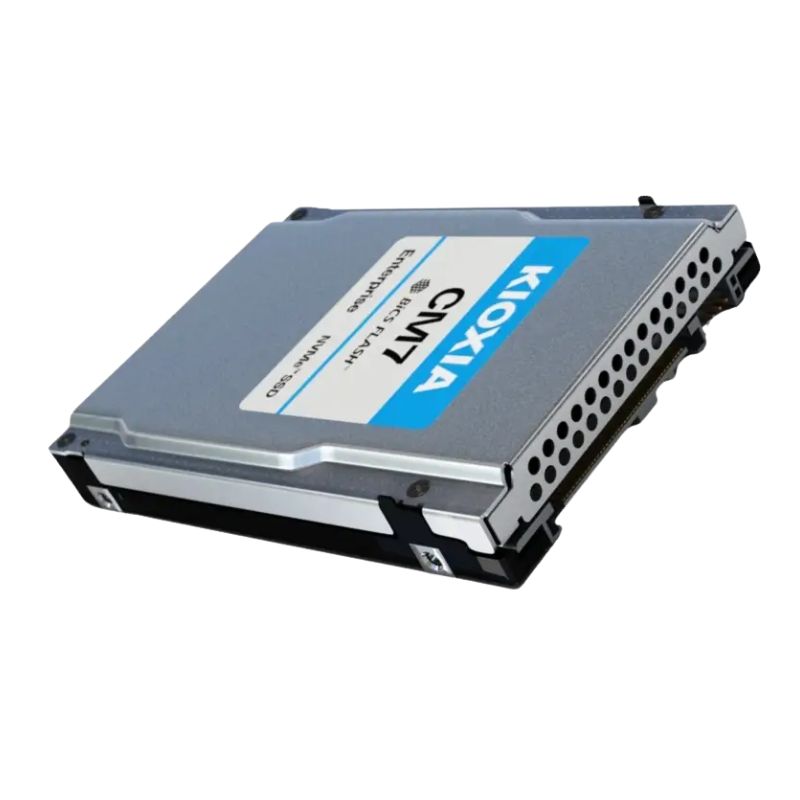
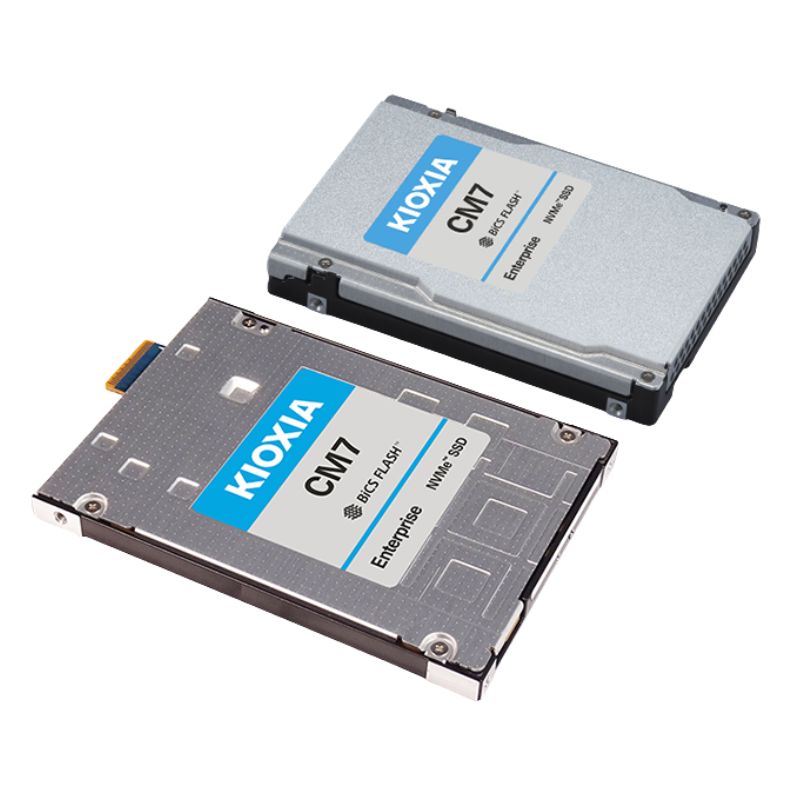
Kioxia KCMYDRUG1T92 1.92TB CM7-R Series PCIe 5.0 NVMe 2.0 2.5 Inch 15mm 1DWPD Enterprise Solid State Drive. New Sealed in Box (NIB) with 3 Years Warranty
The Kioxia KCMYDRUG1T92 1.92TB CM7-R Series solid state drive is engineered to meet the demanding requirements of modern enterprise infrastructures. Designed around PCIe 5.0 and NVMe 2.0 standards, this enterprise SSD delivers exceptional bandwidth, ultra-low latency, and consistent performance for mission-critical workloads. Its 2.5 inch, 15mm form factor ensures broad compatibility with next-generation servers and high-density storage platforms.
The enterprise solid state drive category represented by the Kioxia KCMYDRUG1T92 1.92TB CM7-R Series PCIe 5.0 NVMe 2.0 2.5 Inch 15mm 1DWPD Enterprise Solid State Drive focuses on next-generation storage engineered for performance-intensive, mission-critical data center environments. This category addresses the growing demand for ultra-high throughput, extremely low latency, and consistent quality of service across mixed enterprise workloads. Built on PCIe 5.0 architecture and NVMe 2.0 protocol, these drives are designed to remove traditional storage bottlenecks, enabling modern servers to fully utilize multi-core CPUs, high-speed memory, and advanced networking technologies.
Enterprise NVMe SSDs in this class are optimized for read-intensive and balanced workloads where reliability, endurance, and sustained performance are essential. The CM7-R Series exemplifies how storage has evolved beyond capacity-centric design into a platform that supports real-time analytics, large-scale virtualization, containerized applications, artificial intelligence pipelines, and transactional databases. The category integrates advanced NAND flash technology, enterprise-grade controllers, and firmware optimized for predictable latency, making it suitable for hyperscale data centers, private clouds, and enterprise IT infrastructures.
The transition to PCIe 5.0 marks a significant leap in enterprise storage bandwidth, doubling the throughput of PCIe 4.0 and providing a theoretical per-lane transfer rate that supports unprecedented data movement between storage and host systems. Within this category, PCIe 5.0 NVMe drives like the Kioxia CM7-R Series are designed to meet the I/O demands of next-generation CPUs and accelerators. The increased bandwidth allows enterprise applications to scale without encountering storage-induced latency, ensuring that data-intensive workloads maintain consistent performance even under peak utilization.
NVMe 2.0 further refines command sets, power management, and namespace management to better align with modern data center architectures. It improves support for multi-tenant environments, enhances security features, and introduces more efficient mechanisms for handling large queues and parallel I/O operations. Drives in this category leverage NVMe 2.0 to deliver optimized command processing and improved compatibility with virtualization and container orchestration platforms, enabling efficient resource allocation across shared infrastructures.
Low latency is a defining characteristic of PCIe 5.0 NVMe enterprise SSDs. This category is specifically engineered to minimize response times for transactional databases, financial systems, and real-time analytics platforms. By reducing protocol overhead and utilizing high-speed interconnects, these drives ensure that applications can access data with minimal delay. The result is improved application responsiveness, higher transaction throughput, and a better overall user experience in enterprise environments.
As server CPUs continue to increase core counts, storage must scale accordingly to avoid becoming a performance bottleneck. Enterprise NVMe SSDs in the CM7-R class are optimized for parallelism, allowing multiple CPU cores to access storage simultaneously without contention. This scalability is essential for modern workloads such as microservices architectures and distributed databases, where thousands of concurrent I/O requests must be processed efficiently.
The 2.5 inch 15mm form factor used in this category reflects a balance between capacity density, thermal management, and compatibility with existing enterprise server designs. This form factor is widely adopted in data centers due to its support for hot-swappable drive bays and standardized backplane interfaces. The Kioxia KCMYDRUG1T92 1.92TB CM7-R Series aligns with these requirements, enabling seamless integration into both new and legacy server infrastructures.
Thermal efficiency is a critical aspect of enterprise SSD design, particularly for PCIe 5.0 devices that operate at higher performance levels. Drives in this category are engineered with advanced thermal management features to maintain consistent performance under sustained workloads. Effective heat dissipation ensures that the SSD can operate reliably within dense server environments without throttling, contributing to predictable quality of service.
Enterprise storage categories prioritize broad compatibility with leading server vendors and storage systems. The standardized 2.5 inch form factor and NVMe interface allow these drives to be deployed across a wide range of rack-mounted and blade servers. This compatibility simplifies procurement, deployment, and maintenance processes for IT teams managing large-scale infrastructures.
Hot-swappable design is essential in enterprise environments where uptime is critical. SSDs in this category support live replacement without shutting down systems, enabling maintenance and upgrades to be performed without service disruption. This capability is particularly valuable in data centers that operate around the clock and cannot afford downtime.
Endurance and reliability are core attributes of enterprise SSD categories, distinguishing them from consumer and client-class storage. The 1DWPD rating associated with the Kioxia KCMYDRUG1T92 1.92TB indicates that the drive can sustain one full drive write per day over its warranty period, making it suitable for read-intensive and mixed-use enterprise workloads. This endurance level ensures long-term durability in environments with continuous data access and frequent read operations.
Enterprise SSDs are designed with advanced error correction, wear leveling, and data protection mechanisms to maintain data integrity throughout the drive’s lifecycle. These features are essential for applications that handle critical business data, regulatory information, and sensitive customer records. The category emphasizes predictable performance and consistent reliability, even as the drive approaches its endurance limits.
Maintaining data accuracy is paramount in enterprise storage. Drives in this category incorporate sophisticated error detection and correction technologies that protect against data corruption. These mechanisms operate transparently, ensuring that applications receive accurate data without performance degradation. This level of protection is essential for industries such as finance, healthcare, and telecommunications, where data integrity directly impacts business outcomes.
Enterprise SSD firmware is optimized to handle sustained workloads and complex I/O patterns. Unlike consumer firmware, which may prioritize burst performance, enterprise firmware focuses on consistency, predictability, and long-term stability. This optimization ensures that the drive delivers reliable performance under continuous operation, making it suitable for mission-critical systems.
The 1.92TB capacity point within this category represents a strategic balance between storage density and cost efficiency. It is well-suited for enterprise environments that require substantial capacity without sacrificing performance or endurance. This capacity is commonly used in virtualization clusters, database servers, and cloud storage nodes, where multiple drives are aggregated to create scalable storage pools.
High-capacity enterprise SSDs enable organizations to consolidate workloads and reduce the physical footprint of their storage infrastructure. By increasing data density per server, data centers can optimize rack space, reduce power consumption, and improve overall operational efficiency. The CM7-R Series exemplifies this approach by delivering high capacity within a compact form factor.
Virtualization platforms rely on fast, reliable storage to support multiple virtual machines and containers simultaneously. Enterprise NVMe SSDs in this category provide the performance and capacity needed to host dense virtualized environments without performance degradation. The result is improved resource utilization and the ability to scale workloads dynamically.
Applications such as big data analytics, machine learning, and content delivery networks generate and consume large volumes of data. The capacity and performance characteristics of this SSD category make it well-suited for these use cases. High throughput and low latency enable faster data processing, reducing time-to-insight and improving application efficiency.
Enterprise storage categories increasingly emphasize security as data breaches and regulatory requirements become more stringent. NVMe enterprise SSDs integrate hardware-based security features designed to protect data at rest and during operation. These features support secure deployment in multi-tenant environments and compliance with industry standards.
Data protection mechanisms within this category are designed to safeguard against unauthorized access, data loss, and tampering. By integrating security at the hardware level, enterprise SSDs provide a robust foundation for secure storage architectures, reducing reliance on software-based controls alone.
Multi-tenant data centers require strong isolation between workloads to prevent data leakage. Enterprise NVMe SSDs leverage namespace management and access control features to support secure multi-tenant configurations. This ensures that each tenant’s data remains isolated and protected, even when sharing the same physical storage resources.
Consistency is a defining requirement for enterprise storage categories. Unlike consumer SSDs, which may exhibit performance variability under sustained load, enterprise NVMe SSDs are engineered to deliver predictable performance over time. This consistency is essential for service-level agreements and for maintaining application performance in shared environments.
Quality of service features within this category help ensure that latency and throughput remain within defined thresholds, even during peak demand. By prioritizing critical workloads and managing I/O queues effectively, these drives support reliable operation in complex enterprise infrastructures.
Applications such as online transaction processing and real-time analytics depend on predictable latency to function effectively. Enterprise SSDs in this category are designed to minimize latency spikes and deliver consistent response times. This predictability enables organizations to meet performance targets and maintain user satisfaction.
Modern data centers often run a mix of workloads on shared infrastructure. Enterprise NVMe SSDs are optimized to handle diverse I/O patterns simultaneously, ensuring that no single workload monopolizes resources. This balanced approach supports efficient consolidation and simplifies storage management.
The enterprise SSD category represented by the Kioxia CM7-R Series plays a critical role in modern data center architectures. As organizations adopt software-defined storage, hyperconverged infrastructure, and cloud-native platforms, high-performance NVMe storage becomes a foundational component. These drives enable faster data access, improved scalability, and more efficient resource utilization.
By integrating seamlessly with orchestration and management tools, enterprise NVMe SSDs support automation and dynamic provisioning. This integration allows IT teams to respond quickly to changing business demands, deploy new services efficiently, and optimize infrastructure performance.
Software-defined storage platforms rely on high-performance hardware to deliver flexibility and scalability. Enterprise NVMe SSDs provide the performance backbone for these platforms, enabling features such as data tiering, replication, and snapshots without compromising performance. This synergy enhances the overall value of software-defined solutions.


 Contact Us
 Information
 Catalog
 Solid State Drives (SSD)
 Network Switches
 Hard Disk Drives
 HBA & Controllers
 PC & Servers
 PC & Server Memory
 CPU & Processors
 Network Routers
 Power Supplies
 Tape Drives & Libraries
 Network Devices
 Computer & Network Cables