(7% discount is applied at checkout)
Cart is empty
Your go-to destination for cutting-edge server products
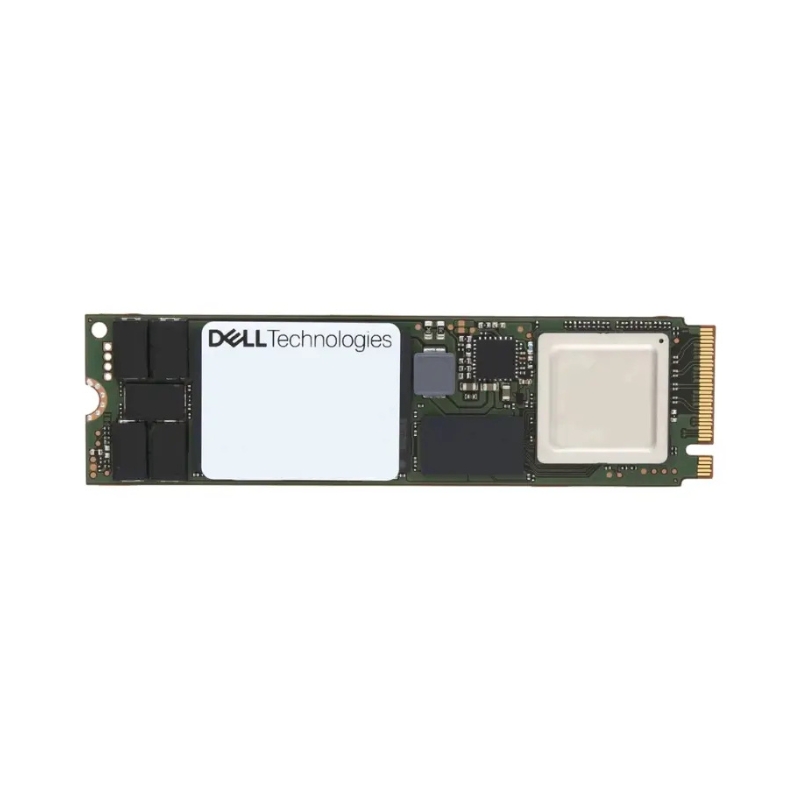


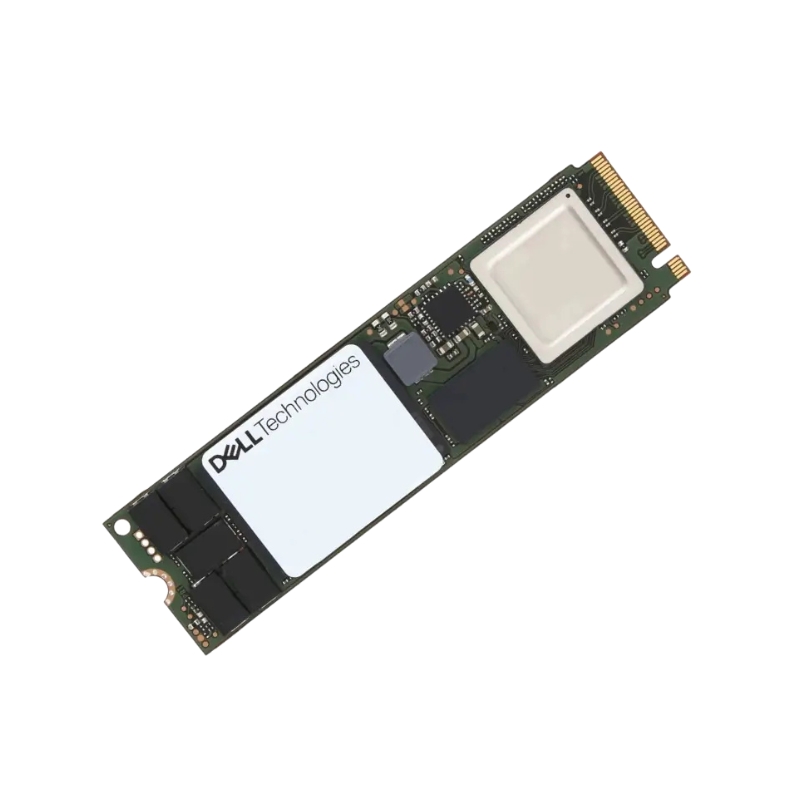
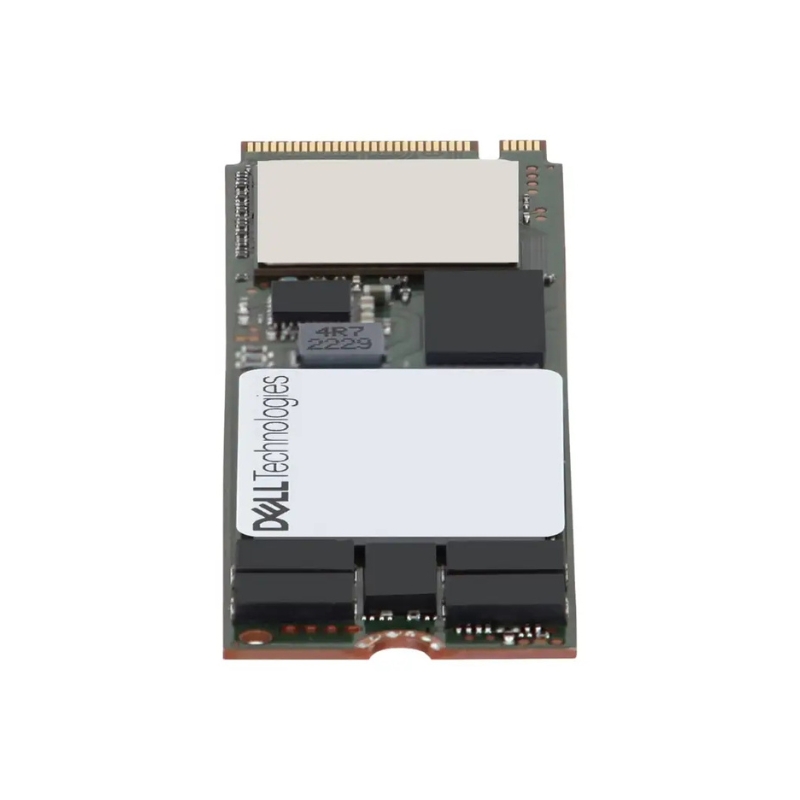
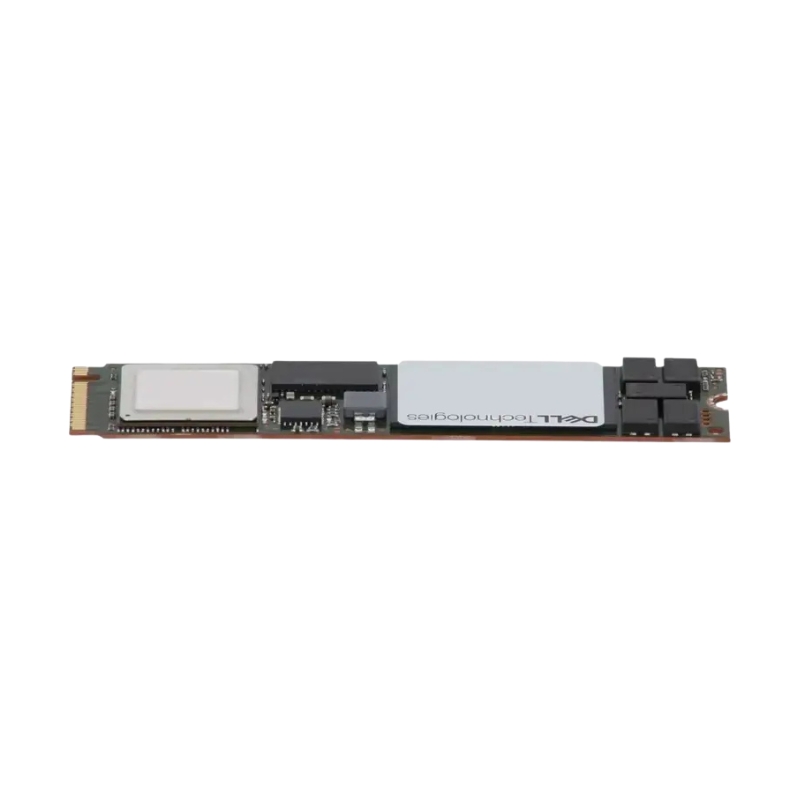
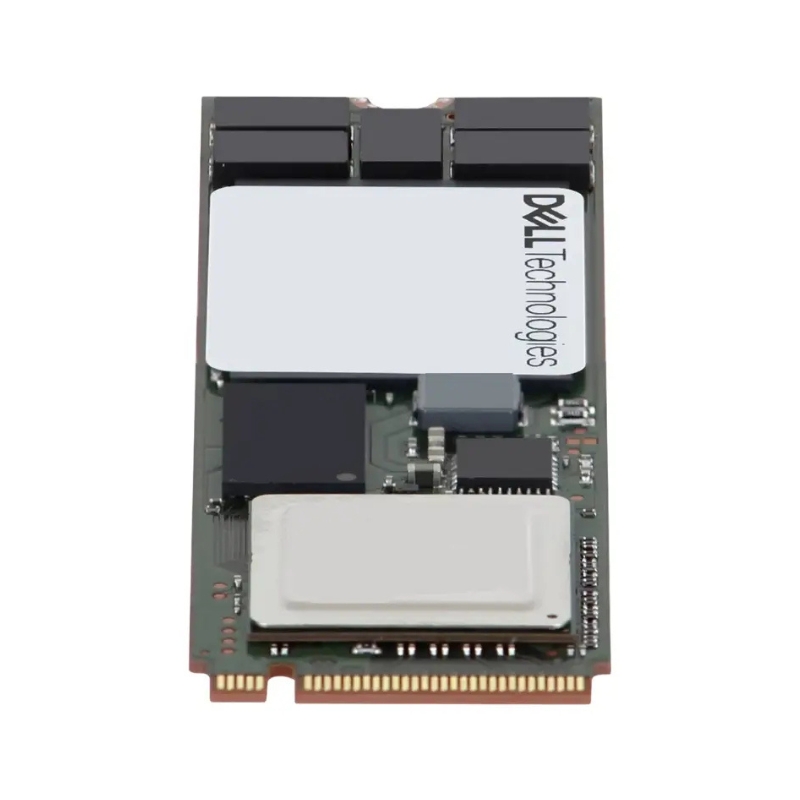
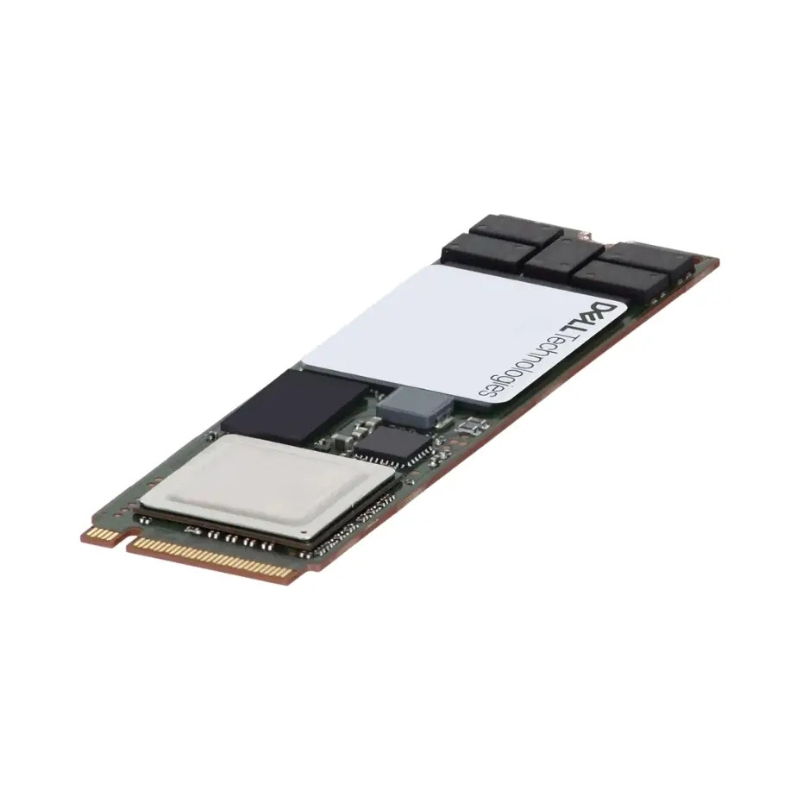
Dell XKRT9 480GB M.2 (2280) NVMe Read Intensive PCI Express 4.0 X4 TLC Enterprise Class Solid State Drive. Excellent Refurbished with 1 year Replacement Warranty
Maximize server boot and application responsiveness with the Dell XKRT9, a compact, read-optimized M.2 SSD leveraging the latest PCI Express 4.0 interface for enterprise environments.
Sequential Read and Write Speeds
The Dell XKRT9 480GB M.2 (2280) NVMe Read Intensive PCI Express 4.0 X4 TLC Enterprise Class Solid State Drive belongs to a specialized category of modern enterprise storage solutions designed for high-speed computing environments. This category represents the latest generation of solid state drive technology built to support servers, data centers, virtualization platforms, and business-critical applications. Enterprise NVMe SSDs have become essential components in professional IT infrastructures where performance, reliability, and low latency are required to maintain competitive and operational efficiency. The Dell XKRT9 model exemplifies this category by combining compact design with advanced PCI Express 4.0 connectivity and optimized read-intensive endurance characteristics.Storage technology has evolved dramatically over the past decade, and traditional hard drives are no longer able to meet the performance demands of modern workloads. The enterprise NVMe SSD category was developed specifically to overcome these limitations by providing dramatically faster data access and superior responsiveness. NVMe technology communicates directly with the CPU over the PCI Express bus, eliminating bottlenecks associated with older SATA and SAS interfaces. As a result, drives in this category are capable of delivering extremely high input and output operations per second along with minimal latency.
One of the most important features of this enterprise SSD category is the PCI Express 4.0 X4 interface. PCIe Gen4 technology provides significantly greater bandwidth compared to previous generations, allowing NVMe drives to reach new levels of performance. The four-lane PCIe configuration enables rapid communication between the storage device and the host system, ensuring that data can be transferred with exceptional speed and efficiency. This interface architecture is specifically optimized for modern multi-core processors and high-performance server platforms.Unlike legacy storage protocols, NVMe over PCIe was designed from the ground up for solid state memory. It supports deep command queues and parallel processing, which greatly improves throughput under heavy workloads. The Dell XKRT9 drive takes full advantage of these capabilities to deliver consistent and predictable performance. Enterprises that deploy this category benefit from faster application response times, improved productivity, and reduced system bottlenecks. The PCIe 4.0 standard also ensures forward compatibility with newer hardware platforms, protecting long-term technology investments.
The M.2 2280 form factor is another defining characteristic of this product category. This compact and versatile design allows high-performance storage to be integrated directly onto server and workstation motherboards without requiring traditional drive bays. The small physical footprint of M.2 drives makes them ideal for dense computing environments where space efficiency is critical. The Dell XKRT9 480GB SSD fits seamlessly into modern enterprise systems that support M.2 NVMe expansion slots.
Using the M.2 form factor reduces cabling requirements and simplifies internal system layouts. Fewer physical components contribute to improved airflow and lower overall power consumption. These advantages are particularly important in edge computing devices, blade servers, and high-density data center platforms. The category of M.2 enterprise NVMe drives enables organizations to build streamlined infrastructures that deliver powerful performance while minimizing complexity. This design approach supports the growing trend toward compact and modular server architectures.
The Dell XKRT9 belongs to the read-intensive subcategory of enterprise SSDs. Drives in this classification are engineered specifically for environments where the majority of operations involve reading rather than writing data. Examples of such workloads include content delivery networks, data analytics, web hosting, and virtual desktop infrastructure. Read-intensive SSDs provide excellent performance for these applications while offering cost-effective endurance levels that match real-world usage patterns.
By tailoring the design to read-heavy scenarios, this category delivers strong value for organizations that do not require high write endurance. The firmware and controller algorithms are optimized to maximize read throughput and minimize latency. Enterprises can deploy these drives confidently in scenarios where fast data retrieval is the primary objective. The 480GB capacity point of the Dell XKRT9 makes it particularly suitable for boot drives, caching layers, and application acceleration tasks within larger storage ecosystems.
Triple-Level Cell NAND flash memory is the technological foundation of this SSD category. TLC NAND allows each memory cell to store three bits of information, enabling higher capacities at more affordable price points. In the past, TLC technology was primarily associated with consumer devices, but modern advancements have made it highly reliable for enterprise usage. The Dell XKRT9 utilizes enterprise-grade TLC NAND combined with sophisticated error correction and wear management features to ensure dependable long-term operation.
Contemporary controllers and firmware have transformed TLC NAND into a practical solution for professional workloads. Techniques such as advanced wear leveling, over-provisioning, and error correction codes help maintain performance and extend drive lifespan. These innovations allow enterprise NVMe SSDs to deliver an excellent balance between cost, capacity, and reliability. Organizations benefit from the economic advantages of TLC technology without sacrificing the stability required in mission-critical systems.
Performance is the primary reason enterprises adopt NVMe SSD technology, and this category is designed to deliver outstanding results. The Dell XKRT9 480GB drive provides rapid boot times, accelerated application launches, and swift data transfers. Low latency ensures that databases and virtual machines respond instantly to user requests. High IOPS capabilities enable servers to handle thousands of simultaneous operations without performance degradation.
In professional environments, consistent performance is more important than occasional peak speeds. Enterprise NVMe SSDs are engineered to maintain stable throughput even under sustained heavy workloads. Thermal management features prevent overheating and throttling, while intelligent caching algorithms optimize real-world performance. These attributes distinguish enterprise-class drives from consumer alternatives and make this category suitable for demanding 24-hour operations.
The enterprise NVMe SSD category is designed for broad compatibility with contemporary server and workstation platforms. Most modern systems include native support for M.2 PCIe NVMe devices, allowing straightforward installation and configuration. The Dell XKRT9 drive integrates easily into Dell PowerEdge servers, enterprise workstations, and other compatible hardware. Standardized protocols and form factors ensure interoperability across a wide range of environments.
Compatibility extends beyond hardware to include operating systems and management tools. NVMe drives are fully supported by major enterprise operating systems such as Windows Server, Linux distributions, and virtualization platforms. Firmware updates and monitoring utilities enable administrators to manage drives efficiently throughout their lifecycle. This seamless integration capability makes the category an attractive choice for organizations upgrading from older storage technologies.
Reliability is a core requirement in enterprise storage, and this SSD category incorporates numerous features to protect data integrity. Advanced error correction codes detect and repair potential bit errors before they affect applications. End-to-end data path protection ensures that information remains accurate as it moves between the host system and the NAND media. Power-loss protection mechanisms safeguard in-flight data during unexpected outages.
Drives like the Dell XKRT9 undergo extensive validation testing to meet strict enterprise quality standards. Components are selected for durability and stability under continuous operation. Firmware is designed to handle power fluctuations, temperature variations, and heavy workloads without failure. These characteristics provide organizations with confidence that their critical information is stored on a dependable platform.
Security is an increasingly important aspect of enterprise storage solutions. The NVMe SSD category supports a range of security technologies that help protect sensitive data. Hardware-based encryption, secure firmware, and access control mechanisms prevent unauthorized use of stored information. Secure erase functions allow organizations to sanitize drives quickly when they are decommissioned or repurposed.
In regulated industries such as healthcare and finance, these security features are essential for compliance with data protection standards. The Dell XKRT9 enterprise drive is designed to integrate into secure IT environments where information confidentiality is a priority. By using SSDs from this category, businesses can strengthen their overall cybersecurity posture while maintaining high levels of performance.
The 480GB capacity point occupies a strategic position within the enterprise storage landscape. Drives of this size are frequently used as operating system disks, application accelerators, and caching devices. They provide sufficient space for critical software and datasets while remaining cost-effective for large-scale deployments. The Dell XKRT9 480GB SSD is particularly well suited for environments where multiple drives are deployed across many servers.
Many organizations utilize this capacity class to build high-performance boot arrays or hypervisor storage pools. The moderate size allows rapid backups and easy replication between systems. For virtual desktop infrastructure, 480GB NVMe drives deliver the responsiveness required to support numerous concurrent users. The category offers an excellent balance between affordability and enterprise-grade performance.
Virtualization platforms depend heavily on fast and reliable storage. The enterprise NVMe SSD category is ideally suited for hosting virtual machines and containerized workloads. Low latency and high IOPS performance enable multiple virtual systems to run efficiently on shared hardware. The Dell XKRT9 drive can be used to accelerate hypervisor operations, improve virtual desktop experiences, and enhance overall infrastructure responsiveness.
Cloud service providers also benefit from the characteristics of this category. Fast local NVMe storage is essential for caching, temporary data processing, and high-speed application tiers. By deploying read-intensive enterprise SSDs, cloud environments can deliver consistent performance to end users while controlling costs. The scalability and flexibility of M.2 NVMe technology make it a natural fit for modern cloud architectures.
The small form factor of M.2 NVMe SSDs makes this category particularly valuable in edge computing scenarios. Remote locations, branch offices, and embedded systems often require powerful storage in limited spaces. The Dell XKRT9 480GB drive provides enterprise-level performance in a compact package that fits easily into specialized hardware. Edge servers, network appliances, and industrial computing platforms all benefit from this design.
As more organizations process data closer to its source, the need for reliable edge storage continues to grow. NVMe SSDs enable real-time analytics, local caching, and rapid data collection without relying on large centralized data centers. This category supports the emerging trend toward distributed computing by offering high-speed storage that can be deployed virtually anywhere.
Enterprise NVMe SSDs deliver significant operational advantages beyond raw performance. Solid state technology consumes far less power than mechanical hard drives while producing minimal heat. Lower energy usage translates directly into reduced operating costs and improved environmental sustainability. Data centers that replace older storage devices with NVMe drives can achieve meaningful reductions in electricity and cooling expenses.
The Dell XKRT9 and similar drives also require less physical space, enabling higher density server configurations. Fewer components and cables simplify system design and reduce potential points of failure. Over time, these efficiencies contribute to a lower total cost of ownership. Organizations that adopt this category gain both technical and financial benefits from modern storage technology.
Scalability is a crucial advantage of the enterprise NVMe SSD category. Businesses can deploy multiple M.2 drives across servers to increase capacity and performance incrementally. As workloads expand, additional drives can be added without major architectural changes. PCIe 4.0 technology ensures that storage performance keeps pace with advances in processors and networking.
The modular nature of M.2 NVMe storage supports flexible deployment strategies. Organizations can start with a small number of drives and expand gradually as requirements evolve. This approach reduces upfront costs and allows IT departments to align investments with actual business needs. The Dell XKRT9 fits naturally into scalable infrastructures that prioritize adaptability and growth.
Compared to SATA and SAS SSDs, the NVMe category delivers dramatically superior performance. Legacy interfaces were originally developed for mechanical hard drives and cannot fully exploit the potential of flash memory. NVMe over PCIe removes these limitations by providing a direct, high-speed pathway to the processor. The Dell XKRT9 enterprise drive offers many times the throughput and IOPS of older storage solutions.
Transitioning to NVMe technology allows organizations to modernize their infrastructures and eliminate performance bottlenecks. Applications that once struggled with storage latency can operate smoothly and efficiently. This category represents the natural progression of enterprise storage toward faster, more responsive computing environments.
Although read-intensive SSDs are optimized for specific workloads, they still provide reliable endurance for typical enterprise use cases. The Dell XKRT9 is engineered to handle consistent daily operations with predictable wear characteristics. Intelligent firmware algorithms manage write amplification and distribute data evenly across the NAND cells to maximize lifespan.
Enterprises can deploy these drives confidently in scenarios where read operations dominate. Proper workload planning ensures that endurance ratings align with real-world usage patterns. For many organizations, read-intensive NVMe SSDs provide the ideal combination of longevity and affordability.
Database systems benefit greatly from the speed of NVMe storage. Fast random read performance accelerates query execution and improves transaction processing. Application servers that rely on frequent data access experience significant performance gains when using drives from this category. The Dell XKRT9 480GB SSD can be used to host indexes, log files, and frequently accessed datasets.
By reducing storage latency, organizations can serve more users and process more information with the same hardware resources. This efficiency leads to better utilization of existing infrastructure and improved return on investment. The enterprise NVMe SSD category has become a standard component of high-performance database architectures.
Content delivery networks and media platforms require rapid access to large numbers of files. Read-intensive NVMe SSDs are perfectly suited for these environments. High throughput ensures that videos, images, and web assets can be delivered to users without delay. The compact M.2 design allows service providers to build dense caching servers that handle massive traffic volumes.
The Dell XKRT9 drive enables quick retrieval of frequently accessed content, improving user experiences and reducing backend load. Streaming services, e-commerce platforms, and online education systems all benefit from the responsiveness of this category. Reliable and fast storage is a key enabler of modern digital services.
Many enterprises implement hybrid storage strategies that combine different types of drives to achieve optimal results. NVMe SSDs like the Dell XKRT9 are often used as high-speed tiers alongside larger capacity hard drives or SAS SSDs. This layered approach allows organizations to balance cost and performance effectively.
In such architectures, frequently accessed data resides on fast NVMe storage while less critical information is stored on more economical media. Intelligent software moves data between tiers automatically based on usage patterns. The enterprise NVMe SSD category plays a crucial role in enabling these sophisticated storage designs.
Investing in PCIe 4.0 NVMe storage prepares organizations for future technological advancements. As processors, applications, and networks continue to evolve, storage must keep pace with increasing performance demands. The Dell XKRT9 enterprise drive provides a forward-looking platform that supports next-generation computing requirements.
Compatibility with modern standards ensures that these drives will remain relevant for many years. Enterprises that adopt this category position themselves to take advantage of emerging innovations such as artificial intelligence, machine learning, and real-time analytics. NVMe SSDs represent the foundation of tomorrow’s data-driven infrastructures.
Digital transformation initiatives depend on fast and reliable access to information. The enterprise NVMe SSD category enables organizations to modernize their IT environments and unlock new capabilities. From accelerating applications to supporting advanced analytics, high-performance storage is a critical enabler of innovation.
The Dell XKRT9 480GB M.2 NVMe SSD embodies the characteristics required for this transformation. Compact design, PCIe 4.0 speed, enterprise reliability, and optimized read performance combine to create a powerful storage solution. Businesses that deploy drives from this category gain the tools necessary to compete effectively in an increasingly data-centric world.
The category represented by the Dell XKRT9 enterprise SSD delivers a complete and modern approach to professional storage. It combines the efficiency of the M.2 form factor with the performance of NVMe technology and the reliability expected in enterprise environments. Organizations benefit from faster systems, improved scalability, and reduced operational complexity.As workloads continue to grow in size and sophistication, the importance of high-speed storage will only increase. Enterprise NVMe SSDs provide the foundation for responsive applications, efficient data centers, and innovative digital services. This category stands as a vital element of contemporary IT strategy, enabling businesses to achieve higher levels of performance and productivity across every aspect of their operations.


 Contact Us
 Information
 Catalog
 Solid State Drives (SSD)
 Network Switches
 Hard Disk Drives
 HBA & Controllers
 PC & Servers
 PC & Server Memory
 CPU & Processors
 Network Routers
 Power Supplies
 Tape Drives & Libraries
 Network Devices
 Computer & Network Cables