(7% discount is applied at checkout)
Cart is empty
Your go-to destination for cutting-edge server products
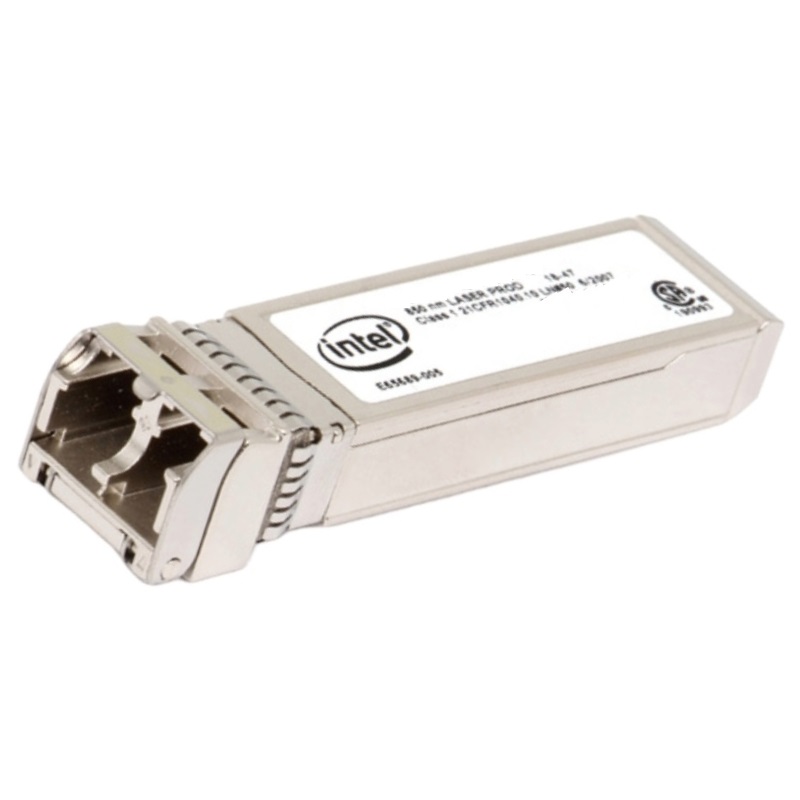


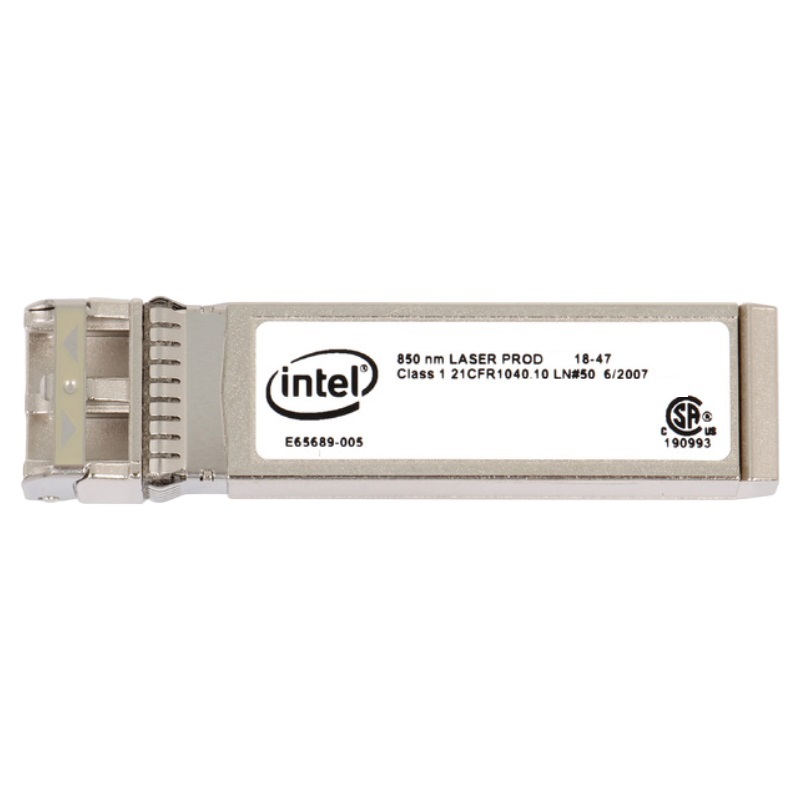
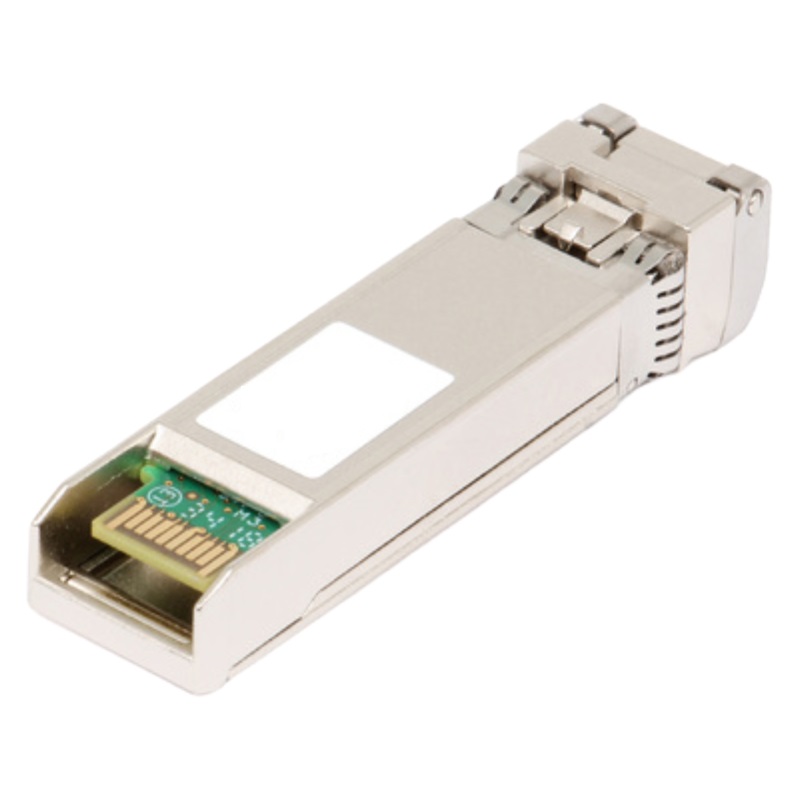
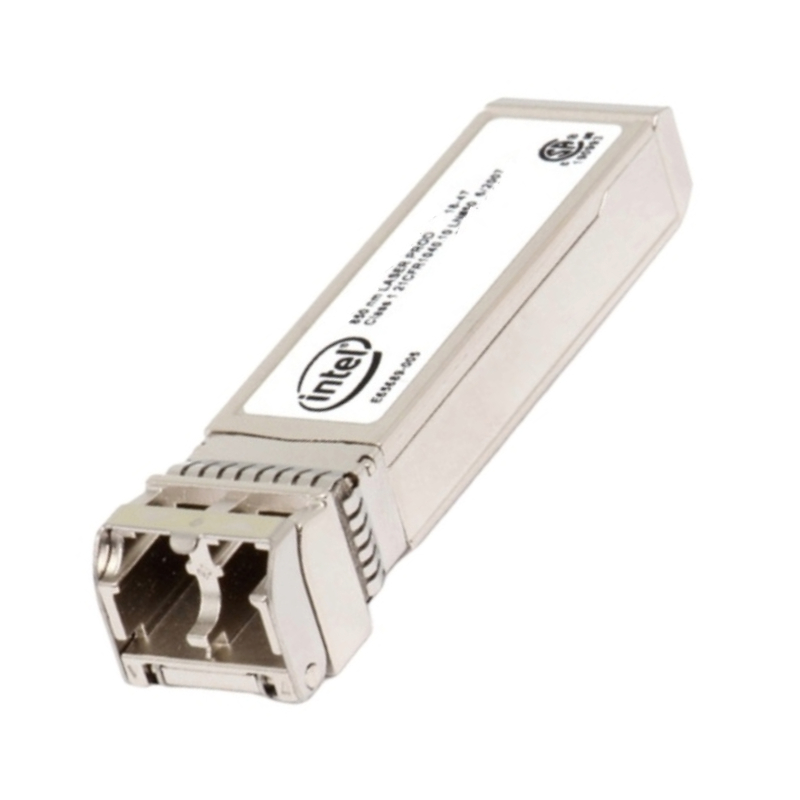
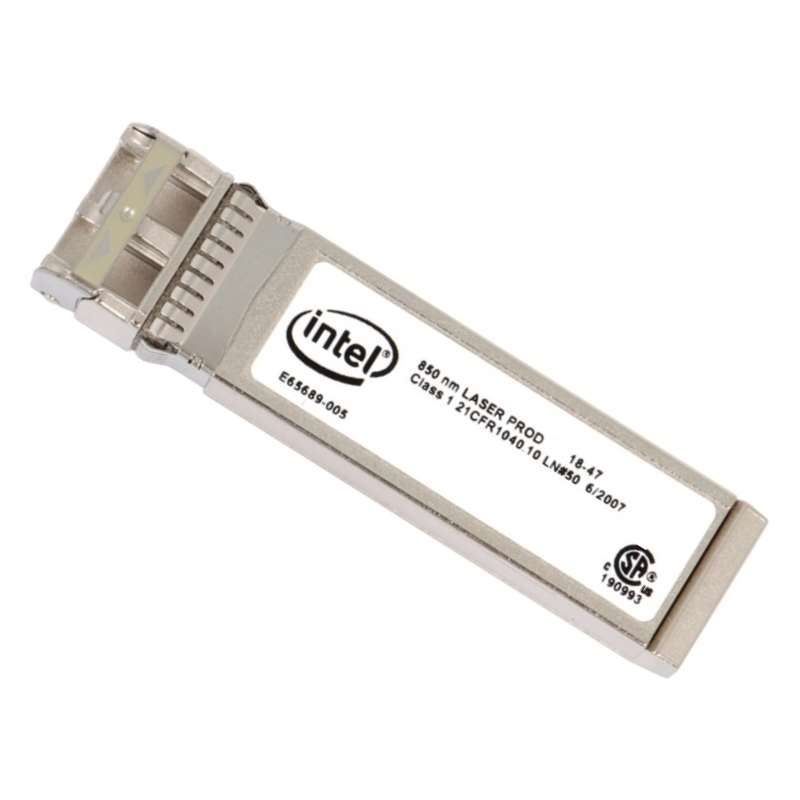
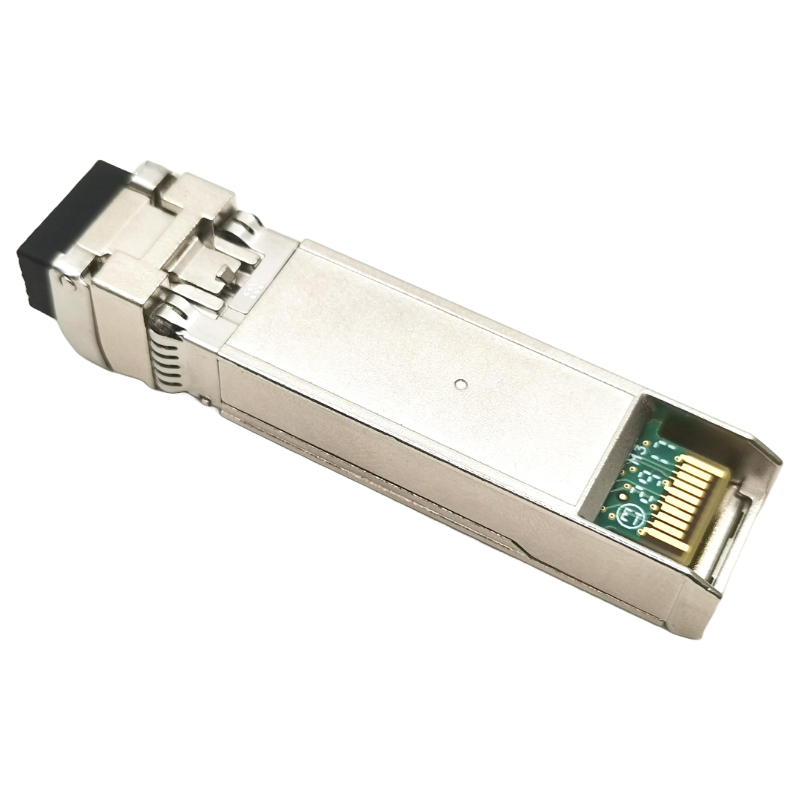
Intel FTLX8574D3BNL-IT 10GB SR Duplex LC Connector SFP+ Transceiver Module. New Sealed with 1 Year Replacement Warranty
| SKU/MPN | Warranty | Price | Condition | You save |
|---|---|---|---|---|
| FTLX8574D3BNL-IT | 1 Year Warranty | $135.00 | New Sealed in Box (NIB) | You save: $47.25 (26%) |
| FTLX8574D3BNL-IT | 1 Year Warranty | Contact us for a price | Factory-Sealed New in Original Box (FSB) |
The Intel FTLX8574D3BNL-IT 10G SFP+ SR Transceiver Module is a high-performance optical networking component designed to deliver reliable and efficient 10 Gigabit Ethernet connectivity. Built for modern data centers, enterprise networking environments, and high-speed server interconnects, this module ensures low-latency, high-bandwidth data transmission over multimode fiber infrastructure.
The Intel FTLX8574D3BNL-IT 10GBASE-SR SFP+ transceiver module belongs to the high-performance optical networking category designed for enterprise-grade and data center connectivity. This category focuses on short-range optical fiber solutions that support 10 Gigabit Ethernet (10GbE) transmission over multimode fiber infrastructure. Built for scalability, reliability, and efficiency, this class of SFP+ transceivers is widely deployed in modern IT environments where bandwidth-intensive applications demand low latency and consistent throughput.
Within this category, the Intel FTLX8574D3BNL-IT model stands out as a compact, hot-swappable optical interface designed to integrate seamlessly with switches, routers, network interface cards, and storage networking equipment. Its primary role is to convert electrical signals into optical signals and vice versa, enabling high-speed data transmission across short to medium distances in structured cabling environments.
The 10 Gigabit Ethernet transceiver category, particularly the 10GBASE-SR standard, plays a critical role in enabling high-density networking environments. The Intel FTLX8574D3BNL-IT is engineered to support this standard using short-wavelength 850nm vertical-cavity surface-emitting laser (VCSEL) technology. This allows efficient communication over multimode fiber (MMF), typically OM3 and OM4 cabling, which is commonly deployed in data centers and enterprise network backbones.
This category is essential for organizations that require fast, reliable, and scalable interconnect solutions for server-to-switch, switch-to-switch, and storage area network (SAN) connectivity. It is optimized for environments that prioritize high throughput, low power consumption, and minimal signal degradation over distance.
The Small Form-Factor Pluggable Plus (SFP+) architecture is a compact, modular transceiver design that enables high-density port configurations in networking equipment. The Intel FTLX8574D3BNL-IT is built to comply with this form factor, ensuring compatibility with a wide range of enterprise switches and network appliances. The reduced footprint of SFP+ modules allows network engineers to maximize port density while minimizing rack space usage.
This design also supports hot-swappable functionality, allowing administrators to install or replace modules without powering down network equipment. This feature is crucial in mission-critical environments where uptime and service continuity are essential.
At the core of this transceiver module is the 850nm VCSEL laser technology, which is optimized for short-range optical transmission. This wavelength is specifically chosen for multimode fiber applications because it provides a balance between performance, cost efficiency, and signal stability. VCSEL-based systems are known for their low power consumption and high modulation efficiency, making them ideal for dense data center environments.
The optical transmission capability ensures stable data transfer rates of up to 10Gbps while maintaining signal integrity across supported distances. This technology also reduces overall system heat output, contributing to improved energy efficiency in large-scale deployments.
The duplex LC connector interface used in the Intel FTLX8574D3BNL-IT module is a standardized optical interface designed for high-density fiber optic connections. It consists of two fiber strands, one for transmitting and one for receiving data, ensuring full-duplex communication. The LC connector is widely adopted in enterprise networking due to its compact size and reliable connection performance.
This interface supports secure, low-loss optical coupling, which is critical for maintaining signal quality in high-speed 10GbE environments. The latch mechanism ensures stable physical connectivity even in vibration-prone or high-traffic rack environments.
The Intel FTLX8574D3BNL-IT operates at a data rate of 10 Gigabits per second, supporting the IEEE 802.3ae 10GBASE-SR standard. This level of performance is essential for modern computing workloads, including virtualization, cloud computing, high-performance storage access, and real-time data processing. The high bandwidth capability ensures that multiple applications can run simultaneously without network congestion.
This category of SFP+ transceivers is optimized for multimode fiber optic cabling. Depending on the fiber type, the module supports varying transmission distances. With OM3 fiber, it can typically reach up to 300 meters, while OM4 fiber extends this range further under ideal conditions. This makes it suitable for intra-building connections and data center interconnects.
The compatibility with existing fiber infrastructure allows organizations to upgrade network speeds without replacing entire cabling systems, making it a cost-effective solution for network modernization.
One of the defining characteristics of the Intel FTLX8574D3BNL-IT transceiver class is its low power consumption profile. Designed for energy-efficient operation, it minimizes heat generation while maintaining high-speed performance. This is particularly important in high-density deployments where thermal management is a key operational concern.
Reduced power usage contributes to lower operational costs and supports green data center initiatives aimed at reducing overall energy consumption and carbon footprint.
In modern data centers, the Intel FTLX8574D3BNL-IT category of transceivers is widely used to connect top-of-rack (ToR) switches to aggregation and core switches. This ensures fast, reliable communication between servers and network infrastructure layers. The high bandwidth and low latency characteristics make it ideal for handling large-scale virtualized workloads and distributed computing environments.
Enterprise local area networks rely heavily on 10GbE optical transceivers to maintain fast internal communication across departments, buildings, and campuses. The Intel FTLX8574D3BNL-IT module supports backbone network upgrades by enabling high-speed fiber links between network switches and routers. This improves overall network performance and supports growing business data demands.
Storage systems require highly reliable and fast data transfer channels to ensure uninterrupted access to critical data. This transceiver category is commonly deployed in storage area networks (SANs), where it connects storage arrays, controllers, and servers. Its low latency and high throughput capabilities make it suitable for mission-critical storage applications.
The Intel FTLX8574D3BNL-IT transceiver is designed to integrate with a wide range of networking devices that support SFP+ interfaces. This includes enterprise-grade switches, modular routers, and network interface cards. Its standardized design ensures interoperability across multiple vendor platforms, making it a versatile choice for heterogeneous network environments.
High-performance servers equipped with SFP+ NICs can leverage this transceiver to establish direct fiber connections to network switches. This is particularly beneficial in virtualized server environments where high-speed east-west traffic between virtual machines must be efficiently managed.
While optimized for 10GbE environments, this category of transceiver is often deployed alongside legacy networking infrastructure during phased upgrades. Its compatibility with existing multimode fiber installations allows organizations to transition gradually from lower-speed networks to 10 Gigabit Ethernet without significant disruption.
The hot-swappable design enhances operational reliability by allowing maintenance and replacement without network downtime. This ensures continuous service availability, which is essential for enterprise and cloud infrastructure environments where downtime can lead to significant operational losses.
The optical signal processing capabilities of this transceiver category are engineered to minimize bit error rates and ensure stable communication even in high-traffic environments. Advanced signal conditioning techniques help maintain data integrity across supported distances.
Proper selection of multimode fiber cabling is essential for maximizing performance. OM3 and OM4 fibers are commonly recommended for this category due to their optimized bandwidth and distance capabilities. Structured cabling design ensures minimal signal loss and efficient cable management in dense installations.
Operating conditions such as temperature, humidity, and airflow can significantly impact transceiver performance. Proper rack ventilation and thermal management strategies help maintain optimal operating conditions for long-term reliability.


 Contact Us
 Information
 Catalog
 Solid State Drives (SSD)
 Network Switches
 Hard Disk Drives
 HBA & Controllers
 PC & Servers
 PC & Server Memory
 CPU & Processors
 Network Routers
 Power Supplies
 Tape Drives & Libraries
 Network Devices
 Computer & Network Cables