(7% discount is applied at checkout)
Cart is empty
Your go-to destination for cutting-edge server products
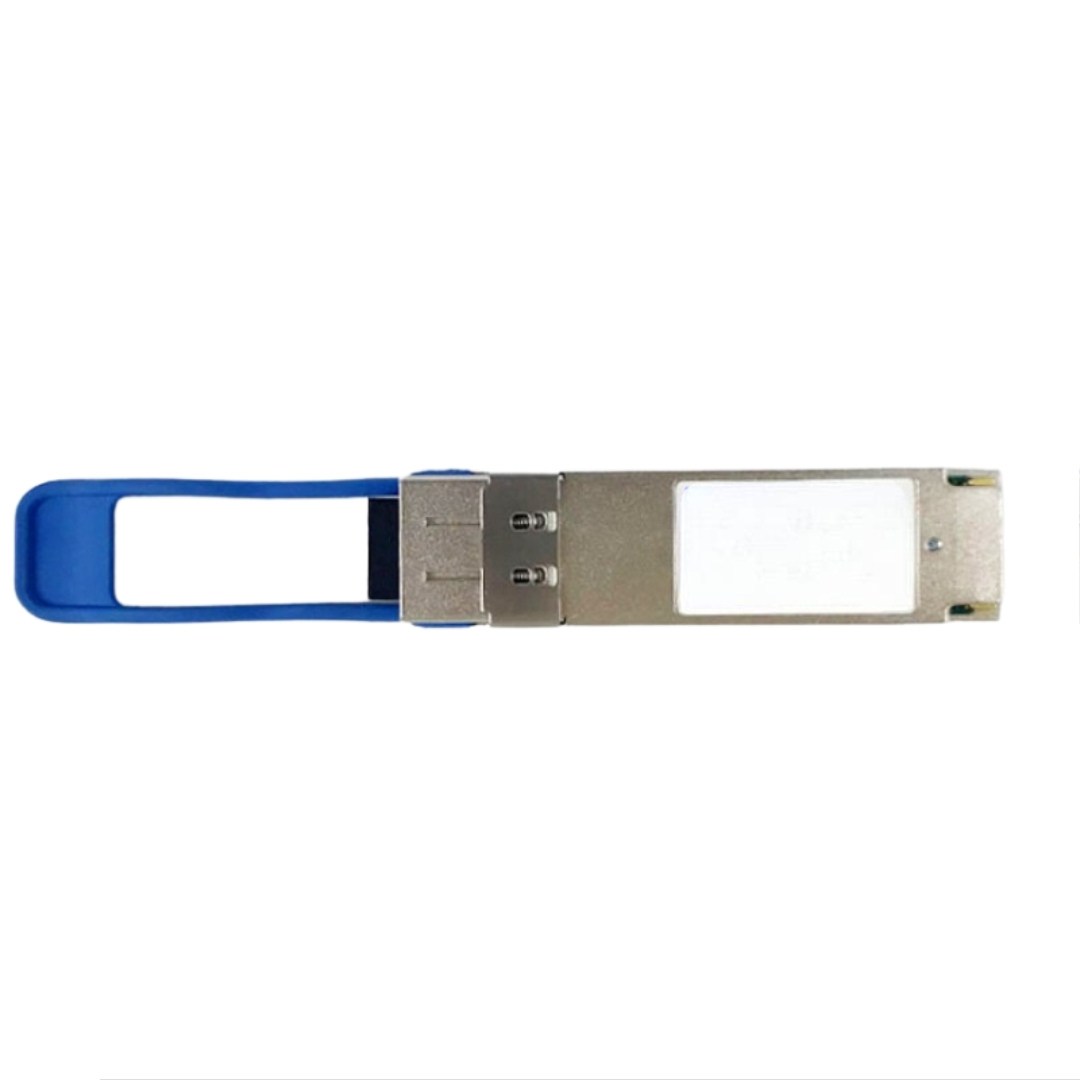


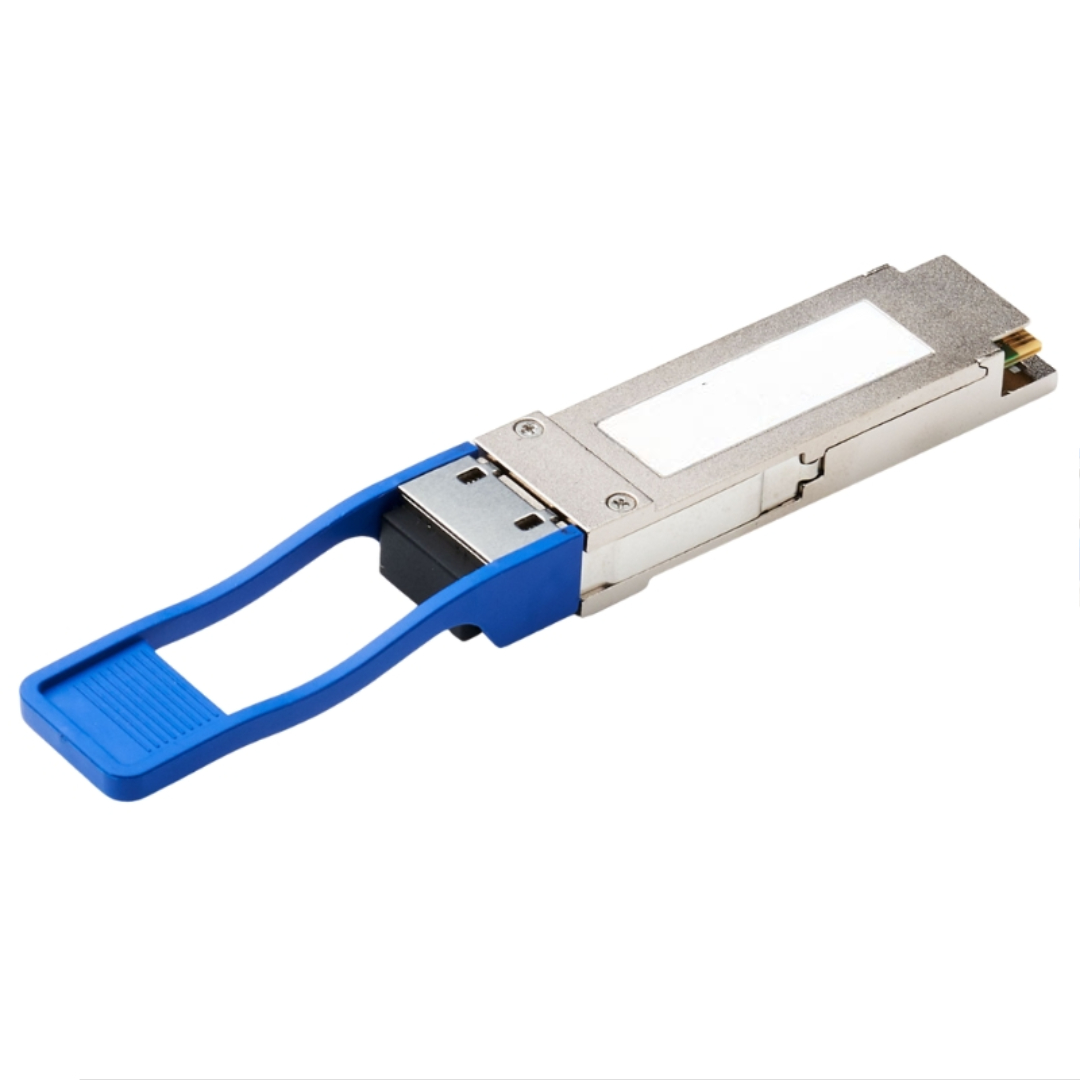
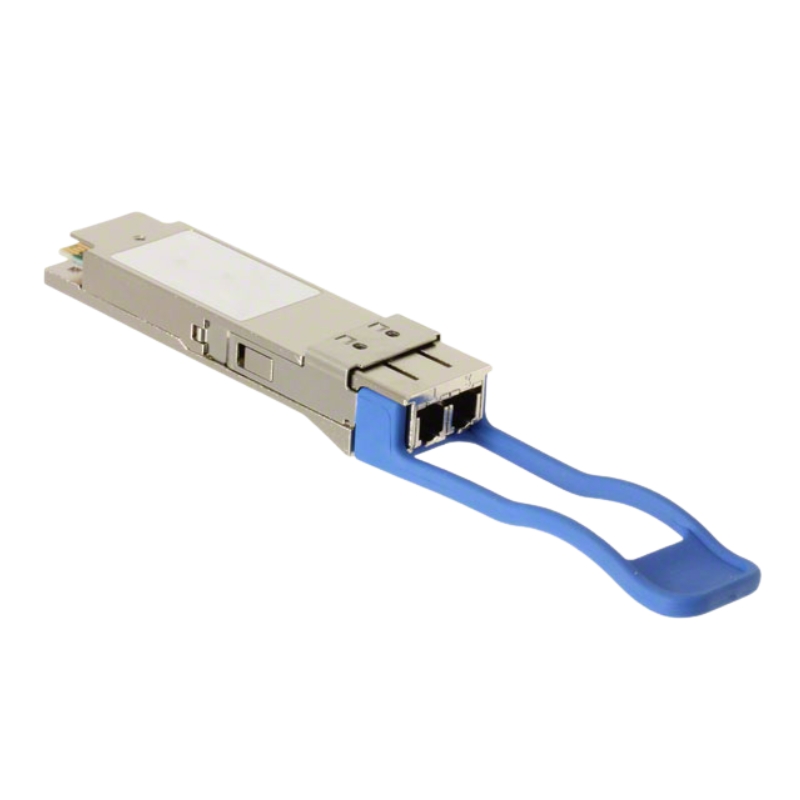
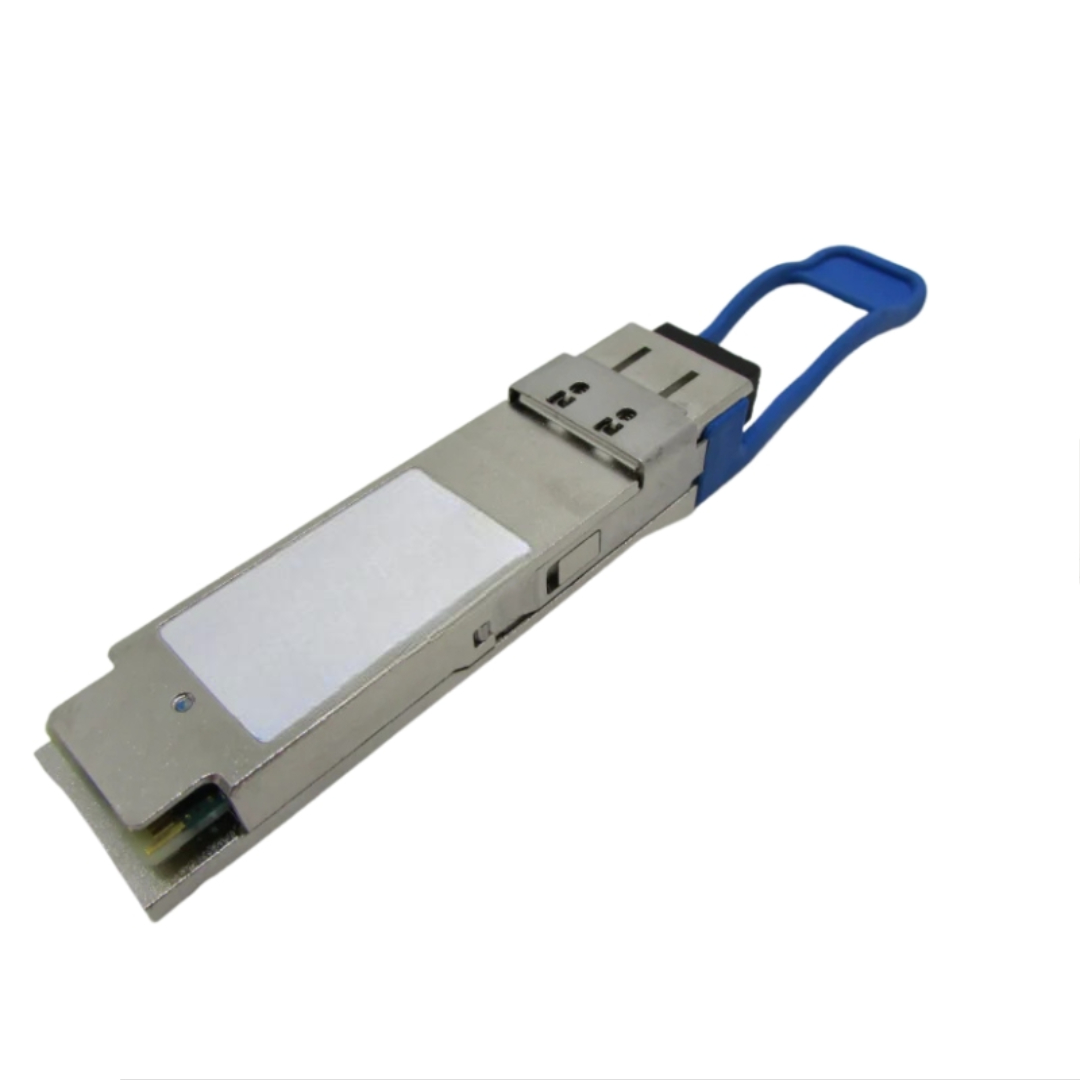
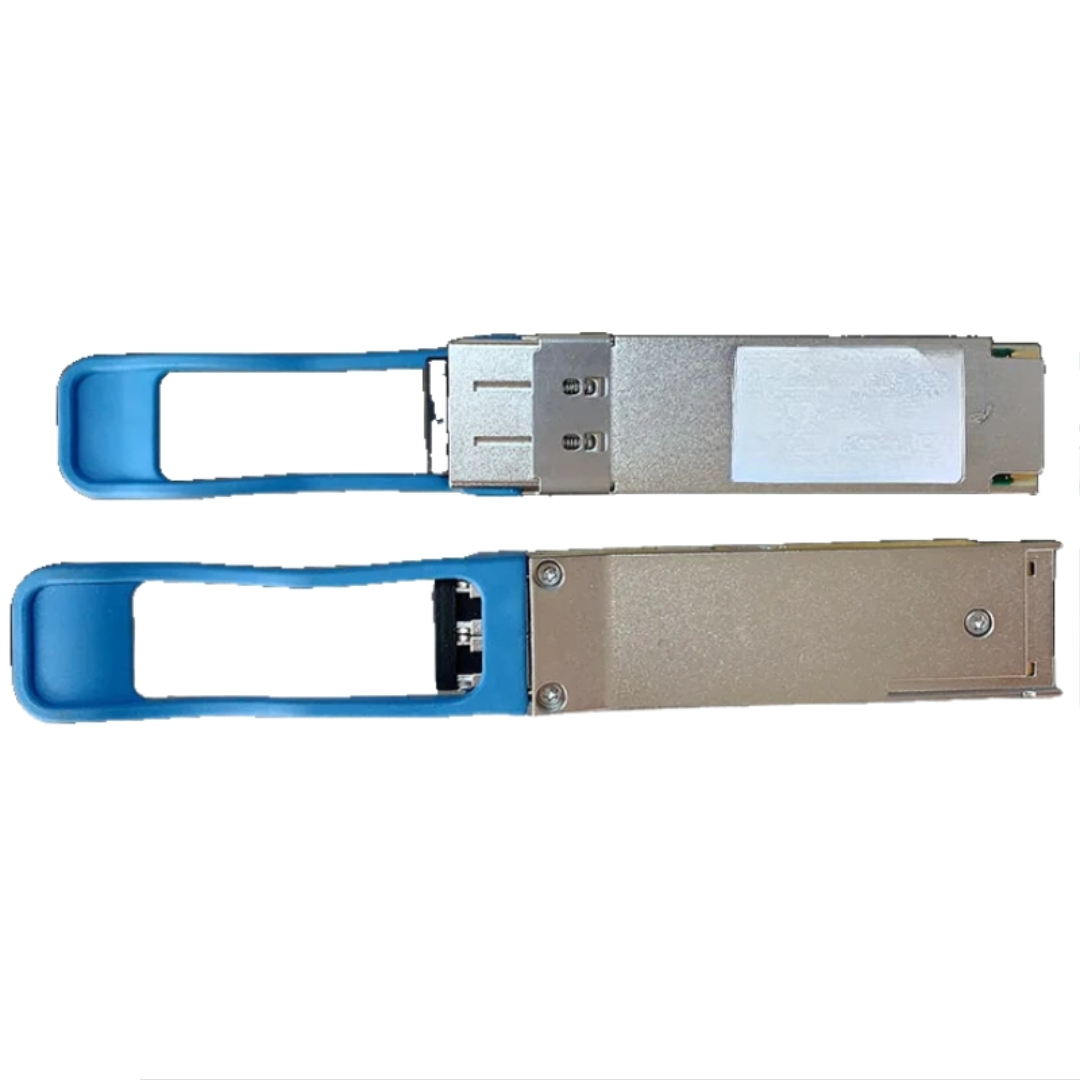
Intel FTL4C1QE1C-IT QSFP+ Transceiver Module 40 Gigabit Ethernet 40GBASE-LR MPO Multi-Mode Up to 6.2 Miles 1310nm. Excellent Refurbished with 1 year replacement warranty
The Intel FTL4C1QE1C-IT QSFP+ transceiver module is a state-of-the-art solution for high-speed data transfer in 40 Gigabit Ethernet (40GbE) networks. Designed to deliver exceptional performance over multi-mode fiber, this device provides seamless connectivity for distances up to 6.2 miles (10 km) using 1310nm wavelength.
The Intel FTL4C1QE1C-IT QSFP+ transceiver module is engineered as a high-performance optical networking component designed for 40 Gigabit Ethernet environments, delivering reliable high-bandwidth connectivity across enterprise, data center, and telecom infrastructures. Built under the engineering standards associated with optical networking hardware, this module integrates advanced photonic components, precision laser alignment systems, and compact QSFP+ form factor design principles to support dense port deployments and scalable network architectures.
At its core, this module operates as a 40GBASE-LR optical solution, utilizing a 1310nm wavelength laser system that is optimized for long-reach transmission scenarios. The design focuses on maintaining signal integrity over extended distances up to 6.2 miles, ensuring that high-speed data transmission remains stable even in demanding fiber routing environments. Its MPO-based optical interface provides structured multi-channel alignment, enabling efficient coupling between transceiver optics and fiber infrastructure with minimal insertion loss.
The QSFP+ (Quad Small Form-Factor Pluggable Plus) architecture is central to the operational identity of the Intel FTL4C1QE1C-IT module. This compact design supports four independent high-speed channels, each capable of transmitting data at 10Gbps, collectively achieving a unified 40Gbps throughput. The mechanical structure is optimized for high-density switch and router environments where port space efficiency is critical.
The module’s housing is constructed to maintain thermal stability under continuous high-load operation. Heat dissipation pathways are integrated into the metallic shell design, allowing for consistent performance even in densely populated rack systems. The QSFP+ interface also ensures backward compatibility with a wide range of network equipment designed for modular optical expansion, enabling seamless integration into evolving infrastructure environments.
Thermal regulation is a key engineering consideration in the Intel FTL4C1QE1C-IT module. The internal circuitry is arranged to minimize heat concentration around the laser driver and receiver photodiodes. This structural arrangement helps maintain consistent optical signal quality and reduces the risk of performance degradation due to temperature fluctuations.
Signal stability is further reinforced through integrated digital diagnostics monitoring capabilities, which allow real-time tracking of temperature, optical power output, laser bias current, and voltage levels. These parameters ensure that administrators can maintain optimal operational conditions within enterprise-grade network deployments.
The 40GBASE-LR standard defines long-range Ethernet transmission capabilities over optical fiber infrastructure, and the Intel FTL4C1QE1C-IT module adheres strictly to these performance benchmarks. Utilizing a 1310nm wavelength laser system, the module is optimized for low dispersion transmission across long distances, ensuring minimal signal degradation over fiber spans extending up to 6.2 miles.
The 1310nm wavelength is particularly effective in reducing chromatic dispersion in optical fiber, making it suitable for both metropolitan area network (MAN) extensions and inter-building data center connections. The module's optical transmitter is precisely calibrated to maintain stable light emission characteristics, ensuring consistent bit error rates even under high traffic loads.
Signal integrity in long-distance optical transmission is governed by optical budget management, which includes transmitter power output, fiber attenuation, connector losses, and receiver sensitivity. The Intel FTL4C1QE1C-IT module is engineered to balance these factors efficiently, enabling reliable 40Gbps data transmission over extended fiber runs.
The module's receiver subsystem incorporates high-sensitivity photodetectors capable of accurately interpreting incoming optical signals even when they experience attenuation across multi-kilometer fiber paths. This ensures that data integrity is preserved without requiring excessive signal amplification or regeneration equipment in typical deployments.
Chromatic dispersion is a major factor affecting long-distance optical communication, particularly at high data rates such as 40Gbps. The 1310nm operating wavelength helps mitigate dispersion effects, allowing the signal to maintain waveform clarity over extended distances. The internal circuitry of the module further compensates for minor signal distortions through electronic equalization techniques.
This combination of optical wavelength selection and electronic signal conditioning enables the module to support stable long-reach performance, making it suitable for backbone connectivity between large-scale network aggregation points.
The Intel FTL4C1QE1C-IT QSFP+ module is designed with an MPO (Multi-Fiber Push-On) connector interface, enabling high-density optical connectivity through structured fiber ribbon assemblies. This interface supports multiple fiber strands within a single connector housing, allowing for efficient alignment and reduced cabling complexity in high-performance networking environments.
MPO connectivity plays a crucial role in enabling scalable optical infrastructure, particularly in environments where rapid deployment and modular expansion are required. The precise fiber alignment mechanism ensures that optical signals are transmitted with minimal loss and high repeatability during repeated connection cycles.
Multi-mode fiber compatibility allows the module to operate effectively in environments where shorter optical pulses propagate through larger core fibers. The MPO interface ensures that each optical channel is precisely aligned to its corresponding fiber pathway, minimizing modal dispersion and maintaining consistent throughput.
The alignment system uses high-precision guide pins and structured ferrule design to ensure that optical paths remain stable even under mechanical stress or vibration. This makes the module suitable for deployment in dynamic data center environments where equipment may undergo frequent reconfiguration.
The MPO connector system is designed for high durability, supporting multiple insertion and removal cycles without degradation in optical performance. The physical interface is engineered to resist contamination and misalignment, both of which can significantly impact signal quality in high-speed networks.
Proper connector maintenance ensures that optical insertion loss remains within acceptable thresholds, preserving the integrity of 40Gbps transmission across the entire network path.
The Intel FTL4C1QE1C-IT QSFP+ transceiver module is widely applicable in modern data center architectures, where high bandwidth density and low latency communication are critical. It is particularly suited for spine-leaf network topologies, where 40G links are used to interconnect aggregation switches and core routing systems.
In cloud computing environments, this module supports virtualization traffic, distributed storage synchronization, and large-scale database replication processes. Its ability to maintain stable long-distance connections enables flexible data center design, including multi-building campus interconnectivity.
Within enterprise infrastructures, the module functions as a backbone connectivity solution, linking critical network segments such as core switches, distribution layers, and storage area networks. Its high throughput capability ensures that large volumes of data can be transmitted without congestion, supporting mission-critical applications such as ERP systems, video conferencing platforms, and real-time analytics engines.
The reliability of the module makes it suitable for environments where downtime is unacceptable, and where redundant optical paths are implemented to ensure continuous network availability.
Cloud environments rely heavily on high-speed interconnects to maintain synchronization between distributed computing nodes. The Intel FTL4C1QE1C-IT module supports these requirements by providing consistent 40Gbps bandwidth across optical links, enabling efficient workload balancing and rapid data replication across virtual machine clusters.
Its predictable latency characteristics make it suitable for applications involving high-frequency transaction processing, artificial intelligence workloads, and large-scale data analytics pipelines.
The module incorporates advanced digital diagnostics monitoring (DDM) capabilities that provide real-time insights into operational parameters. These include optical transmit power, received signal strength, temperature monitoring, and voltage tracking. Such telemetry data is essential for maintaining network reliability in large-scale deployments.
By continuously monitoring optical performance metrics, network administrators can proactively identify potential issues before they impact system performance. This predictive capability enhances overall network resilience and reduces maintenance downtime.
Fault detection mechanisms integrated within the module allow for rapid identification of signal degradation or hardware anomalies. These diagnostic features enable automated network management systems to trigger alerts or reroute traffic in response to performance fluctuations.
This level of observability is critical in environments where continuous uptime is required, such as financial trading systems, healthcare data networks, and global cloud infrastructures.
The module dynamically adjusts its power consumption based on operating conditions, ensuring energy efficiency without compromising transmission quality. This adaptive behavior helps reduce overall data center power usage while maintaining high-performance networking standards.
The long-reach capability of the Intel FTL4C1QE1C-IT module is a defining feature that enables interconnection across geographically distributed infrastructure. Its optical design ensures stable signal propagation across fiber spans up to 6.2 miles, making it suitable for campus networks and metropolitan fiber links.
Signal stability is maintained through a combination of laser precision tuning, receiver sensitivity calibration, and optical path optimization. These elements work together to ensure that data integrity is preserved even under varying environmental conditions.
The module is engineered to maintain consistent performance across a range of environmental conditions commonly found in enterprise and telecom installations. Temperature variations, humidity fluctuations, and mechanical vibrations are accounted for in its design specifications.
This resilience ensures that the module can be deployed in diverse infrastructure environments without requiring specialized environmental control beyond standard data center cooling systems.
Scalability is a key consideration in modern network architecture, and the Intel FTL4C1QE1C-IT module supports incremental expansion strategies. Its QSFP+ design allows network operators to add additional high-speed links without significant infrastructure redesign, enabling gradual scaling of bandwidth capacity as demand increases.


 Contact Us
 Information
 Catalog
 Solid State Drives (SSD)
 Network Switches
 Hard Disk Drives
 HBA & Controllers
 PC & Servers
 PC & Server Memory
 CPU & Processors
 Network Routers
 Power Supplies
 Tape Drives & Libraries
 Network Devices
 Computer & Network Cables