(7% discount is applied at checkout)
Cart is empty
Your go-to destination for cutting-edge server products
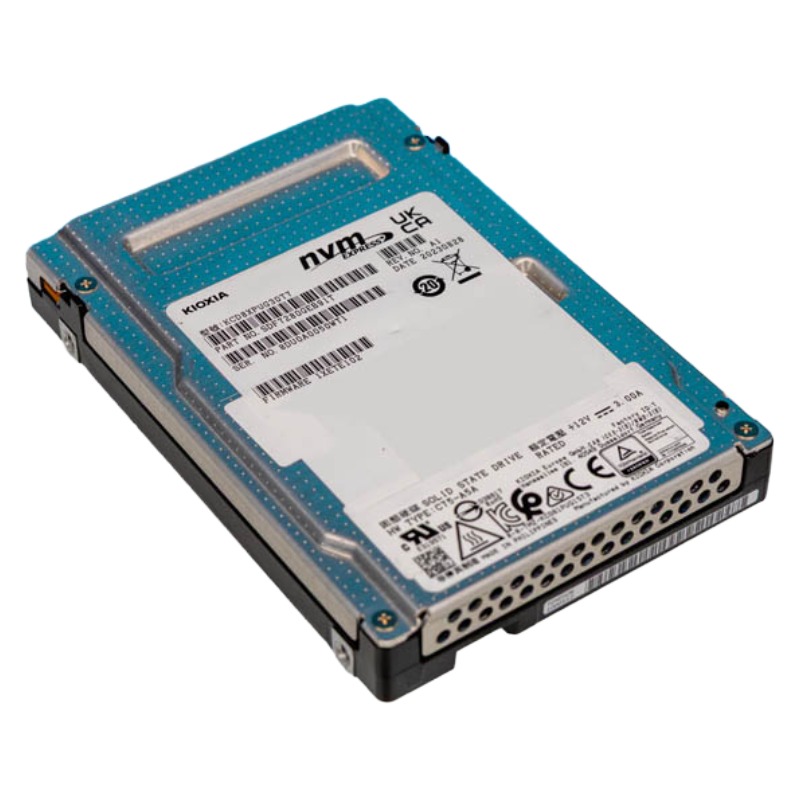


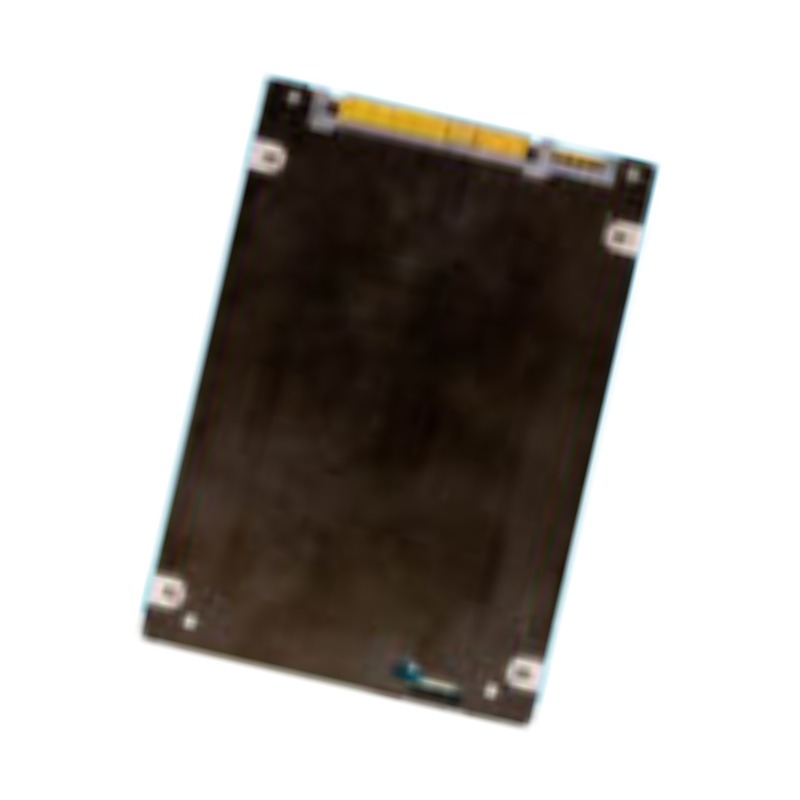
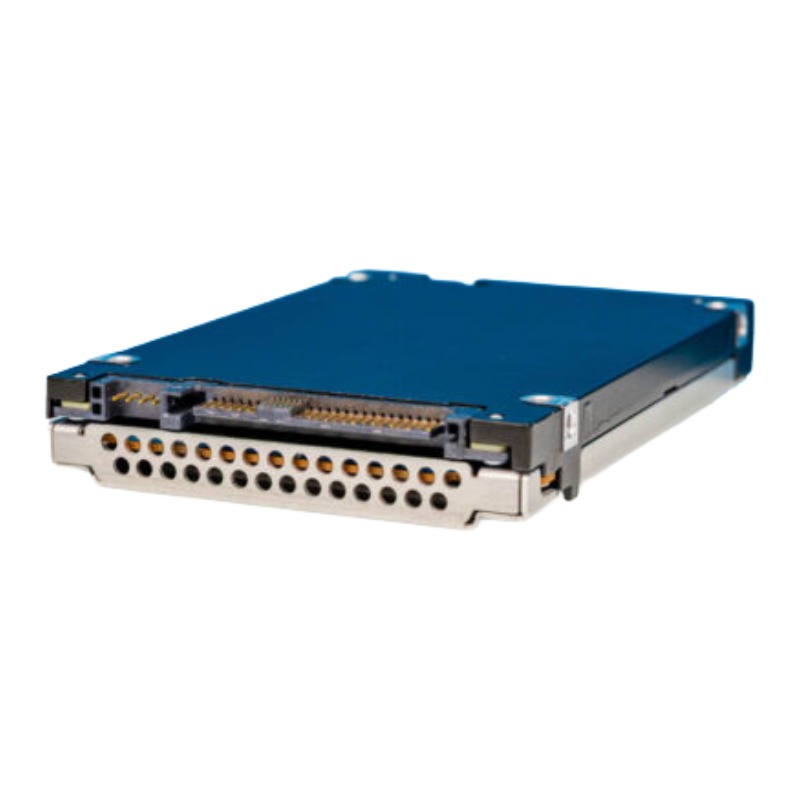
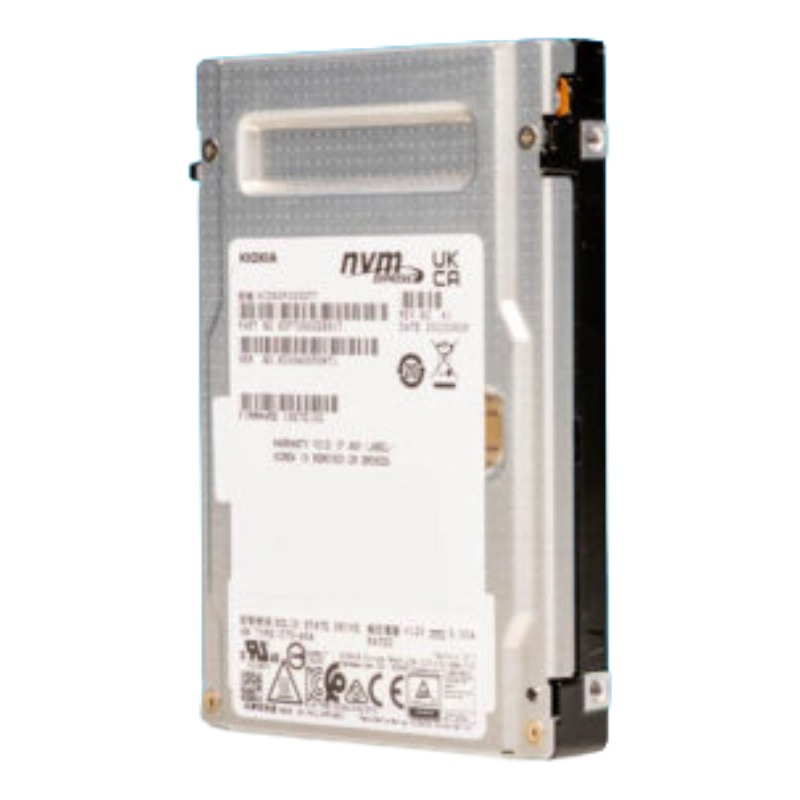
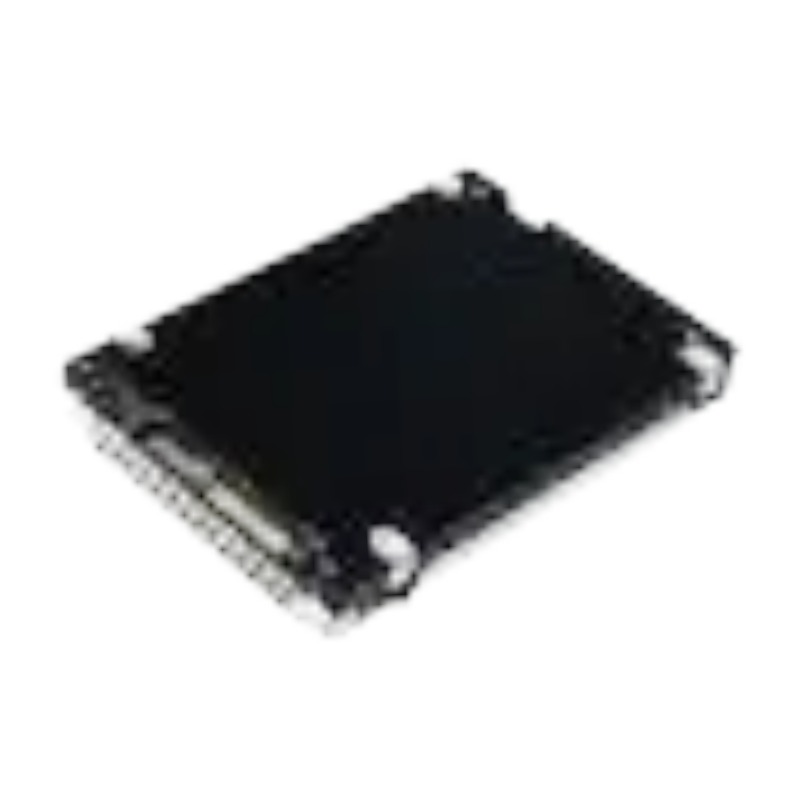
Kioxia KCM7FRUG30T7 30.72TB NVMe PCIe Gen4 U3 Dwpd Enterprise Solid State Drive. Excellent Refurbished with 1 year Replacement Warranty - EMC Version
The Kioxia KCM7FRUG30T7 30.72TB NVMe PCIe Gen4 Enterprise Solid State Drive is a next-generation storage device engineered for hyperscale data centers, cloud infrastructure, and enterprise-grade workloads. Designed for maximum endurance, ultra-fast throughput, and consistent performance, this SSD delivers outstanding reliability for mission-critical applications.
The Kioxia KCM7FRUG30T7 30.72TB NVMe PCIe Gen4 U.3 DWPd enterprise solid state drive represents a high-density storage solution engineered for modern data center environments that demand extreme performance, endurance, and scalability. Built on advanced NAND flash memory technology and optimized for PCIe Gen4 architecture, this enterprise SSD category is designed to support mission-critical workloads where latency, throughput, and sustained reliability are essential. In large-scale infrastructures such as cloud computing platforms, hyperscale storage clusters, and AI-driven analytics systems, storage devices like this play a fundamental role in ensuring uninterrupted data processing and efficient workload distribution.
The PCIe Gen4 interface is a core enabler of the performance capabilities found in the Kioxia enterprise SSD ecosystem. Compared to previous generations, PCIe Gen4 significantly increases bandwidth per lane, allowing enterprise drives to achieve much higher sequential and random input/output operations per second. The U.3 form factor further enhances compatibility across server infrastructures by enabling flexible deployment in backplanes designed for mixed storage environments. This architecture allows data centers to optimize storage density while maintaining consistent performance across multiple workloads, reducing bottlenecks in high-demand scenarios.
In enterprise environments, data throughput consistency is as important as peak speed. The integration of NVMe protocol ensures direct communication between the SSD and the CPU via PCIe lanes, minimizing latency and eliminating legacy storage protocol inefficiencies. This results in significantly improved responsiveness for transactional databases, virtualization layers, and real-time analytics platforms where microsecond-level delays can impact system performance.
The 30.72TB storage capacity category marks a significant advancement in enterprise flash storage density. By integrating multi-layer NAND flash cells with sophisticated controller logic, this drive category allows organizations to consolidate large volumes of data into fewer physical units. This reduction in drive count translates into lower infrastructure complexity, reduced rack space consumption, and improved energy efficiency per terabyte stored.
High-capacity enterprise SSDs like the KCM7FRUG30T7 are particularly valuable in environments that require large-scale data retention without sacrificing access speed. These include big data analytics clusters, cloud object storage systems, and archival storage tiers that still demand rapid retrieval capabilities. The ability to store tens of terabytes in a single U.3 device also simplifies storage management and reduces administrative overhead in enterprise IT operations.
Endurance is a defining characteristic of enterprise-grade solid state storage. The DWPD (Drive Writes Per Day) rating in the Kioxia enterprise SSD category is engineered to ensure sustained performance under continuous heavy write workloads. This is critical in applications such as database logging, virtualization host caching, and high-frequency transaction processing where drives are subjected to constant data rewriting cycles.
Unlike consumer-grade storage devices, enterprise SSDs are built with overprovisioning techniques, advanced wear leveling algorithms, and error correction mechanisms that distribute write and erase cycles evenly across NAND cells. This extends the lifespan of the drive significantly, ensuring predictable performance throughout its operational lifecycle. The DWPD optimization makes this SSD suitable for 24/7 data center environments where downtime or performance degradation is unacceptable.
At the core of the Kioxia KCM7FRUG30T7 enterprise SSD lies high-density NAND flash memory engineered for stability and endurance under extreme workloads. The integration of multi-layer cell technology allows for increased storage density while maintaining data integrity through advanced error correction protocols. The controller architecture plays a crucial role in managing data flow, balancing wear across memory cells, and optimizing read/write operations for consistent latency performance.
The controller firmware is designed to dynamically adapt to workload variations, ensuring that sequential and random operations are handled efficiently. This is particularly important in mixed workload environments where database queries, virtualization tasks, and analytical computations occur simultaneously. The coordination between NAND flash and controller logic ensures minimal performance fluctuations even under peak utilization.
Performance optimization in enterprise SSDs is not limited to raw speed metrics. It involves maintaining consistent IOPS performance under sustained load conditions. The Kioxia 30.72TB NVMe Gen4 SSD category is optimized for workloads that demand continuous data access without performance throttling. This includes cloud service providers, AI model training environments, and high-frequency trading systems where milliseconds determine operational efficiency.
The NVMe protocol enhances parallelism by enabling multiple command queues, allowing simultaneous processing of thousands of I/O requests. This architecture is particularly beneficial in virtualized environments where multiple virtual machines rely on shared storage resources. The result is improved workload distribution, reduced latency spikes, and enhanced system stability across enterprise deployments.
The U.3 form factor provides significant advantages in enterprise storage deployment strategies. It supports backward compatibility with U.2 and SAS infrastructures while enabling seamless transition to NVMe-based architectures. This flexibility is critical for data centers undergoing gradual modernization without full hardware replacement.
By standardizing drive connectivity across multiple storage protocols, U.3 enables IT administrators to optimize hardware utilization and reduce infrastructure fragmentation. This simplifies maintenance, enhances scalability, and ensures that enterprise storage systems can adapt to evolving performance requirements without significant architectural redesign.
Enterprise storage reliability is achieved through a combination of hardware redundancy, firmware intelligence, and advanced error correction technologies. The Kioxia enterprise SSD category incorporates multi-layer error detection and correction algorithms that ensure data integrity even under extreme operational conditions. These mechanisms continuously monitor NAND flash health and proactively manage potential degradation.
Power loss protection is another critical aspect of enterprise reliability. In the event of unexpected power interruption, onboard capacitors and firmware-level data protection routines ensure that in-flight data is safely committed to non-volatile memory. This prevents data corruption and ensures system stability in mission-critical environments.
Modern enterprise environments increasingly rely on artificial intelligence and machine learning workloads that require rapid access to massive datasets. The Kioxia KCM7FRUG30T7 30.72TB NVMe SSD category is designed to accelerate these workloads by providing high-throughput data access and low-latency storage responses.
In AI training environments, large datasets must be continuously read and processed across distributed computing nodes. High-performance NVMe storage reduces data starvation in GPU clusters, enabling more efficient model training cycles. Similarly, big data analytics platforms benefit from faster query execution and improved data ingestion speeds, resulting in more responsive analytical insights.
Virtualized environments rely heavily on storage performance consistency. Enterprise SSDs in the 30.72TB NVMe category are engineered to support dense virtual machine deployments where multiple workloads share underlying storage resources. The ability to maintain consistent latency under high concurrency is essential for preventing performance bottlenecks in cloud infrastructure.
Cloud service providers benefit from reduced storage footprint and improved energy efficiency per workload unit. High-capacity SSDs reduce the need for multiple smaller drives, simplifying storage pool management and improving overall system efficiency. This directly contributes to lower operational costs and improved scalability in cloud-native environments.
Enterprise storage security is a critical component of modern data center design. The Kioxia enterprise SSD category incorporates hardware-based encryption mechanisms that protect sensitive data at rest. These encryption systems operate independently of host processing, ensuring minimal performance overhead while maintaining strong security standards.
Secure erase functionality and cryptographic key management systems further enhance data protection by ensuring that decommissioned drives do not retain recoverable data. This is essential for organizations handling sensitive financial, medical, or proprietary information where regulatory compliance is mandatory.
High-performance NVMe SSDs generate significant thermal output under sustained workloads. The Kioxia enterprise SSD architecture incorporates advanced thermal management strategies that regulate performance based on temperature thresholds. This prevents overheating while maintaining optimal operational efficiency.
Power efficiency is also a key design consideration in enterprise storage environments. By optimizing data access patterns and reducing unnecessary power consumption during idle states, these SSDs contribute to lower overall data center energy usage. This is particularly important in large-scale deployments where thousands of drives operate simultaneously.
Scalability is a defining requirement of modern enterprise storage systems. The 30.72TB NVMe SSD category enables organizations to scale storage capacity without proportionally increasing physical infrastructure complexity. This is particularly beneficial in hyper-converged infrastructure environments where compute, storage, and networking resources are tightly integrated.
As data generation continues to grow exponentially, scalable storage solutions like the Kioxia KCM7FRUG30T7 become essential for maintaining operational efficiency. The ability to expand storage capacity while maintaining consistent performance ensures long-term infrastructure viability and reduces the need for frequent hardware upgrades.
Lifecycle management in enterprise SSDs involves continuous monitoring of drive health, performance metrics, and wear-level distribution. Intelligent firmware systems embedded within the Kioxia enterprise SSD category provide real-time analytics that help administrators predict maintenance requirements and optimize storage utilization.
These intelligent systems also support adaptive performance tuning based on workload characteristics. By analyzing usage patterns, the firmware can dynamically adjust caching strategies, write amplification control, and background garbage collection processes to maintain consistent performance throughout the drive’s lifecycle.
The evolution of enterprise storage is driven by increasing data volumes, more complex workloads, and the need for real-time processing capabilities. The Kioxia KCM7FRUG30T7 30.72TB NVMe PCIe Gen4 SSD category represents a forward-looking storage architecture designed to meet these evolving requirements.
With continued advancements in NAND technology, PCIe bandwidth scaling, and NVMe protocol enhancements, enterprise SSDs are expected to play an even more critical role in future data center ecosystems. The integration of high-capacity storage with low-latency performance ensures that organizations can continue to innovate and scale without being constrained by storage limitations.


 Contact Us
 Information
 Catalog
 Solid State Drives (SSD)
 Network Switches
 Hard Disk Drives
 HBA & Controllers
 PC & Servers
 PC & Server Memory
 CPU & Processors
 Network Routers
 Power Supplies
 Tape Drives & Libraries
 Network Devices
 Computer & Network Cables